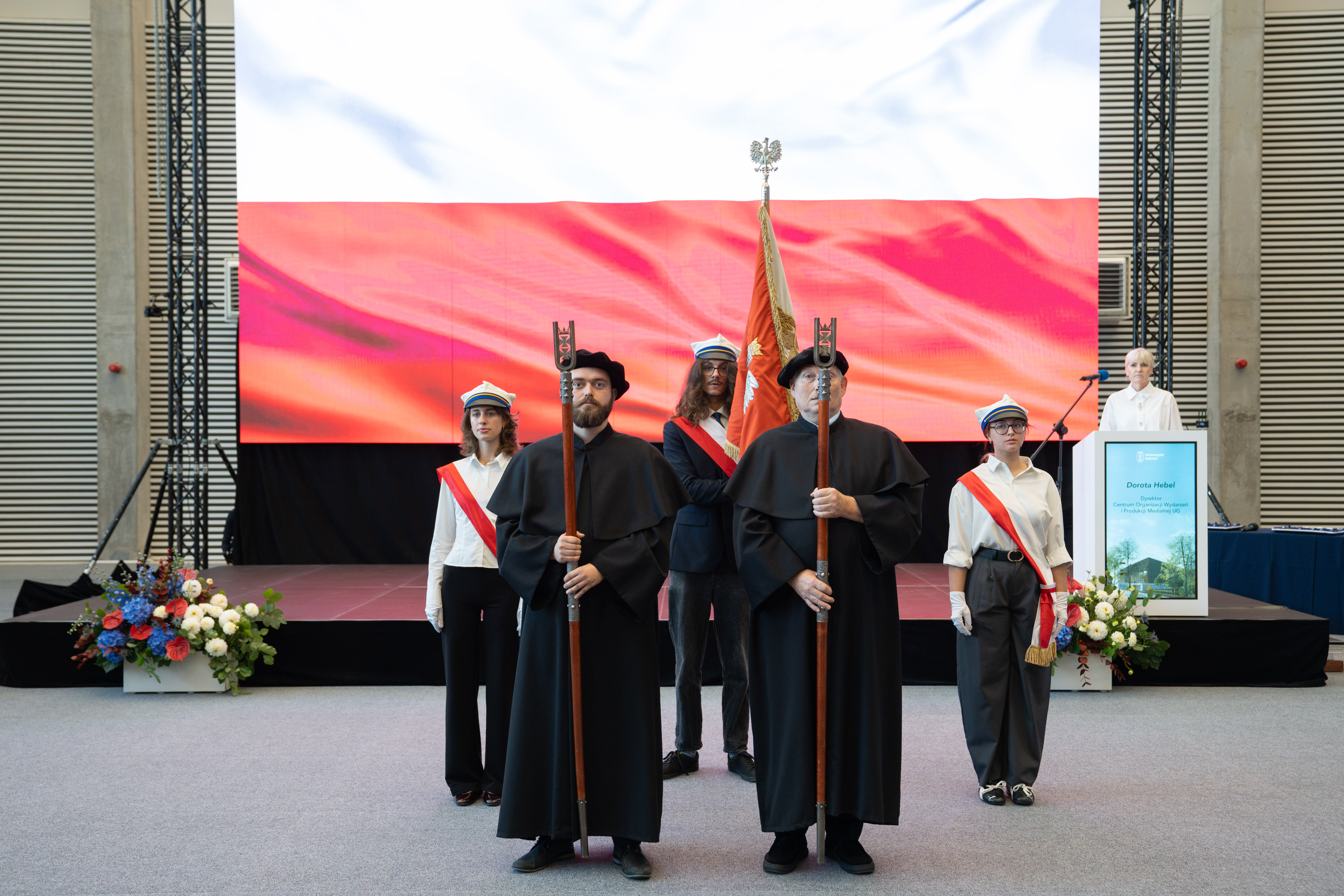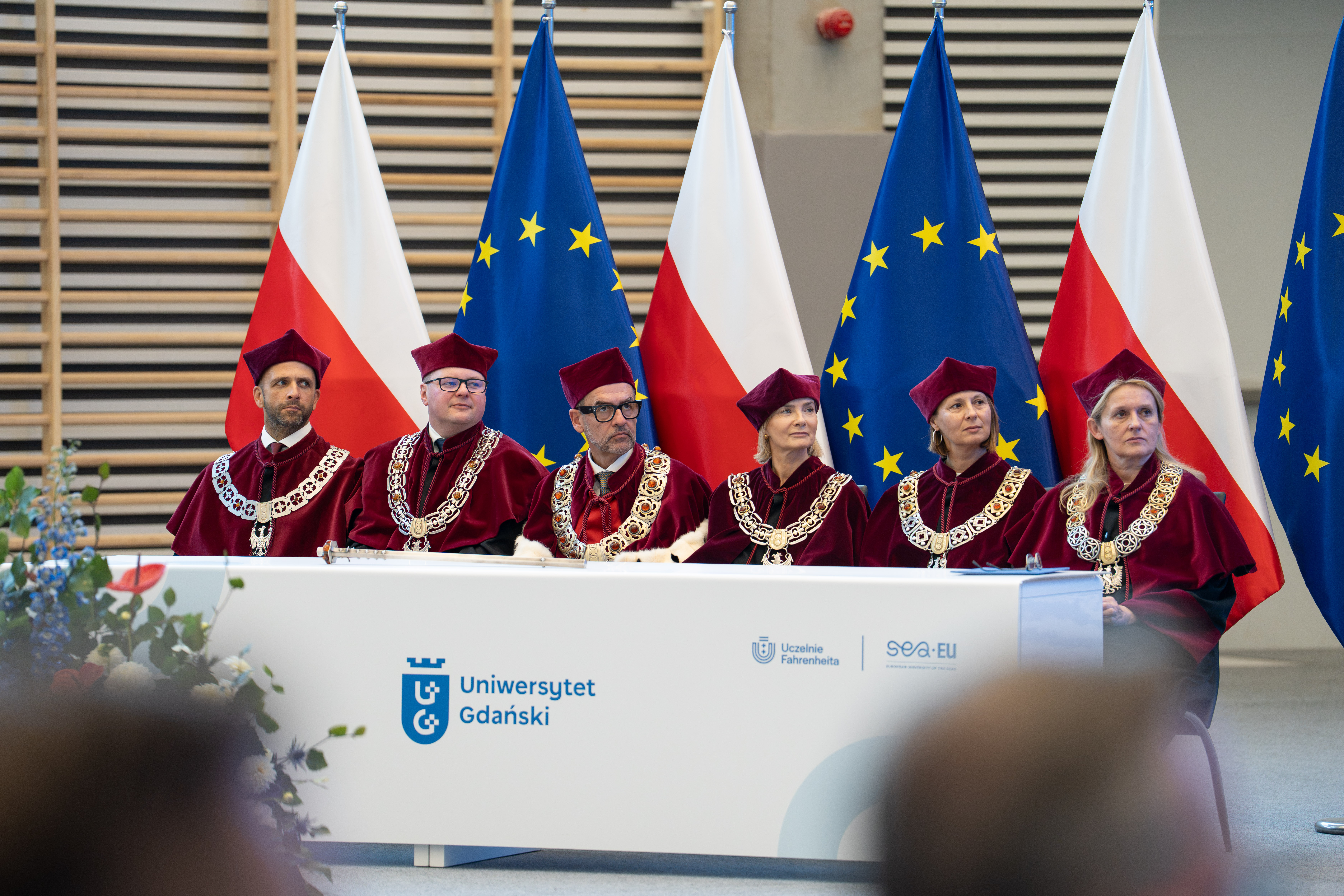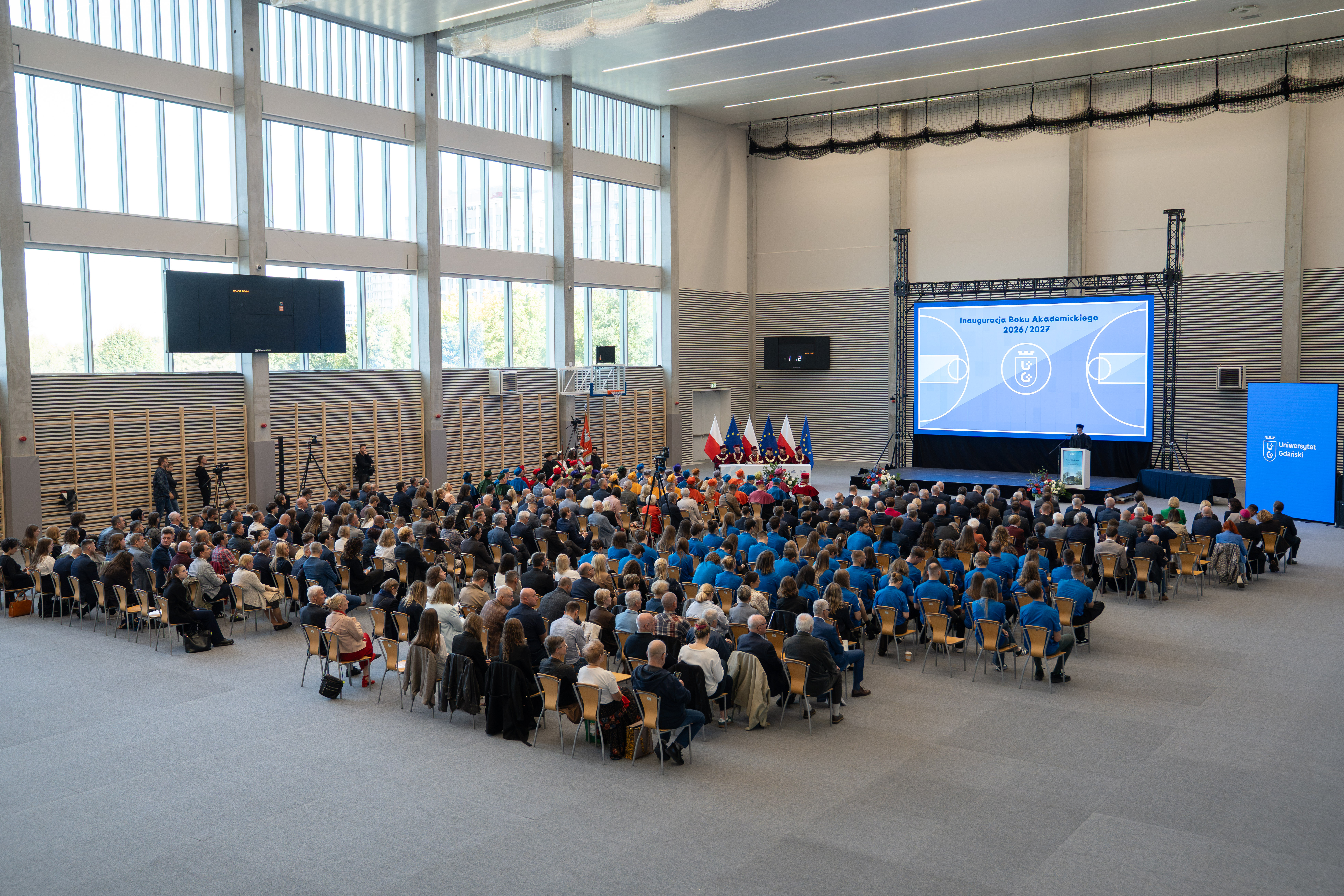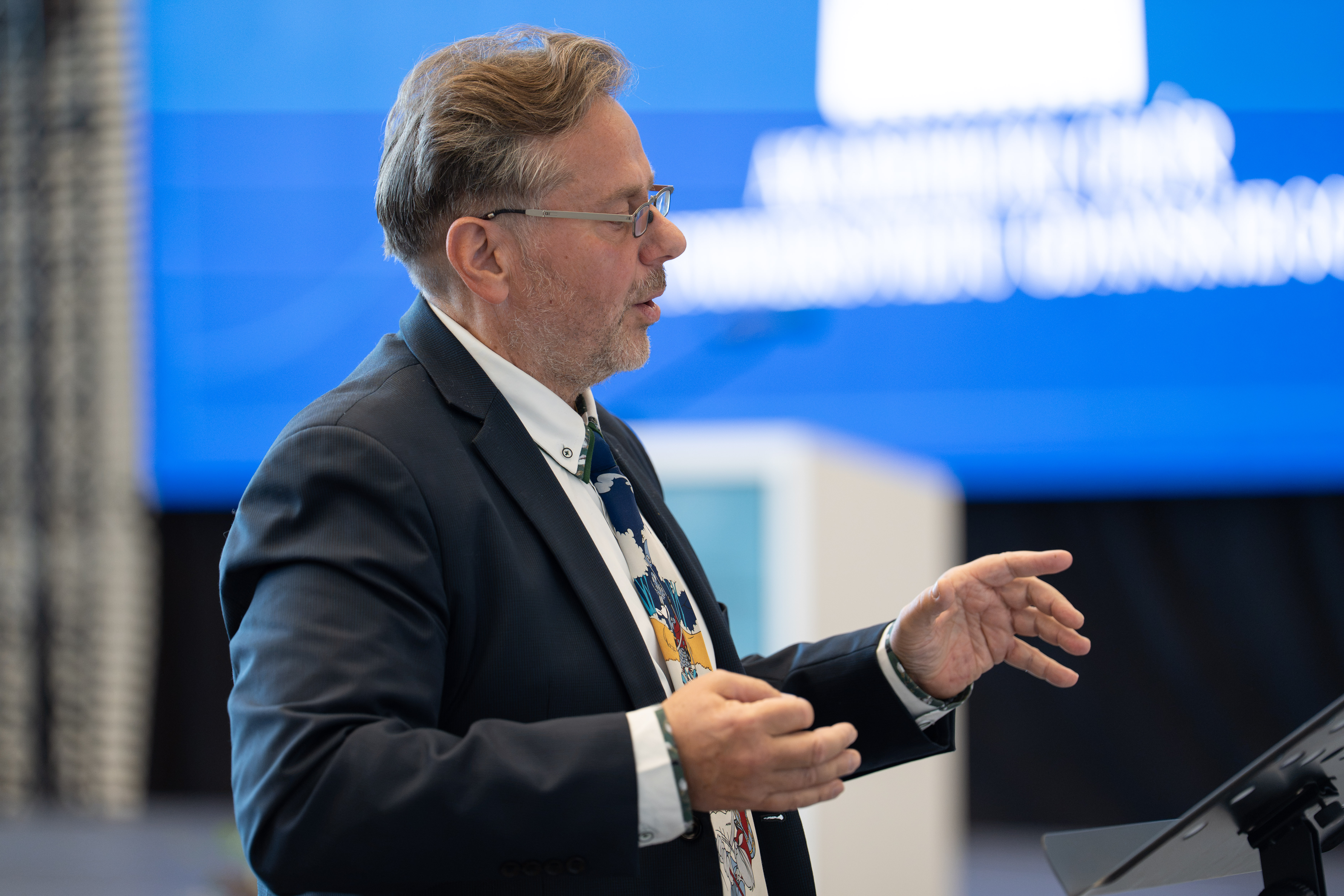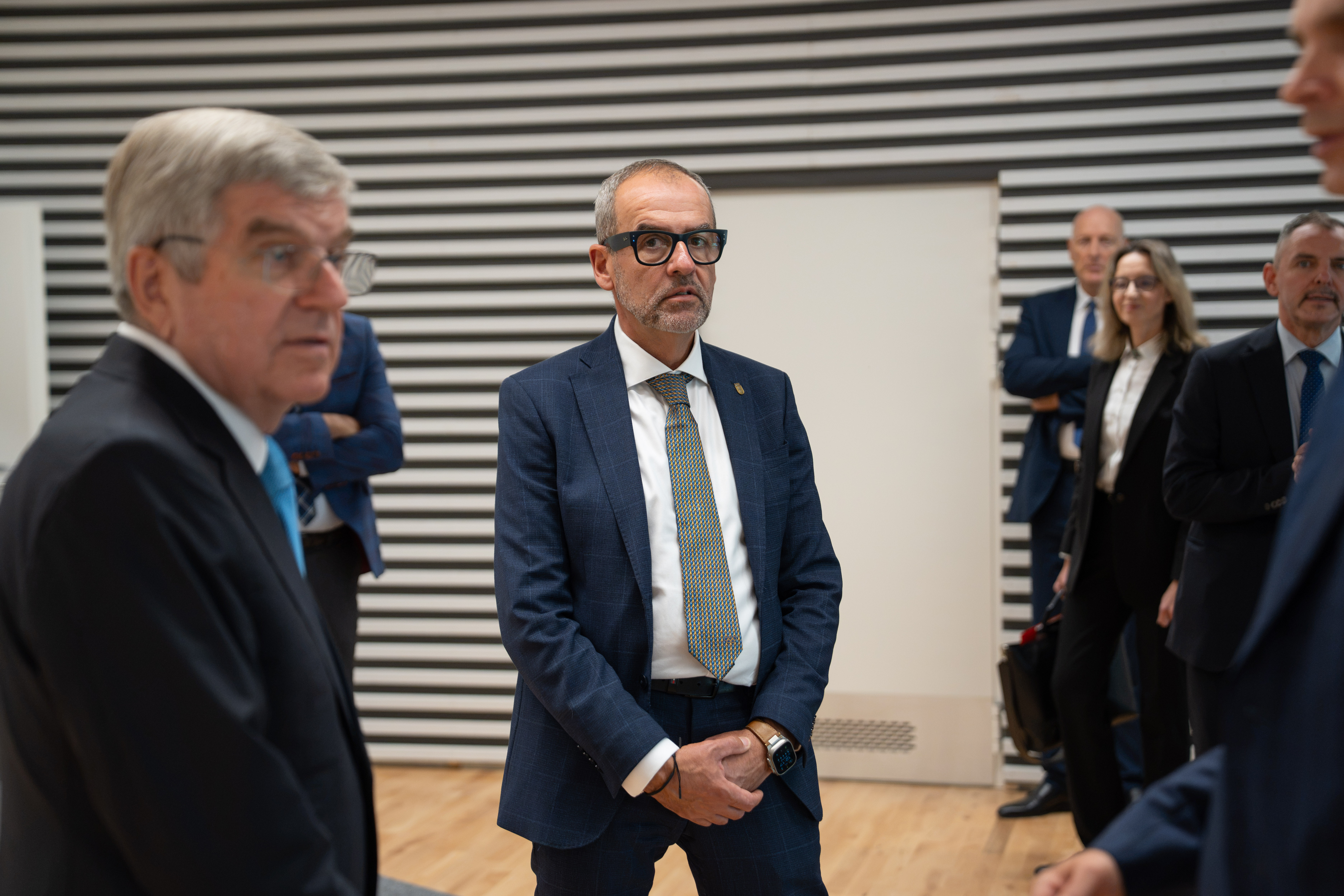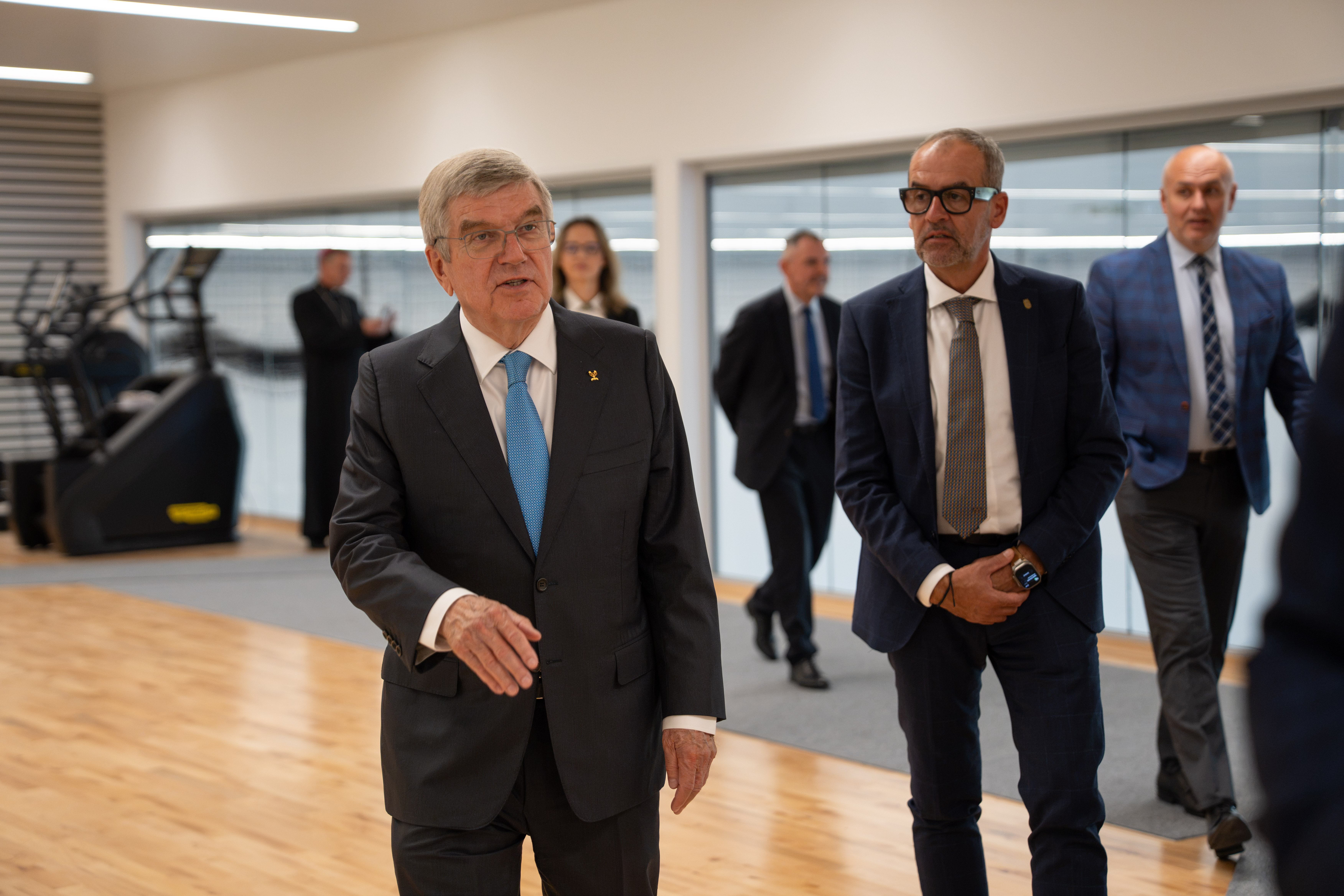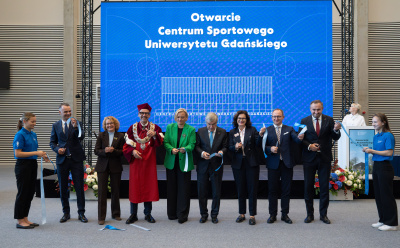
‘We have it!’ - with these words, the Rector of the University of Gdańsk, prof. Piotr Stepnowski, opened the University of Gdańsk Sports Centre. After more than half a century of waiting, the university has gained a modern and multi-purpose sports hall, which is intended to serve the entire academic community. And it was there, in this brand-new and long-awaited sports facility, that the ceremonial meeting of the University of Gdańsk Senate was held to mark the inauguration of the 2026/2027 academic year.
The start of the academic year and the grand opening of the Sports Centre provided an opportunity to reflect on what sport and academia have most in common: the pursuit of excellence, cooperation, and the ability to bounce back from defeat.
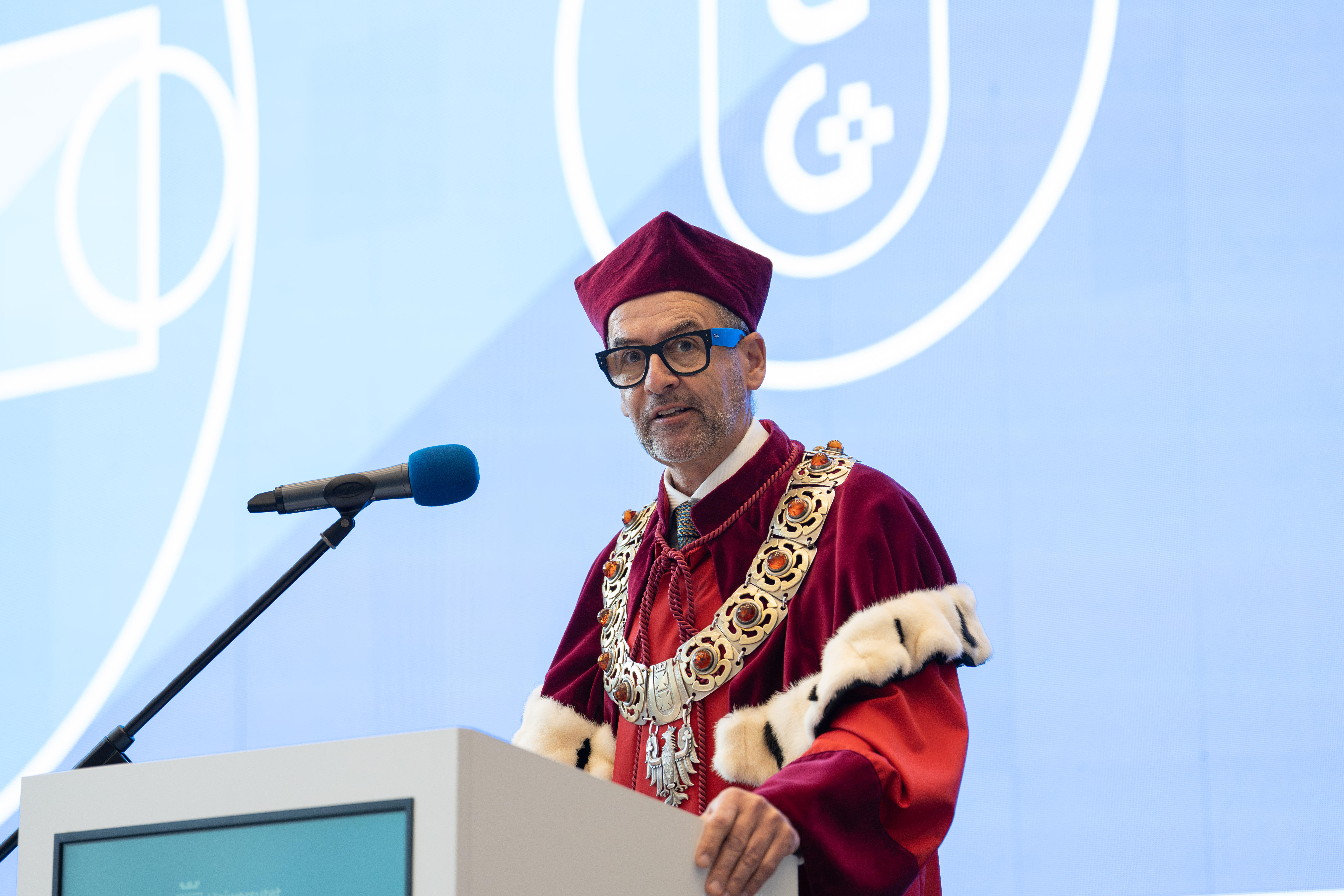
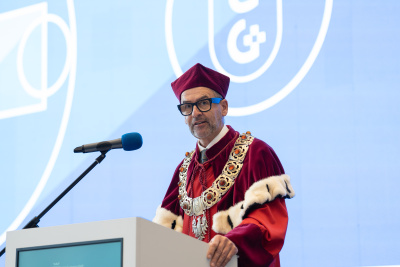
‘The University develops the intellect, but it also shapes character. Sport teaches perseverance, respect for the rules and responsibility in teamwork. It also teaches us how to cope with defeat. We need these very same skills in the laboratory, the lecture theatre and in everyday life. That is why today’s inauguration is more than just the opening of a building. It shows how, here at the University, we understand the all-round development of the individual. A year ago, I said that our athletes were achieving success, even though we still lacked a proper sports facility. Today, I am delighted to say: we have it!,’ emphasised prof. dr hab. Piotr Stepnowski.
This project was realised with financial support from the Ministry of Science and Higher Education and the Ministry of Sport and Tourism, and thanks to the involvement of the Budimex company in the construction and finishing works, the first phase of the Sports Centre was completed three months ahead of schedule.
From tomorrow, students, ASA UG athletes and University of Gdańsk staff will be able to train in the multi-purpose sports hall (covering an area of almost 6,000 square metres), which features a full-size court for basketball, volleyball, and futsal, and stands seating 270 people.
In addition, they will have access to a gym, as well as rooms dedicated to cardio, fitness, martial arts, music and movement classes, and wellness. The facility is fully accessible to athletes with disabilities and utilises renewable energy sources.
Infrastructure for research, teaching, and development
Prof. Piotr Stepnowski pointed out that this is the first stage in the creation of the Sports Centre. Further stages lie ahead. In the future, sports pitches and facilities for racket sports will be built. In addition, the university is simultaneously developing other venues important for research and the academic community. Renovation work is currently underway at the Prof. Krzysztof Skóra Marine Station in Hel, the building housing the Faculty of Mathematics, Physics and Informatics, and Student Hall of Residence no. 9 in Sopot. The University of Gdańsk is also preparing to renovate Student Hall and Assistant’s Hall No. 2, as well as to build student halls of residence on Wita Stwosza Street.
The Centre for Pathogen Research and the Development of Innovative Therapies, featuring a BSL-3+ laboratory, and the Polish Research Fleet, including the r/v Oceanograf, have been included on the Polish Research Infrastructure Map. The University of Gdańsk also contributes to the development of facilities for natural history collections, atomic and quantum physics, and toxicology as part of other projects.
The University of Gdańsk is consistently expanding and modernising its infrastructure in response to the changing needs of the academic community. These investments are essential for achieving the university’s key objectives: ensuring high-quality education and student development, conducting scientific research, and upholding scientific integrity.
Behind each success are people
The University of Gdańsk and its affiliated researchers are achieving success and climbing the rankings. Prof. Piotr Stepnowski highlighted the University of Gdańsk’s historic rise into the top ten academic institutions in Poland in the Perspektywy 2026 Ranking, and its fourth-place finish amongst traditional universities. This is a significant leap forward, as the University of Gdańsk was ranked 28th in 2020.
Environmental protection was recognised as the best in Poland, whilst biotechnology and law also featured in the top three. As the Rector said, ‘behind these results are people’ - for the list of achievements by researchers associated with the university is long. One of the most recent is a grant from the European Research Council (ERC Starting Grant), which was awarded to prof. Dorota Miler. The legal historian, together with an international team, will investigate how Central European inheritance law can better respond to the changing realities of family life.
The University of Gdańsk is strengthening its cooperation - from the Baltic Sea to Turkey
The University of Gdańsk is strengthening and developing its existing partnerships (implementation of SEA-EU NEXT), expanding its international cooperation (organisation of the 2nd Forum of Polish and Turkish Rectors and the Baltic Rectors’
Forum, and the opening of the Polish-Turkish Centre for Studies) whilst not neglecting local partnerships, recognising the presence within The Fahrenheit Universities in Gdańsk, which this year has expanded to include the Academy of Music and the Academy of Fine Arts. ‘Welcome to our family,’ emphasised prof. Piotr Stepnowski.
The Rector of the University of Gdańsk made no secret of his satisfaction that the long-standing consolidation initiative had been enshrined in law as a framework for cooperation within the Pomeranian metropolitan area currently being established. Thanks to the metropolitan act, it will be possible to form a federation of higher education institutions and allocate part of the metropolitan budget to public tasks in the field of science. ‘For the first time in our country’s history, we have laid a solid foundation for building a true knowledge-based metropolis - modelled on modern European conurbations that integrate an ecosystem of innovative business, science and local government.’
Prof. Piotr Stepnowski addressed the students: ‘Every athlete knows that you don’t win every match, every race or every competition. Sometimes it is defeat that says more about us than victory. What matters is whether we can get back to training afterwards. It will be the same at university: not everything will go right the first time. Not every exam will go perfectly. Not every idea will turn out to be a good one. Perhaps at times you will change your course of study, your interests, or even your plans for the rest of your life. And there’s nothing wrong with that. University should be precisely the place where you can try things out, find your own path and make mistakes safely - provided that you are able to learn from them.’
In conclusion, he wished everyone “that we may remember that the University of Gdańsk is a team. A team of diverse people, from different academic disciplines, with different views and experiences, but all united by a sense of responsibility for the community and the future”. ‘And may we, at the end of this year, be able to say that we made the most of our opportunity as best we could.’
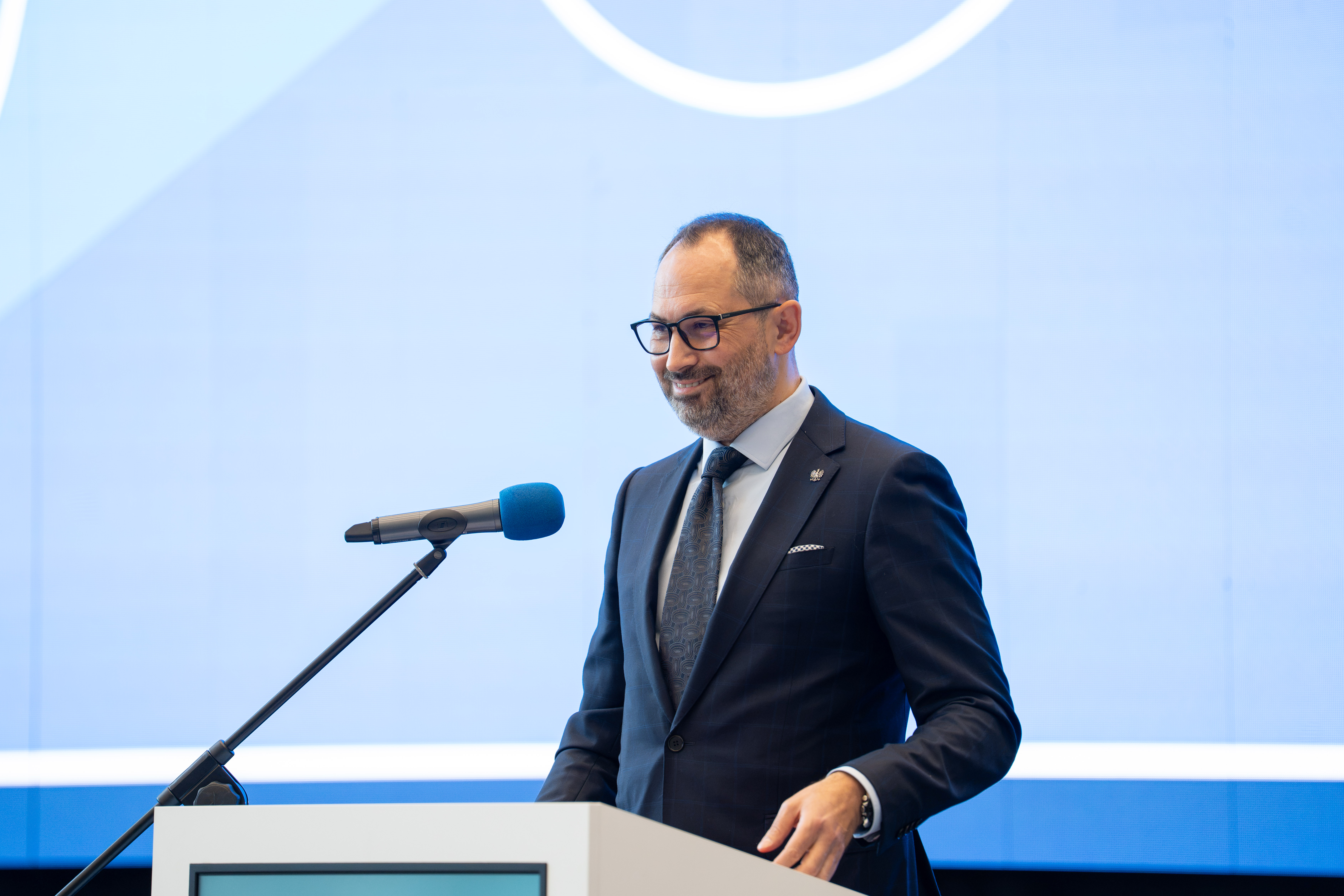
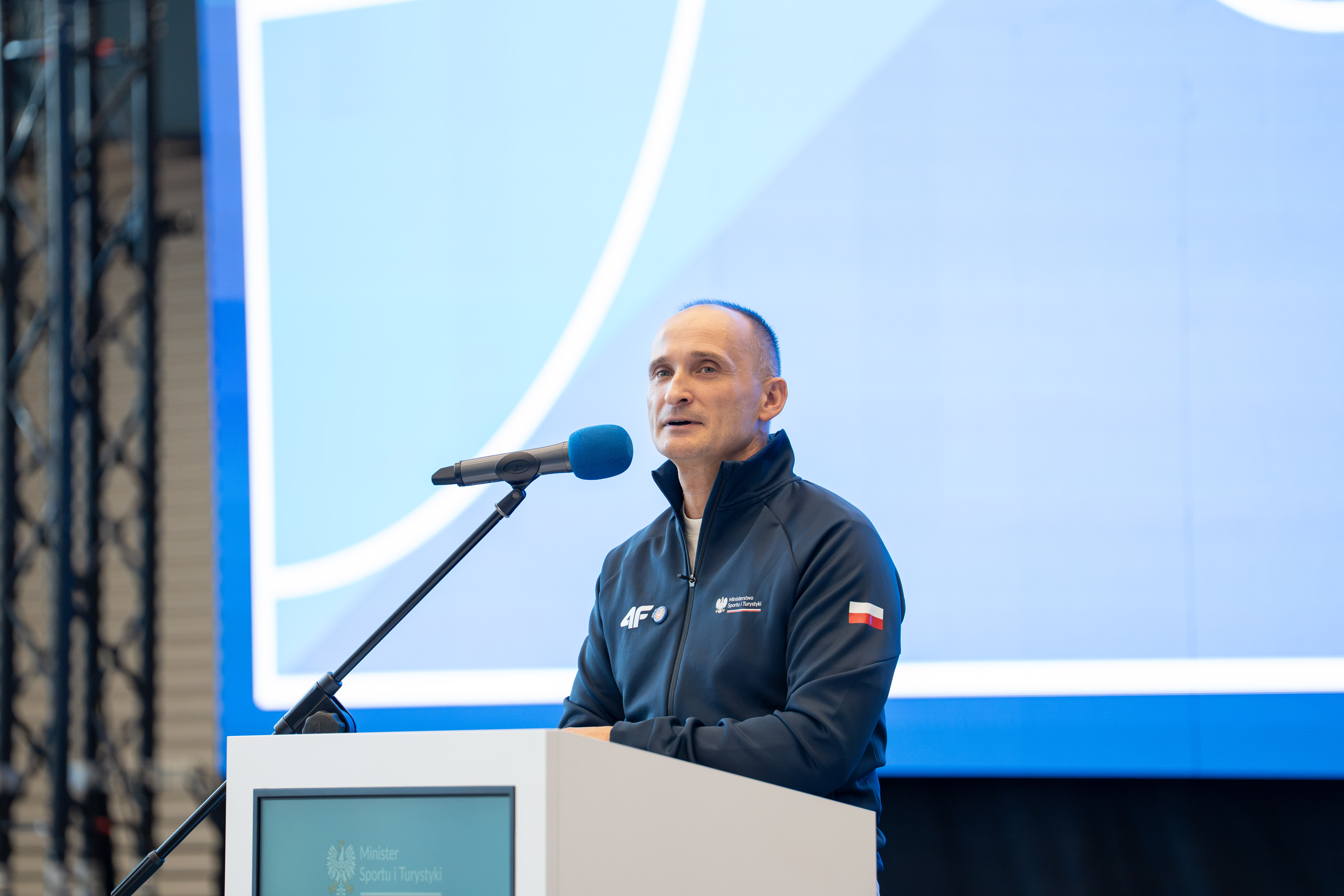
After the Rector’s speech, the following took the floor: dr Tomasz Szturo, adviser to the President of the Republic of Poland, who read out a letter from the President, Karol Nawrocki, and Dominik Grabowski, adviser to the Minister for Sport and Tourism, Jakub Rutnicki.
Opening of the Sports Centre and honours for the best athletes
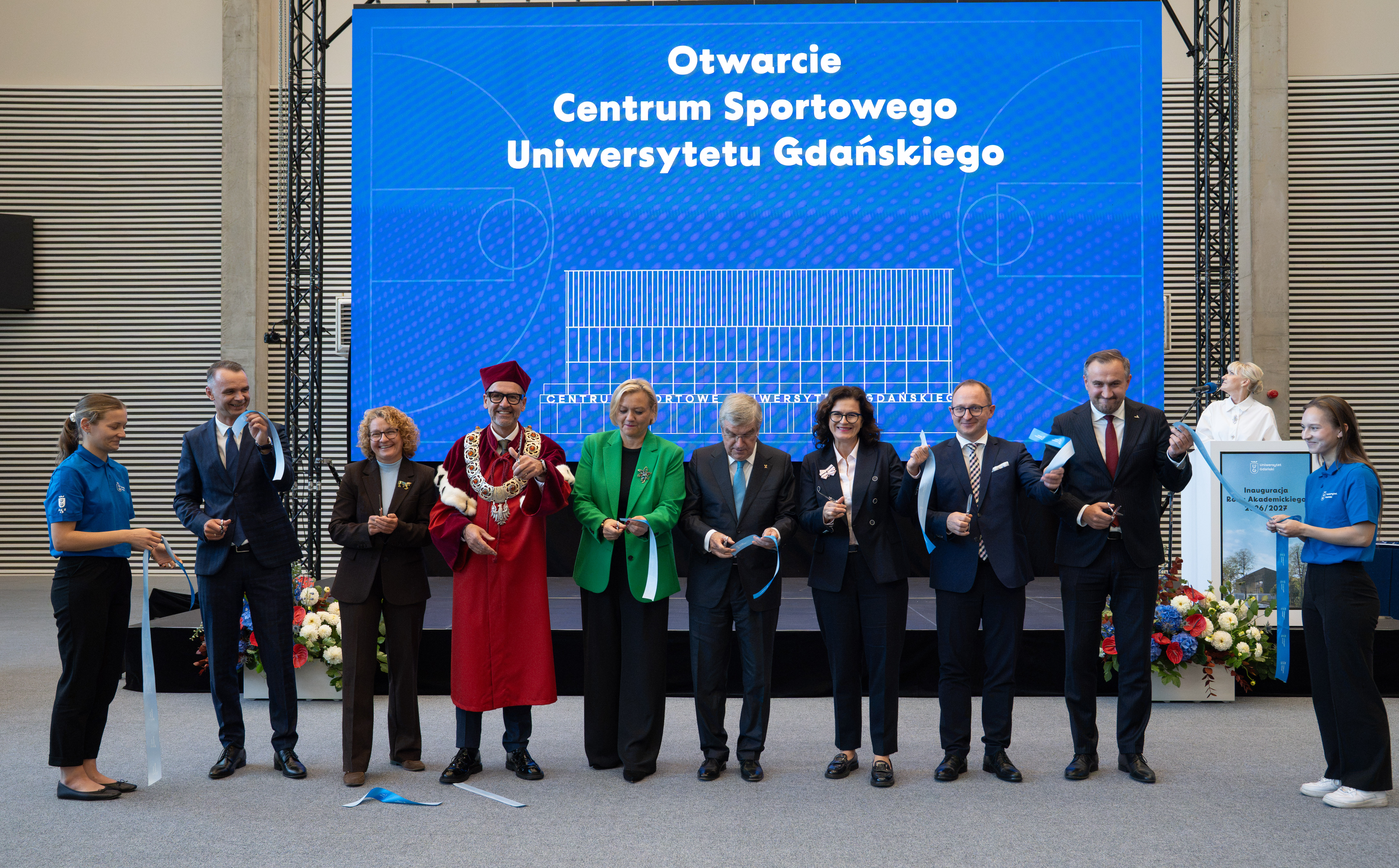
Following the reading of the letter from the Minister, the symbolic opening of the University of Gdańsk Sports Centre took place. The ceremonial ribbon-cutting was performed by: the Rector of the University of Gdańsk, prof. Piotr Stepnowski, dr Thomas Bach, the Deputy Governor of the Pomeranian Voivodeship Anna Olkowska-Jacyno, the Deputy Marshal of the Pomeranian Voivodeship Marcin Skwierawski, the Mayor of Gdańsk Aleksandra Dulkiewicz, the Mayor of Sopot Magdalena Czarzyńska-Jachim, the Deputy Mayor of Gdynia Tomasz Augustyniak, and the Director of the University of Gdańsk Sports Centre Tomasz Aftański.
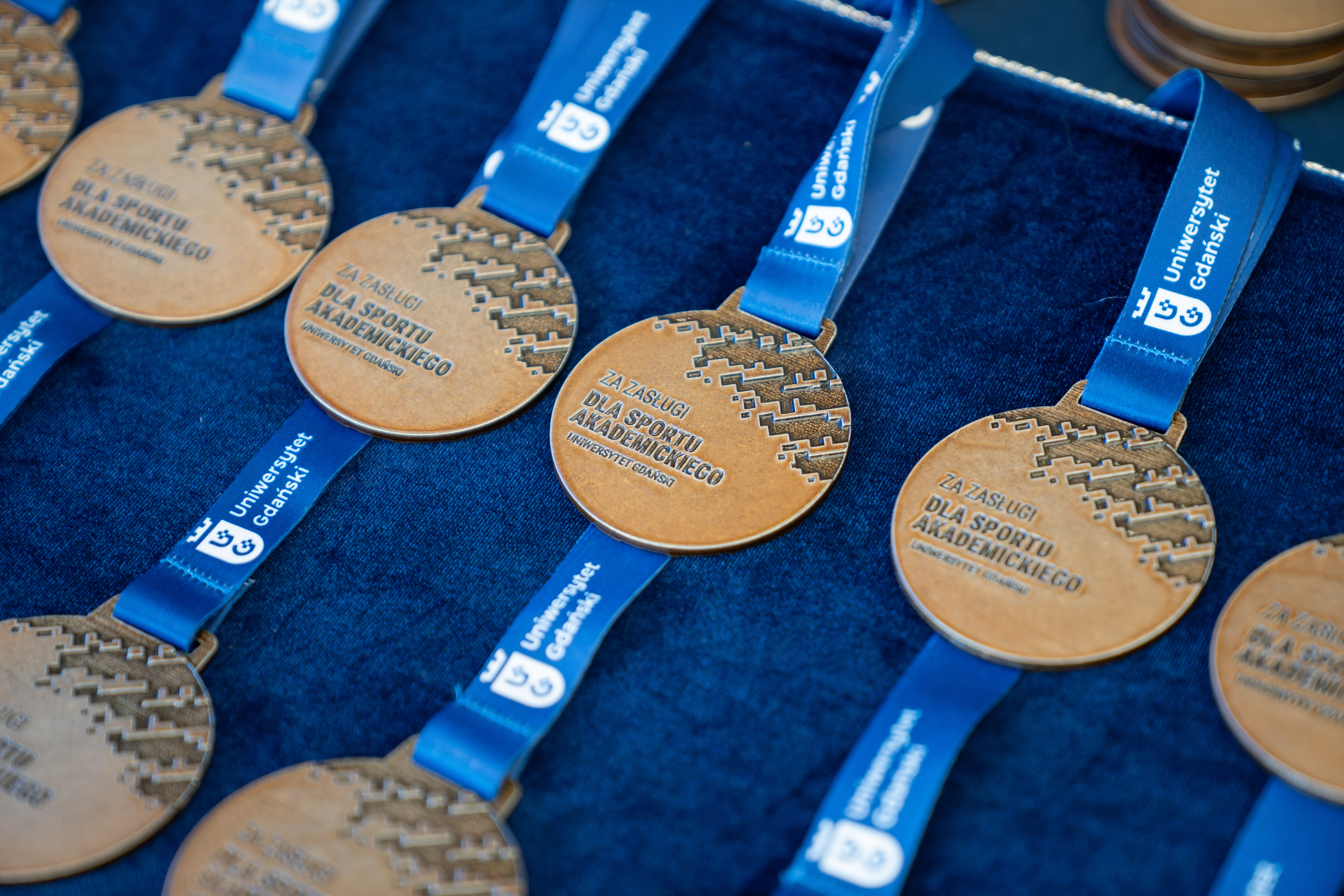
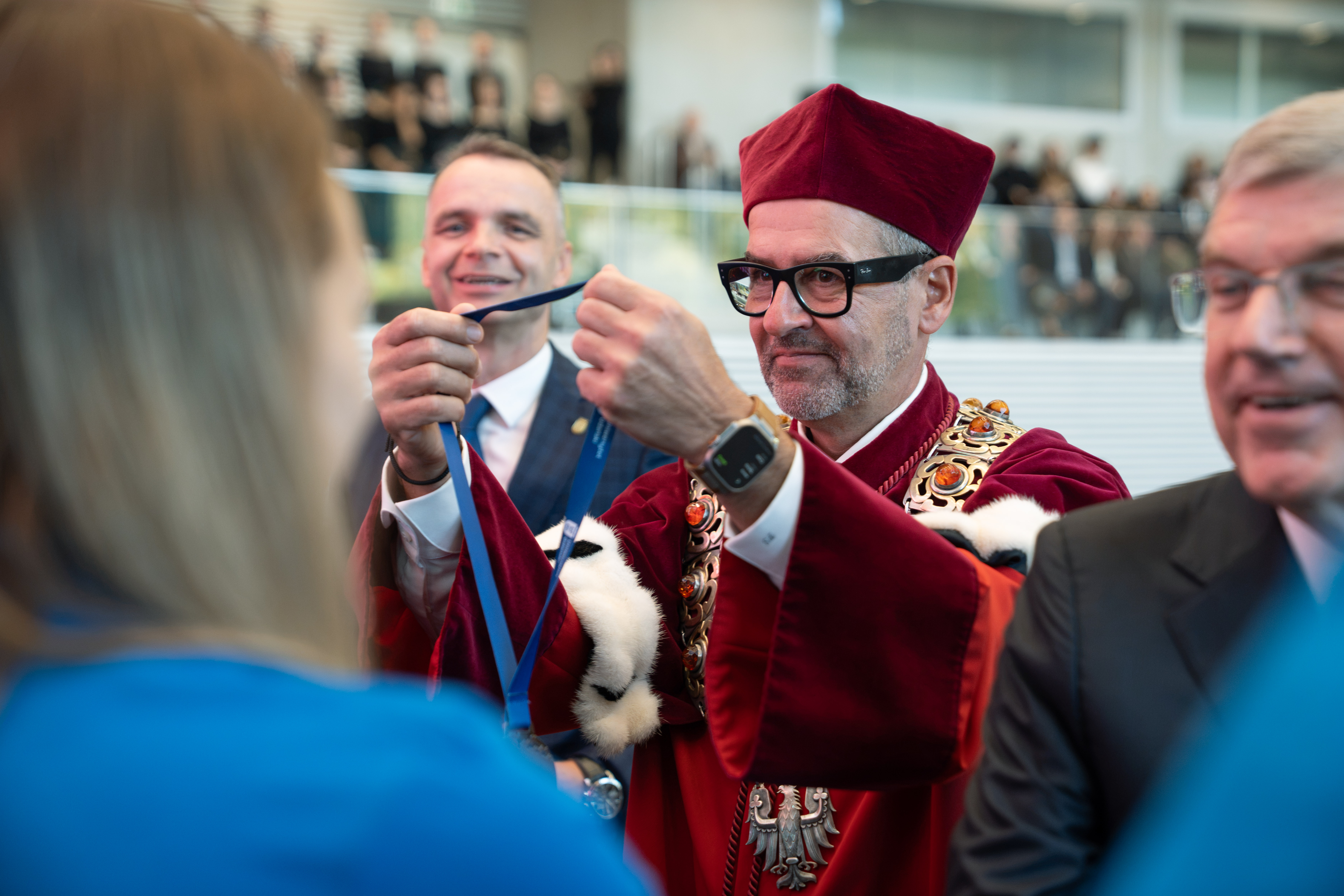
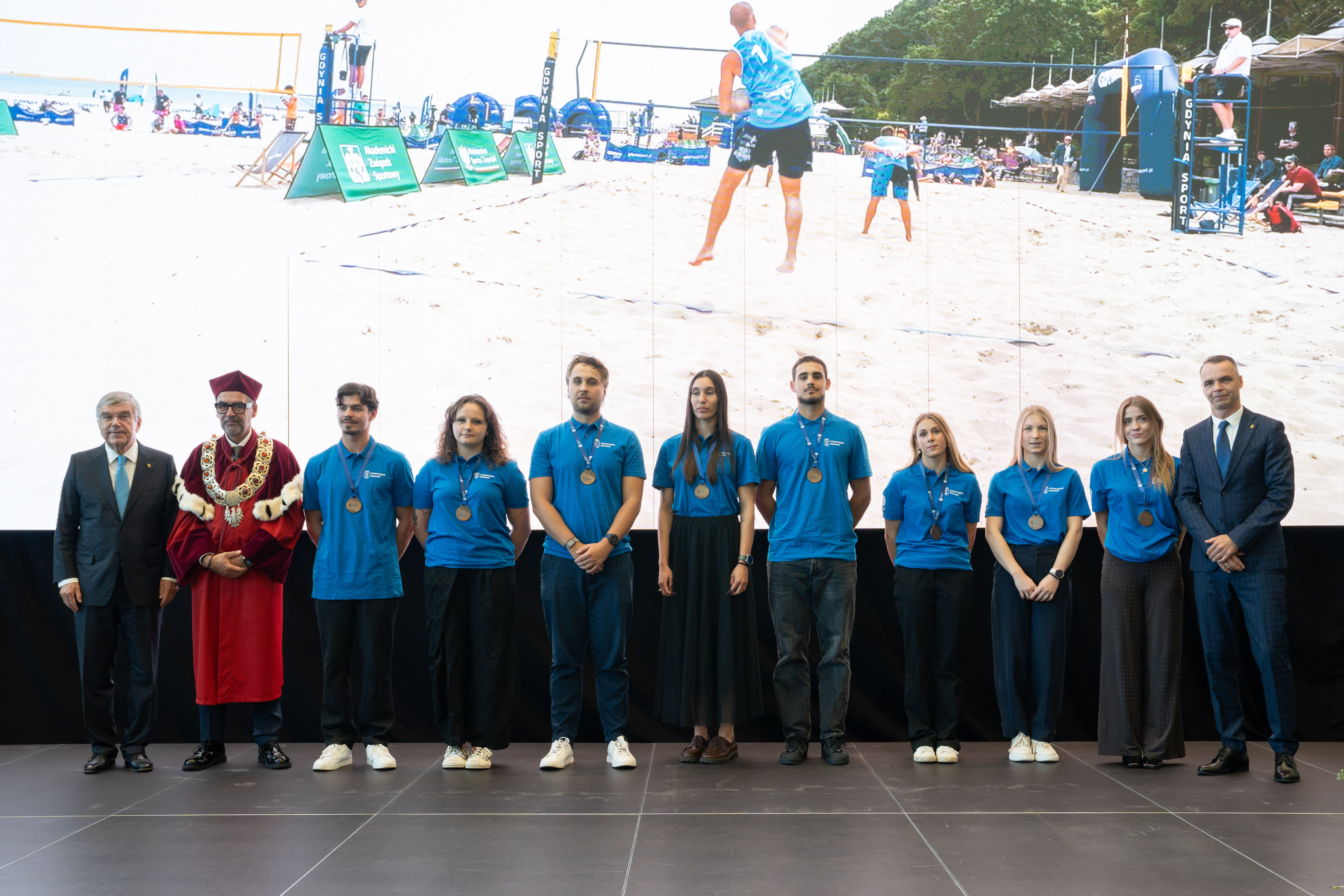
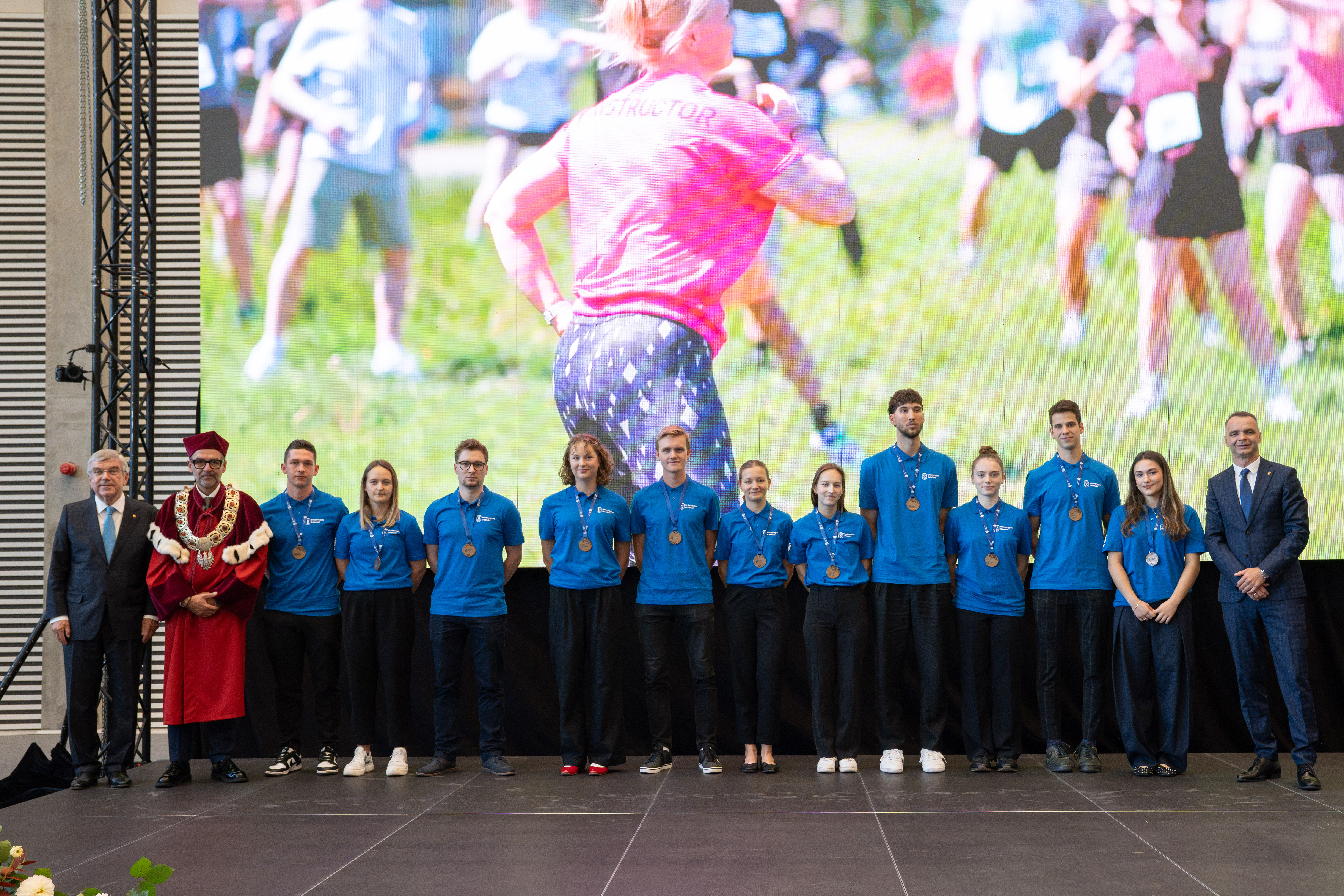
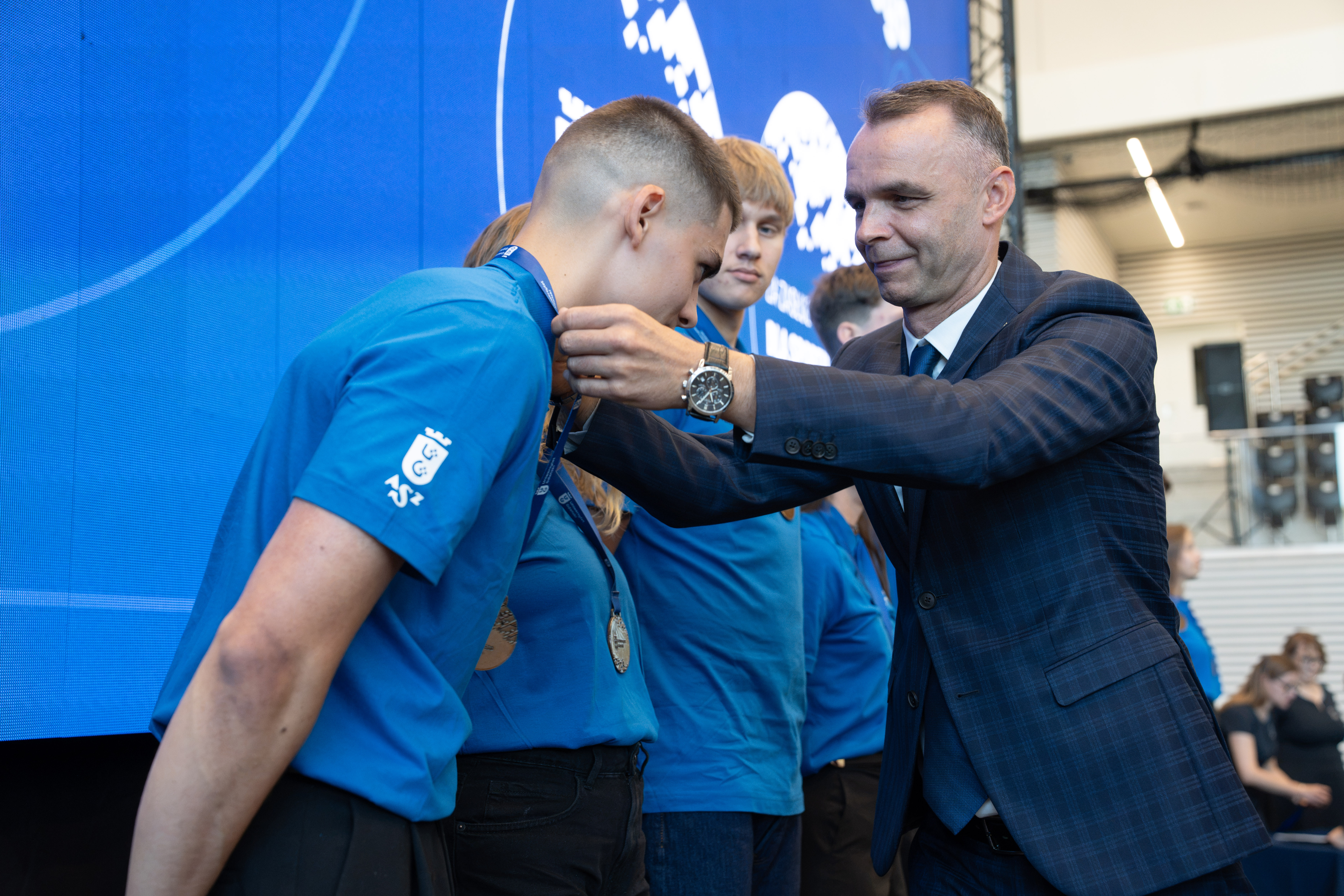
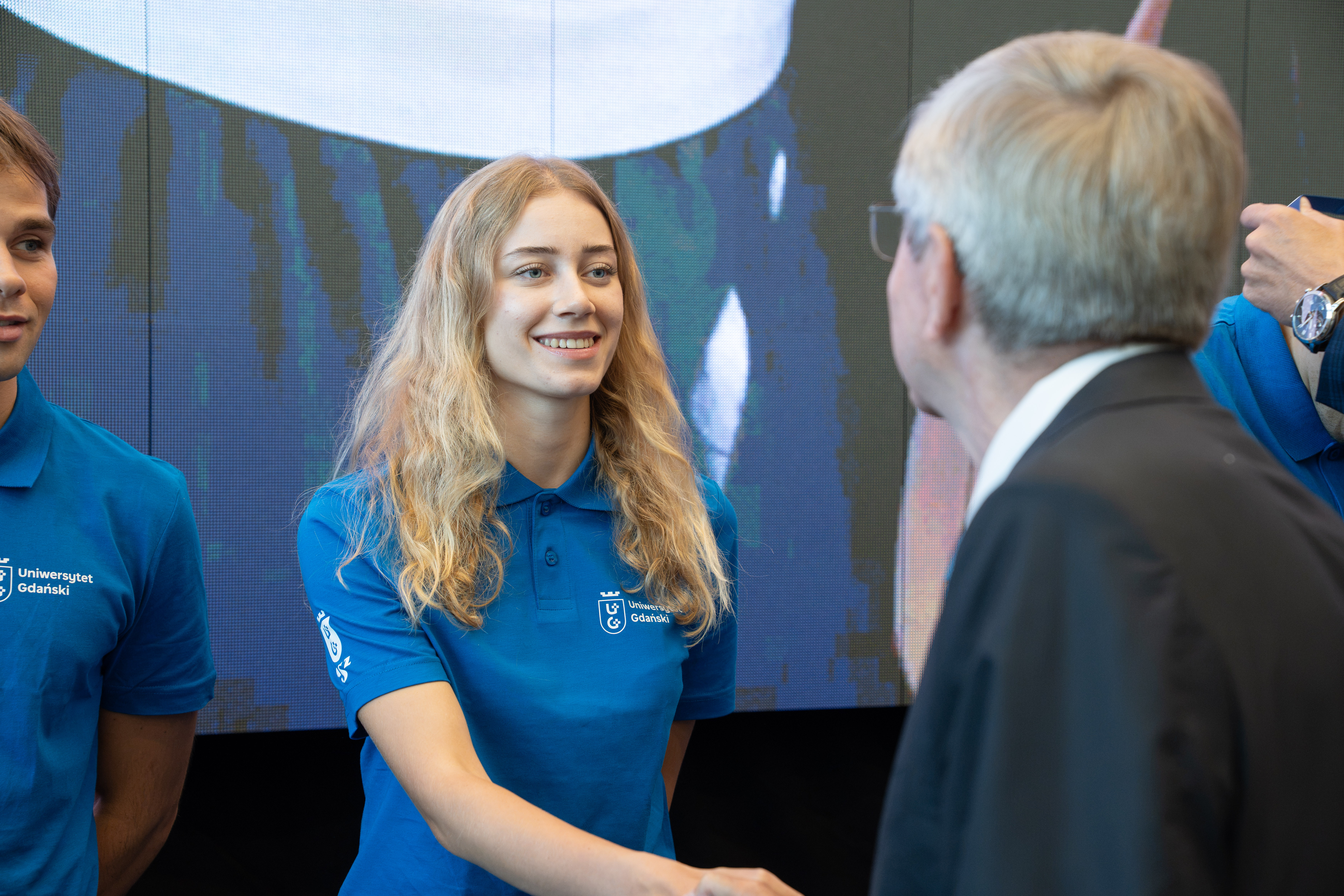
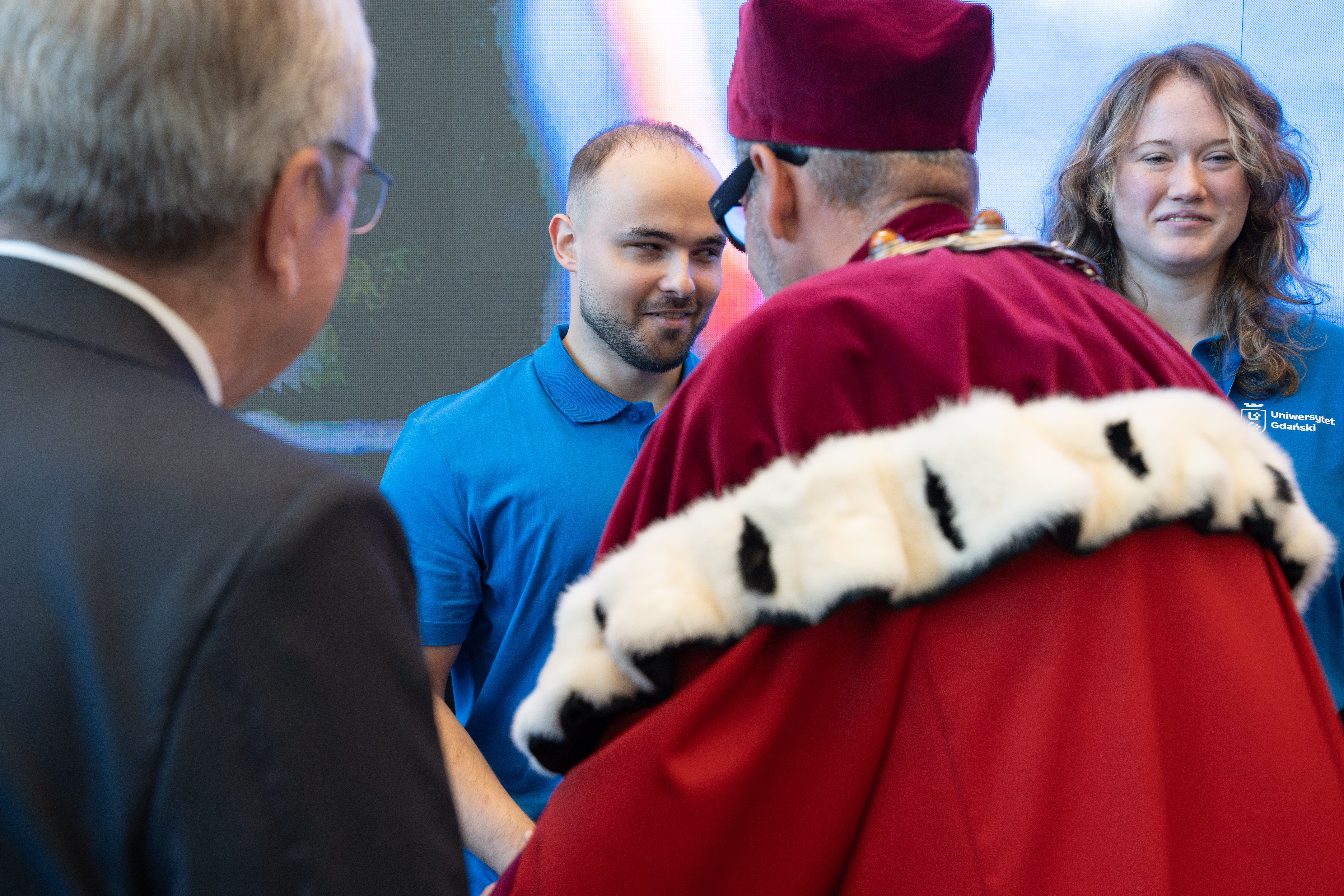
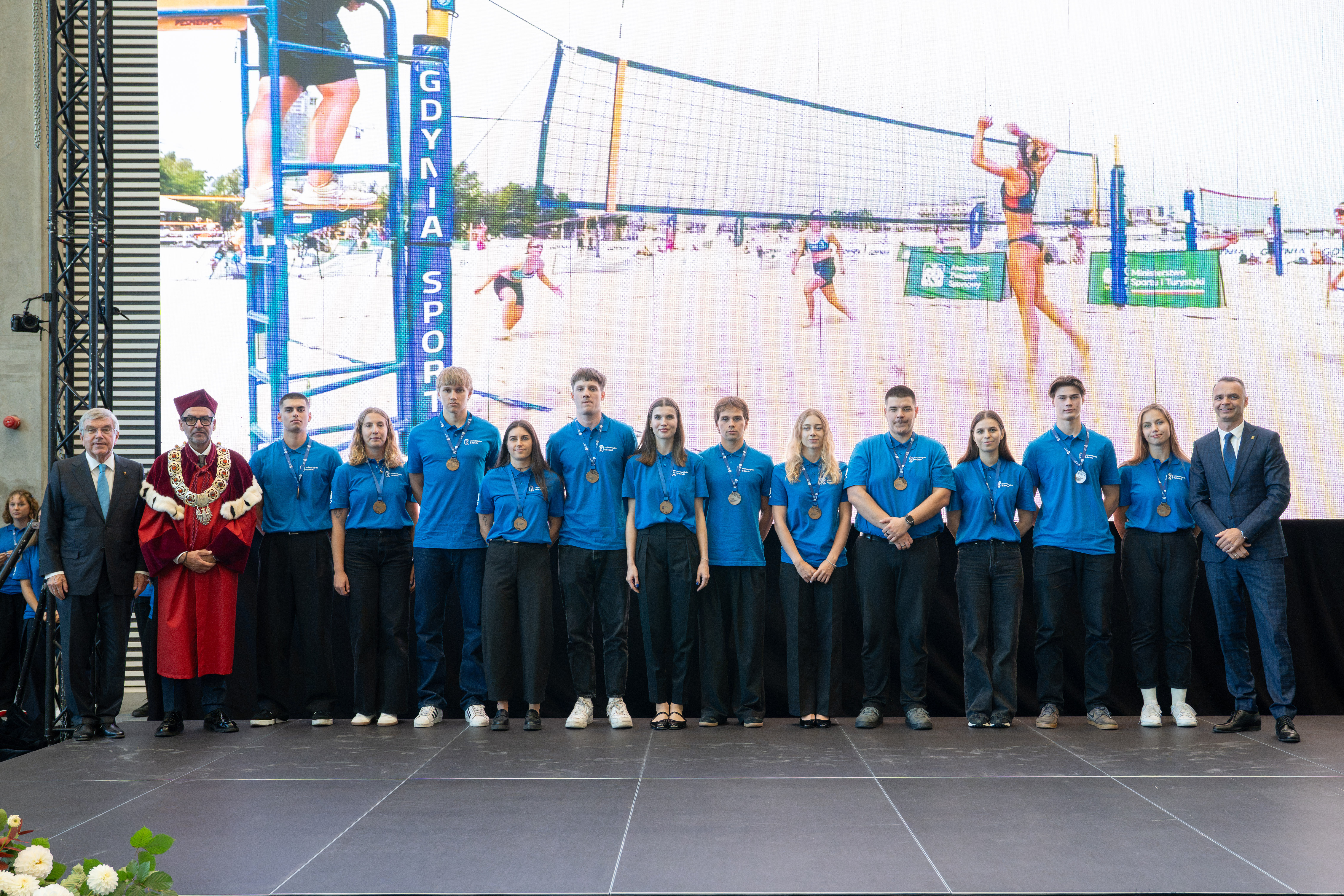
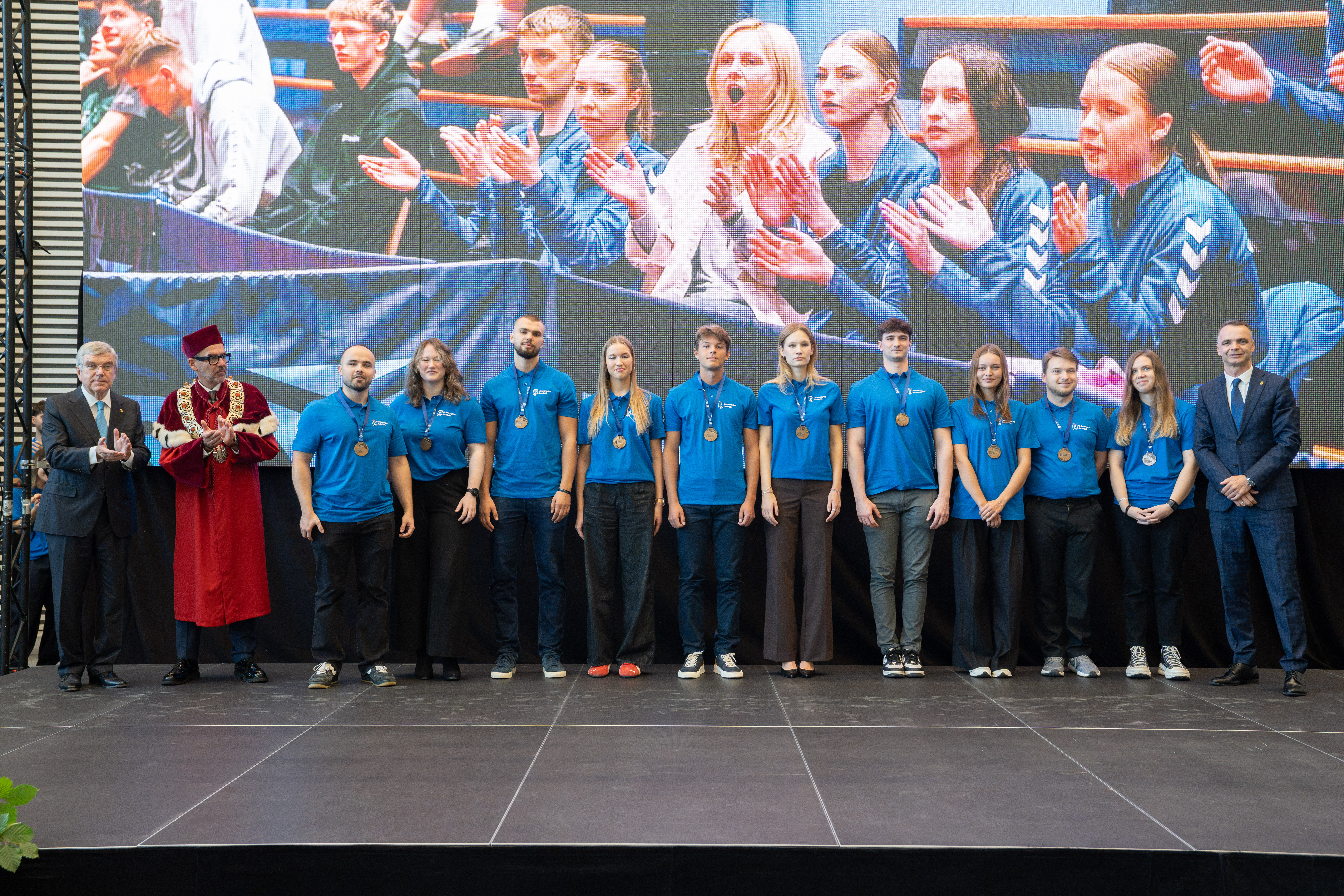
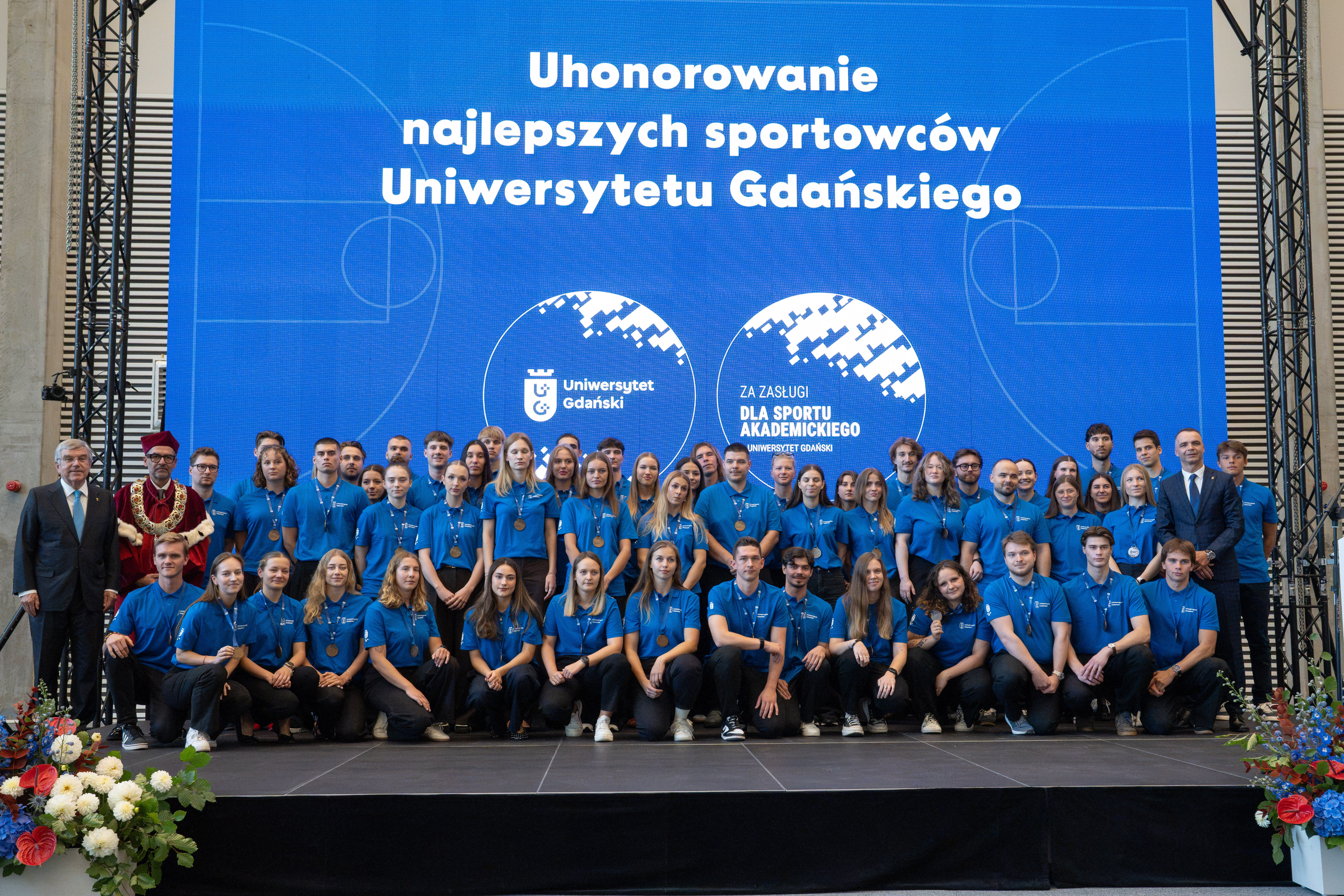
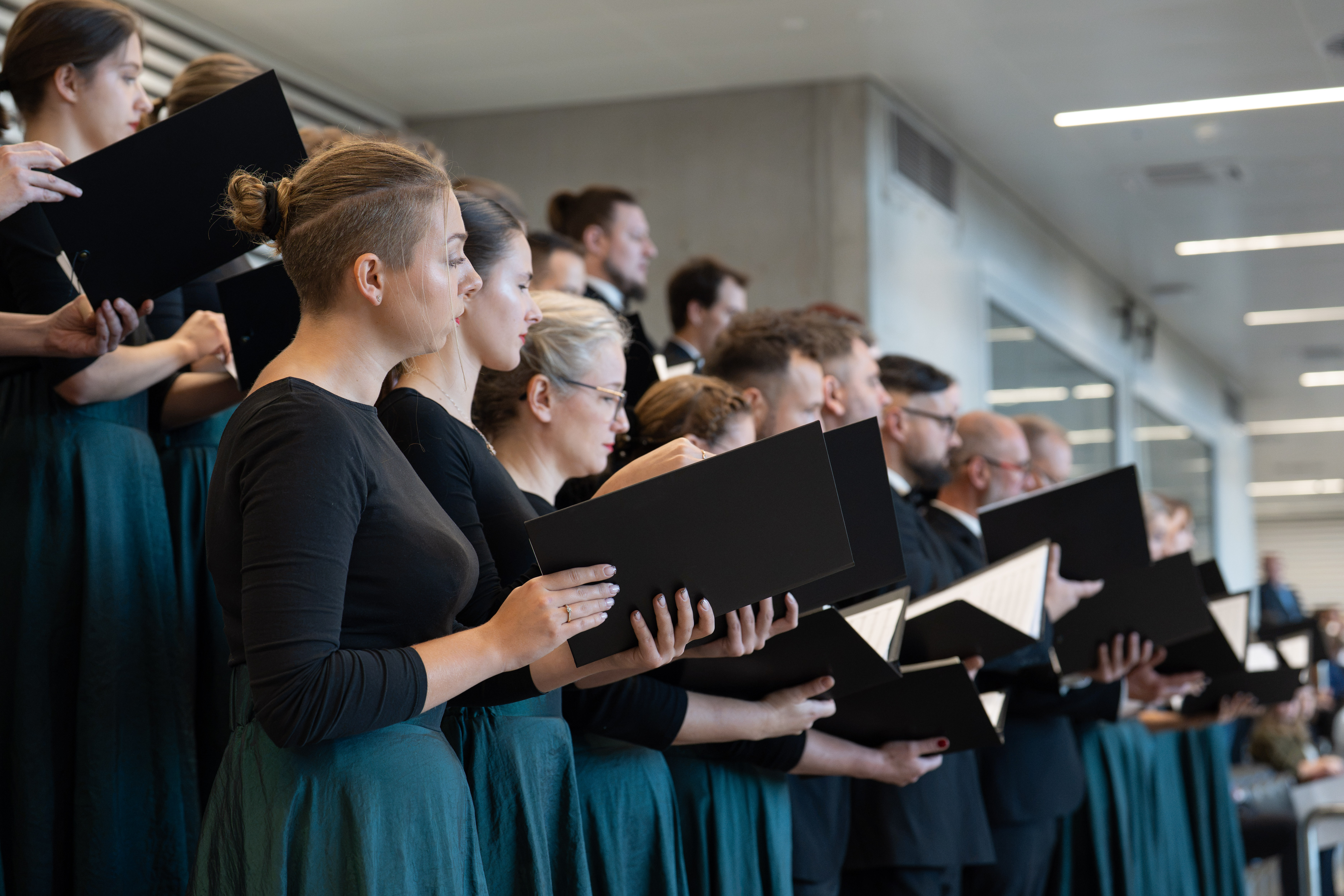
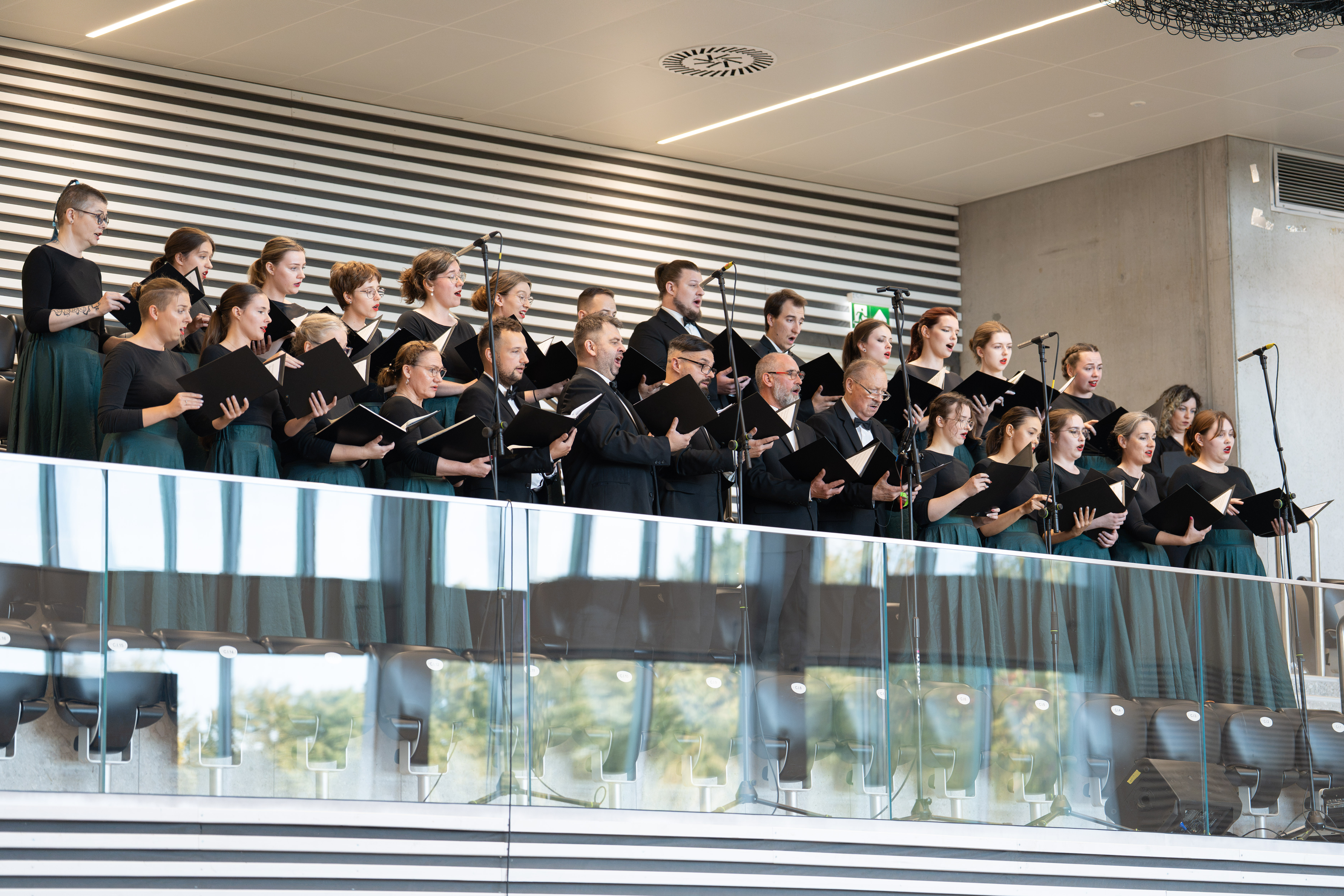
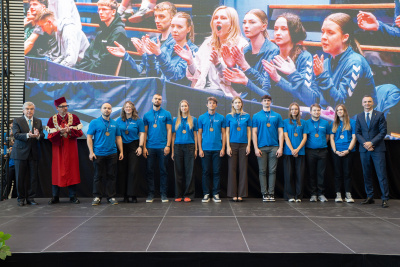
On that day, 56 of the University of Gdańsk’s finest athletes received medals in recognition of their contributions to university sport. This solemn occasion was accompanied by a performance of ‘The Champions’ from the repertoire of Queen, sung by the University of Gdańsk Academic Choir under the direction of prof. Marcin Tomczak.
It is worth noting that for the past four years, athletes from the ASA section have ranked second amongst universities and fourth in the overall standings of the Polish Academic Championships, whilst the women’s volleyball team secured gold in the ASA Academic League. Furthermore, in the 2026/2027 season, five University of Gdańsk teams will compete in this league, whilst the men’s futsal, women’s basketball and women’s volleyball teams have qualified for the national competitions - so we can look forward to further successes from athletes bearing the University of Gdańsk logo on their chests.
I pledge to acquire knowledge and build wisdom
An important part of the inauguration of the academic year is matriculation - the admission of students to the university - combined with a ceremonial pledge.
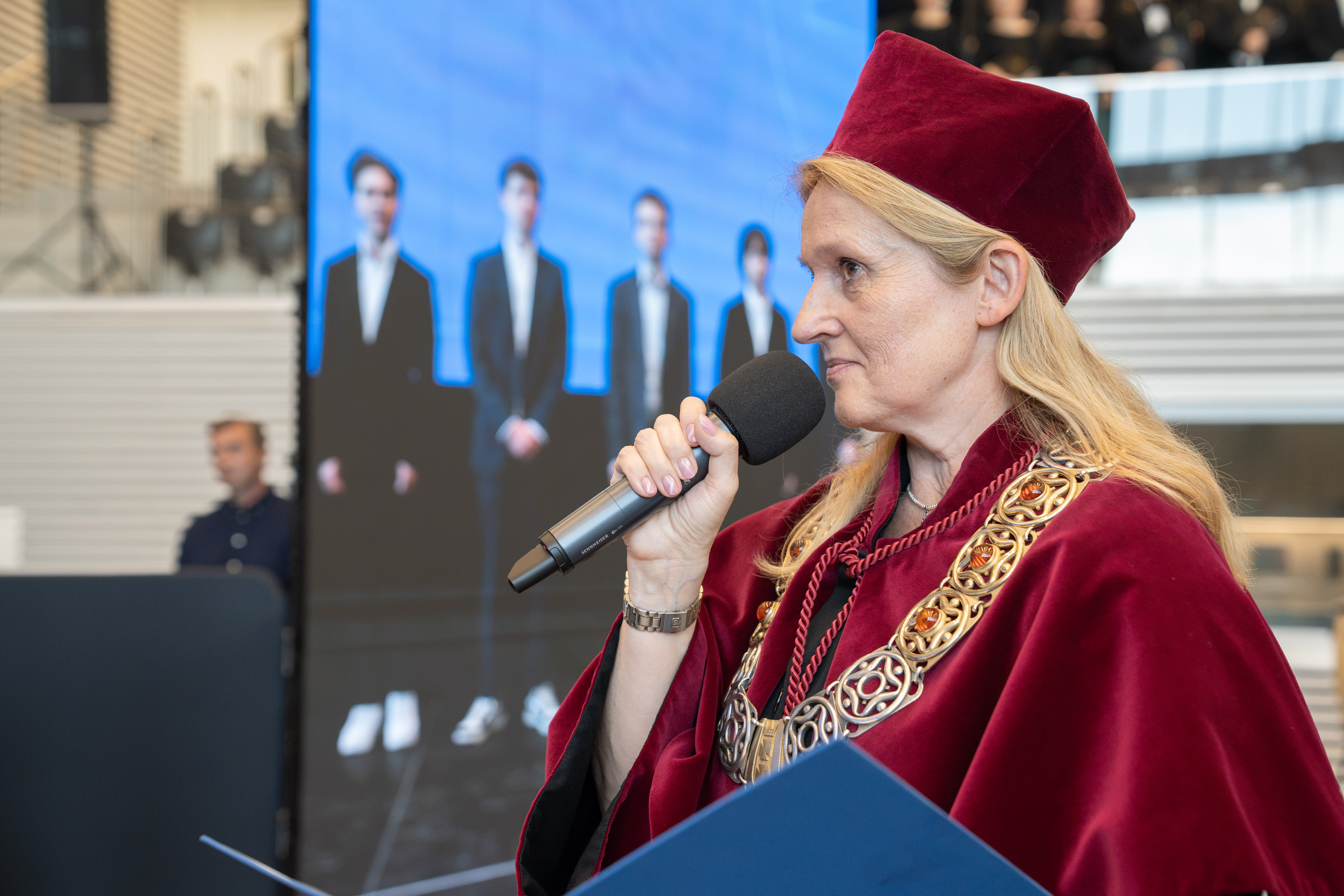
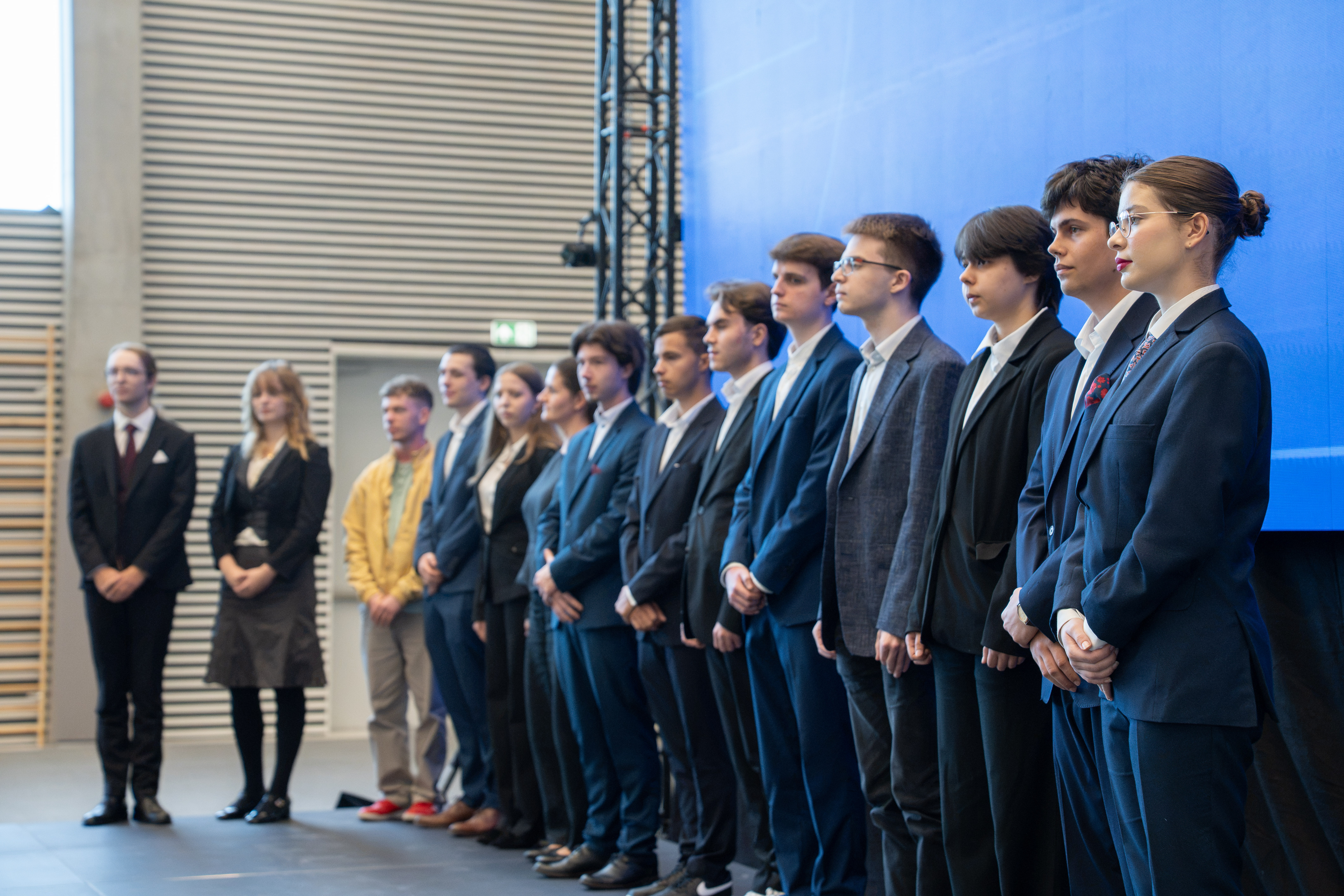
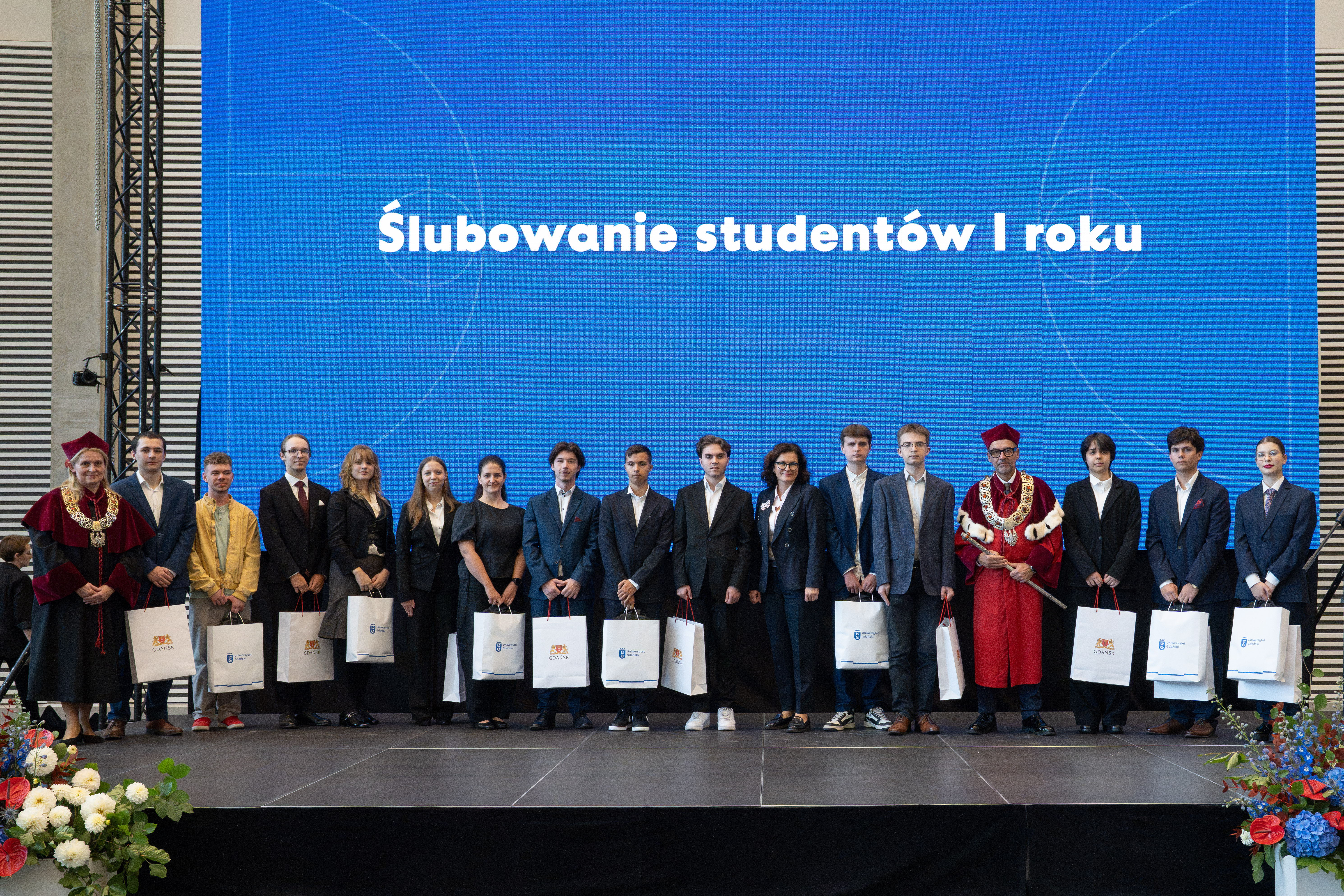
The students who achieved the highest scores in the admissions process at their respective faculties were invited onto the stage to take a solemn oath, marking their induction into the academic community of the University of Gdańsk. This part of the ceremony was led by the Vice-Rector for Student Affairs, dr hab. Urszula Patocka-Sigłowy, prof. UG. ‘Our new sports centre is huge, and I have no doubt that it will hold all the positive emotions and memories that accompany us,' she said.
Addressing the new students, she encouraged them to be open to others: ‘You have become full members of the academic community at the University of Gdańsk. I have no doubt that this will be a time of intellectual adventure for you, and that your studies will provide an opportunity to develop many passions, including a passion for sports. We have the facilities for this, but please remember that university life is, above all, a time for building relationships. Look around you every day. Be mindful and remember that in our shared academic home, no one is alone,’ she added.
The following students took part in the ceremonial oath: Karolina Czerwonka, Michał Brandys, Aleksandra Tarach, Karol Falęcki, Ewa Janisz-Kowalkowska, Remigiusz Przewłocki, Alicja Batóg, Lena Wesołowska, Iga Parkitna, Gabriela Tott and Adam Targowski.
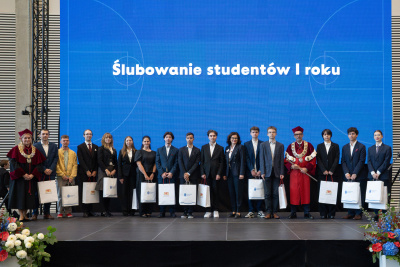
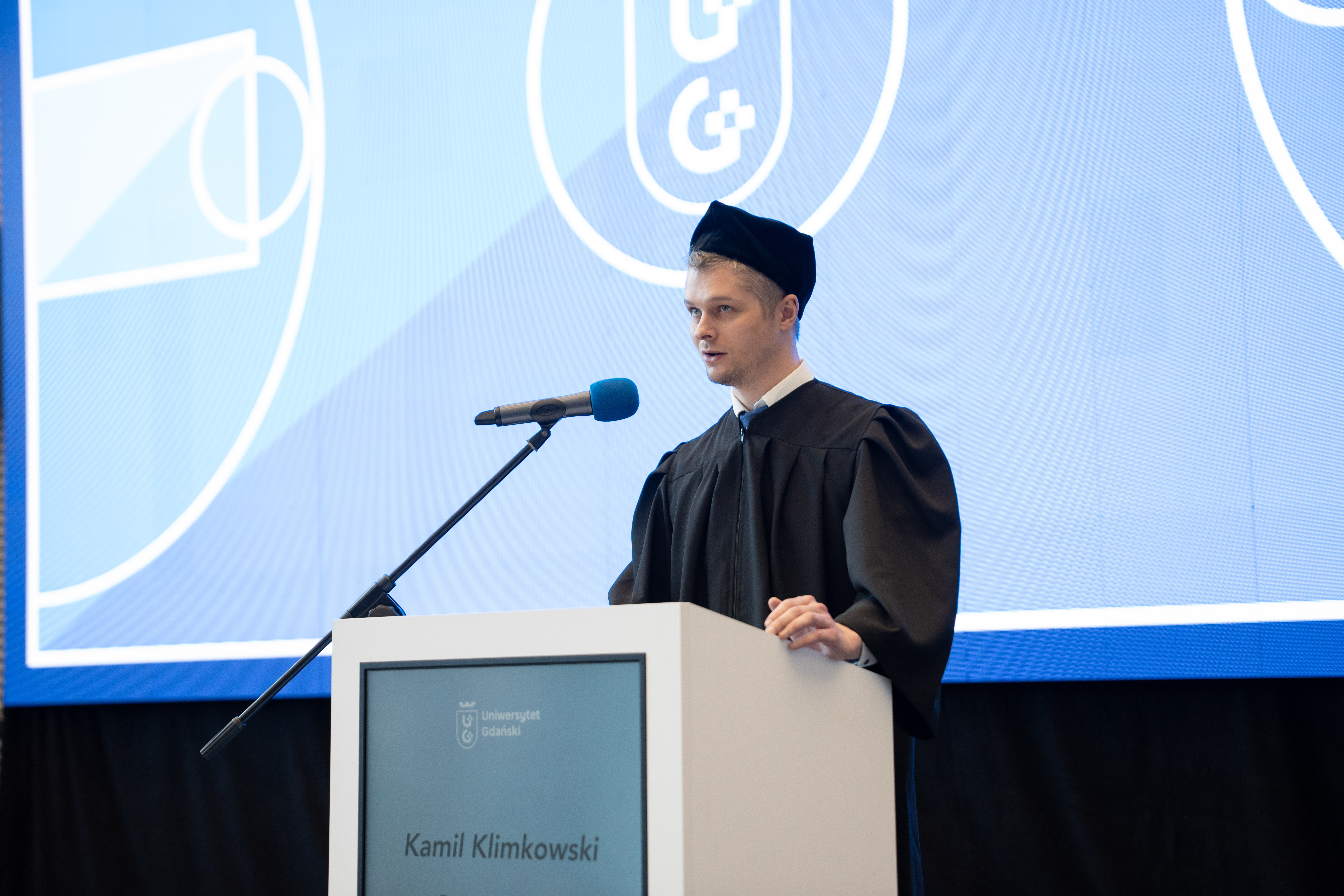
After the singing of ‘Gaudeamus igitur’, Kamil Klimkowski, Chair of the University of Gdańsk Doctoral Students’ Council, took the floor. He outlined various ways to pursue non-academic interests and passions, explained where to find the necessary information, and urged: ‘You are not merely recipients of knowledge. Strive to become part of the society that creates, verifies and passes on this knowledge. It is amongst you that the future researchers, experts, teachers, academics, creators and leaders of social change are to be found.’
Sport as a lesson of life
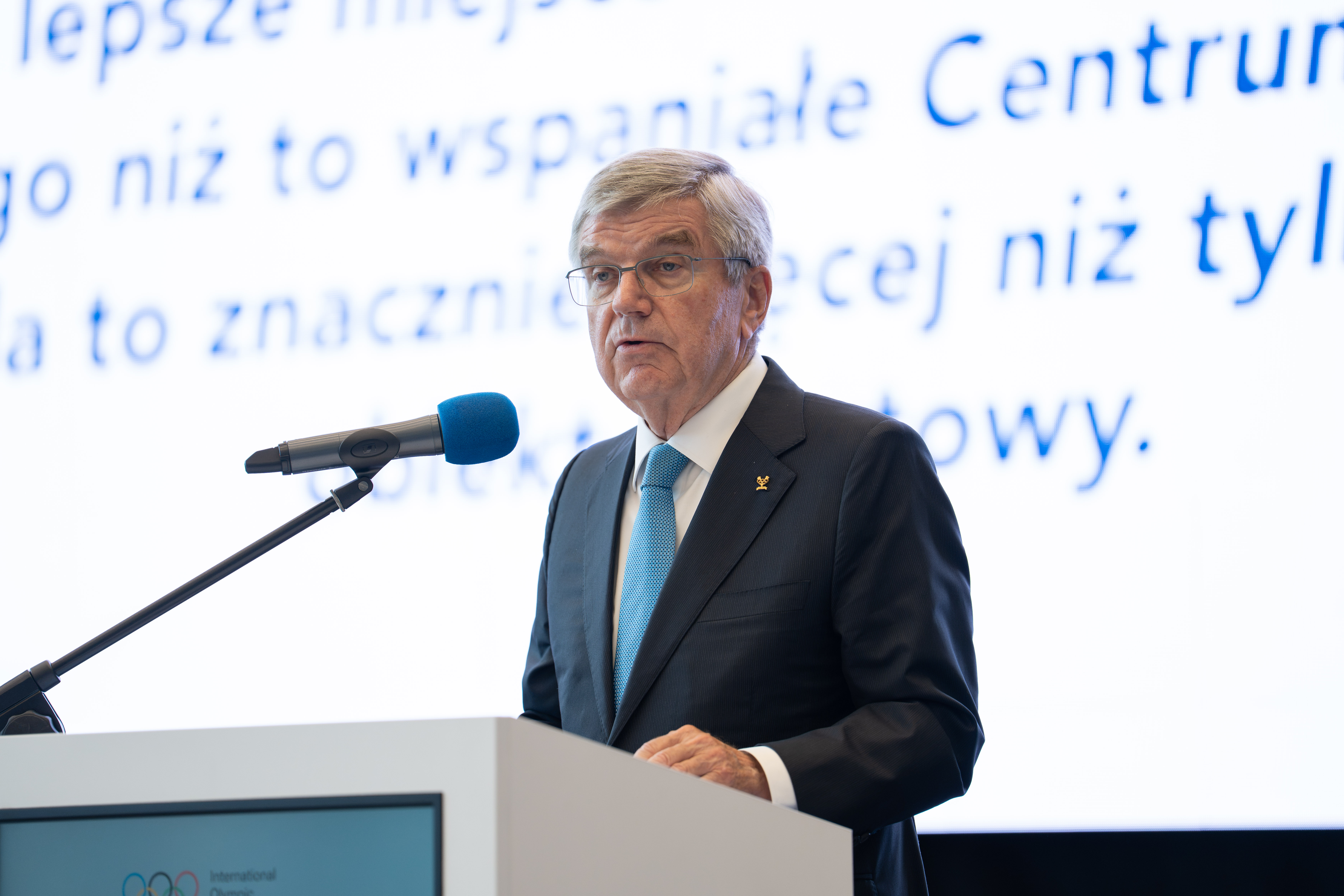
University is not merely a place for acquiring knowledge. It is also a space for personal development, character-building and learning to work together. Sport fits perfectly into this mission - it can be a break from studying, but also a school of values. Dr Thomas Bach, Honorary President of the International Olympic Committee and doctor honoris causa UG in 2019, spoke about this during his inaugural lecture. ‘Sport does not merely benefit the body and mind. It also has exceptional educational power. In sport, values are not merely something we learn about. In sport, we live by these values,’ he emphasised.
‘No athlete is able to fully realise their potential by acting alone. We need coaches. We need team-mates. We need rivals. We need people who set challenges for us and help us to become better. The same applies to academic life. Academic excellence is not achieved in isolation,’ he said.
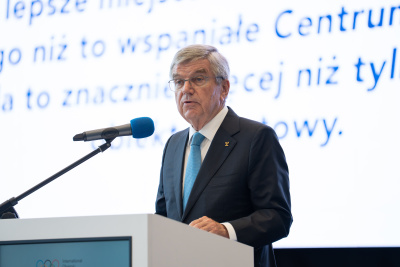
He also addressed the students: ‘Strive for excellence in everything you do. Work hard. Be disciplined. Follow your passion. And when you face setbacks, learn from them and come back stronger. At the same time, remain curious and open-minded towards others. Listen to different points of view. Allow others to challenge your beliefs and broaden your horizons. In this way, you will be able to apply the values that guide us in sport to your academic and social lives - and become role models for others.’
To conclude the ceremonial meeting of the University of Gdańsk Senate, the University of Gdańsk Academic Choir prepared a special programme in the spirit of sport and the Olympic Games. Under the baton of prof. Marcin Tomczak, the choir performed Vangelis’s ‘Conquest of Paradise’ - from the film recounting Christopher Columbus’s voyage and his conquest of the Americas - as well as an excerpt from ‘O Fortuna’ from Carl Orff’s ‘Carmina Burana’. ‘This is a piece that reminds us that fate rules the world, and may good fortune favour the University and all of us gathered here today,’ said the conductor, prof. Marcin Tomczak.
The Rector, closing the ceremonial meeting of the University of Gdańsk Senate, did not hide his emotions: ‘I am overjoyed. This is one of the most beautiful days of my life, when we can celebrate here with you the great spirit of academic sport at the University of Gdańsk, which has finally found a home of its own.’