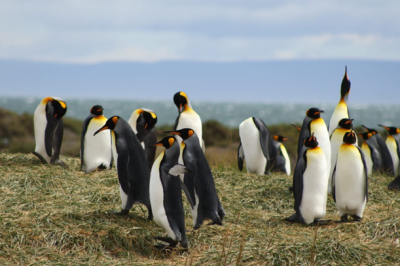
Kinga Hoszek-Mandera, a student at the University of Gdańsk, and Esther Wilhelm, a student at the University of Algarve, have begun a two-month research internship in Antarctica as part of the ICEPACT project (funded by the NAWA Strategic Partnerships programme)! The interns have safely arrived on Nelson Island, where, under the supervision of scientists from INACH (Instituto Antártico Chileno), mainly dr Lucas Krüger, they will study selected species of seabirds. At the same time, at the beginning of December, three students - Feliksa Żurawska and Roksana Malec from the University of Gdańsk and Pedro Ferrara Pires da Rocha from the University of Algarve - returned from an internship at INACH in Punta Arenas (Chile), during which they learned advanced methods of conducting research on bird populations and the secrets of preparing Antarctic expeditions.
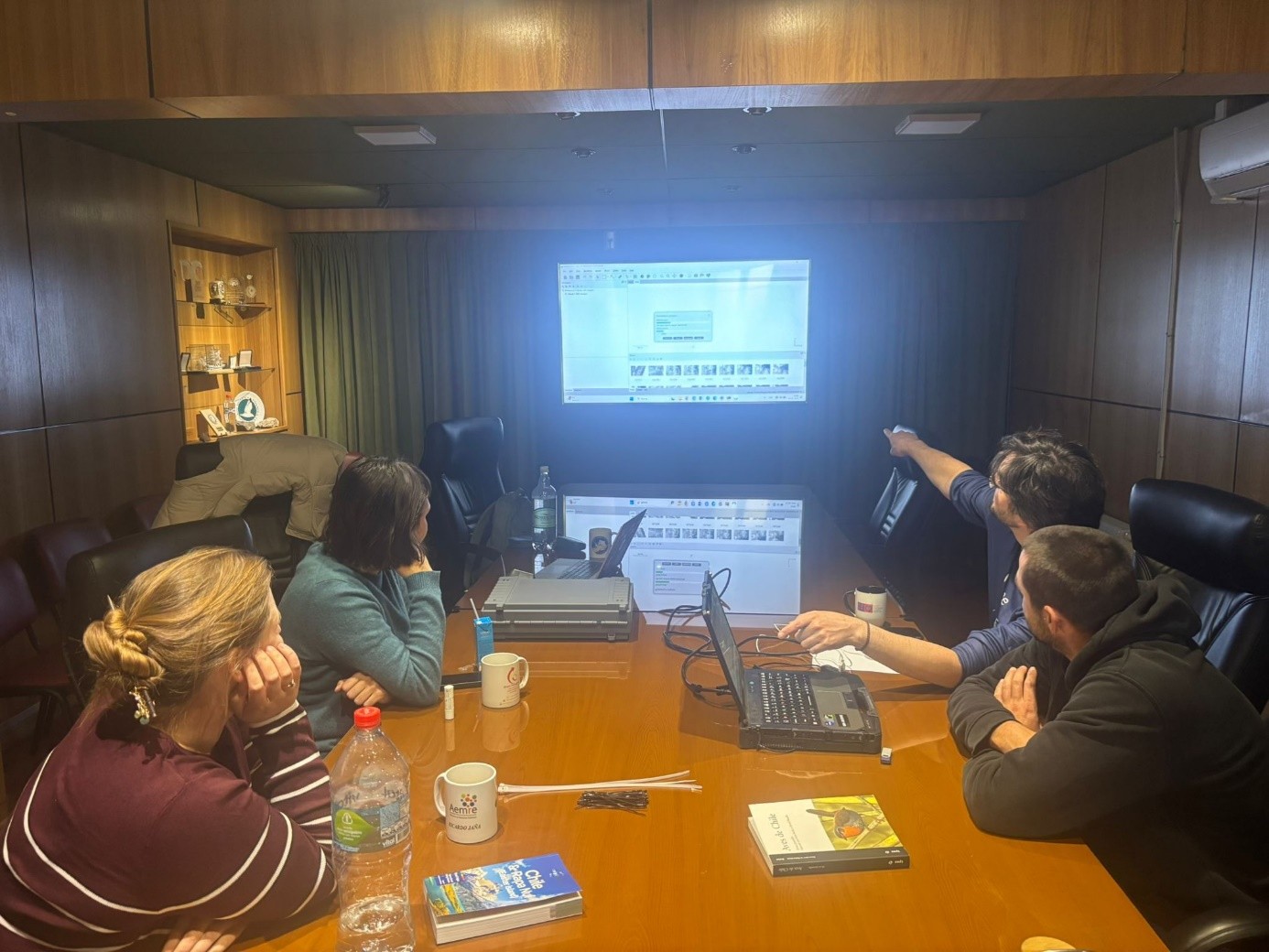
The past few months have been rich in activities related to student internships carried out within the ICEPACT project. In November, for three weeks under the guidance of specialists from INACH (Instituto Antártico Chileno), our interns:
- learned how to attach geolocators and various types of trackers to birds,
- became familiar with the differences between different types of devices,
- learned how to download and analyse data to better understand seabird migrations,
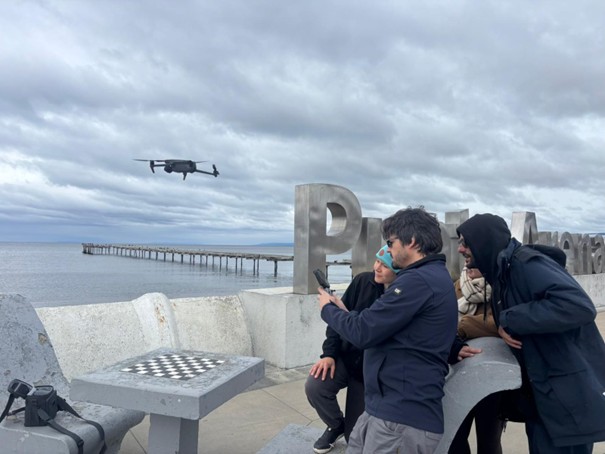
- received training in drone piloting and the analysis of aerial imagery used to study bird colonies,
- learned the details of preparing Antarctic expeditions - from logistics to safety procedures,
- participated in lectures on Marine Protected Areas (MPAs), Specially Managed Areas of Antarctica (ASMA), Specially Protected Areas of Antarctica (ASPA), and other effective methods of Antarctic conservation,
- were also introduced to oceanographic research systems (including modern technologies such as gliders) and the basics of Antarctic palaeontology.
The lectures for the interns were given by specialists from INACH: dr Francisco Santa Cruz, dr Lorena Rebolledo, dr Luis Caro Lara, dr Cristina Trevisan, dr Lucas Krüger, dr Rodolfo Rondón and dr Alejandro Fuentes. The students are very grateful to them for their time, the knowledge they shared in an extremely interesting way, and their willingness to share their experience.
In their free time, the interns visited unusual places in Patagonia, discovering its wild nature and unique landscapes.
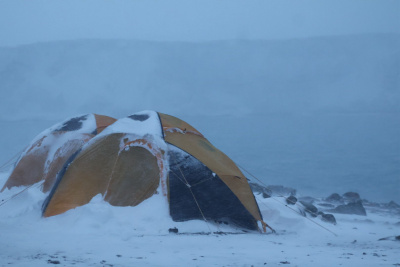
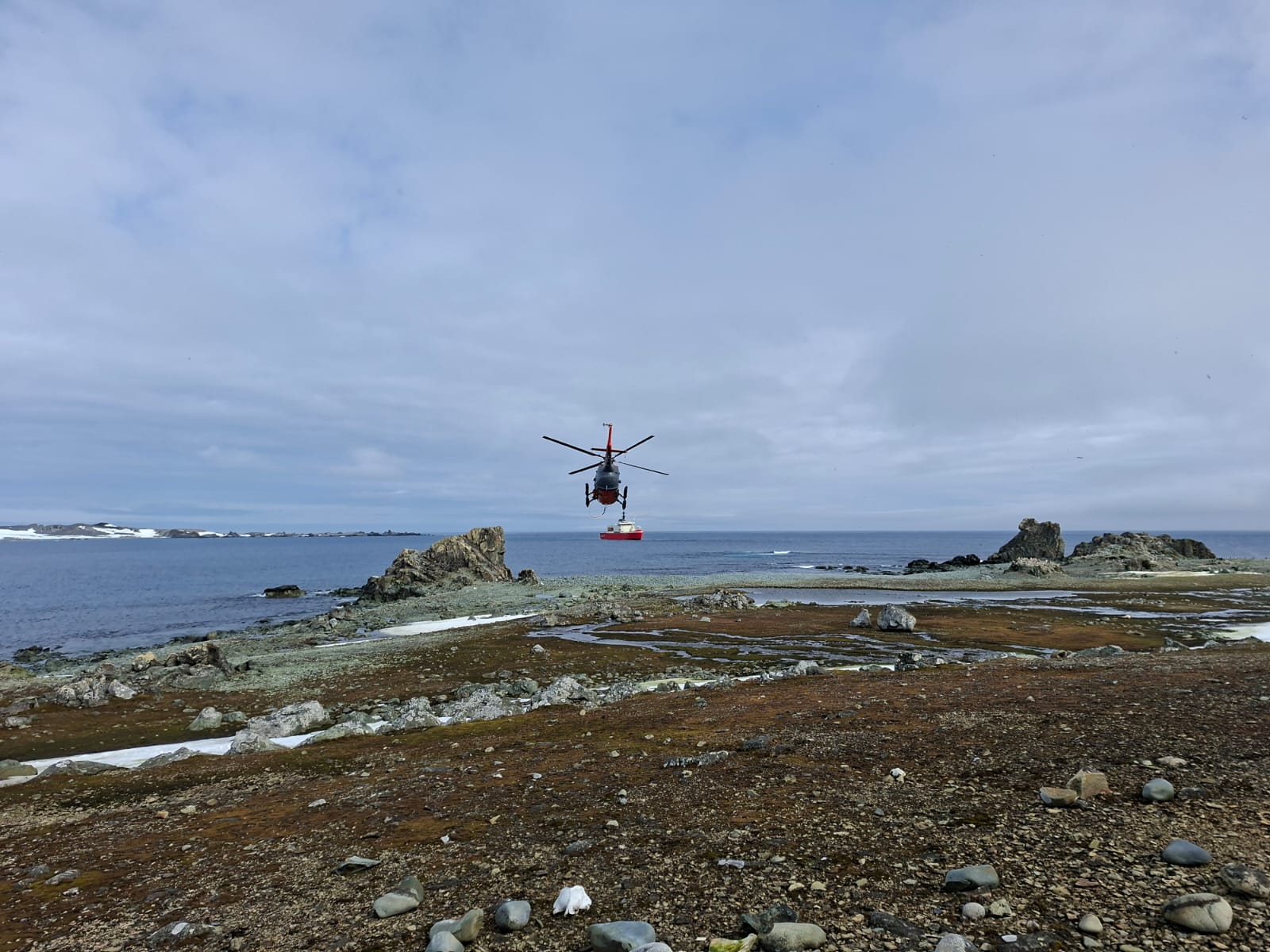
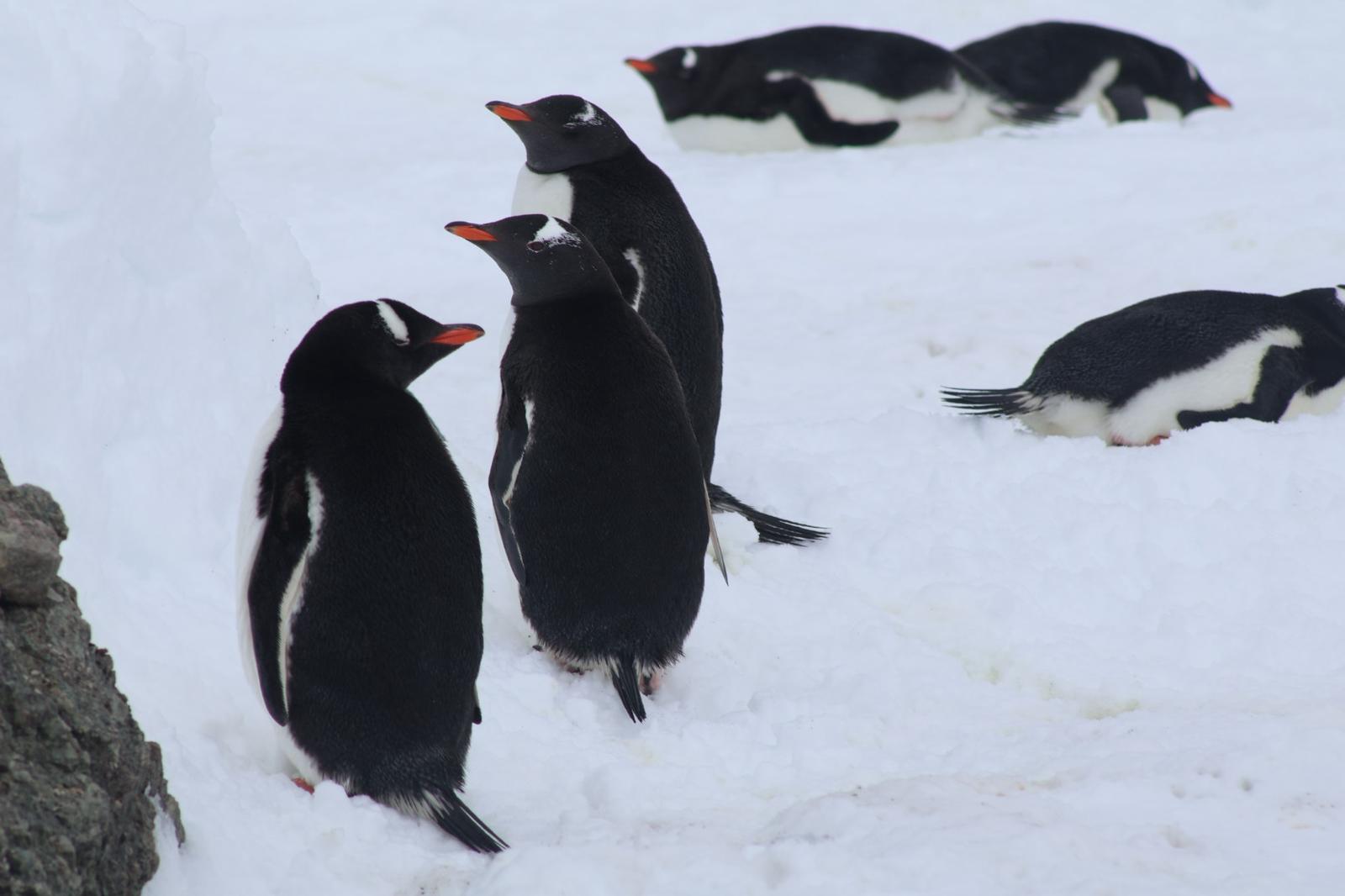
In December, also as part of the ICEPACT project, two students from SEA-EU universities went on a research internship to Antarctica. Their current research base (which they had to prepare themselves, together with scientists from INACH!) is located at Harmony Point on Nelson Island. It is an Antarctic Specially Protected Area (ASPA) established in the 1990s due to the presence of many colonies of various seabirds. Harmony Point is one of the most diverse and best-preserved breeding sites in the region. There are 12 species of seabirds here, the most numerous of which are the white-browed penguin, the chinstrap penguin and the Antarctic petrel. One of the aims of the research is to strengthen the protection of these species.
We encourage you to watch a video on Facebook in which dr Lucas Krüger, the main scientific supervisor of our interns, talks about Harmony Point.
For the latest news from Antarctica, follow the ICEPACT project on Facebook and Instagram:
https://www.facebook.com/profile.php?id=61580243517620
https://www.instagram.com/icepact2025?igsh=NjMzbzM0ZWt0em15
All photos and videos were taken by participants of internships at INACH and in Antarctica.