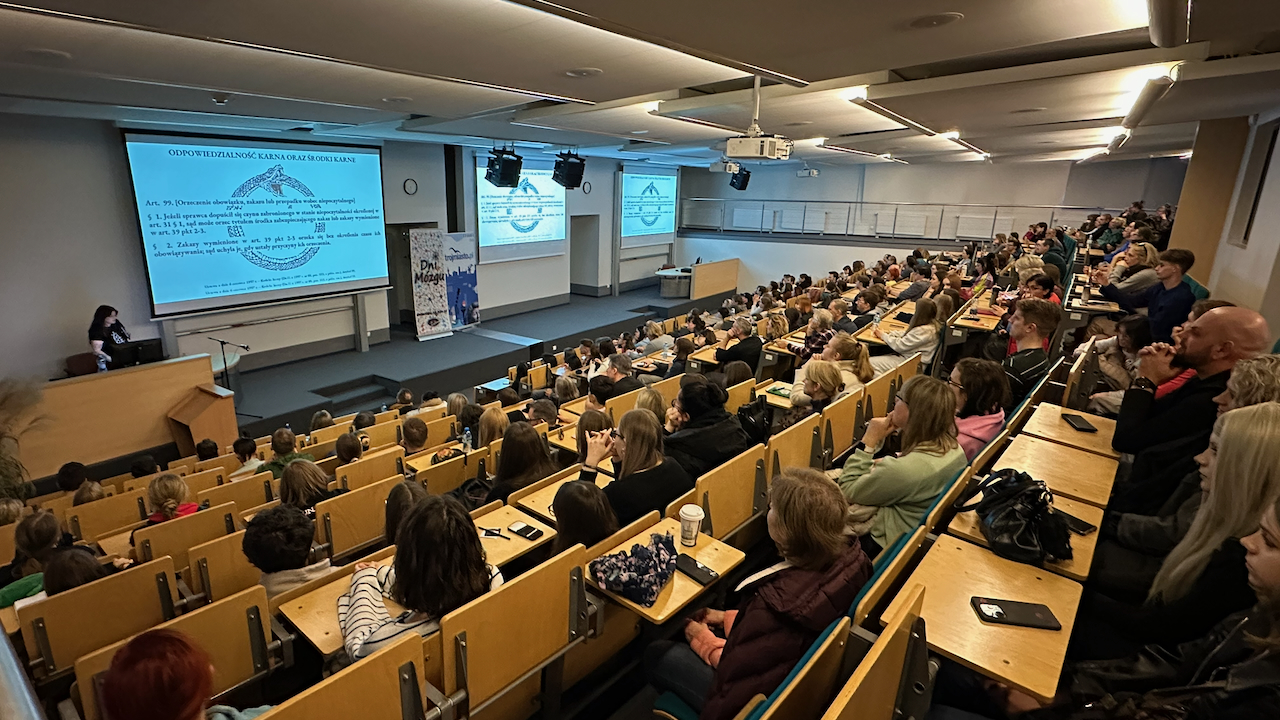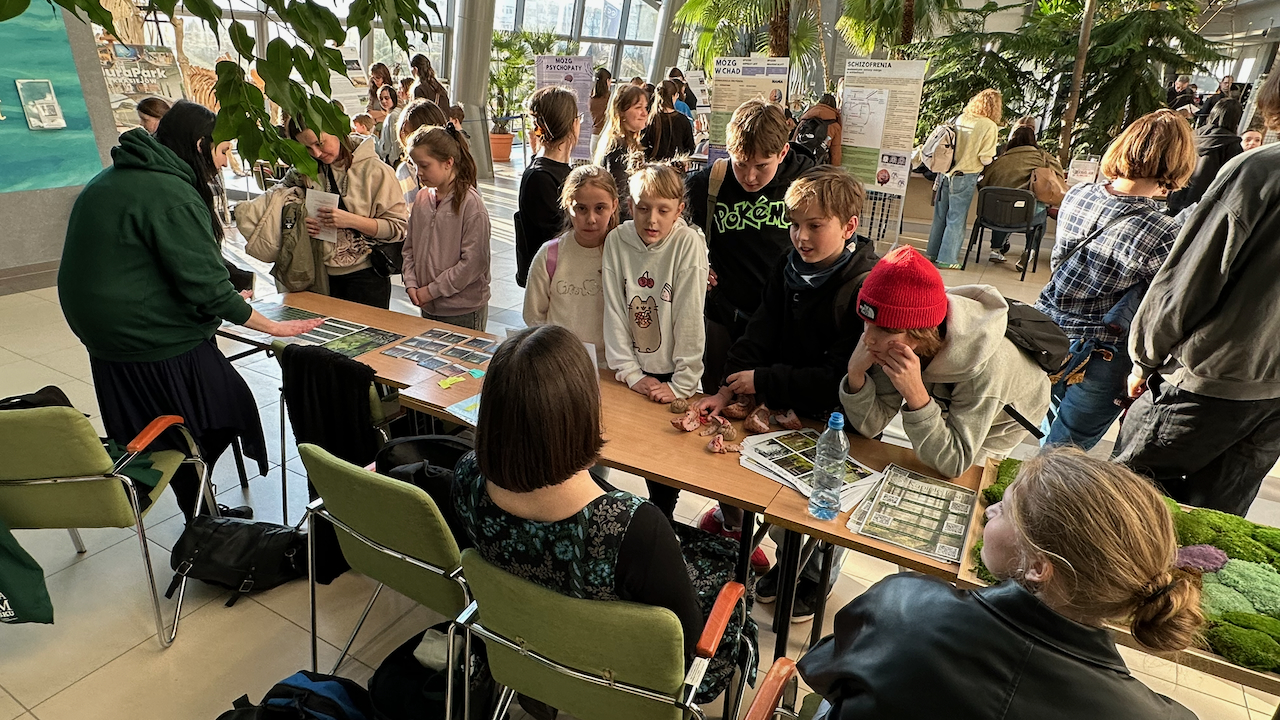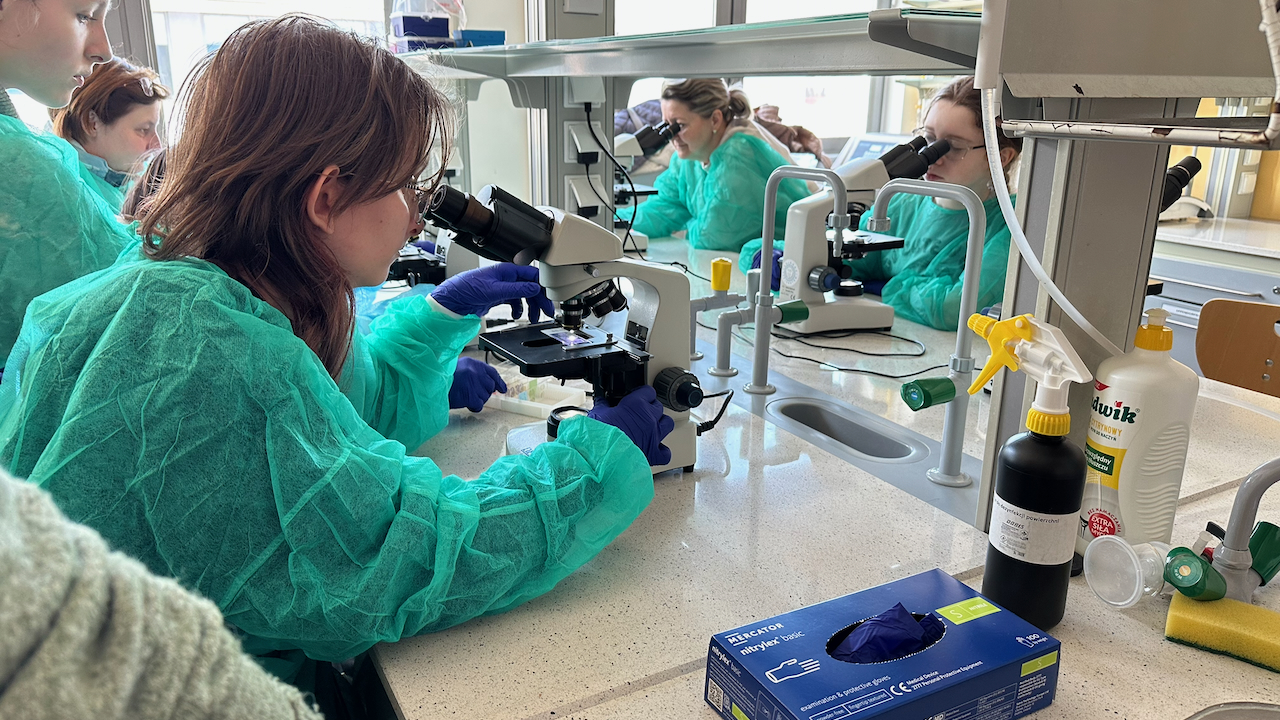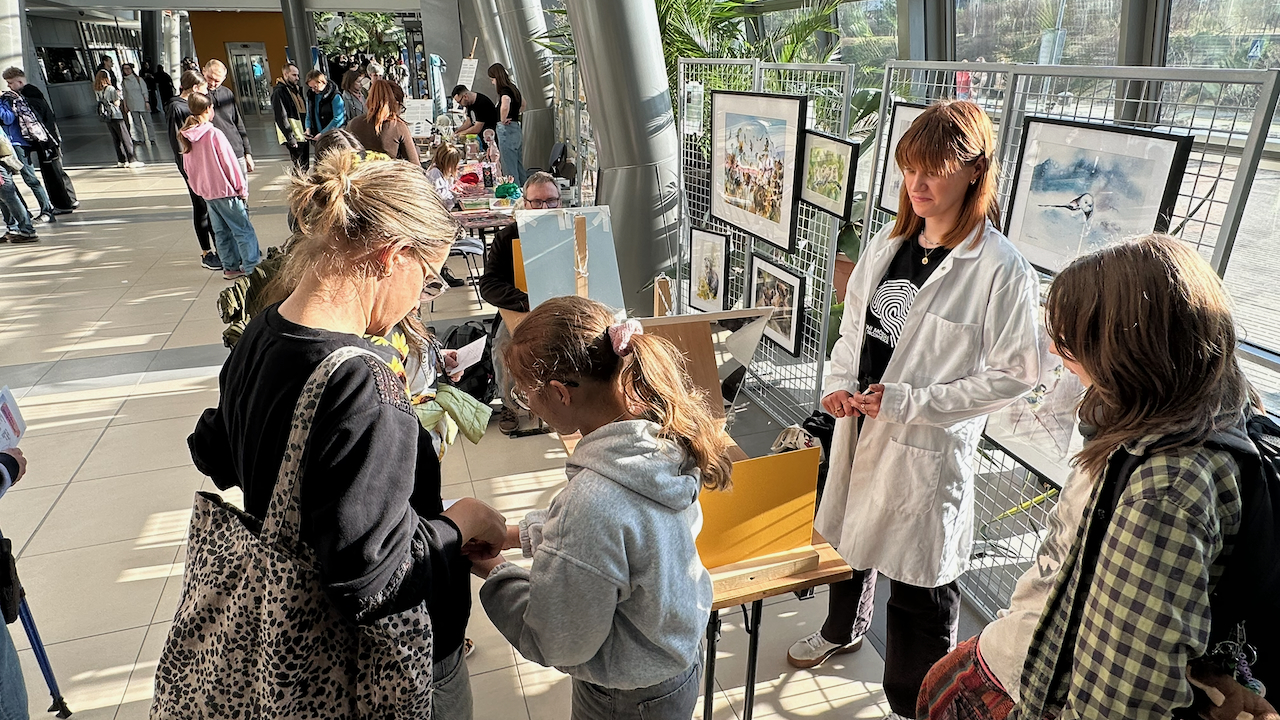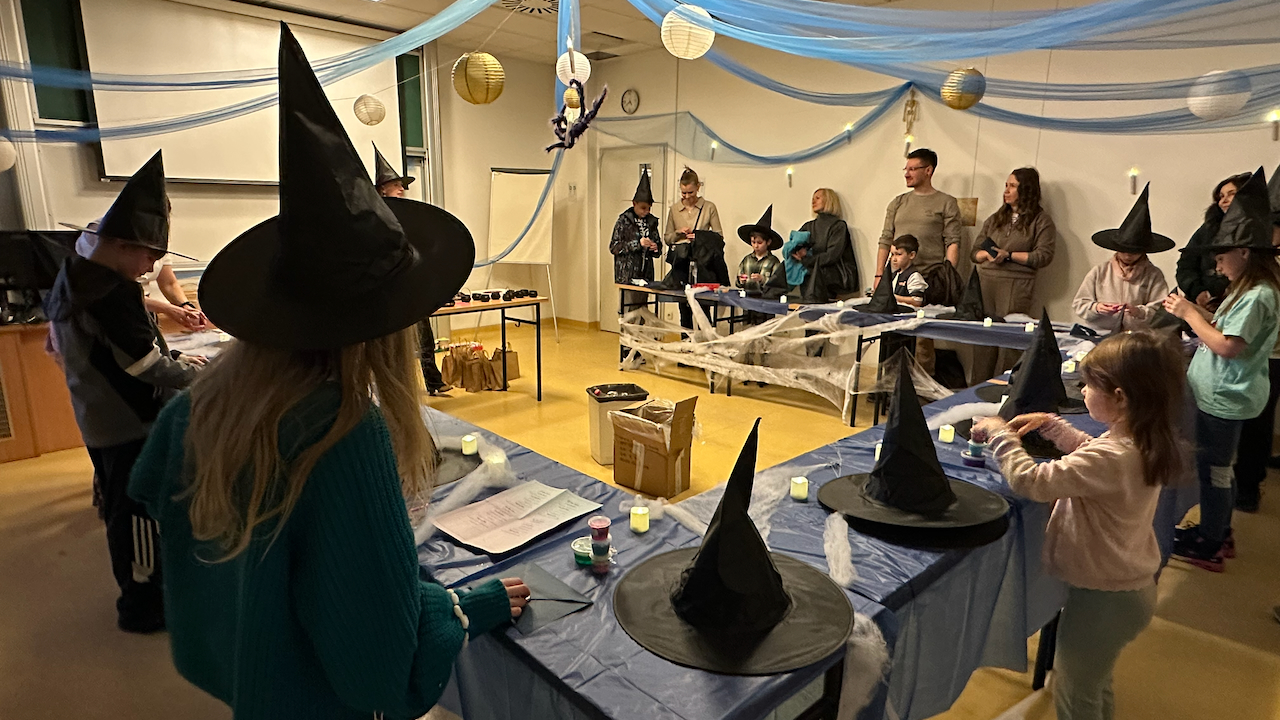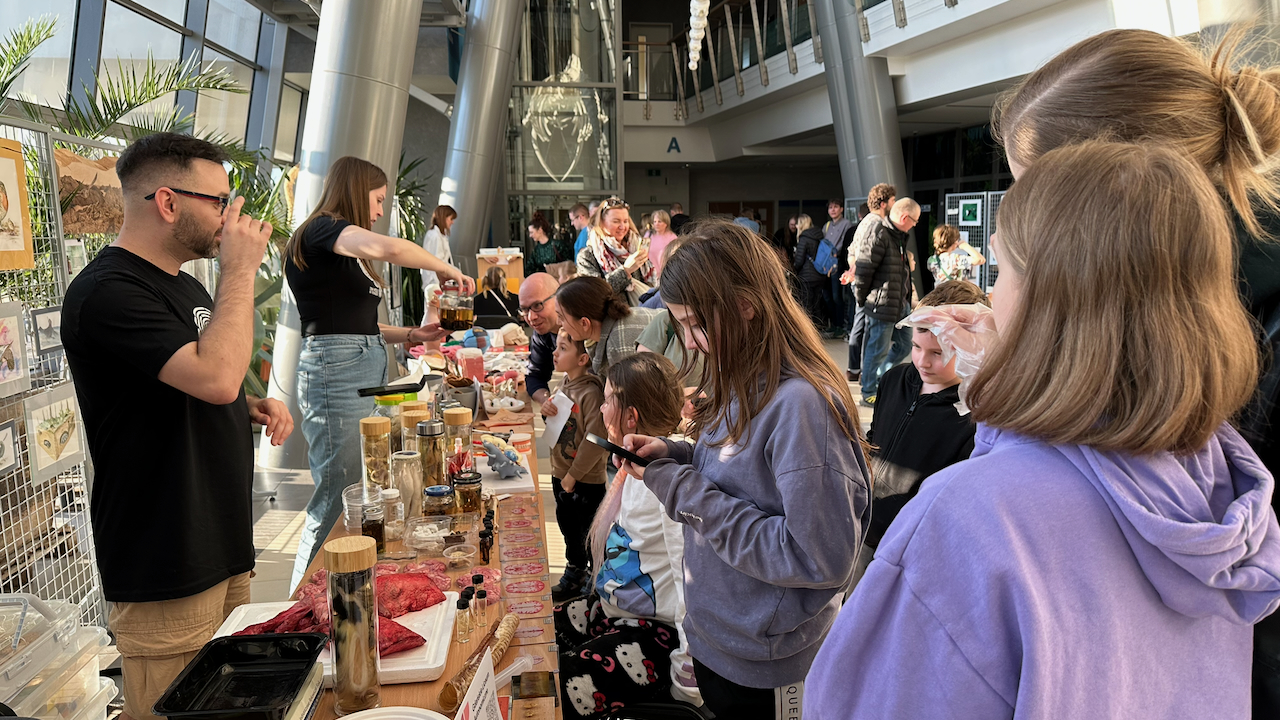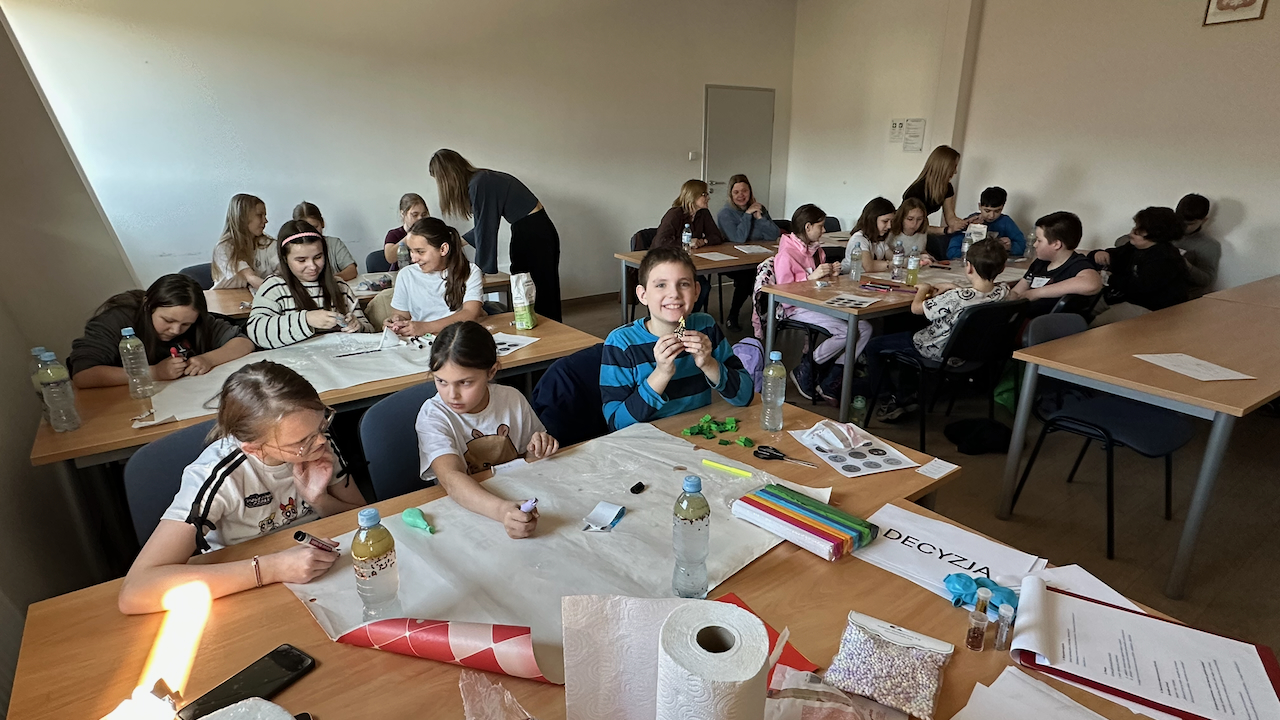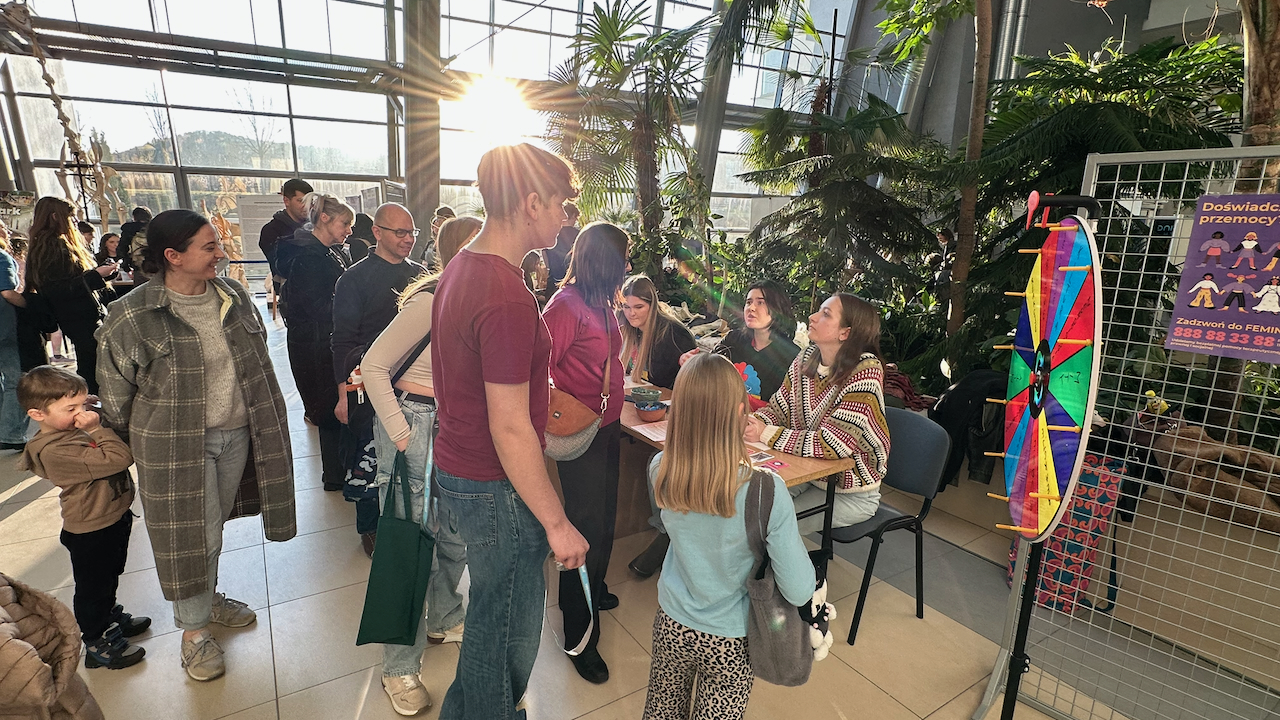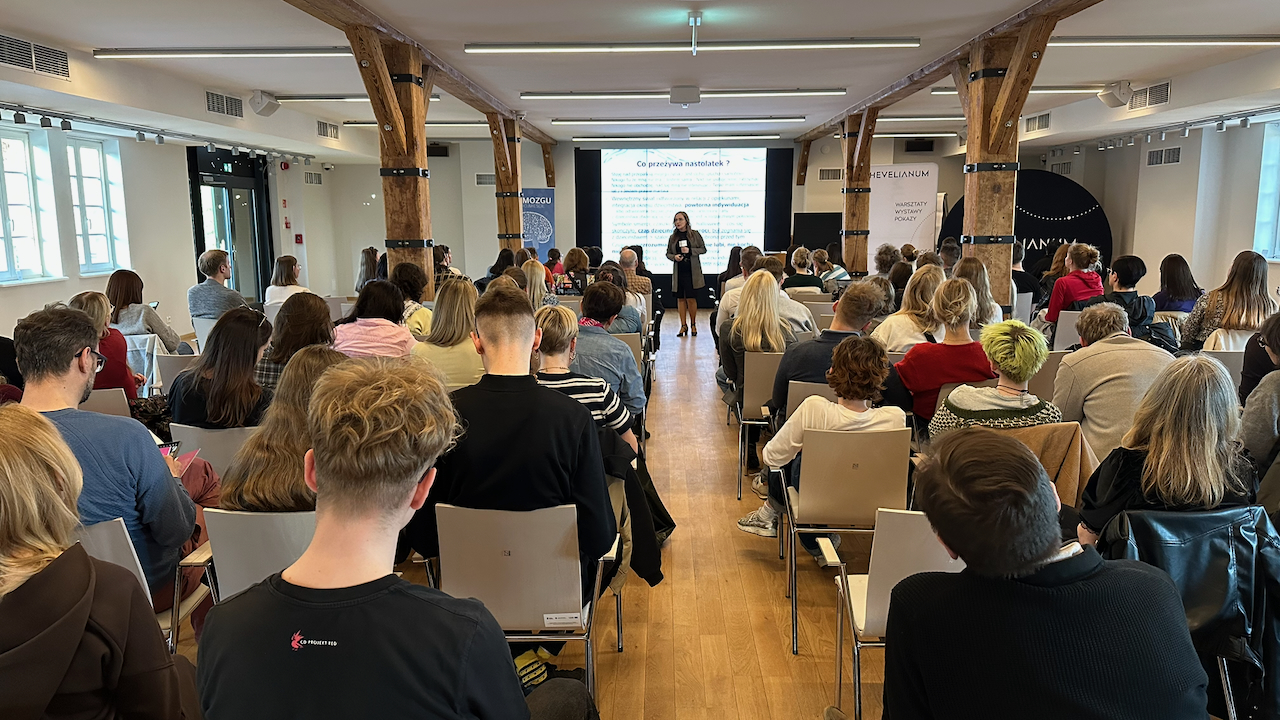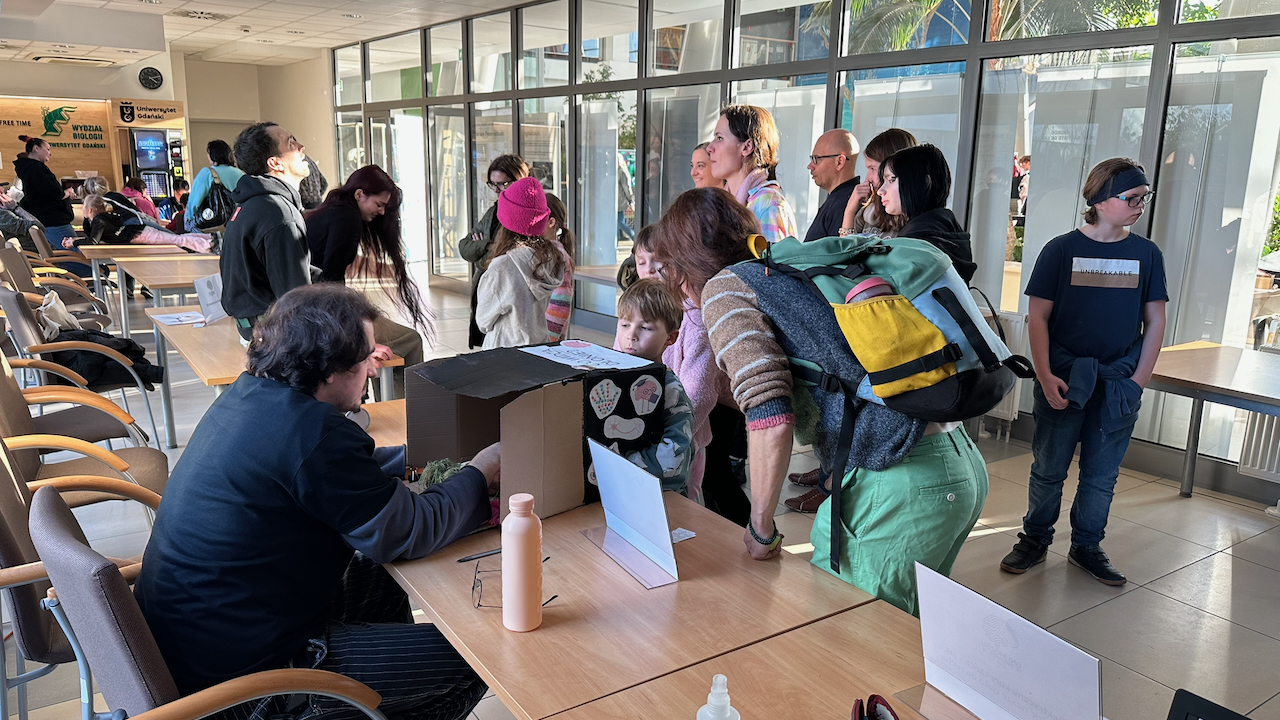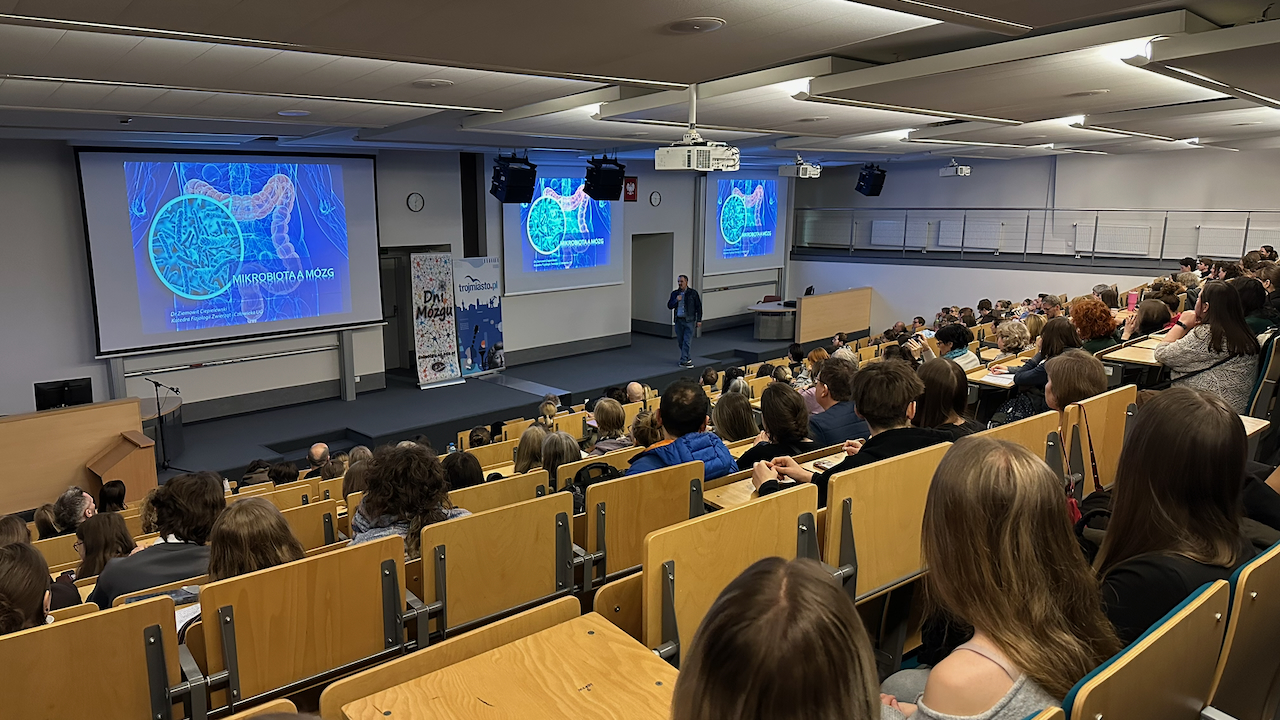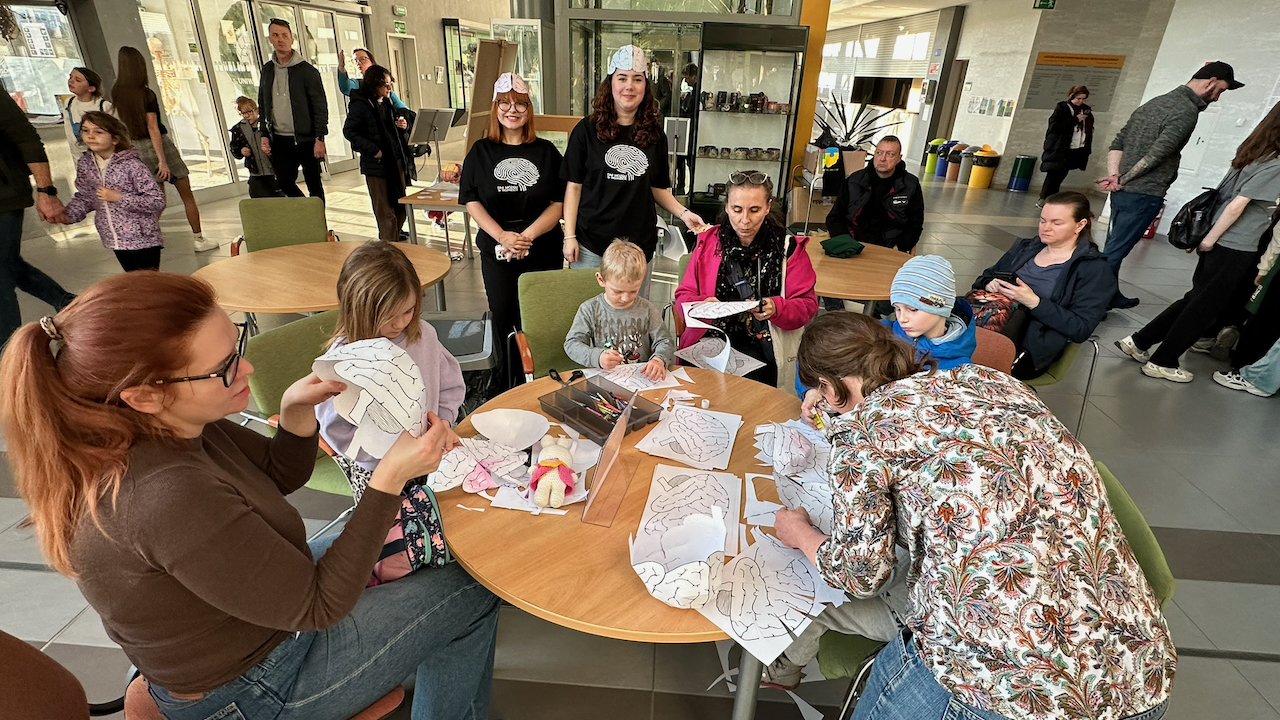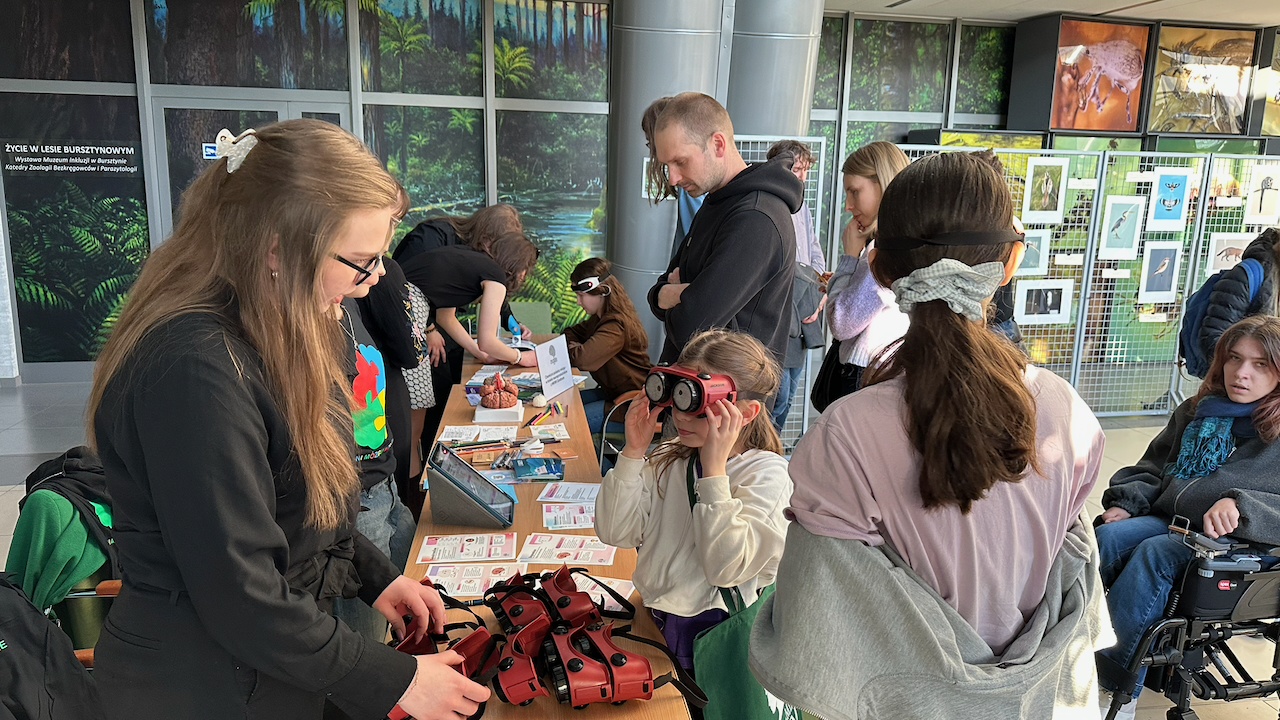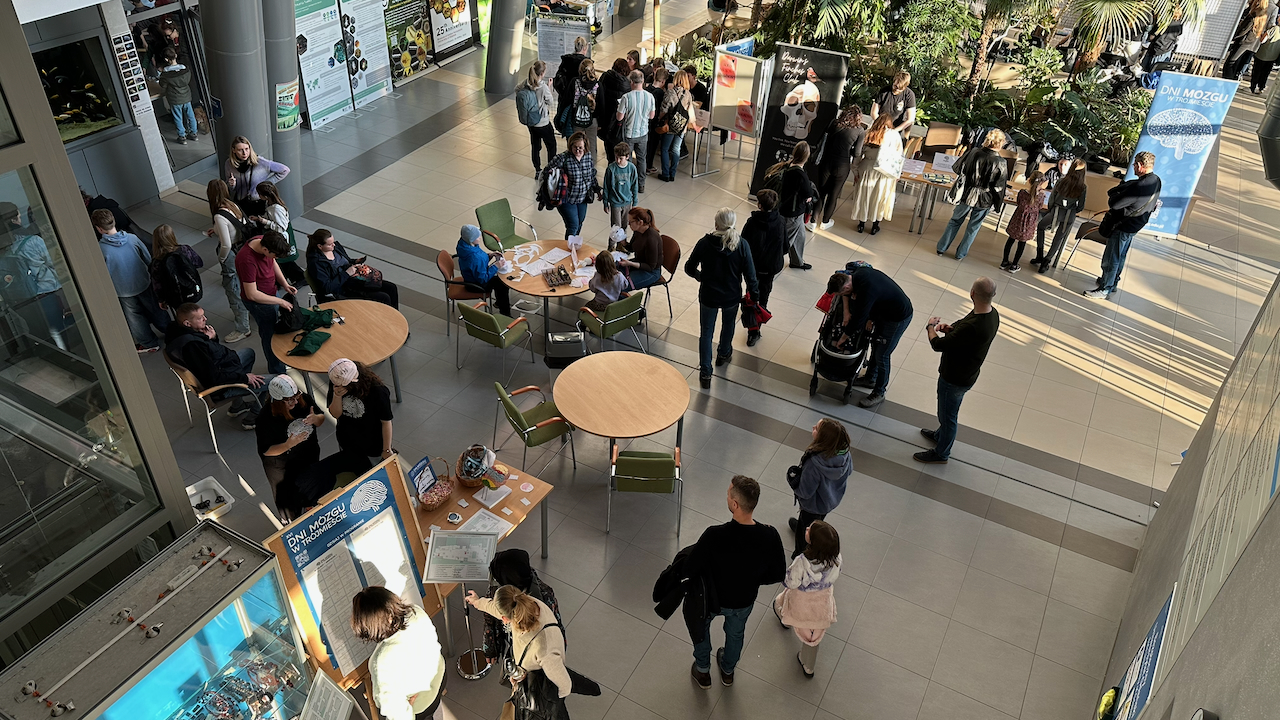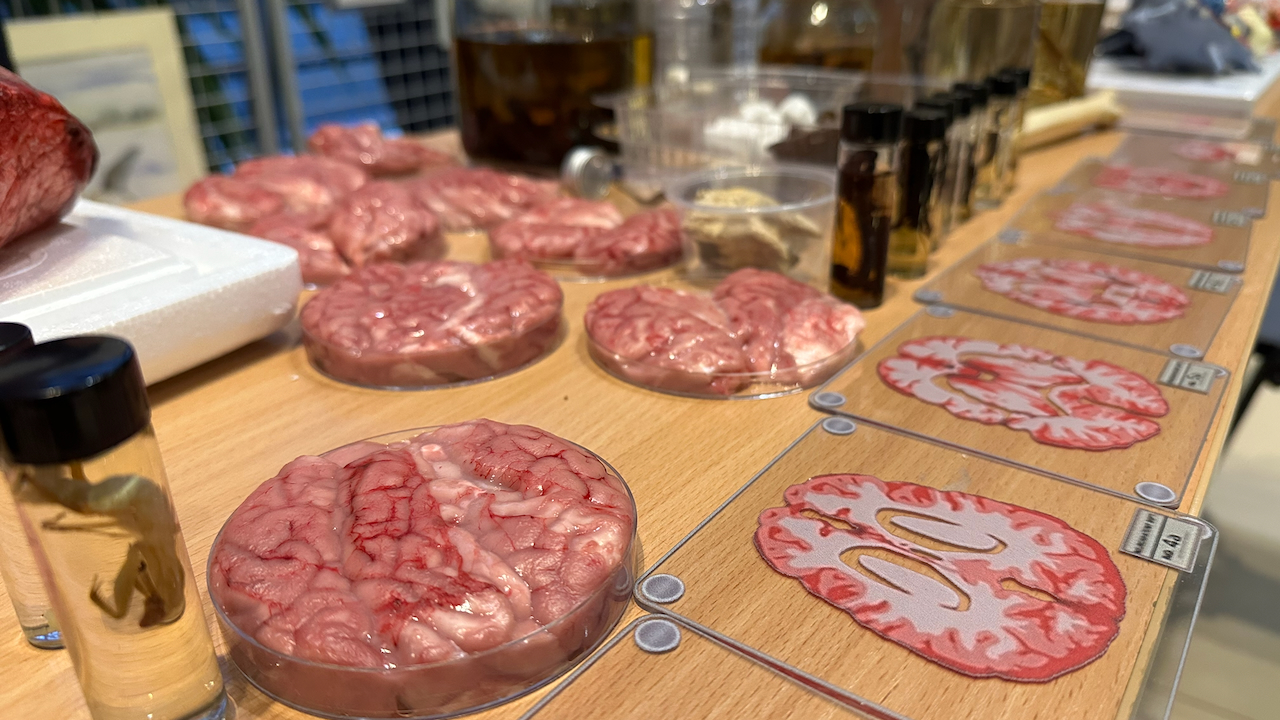
Seven days of lectures, workshops and laboratory demonstrations, educational stands, nearly 150 hours of activities organised by 120 people, and over 3,000 visitors - the 16th edition of Brain Days in the Tricity came to an end on Sunday. During this time, children, young people and adults were able to take part in numerous - and varied! - events at the Faculty of Biology of the University of Gdańsk and at Hevelianum.
For the sixteenth time, the Faculty of Biology at the University of Gdańsk joined in the celebrations of World Brain Awareness Week by organising Brain Days in the Tricity. From 16 to 22 March, scientists and students from research societies invited adults, young people and children to explore knowledge about the brain and its functioning together in a friendly, curiosity-filled atmosphere. On 22 March, Gdańsk’s Hevelianum - co-organiser of the event - also welcomed guests to its premises.
‘We are delighted by the keen interest in neuroscience among children, young people and adults, and their desire to learn more about the brain and engage with science. And Brain Days in the Tricity have been responding to this for years, offering the opportunity to meet researchers and students representing various fields of science where our brain is the focus of interest,’ says dr Wojciech Glac, organiser of Brain Days in the Tricity.
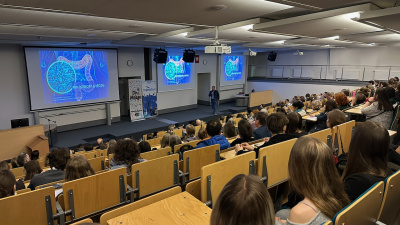
Lecture halls and laboratories were full, and for events requiring registration, there were more applicants than places available, which shows that the Tri-City community is keenly interested in science. Educational stands were also very popular, and among the youngest visitors, games and creative activities allowed them to absorb knowledge in a fun way.
‘I learnt lots of interesting things,' says Ania, one of the adult participants at the event. ‘Here are some fun facts: the brain likes chocolate (unfortunately, mainly dark chocolate), it likes to get enough sleep, and it likes to be rewarded for its efforts. It also likes bacteria, which in turn like the Mediterranean diet. And when it comes to looking after the microbiome, contact with animals - such as a cat - helps the brain. On a more serious note, the lecture on the microbiome whetted my appetite for exploring the universe of bacteria and fungi, the silent companions and allies of our bodies. The talk on how the brain works at night (and beyond) shed new light on the often-overlooked role of sleep. In a world overloaded with information, the popularisation of science based on reliable knowledge is particularly valuable. I look forward to returning for future editions.’
Another dose of knowledge and interesting facts about the brain is coming next year, during the 17th edition of Brain Days in the Tricity. We warmly invite you to join us!