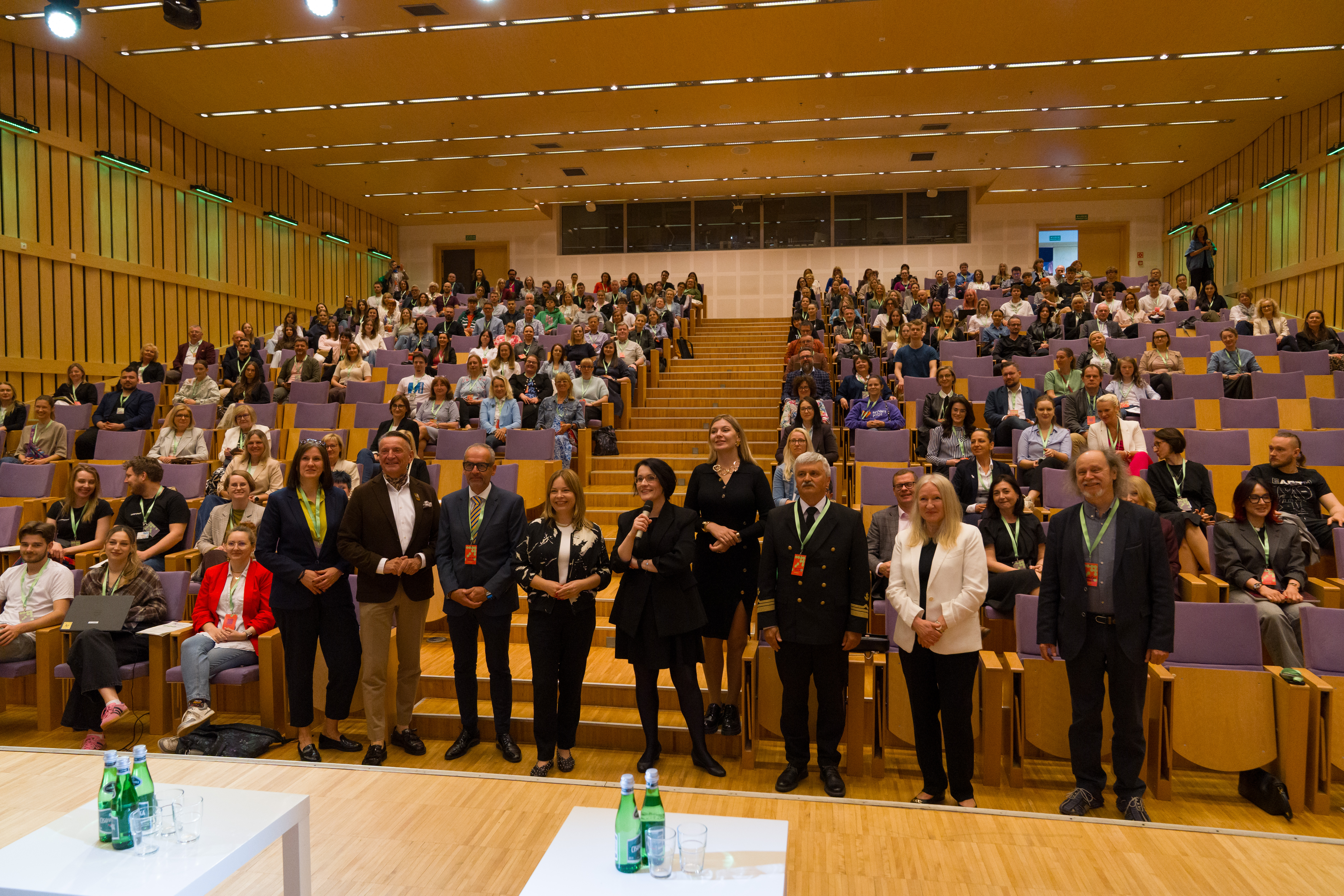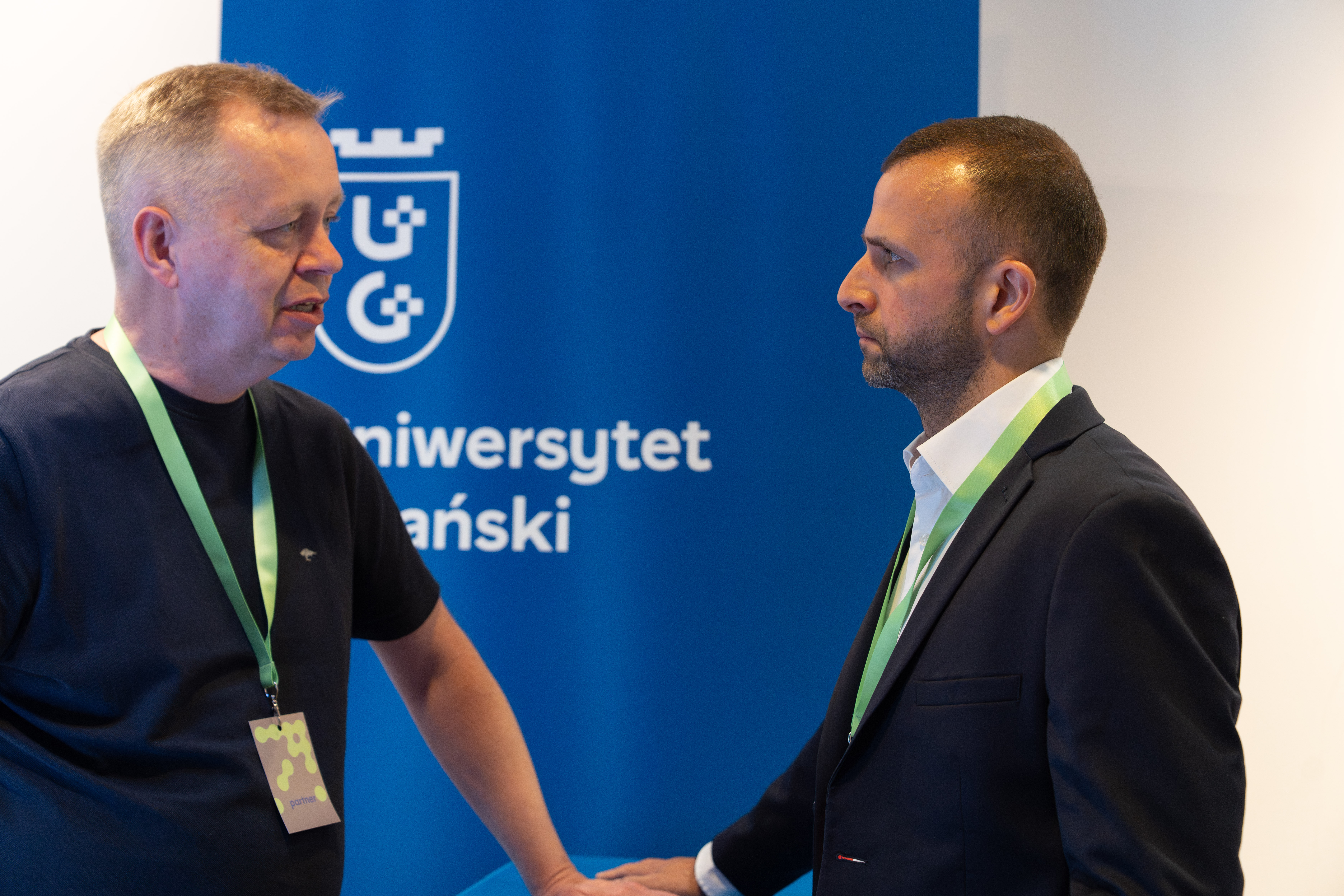
‘How do you imagine the future of Pomerania?’ - this was the question posed to young people by the organisers of the conference ‘Pomerania says Future. A conference on the skills of tomorrow in the face of the region’s transformation’. Representatives from the University of Gdańsk also participated in the event, which took place in Gdynia on 28 and 29 May.
‘The conference is based on the concept of futures literacy - the future as a space we influence because we understand the changes ahead and consciously make educational, developmental and career choices,’ this is how the organisers described the “Pomerania says Future…” conference.
The event was aimed primarily at teenagers and young adults (school pupils and students). It was their involvement that allowed the dialogue to focus on areas that are important from the perspective of young people. The aim of the conference was not only to identify challenges but also to devise solutions which, thanks to the involvement of decision-makers (representatives of business, the city, or the province), could contribute to the region’s development.
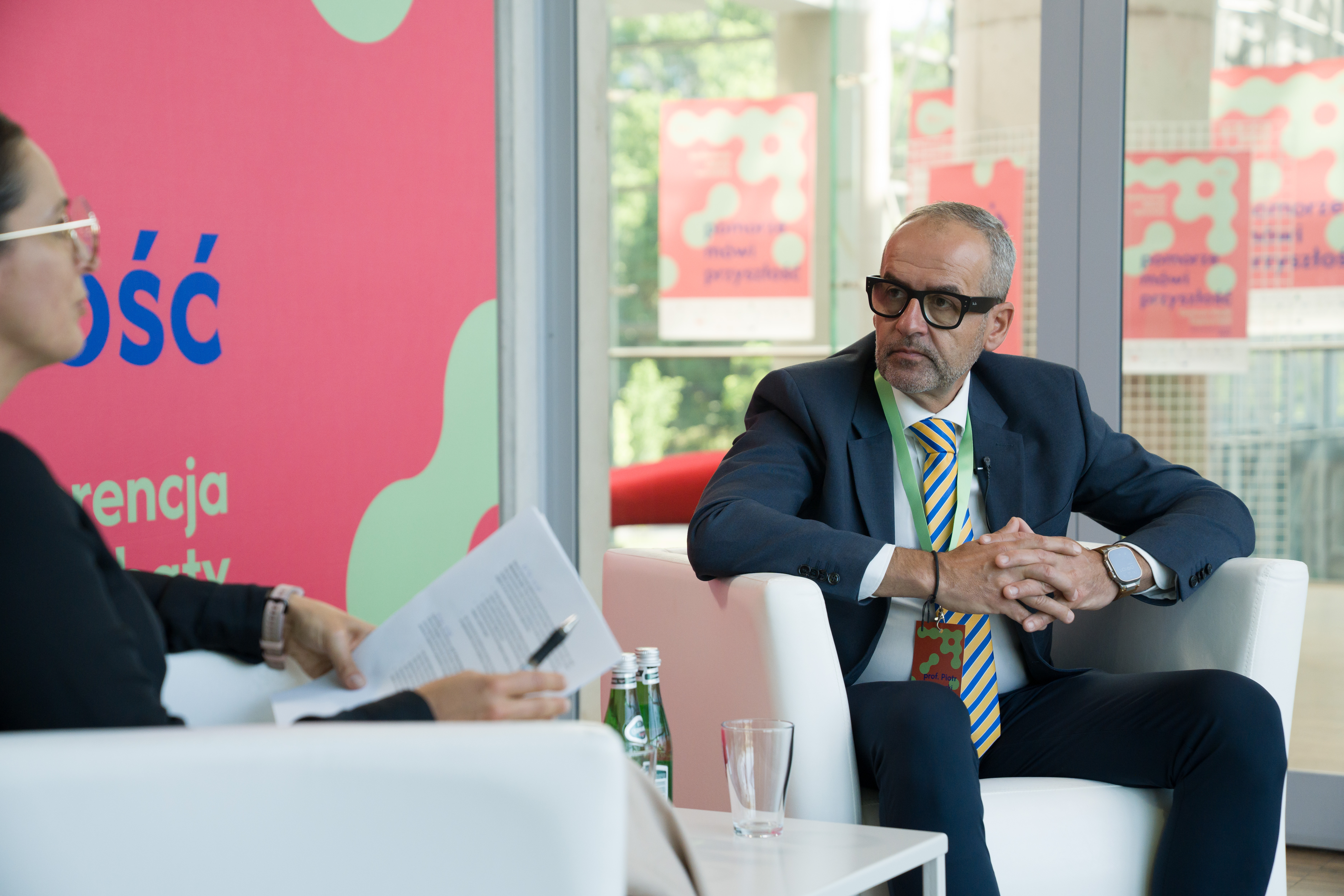
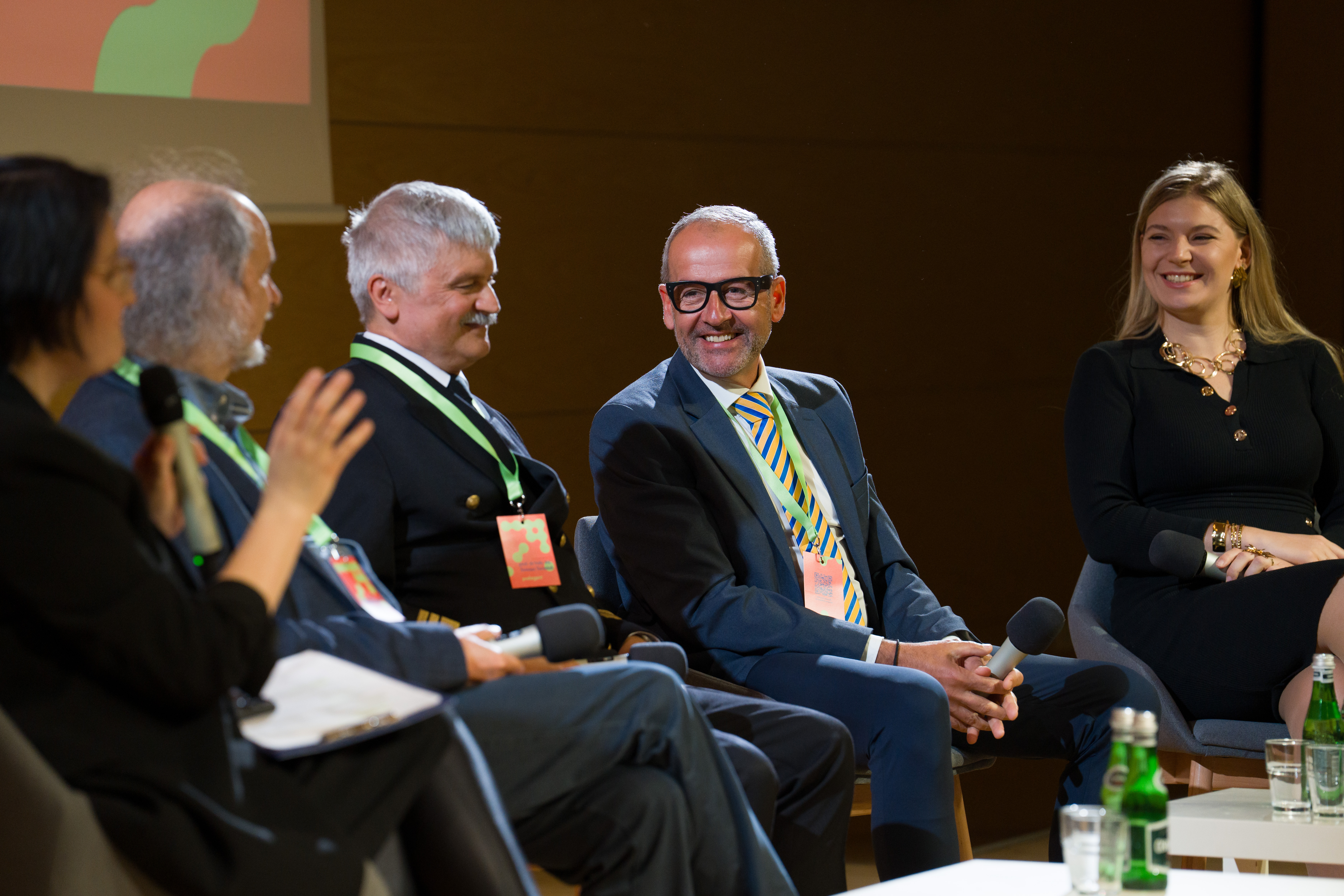
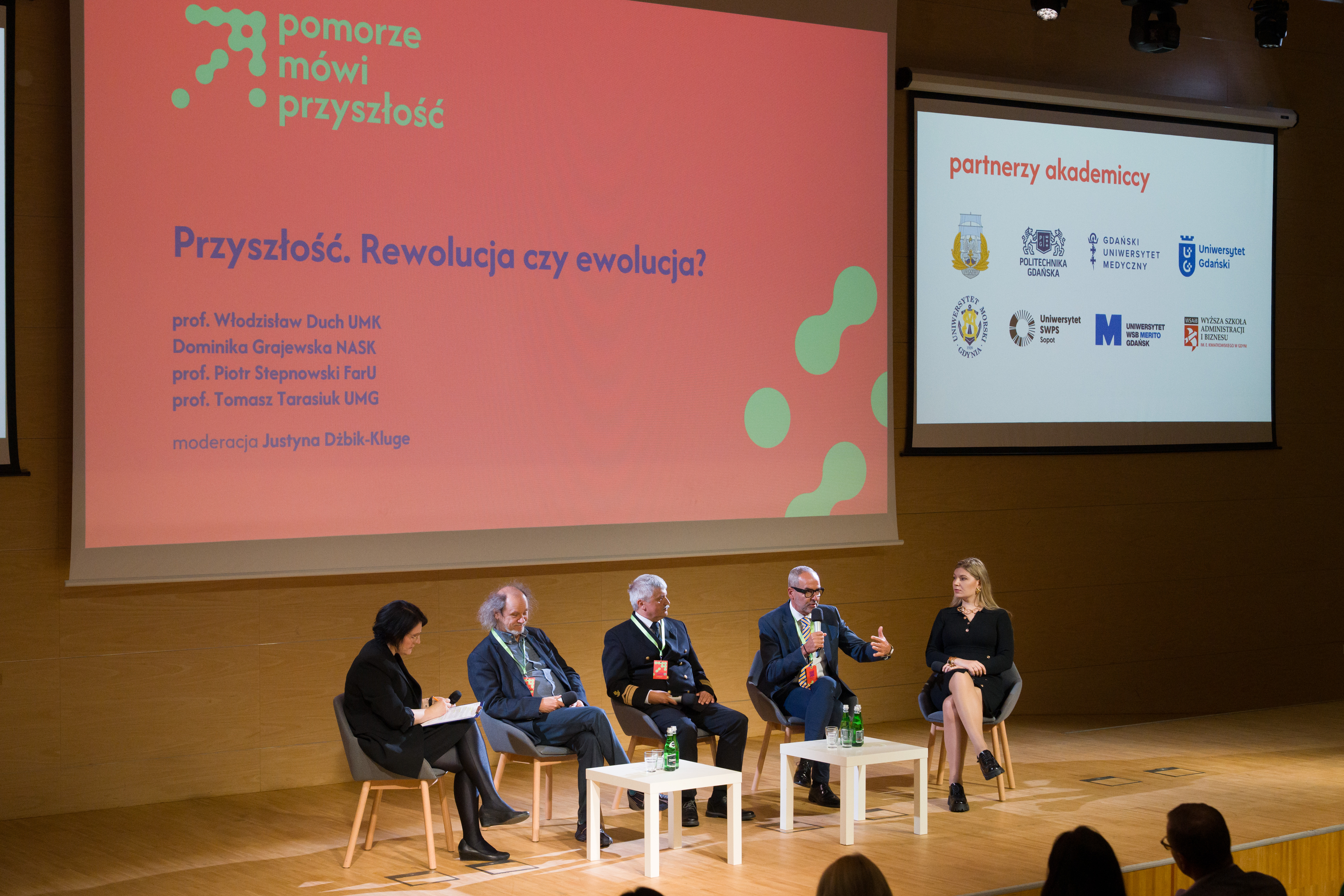
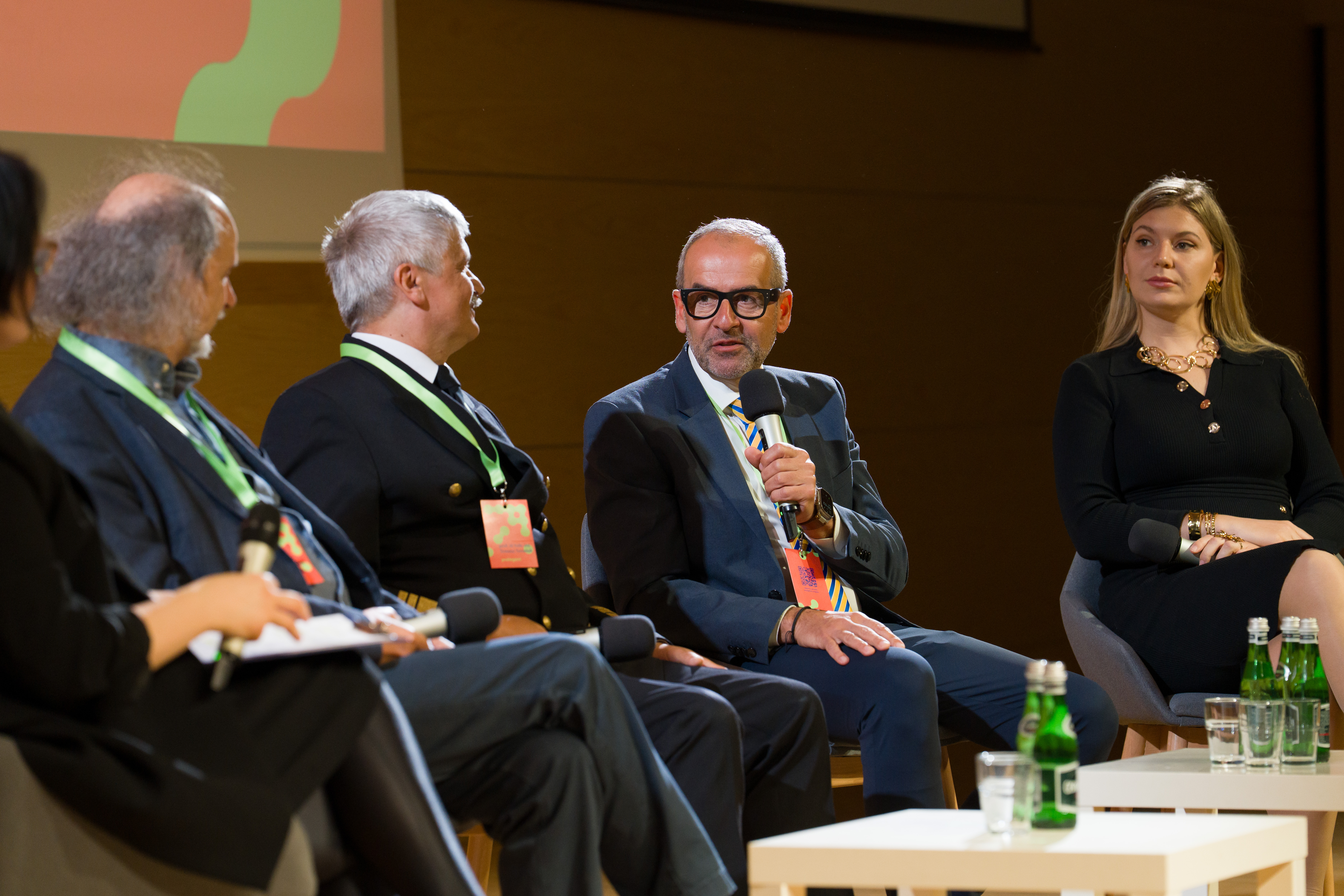
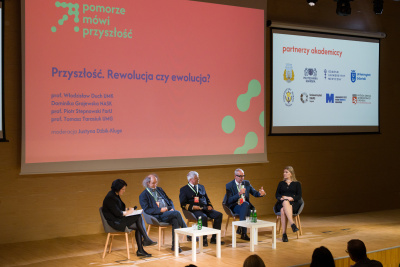
The main panel, entitled ‘The Future: Revolution or Evolution?’, was attended by the Rector of the University of Gdańsk, prof. dr hab. Piotr Stepnowski. He pointed out that with the growing number of technological tools, time is becoming one of the challenges, because we can do more in the same amount of time, but we must learn to use it wisely.
He also emphasised the importance of the Fahrenheit Union of Universities in Gdańsk, which was established with a focus on the future and collaboration. Combining the universities’ potential enables the creation of interdisciplinary teams, the development of shared research infrastructure, and stronger action for the benefit of the region.
On the second day of the conference, during the keynote session, the Vice-Rector for Education, dr Ewa Szymczak, prof. UG, took the floor. In her lecture entitled “A career is not a plan, it is a learning process. How to build competencies in a changing world”, she spoke about the changes in the way careers are perceived that have taken place over the last few generations. She noted that alternative and non-formal methods of education and further training - such as micro-qualifications - are becoming increasingly important, as is the development of a variety of skills. She emphasised that key competences are those that distinguish us from AI (e.g. critical thinking), and that the most important competence in a constantly changing world is the ability to learn. ‘This is the competence that will allow you to navigate your professional lives smoothly,’ said prof. Ewa Szymczak.
The event’s programme covered topics such as: AI, the labour market, education, regional transformation (including in relation to the development of offshore and nuclear energy), and the talents and competences of the future. The issue of uncertainty and global changes that are already influencing young people’s daily choices was also addressed.
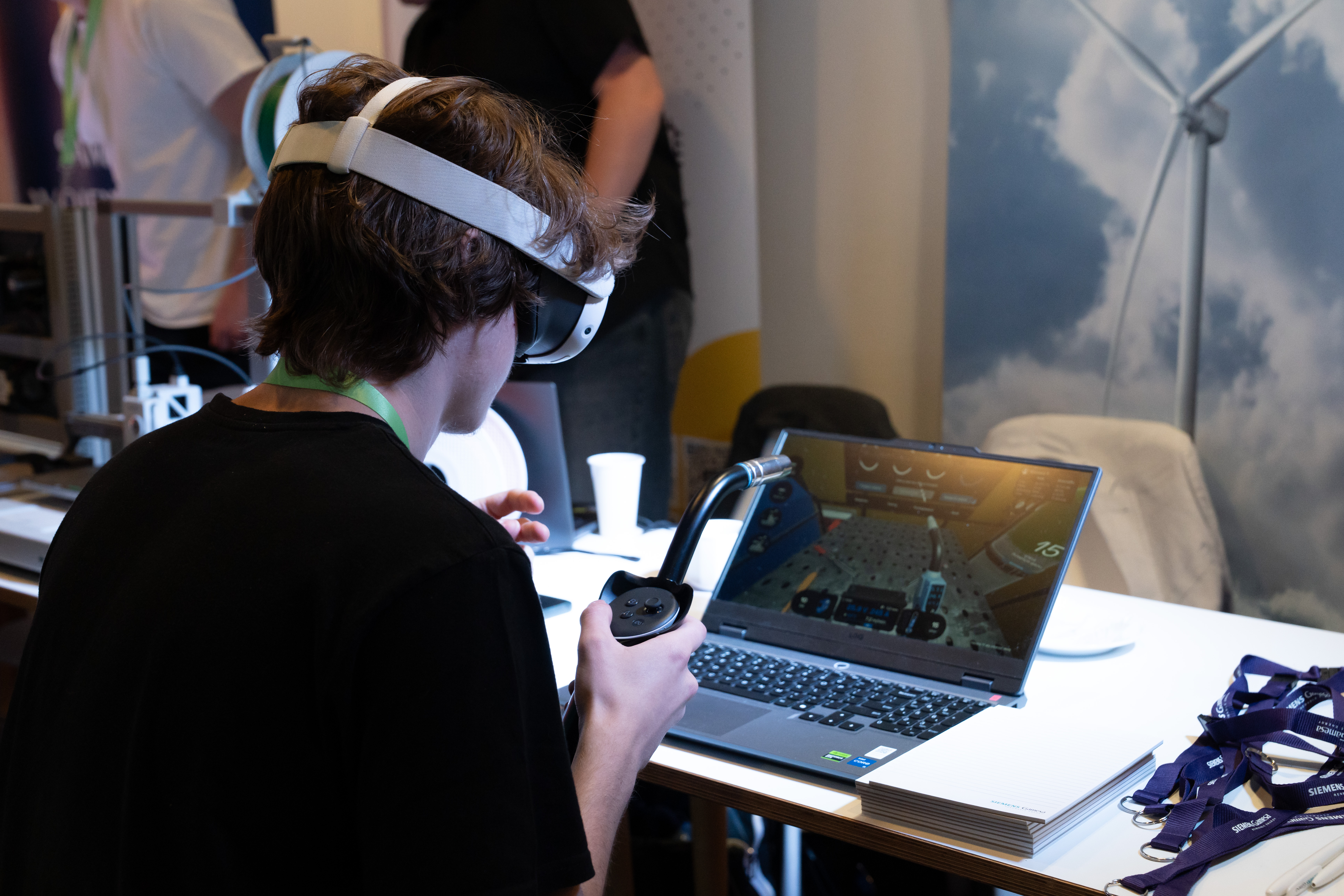
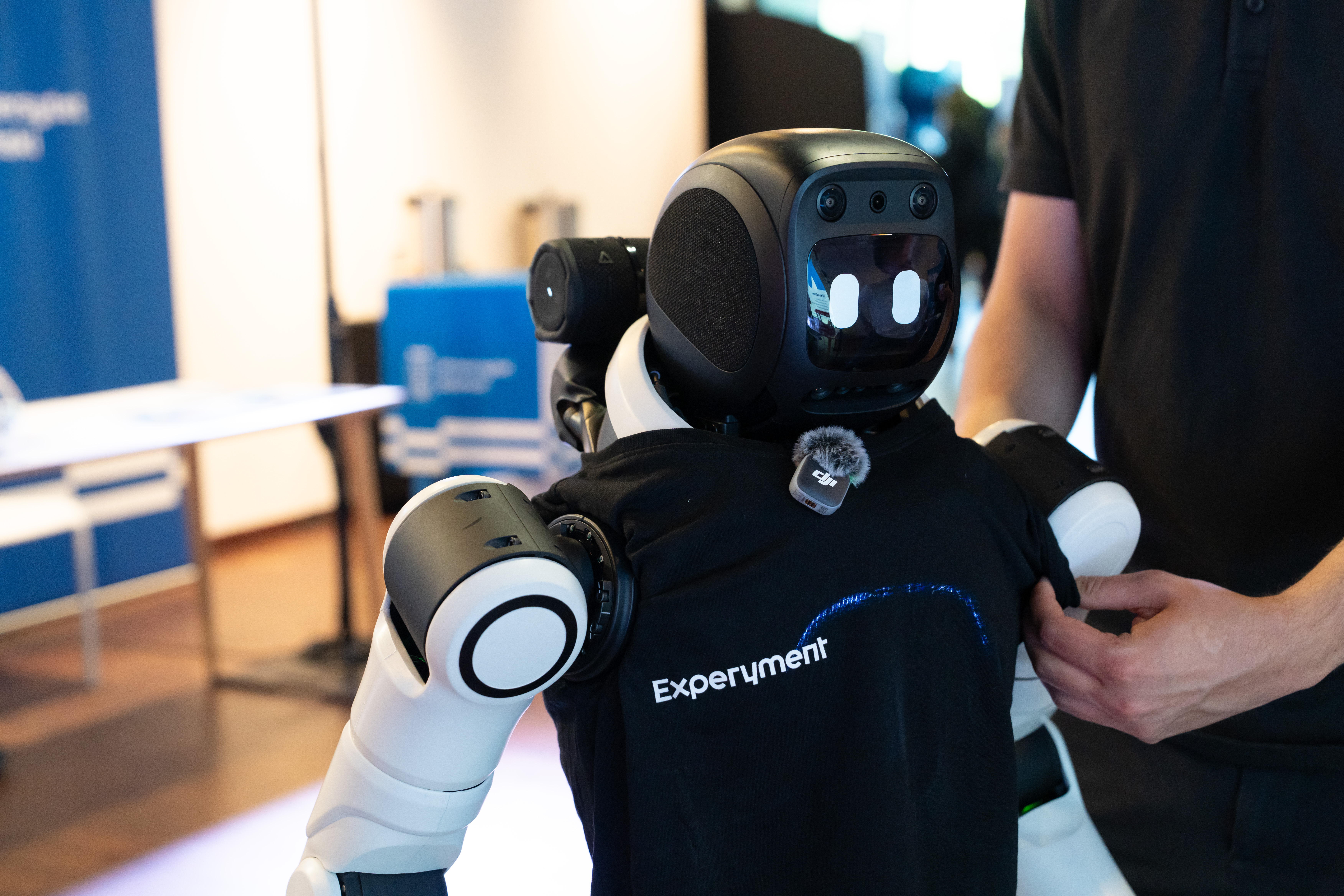
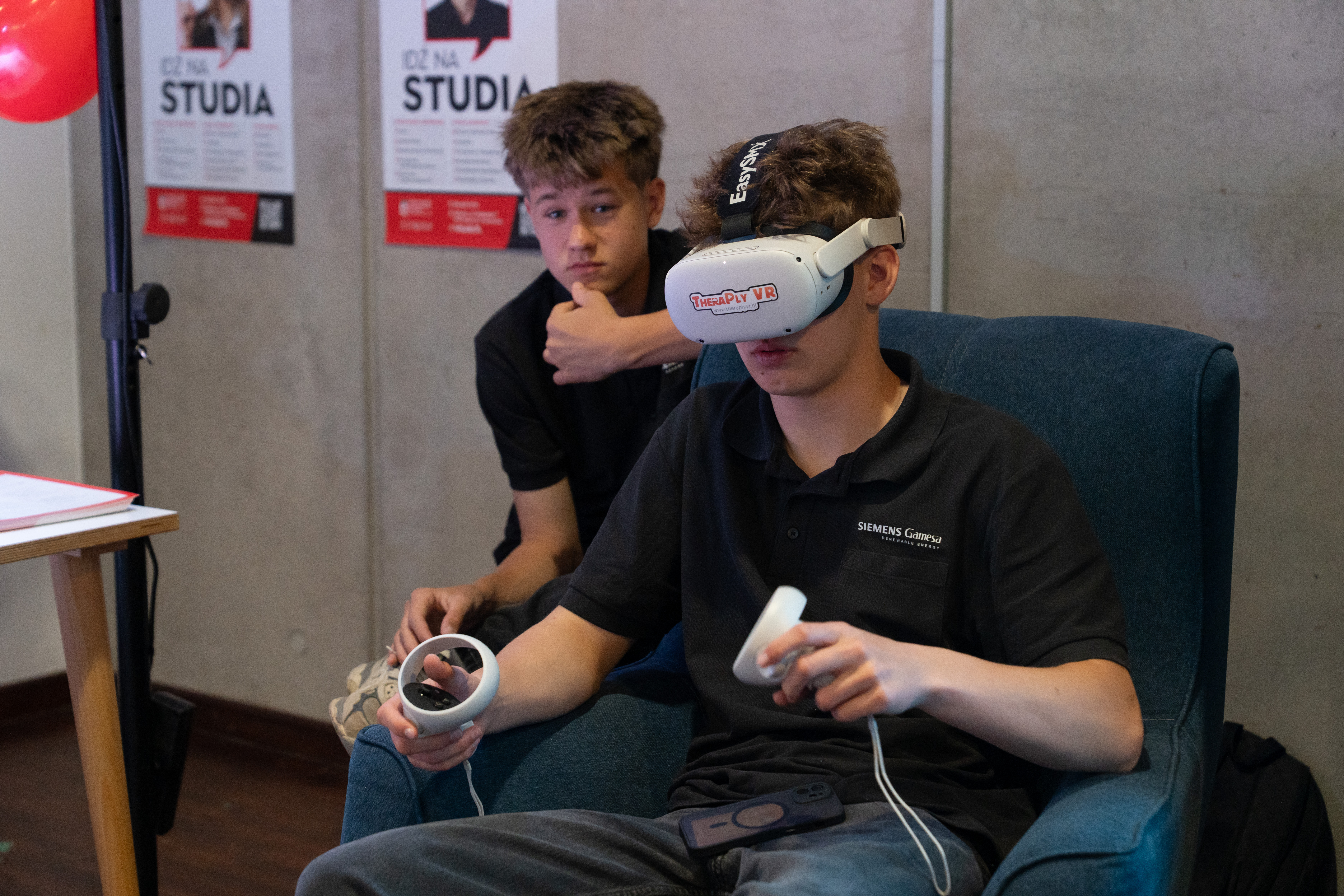
Participants were also able to take part in numerous workshops. These covered practical issues relating both to career development (entrepreneurship, preparing for recruitment, building a personal brand) and to coping with an uncertain future and change (in both personal and professional life). During the breaks, visitors could also chat with or have their photo taken with a humanoid robot that accompanied the educators.
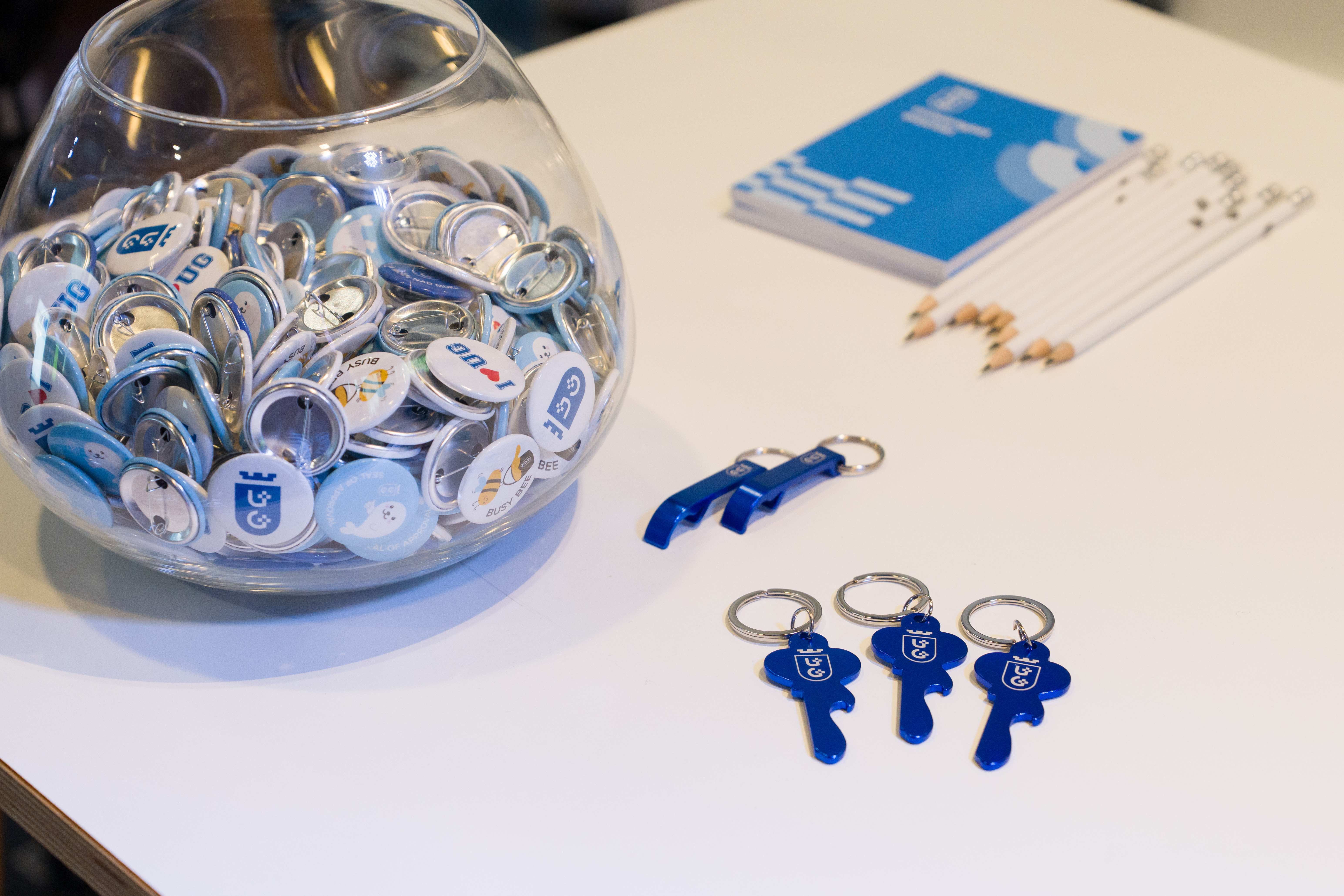
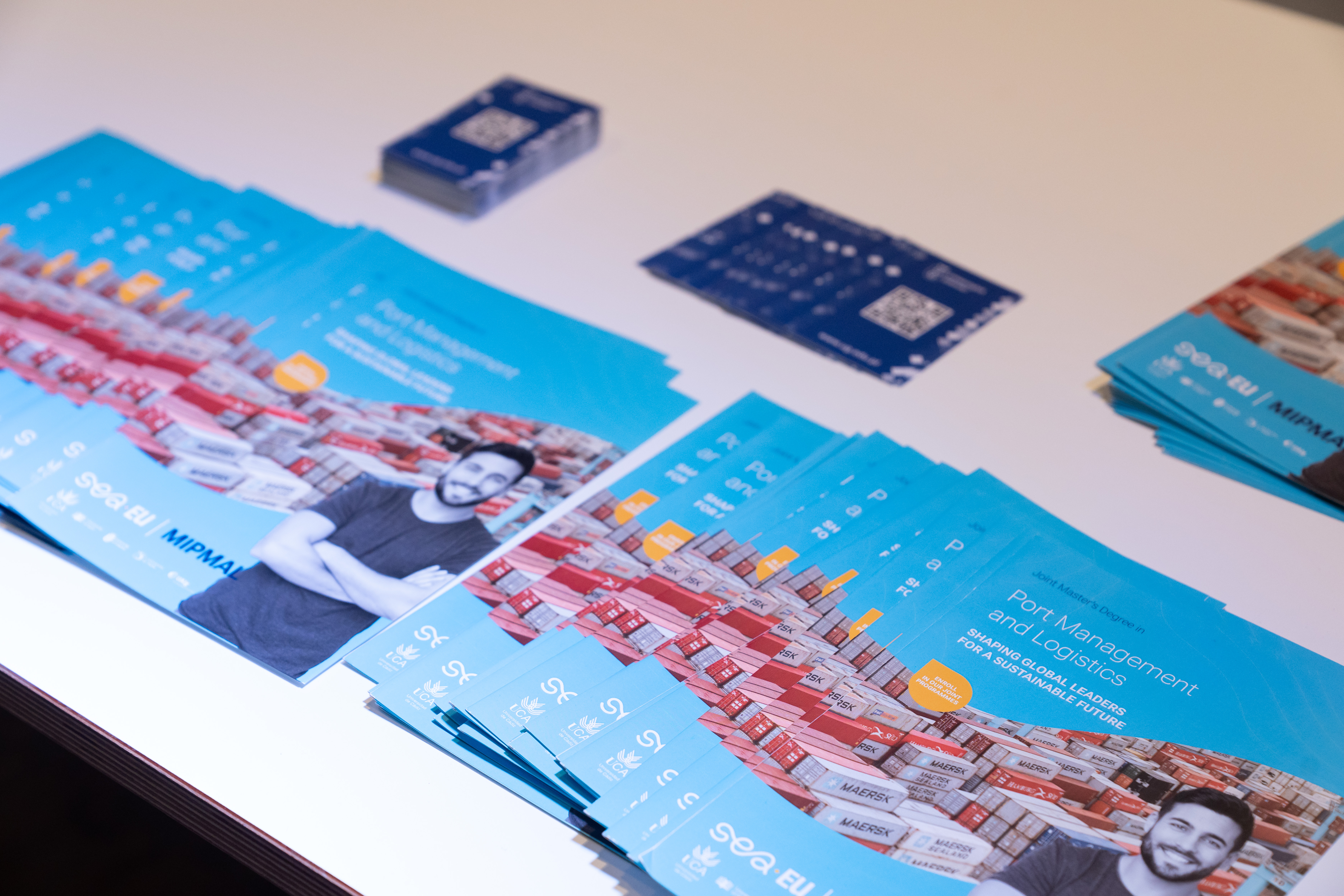
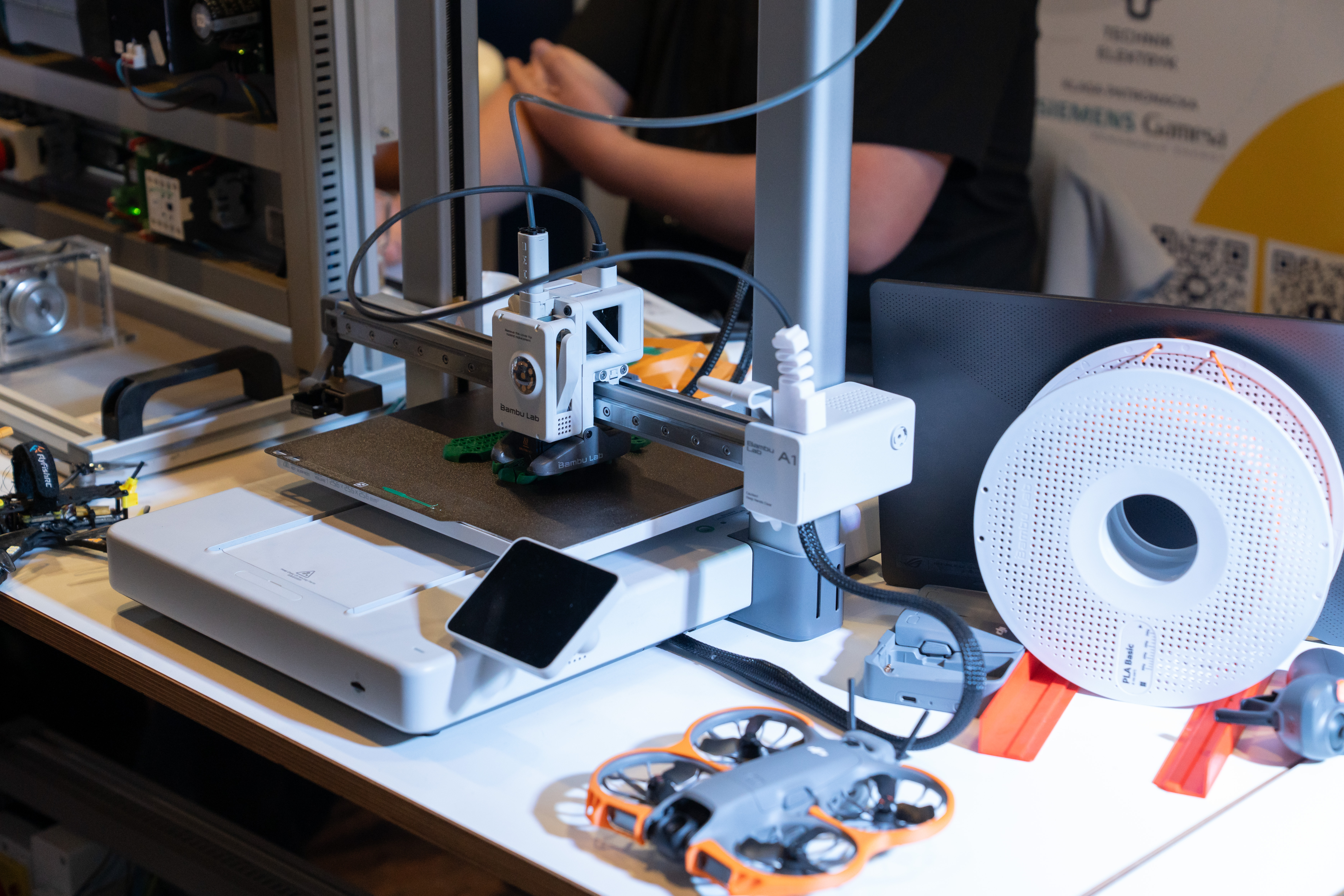
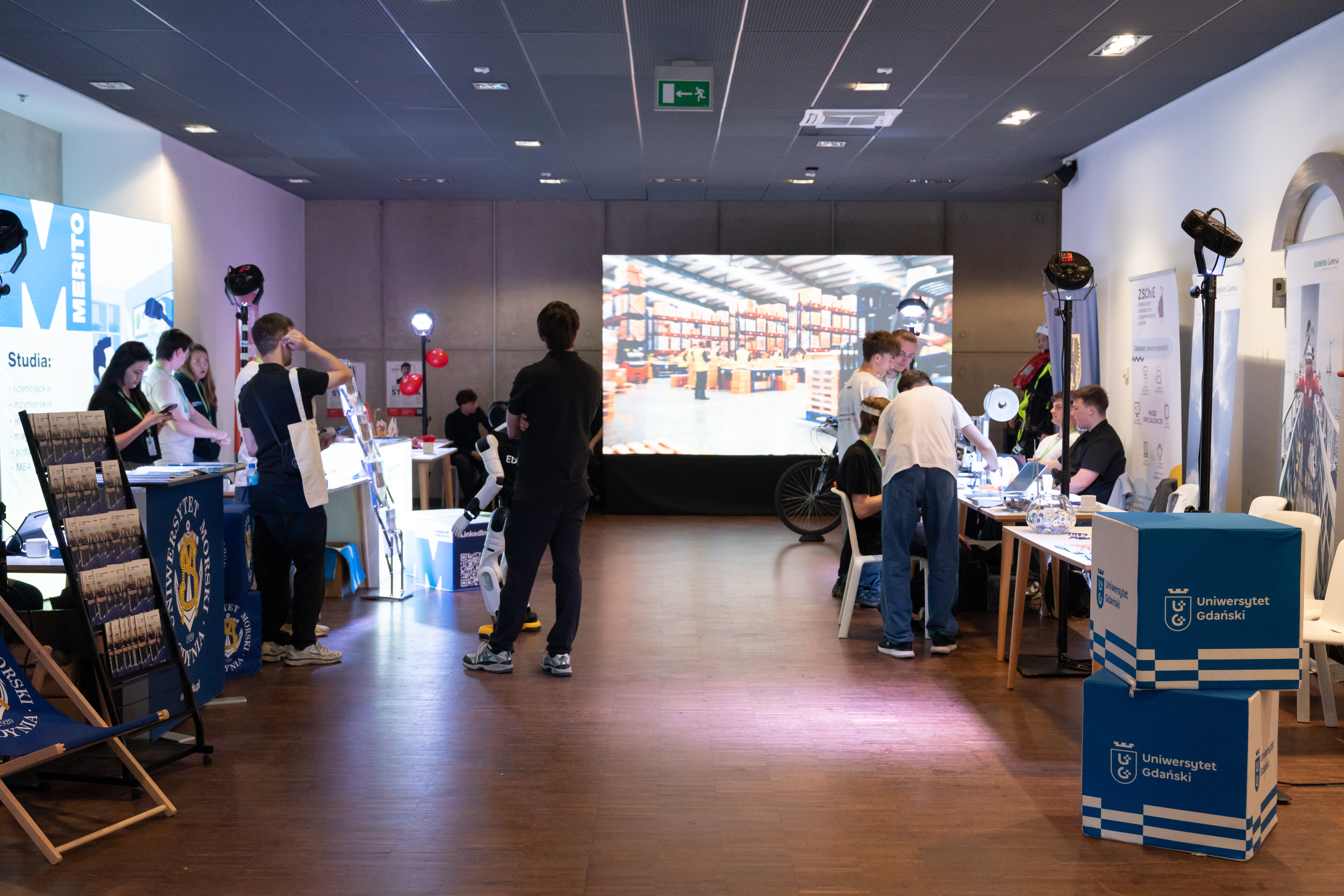
An additional attraction was the exhibitors’ and career advisers’ zone, where visitors could discuss development opportunities and career paths. Among the exhibitors were representatives of leading Tri-City universities (including the University of Gdańsk), vocational schools and the business sector.
About the conference
The main organisers of the conference are the Local Government of the Pomeranian Province and the City of Gdynia.
The conference is organised as part of the “Pomeranian Skills of Tomorrow” project implemented by the Local Government of the Pomeranian Province and funded by the National Recovery and Resilience Plan (funded by the European Union - NextGenerationEU).