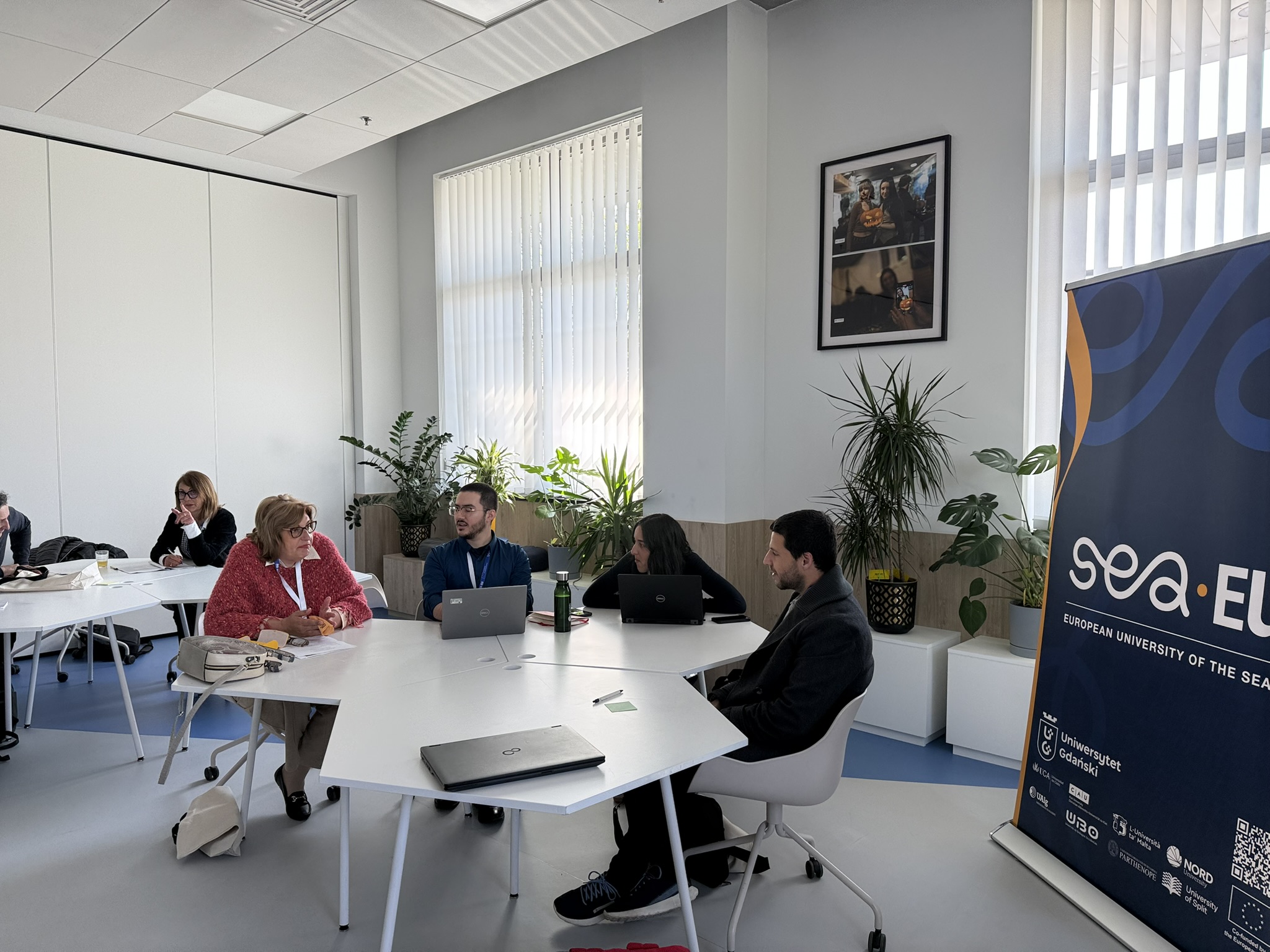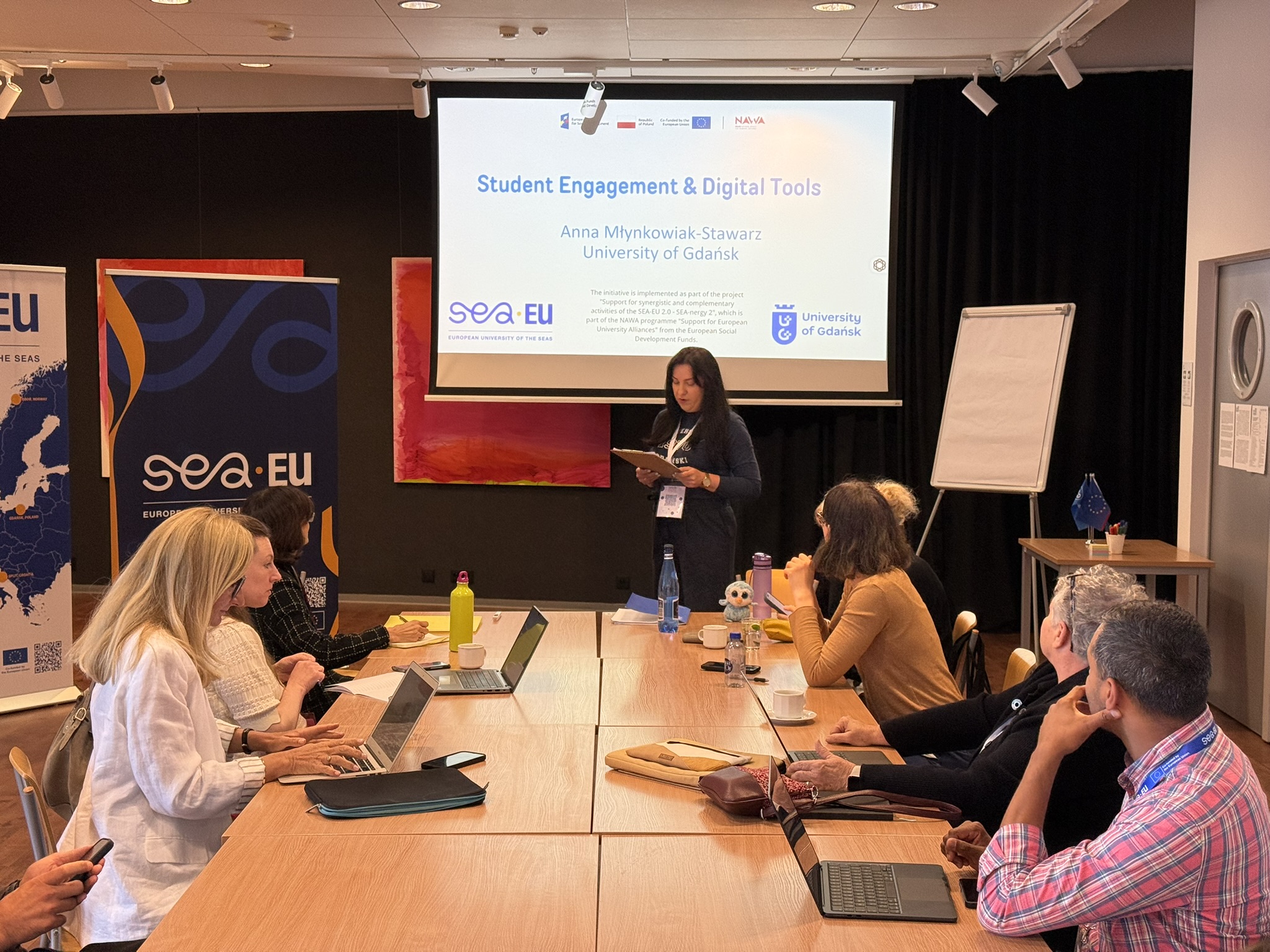
Symposia for academic and administrative staff, and a summer school for students - these events took place in the last quarter at the University of Gdańsk as part of the “SEA-nergy II” project - Support for Synergistic and Complementary Activities of the SEA-EU 2.0 Project’, which aims to develop joint SEA-EU degree programmes and strengthen cooperation between the alliance’s partner universities in the field of joint education. Topics discussed included academic mobility, co-teaching, digital tools to support student engagement, quality assurance in an international environment, and cooperation in an intercultural setting.
The “SEA-nergy II - Support for Synergistic and Complementary Activities of the SEA-EU 2.0 Project” is funded by the National Agency for Academic Exchange (NAWA) under the “Support for European Universities” programme. One of its key objectives is to build and integrate an international academic community engaged in the development and implementation of joint study programmes. Two events organised in recent months at the University of Gdańsk served this purpose: the international symposia ‘SEA-EU International Symposia for Academic and Administrative Staff’
(20-22 May 2026) and the summer school ‘Sport and Culture as Spaces for International Dialogue and Integration’ (July 6-10, 2026).
Exchange of experiences and best practices during the SEA-EU symposia
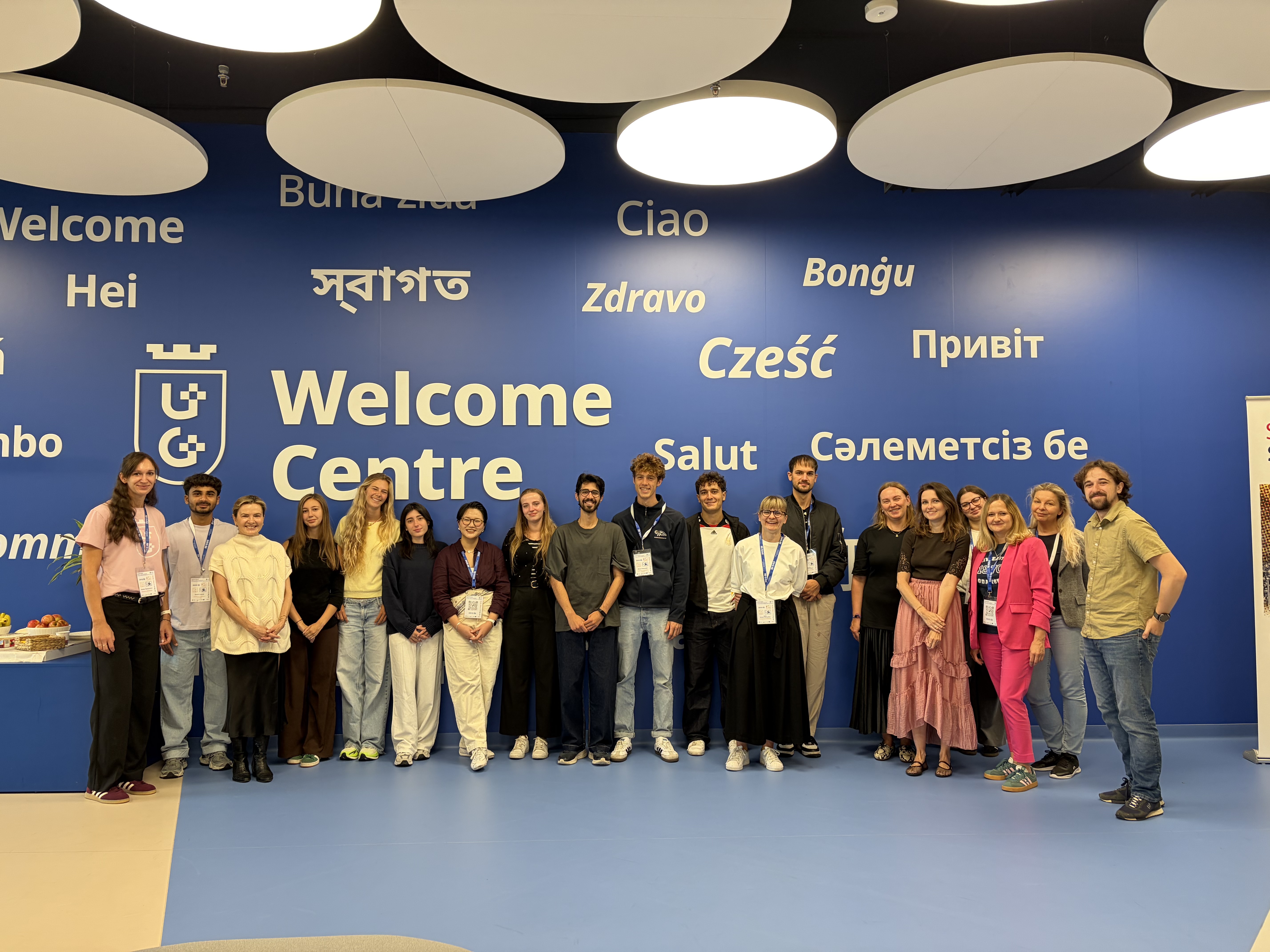
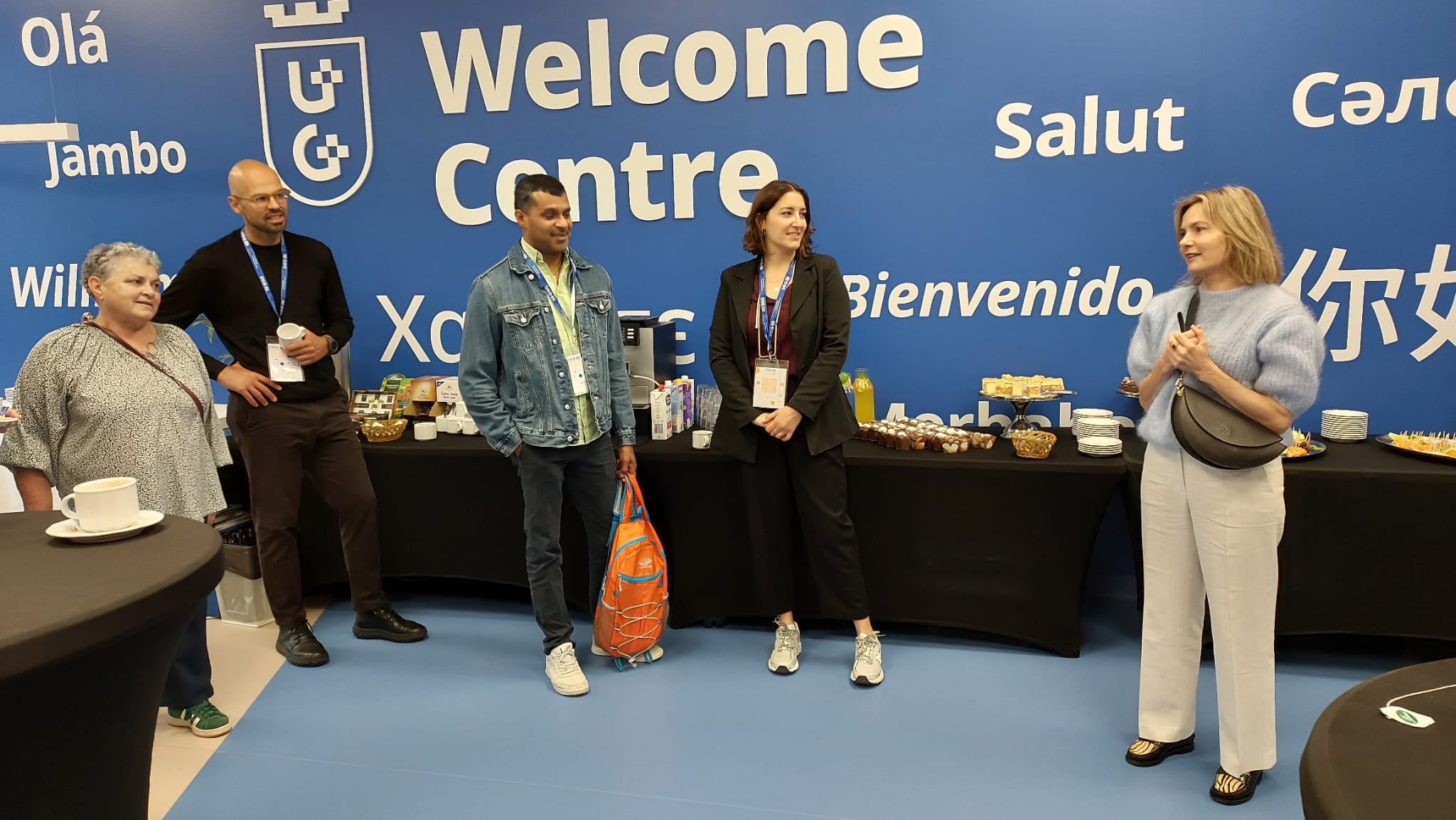
The three-day SEA-EU International Symposia for Academic and Administrative Staff brought together academic and administrative staff involved in the implementation of joint degree programmes from partner universities within the SEA-EU alliance. The meeting provided an opportunity to exchange experiences relating to the organisation of international study programmes, the coordination of teaching processes, and the challenges arising from the delivery of joint programmes by several European universities.
‘Working with international groups of students and running joint degree programmes require academic staff not only to have language skills, but also to be open to different styles of learning, communication and collaboration,’ said the Vice-Dean for Internationalisation and Development of the Faculty of Management dr hab. Anna Dziadkiewicz, prof. UG , who led the ‘The year is behind us’ workshop for academic staff, summarising the first year of the joint degree programmes. ‘One of the key issues - and a particular challenge - turned out to be the co-teaching of classes by lecturers representing different universities and academic cultures. This requires a clear division of roles, joint planning of learning outcomes, and agreement on working methods and assessment. At the same time, co-teaching offers enormous opportunities: students are exposed to different perspectives and ways of solving problems, whilst lecturers can inspire one another and develop their teaching skills. The workshops demonstrated that the direct exchange of experiences cannot be overestimated in this process - it allows for open discussion of difficulties, the joint search for practical solutions, and the building of trust, without which it is difficult to create truly integrated, international study programmes. For me, it was a very valuable meeting, confirming that a team’s diversity can become its greatest asset if it is accompanied by dialogue, flexibility and clearly defined shared goals.’
The event’s programme included joint sessions as well as parallel thematic tracks for both groups of participants. A key element of the symposia were workshops on collaboration within intercultural teams, which facilitated a better mutual understanding of the perspectives of academic and administrative staff.
‘During the workshops for administrative staff, it very quickly became apparent that the challenge lies not only in ‘big’ strategic decisions, but also in the day-to-day coordination of different calendars, procedures and systems across several universities simultaneously,’ summed up the Joint Studies Coordinator at the University of Gdańsk, mgr Edyta Hoffmeister. ‘We discussed how to translate the language of European documents and ambitious concepts into specific forms, emails to students and the flow of data between universities - and how not to lose sight of the individual who needs clear information: where they are supposed to be, when, and under what conditions. However, after the first year of the SEA-EU joint degree programmes, it is clear that this effort is worthwhile. Students gain something that cannot be replicated within a single university: experience of several academic systems, working in international teams and living in different cultural contexts; and we - as a university - are learning how to design truly ‘European’ degree programmes.’
The SEA-EU Summer School - an international space for students
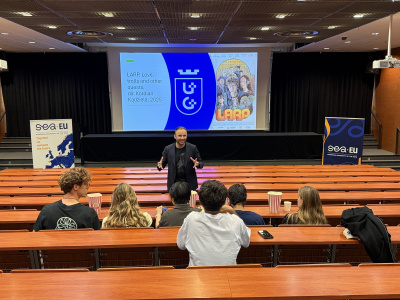
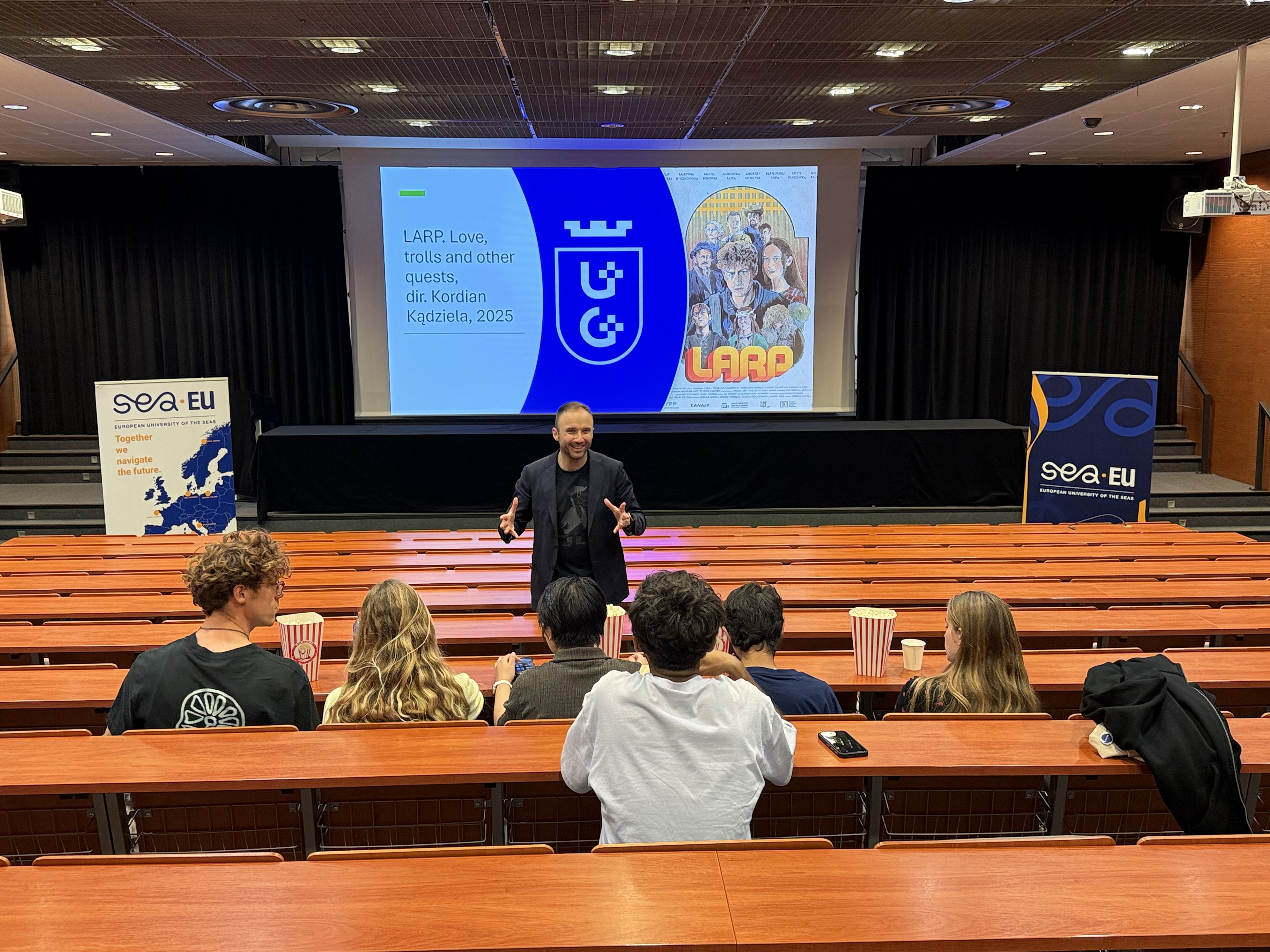
Another important event organised as part of the SEA-nergy II project was the international summer school‘Sport and Culture as Spaces for International Dialogue and Integration’, aimed at students on the joint SEA-EU degree programmes, which took place from July 6 to 10. Its aim was to create a space for students from various partner universities to integrate, develop intercultural skills and build an international academic community. Students took part in workshops, learnt about the opportunities offered by the SEA-EU alliance, and developed their academic and career plans. An important part of the programme consisted of activities related to wellbeing, physical activity and the presentation of the participants’ cultures.
The participants were keen to share their insights; they also spoke about the reasons why they had chosen this way of studying and the challenges it presents.
‘I think that right at the start, the challenge for everyone was finding their feet amongst people from different cultures,’ said Simon, a student from Germany enrolled in the STORM course. ‘We had to put in extra effort to understand one another, get on well and make friends.” We also had lecturers from different universities, each with their own teaching styles. And this is where direct contact and face-to-face interaction prove to be very important: some lecturers chose to deliver their classes exclusively online, and the relationship was completely different in those circumstances. In a face-to-face meeting, it’s much easier to shift the conversation from strictly professional topics to more personal ones - and it’s precisely when the conversation becomes personal that real bonds are formed.’
‘As the first cohort of the first joint degree programmes, we have this inside joke that we’re a bit like first-born children on whom parents are learning how to parent,’ added Audrey, his fellow student. ‘Everything was new for both us and our lecturers, which required a great deal of mutual trust.” To take part in a programme like this, you need to have an open mind, but also simply a sense of curiosity - including curiosity about other people and other cultures. You also need to know what you want, because all the joint degree programmes offer us a great deal of flexibility. I’d recommend this programme to anyone keen to experience an academic exchange.’
‘I chose this programme primarily because I love marine biology and I love travelling,’ said Zola, a SeaBluE student. ‘Studying on an international degree programme gives you a unique opportunity to get to know different countries, people, cultures and culinary traditions.” What’s more, SeaBluE combines marine biology with aspects of the blue economy, so we gain insight into both the biological sciences and economics. This programme opens up a wide range of opportunities. Another advantage is the chance to study in English.’
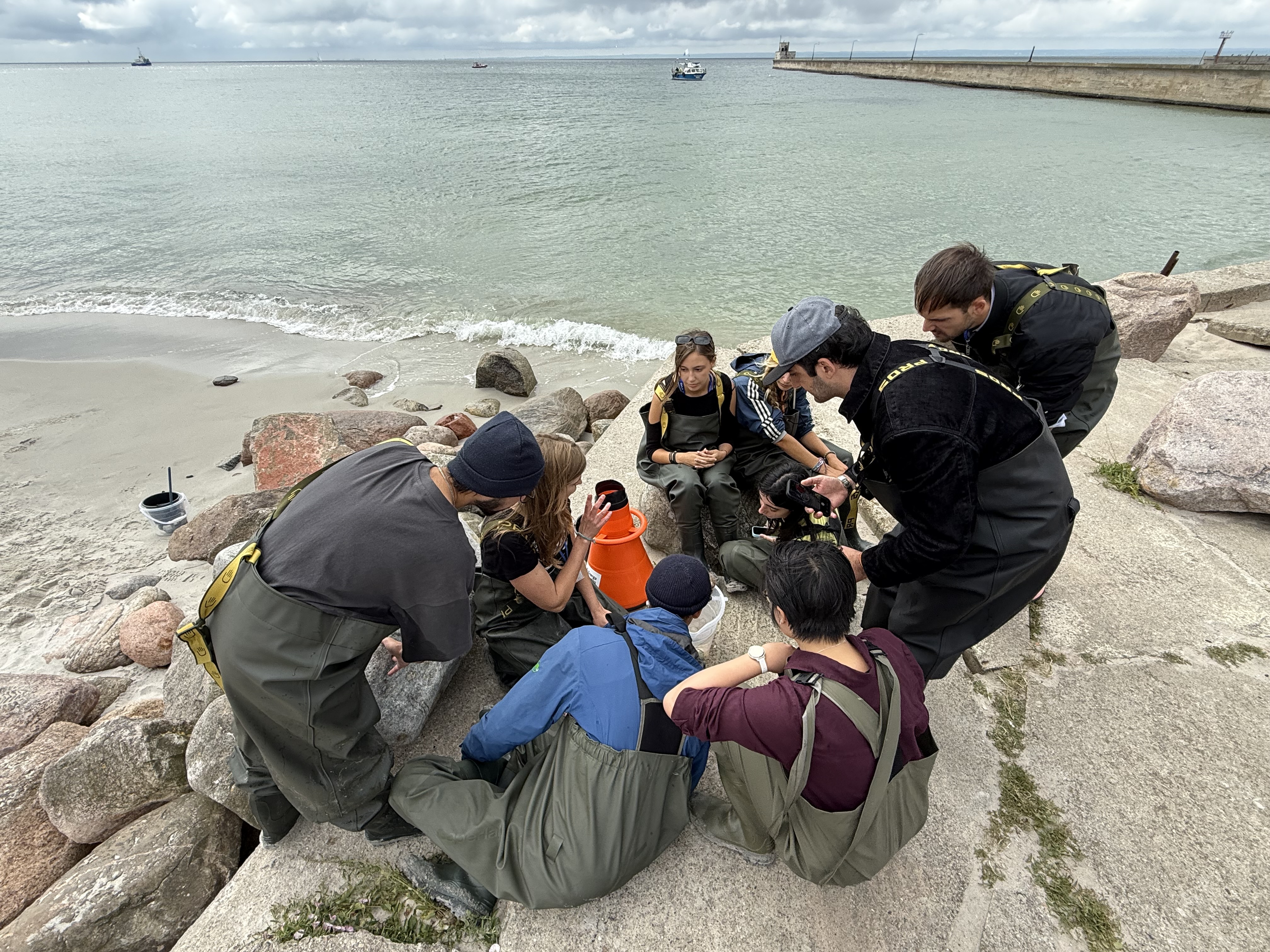
The summer school programme also included activities centred on exploring Gdańsk and the region - the students visited the European Solidarity Centre, took part in a city scavenger hunt focusing on the city’s history and multiculturalism, and visited the Professor Krzysztof Skóra Marine Station of the Institute of Oceanography at the University of Gdańsk in Hel, where they learnt about the university’s research activities in the field of marine sciences.
SEA-nergy II - an investment in the future of European education
The joint SEA-EU degree programmes offer students the opportunity to acquire knowledge at several European academic centres and to participate in an international educational environment. Activities carried out as part of SEA-nergy II support the development of these programmes and strengthen relations between their participants - students, academic staff and administrative staff.
The SEA-nergy II project is a key component of the University of Gdańsk’s efforts to internationalise education and actively participate in the SEA-EU alliance. The symposia and summer school that have taken place have confirmed that cross-border cooperation is the cornerstone of the development of European educational programmes, based on the exchange of experiences, mobility and the building of lasting relationships between academic communities.