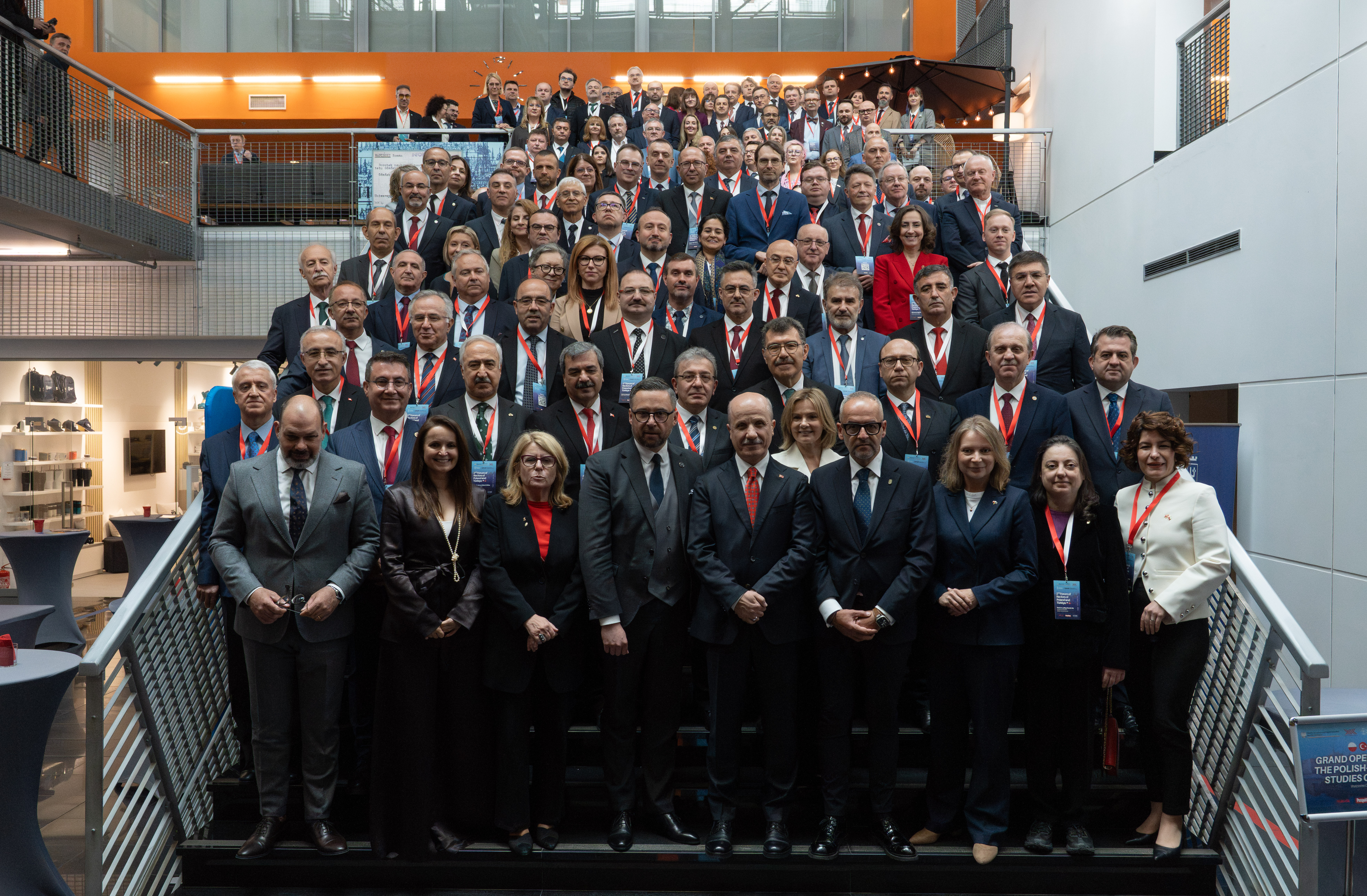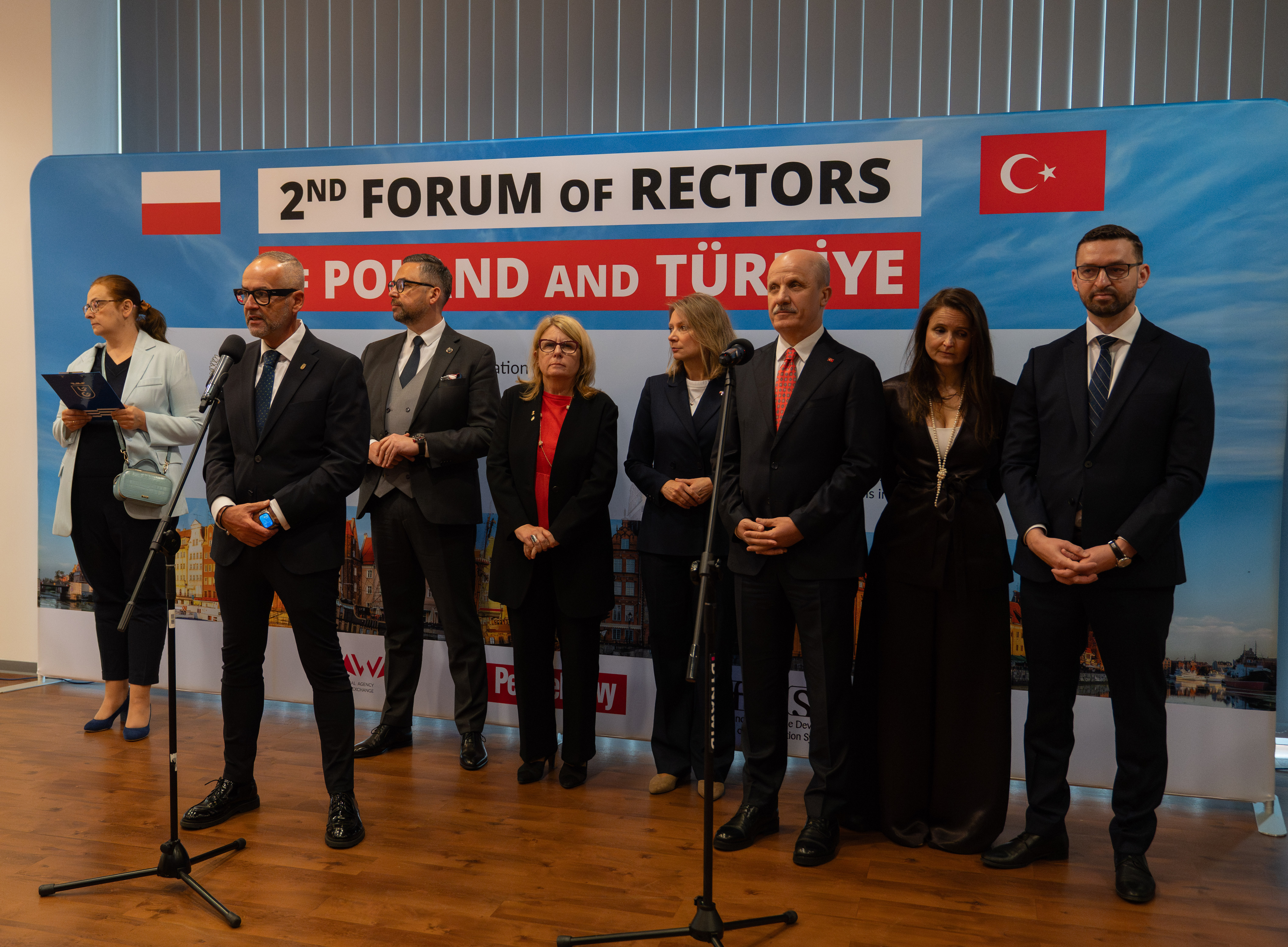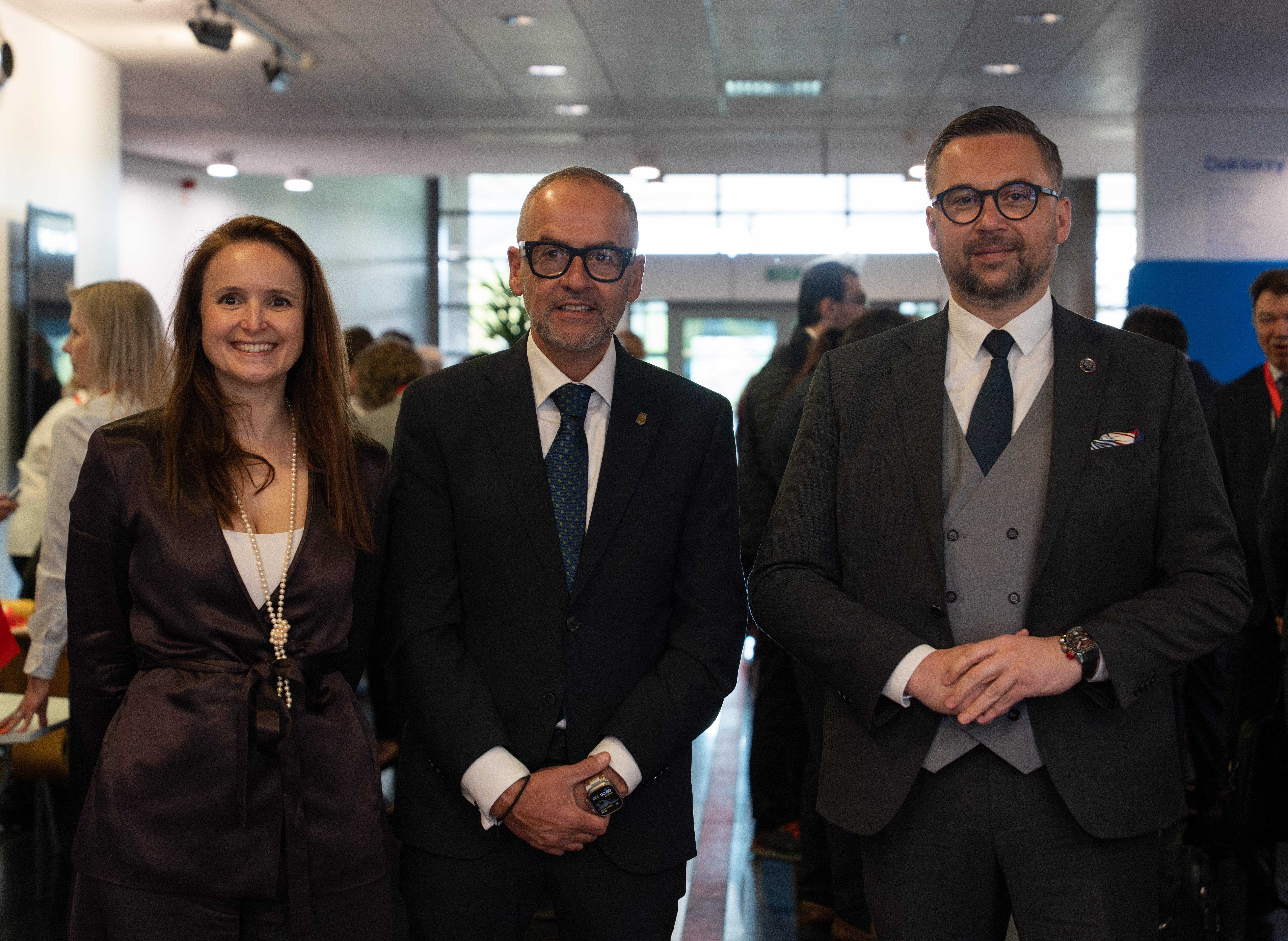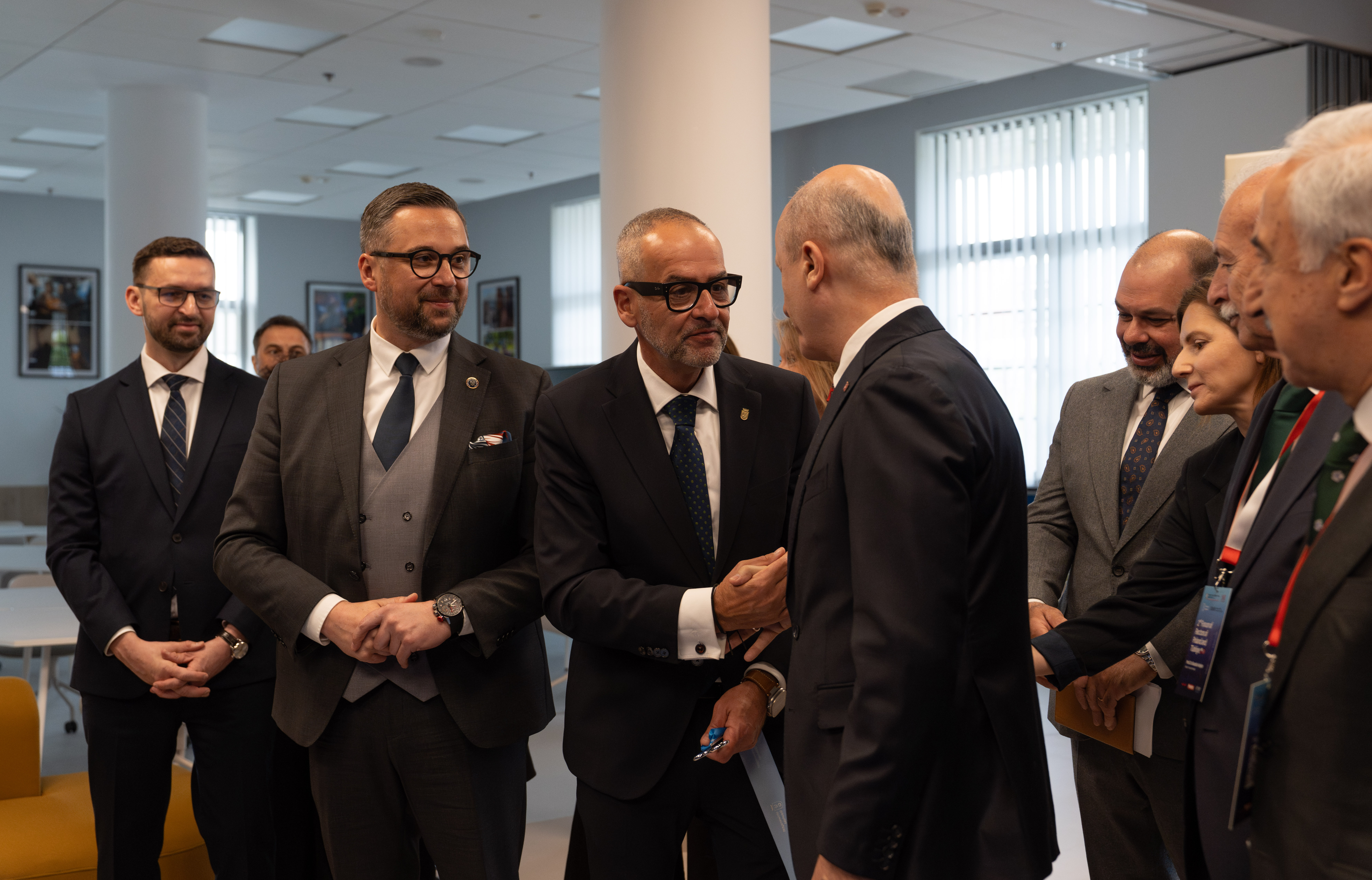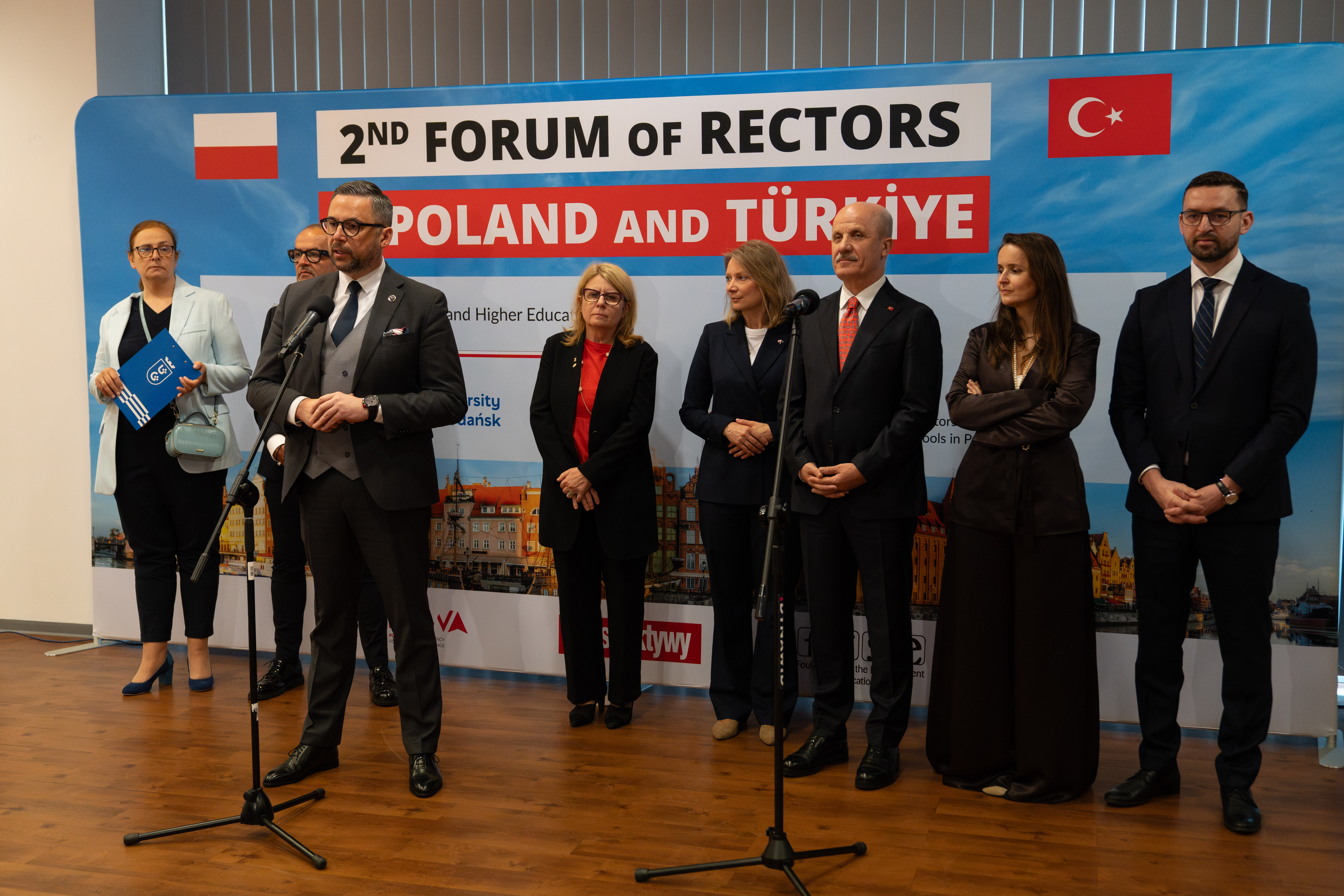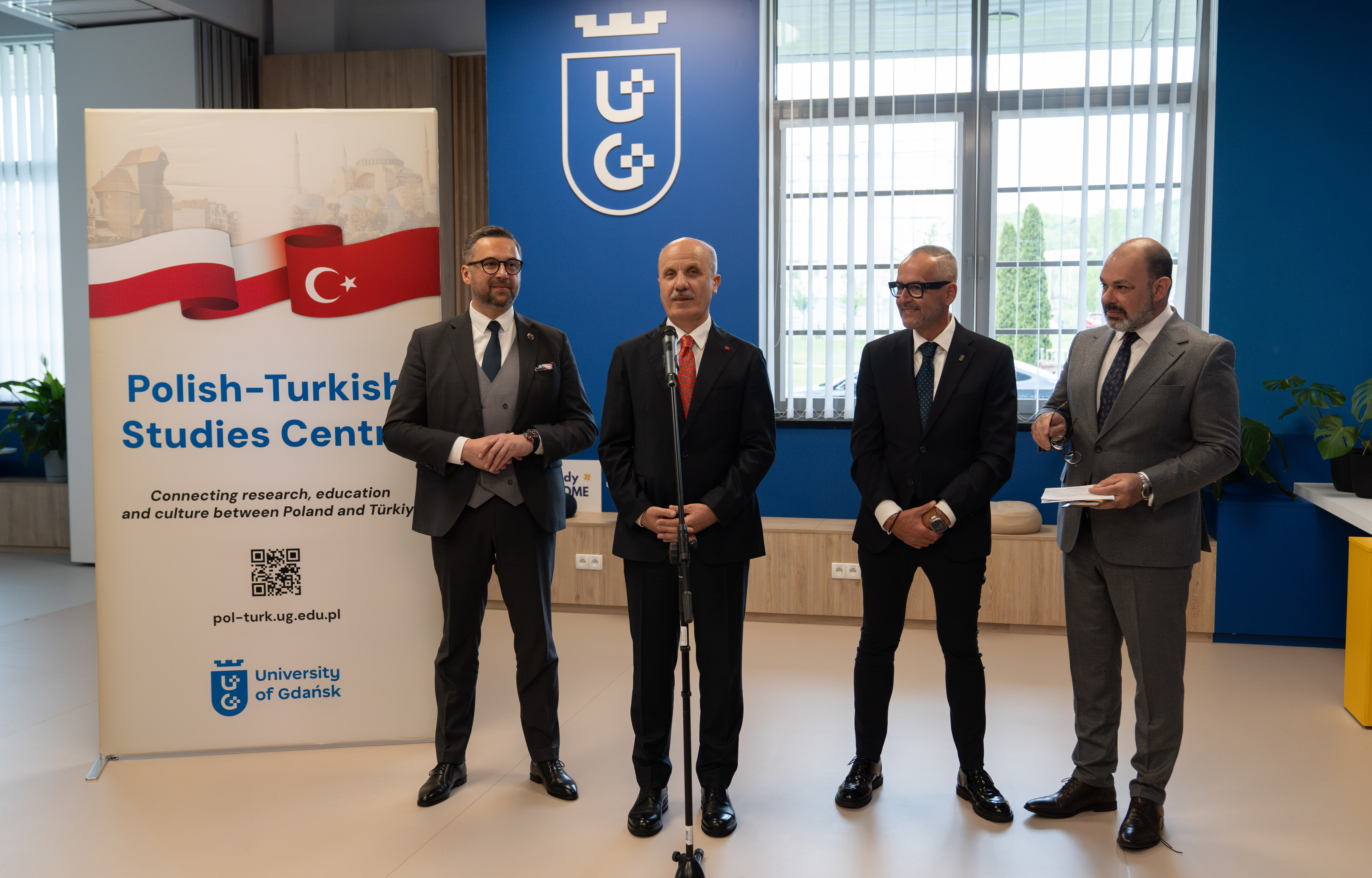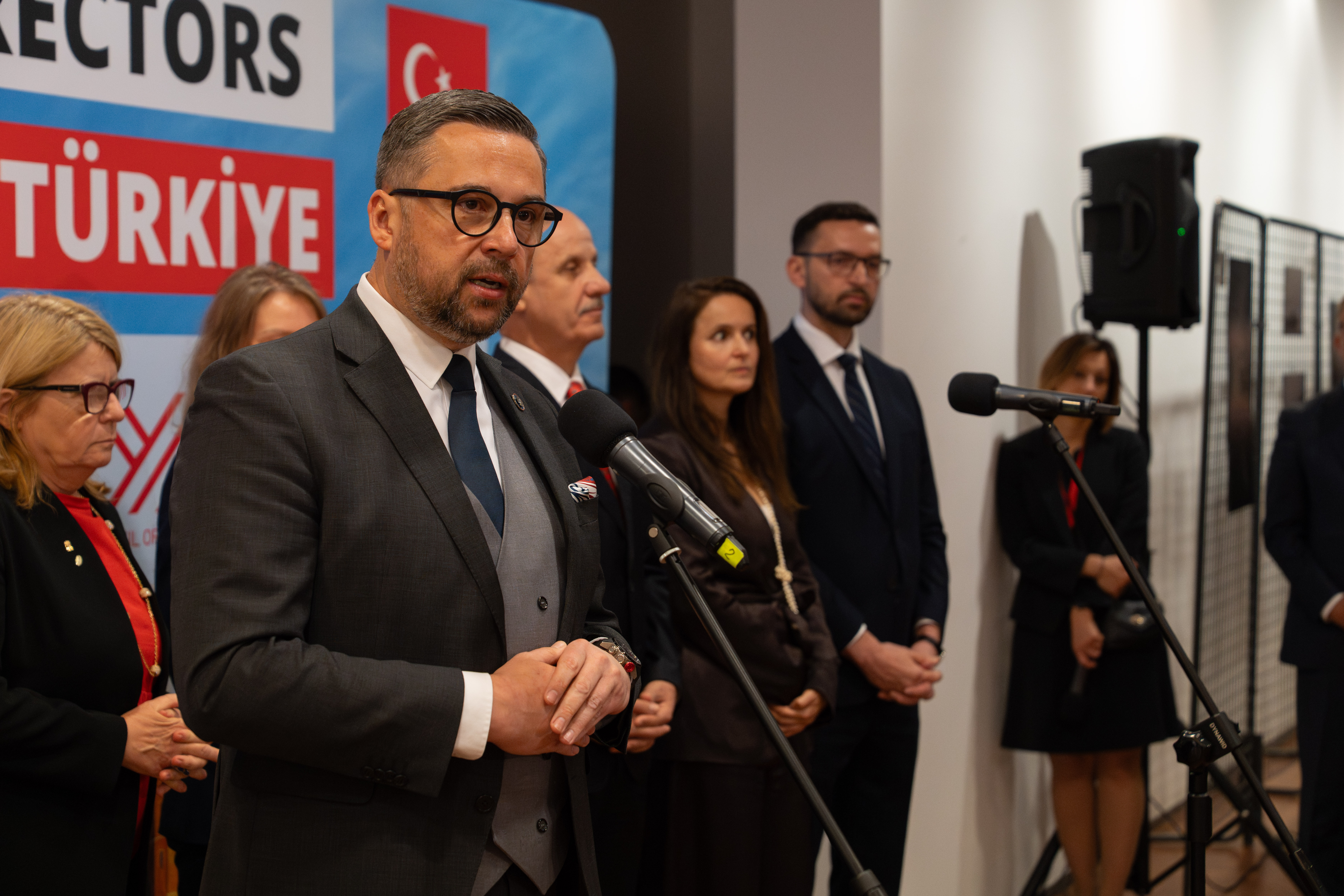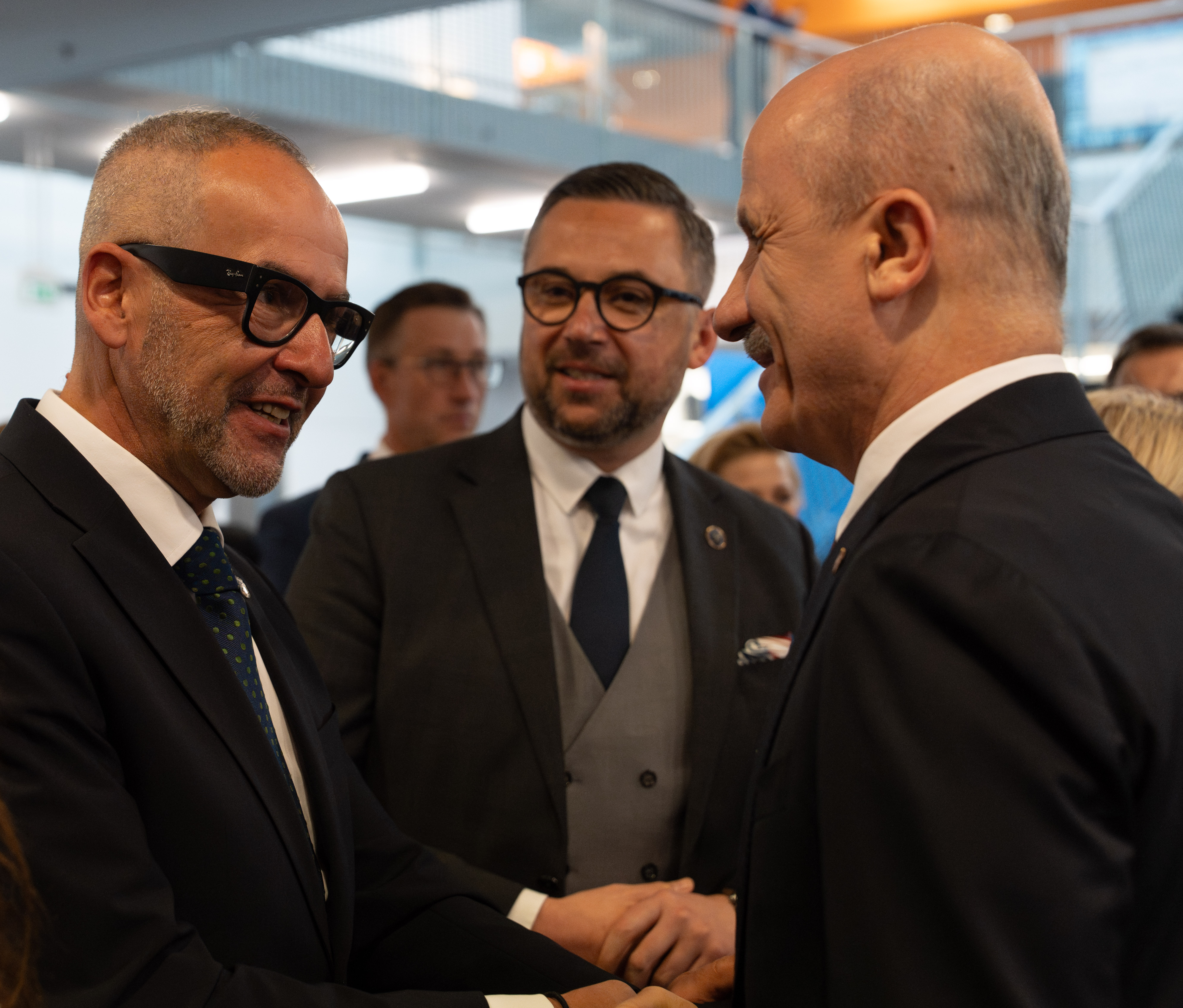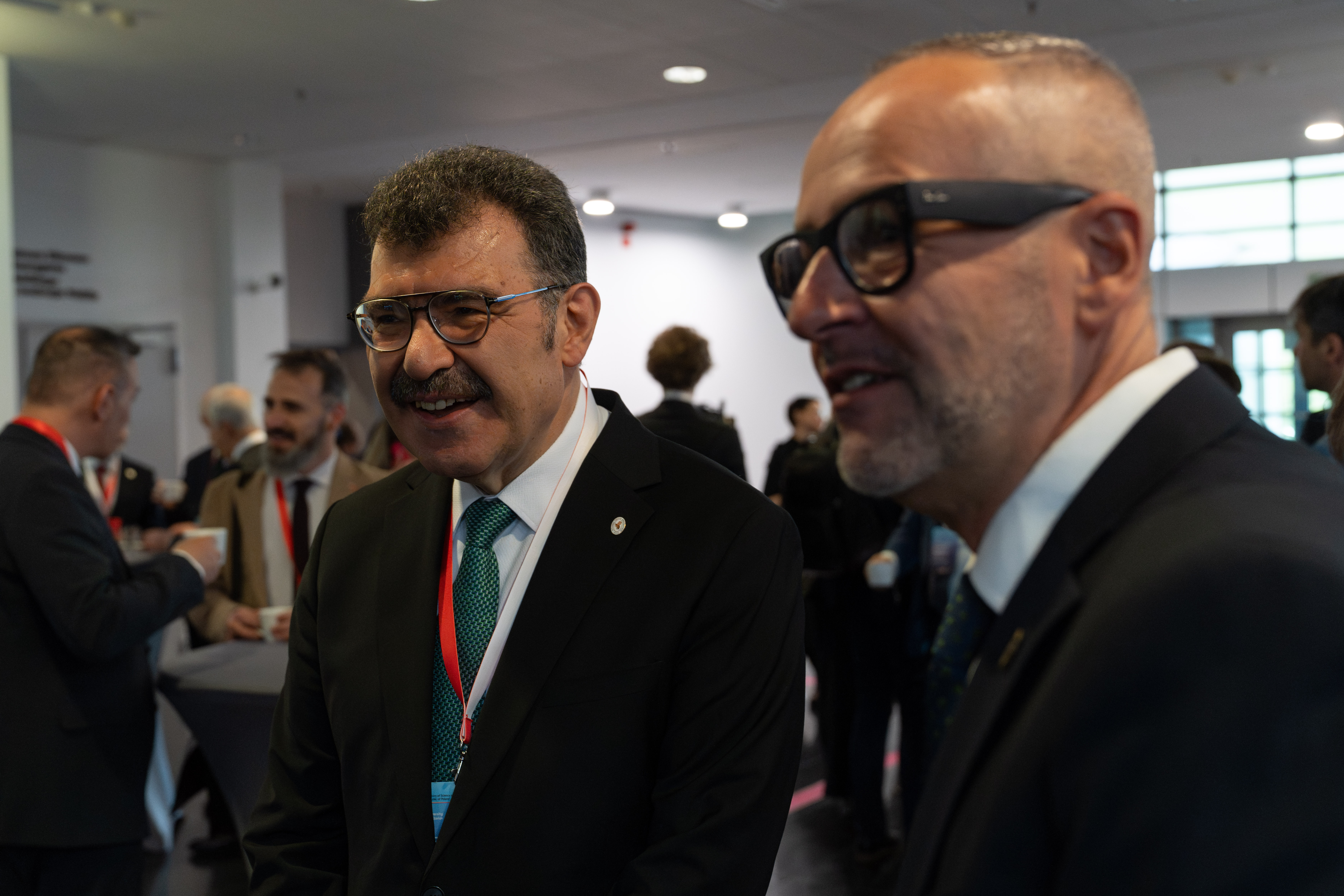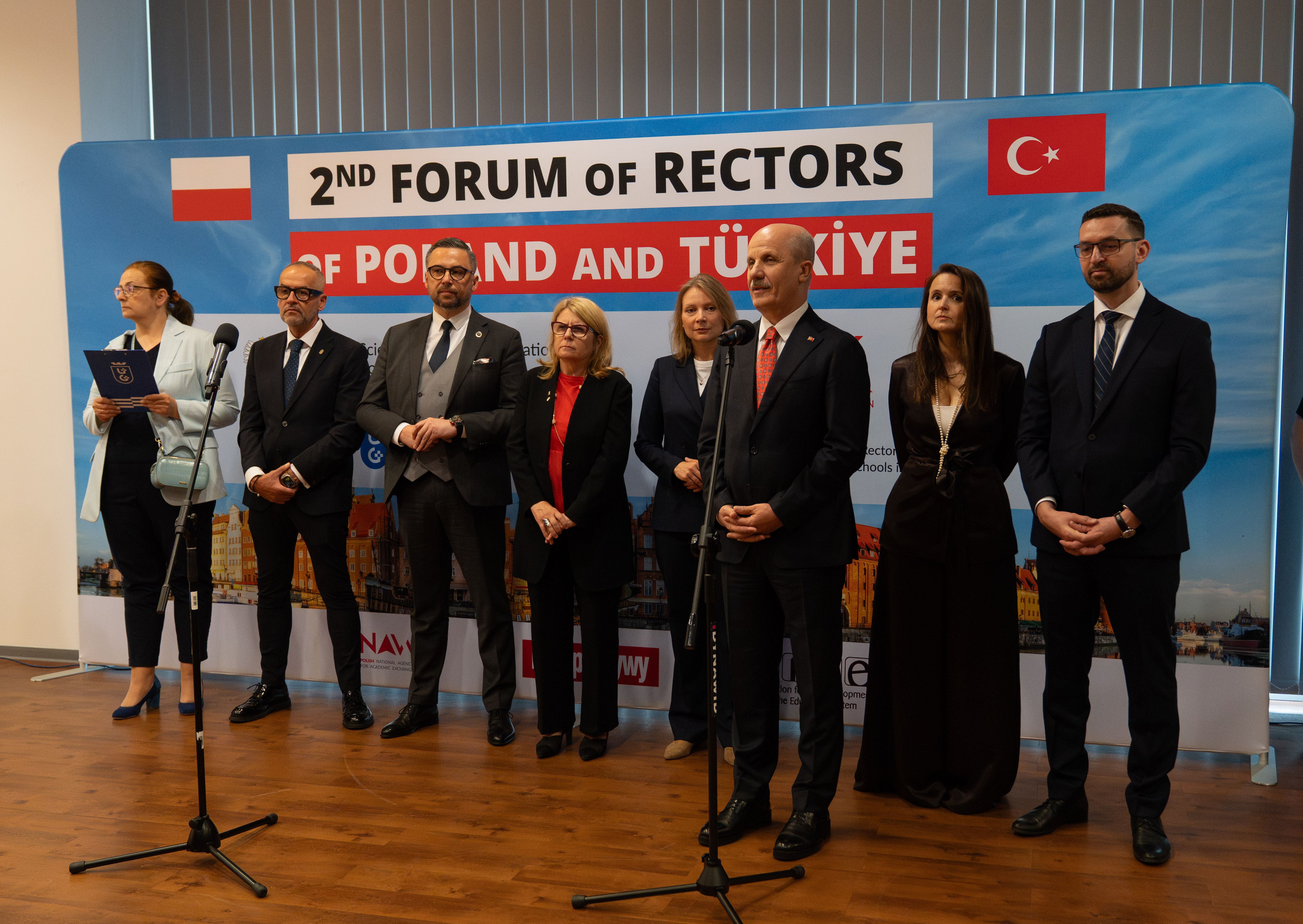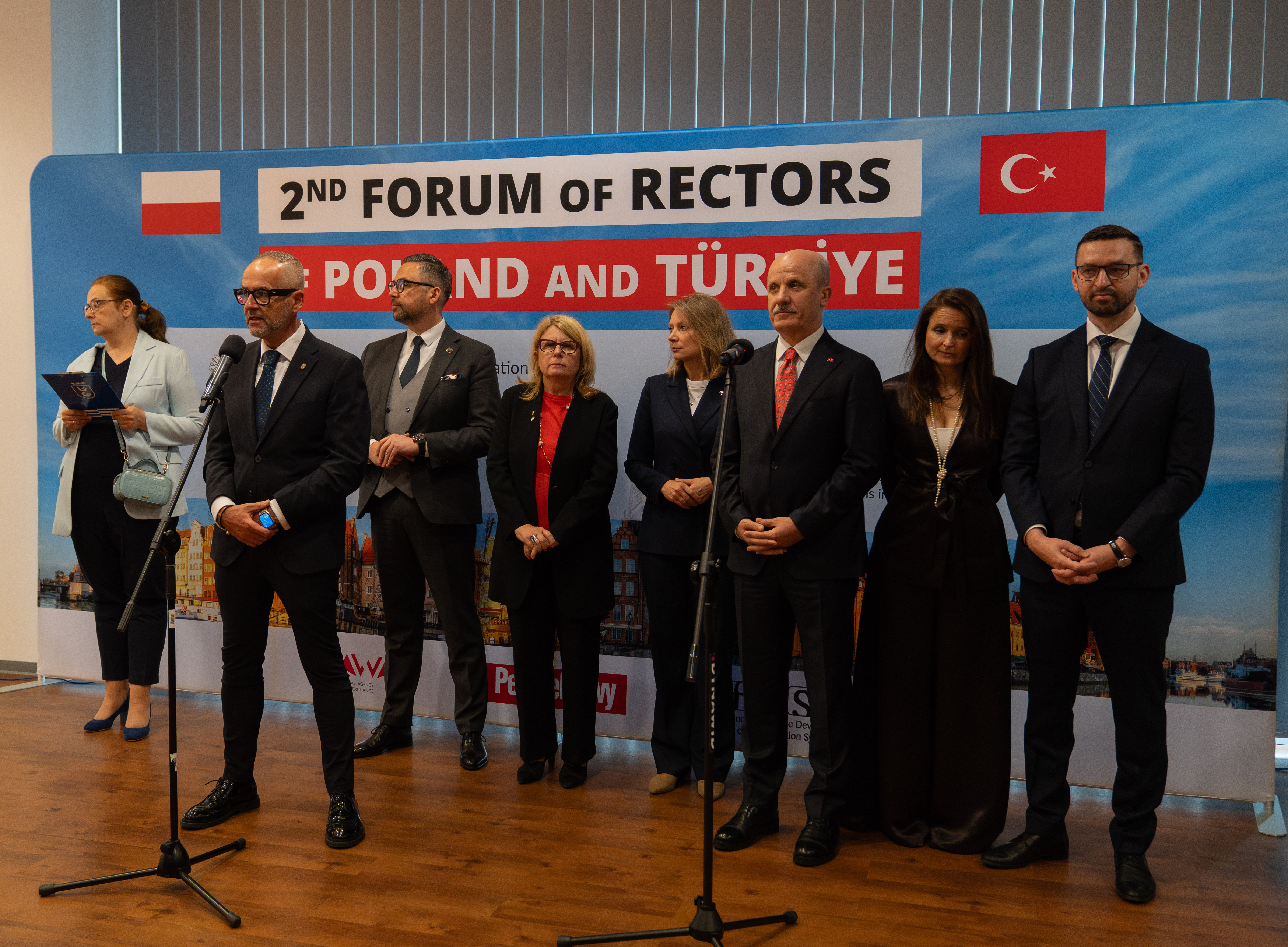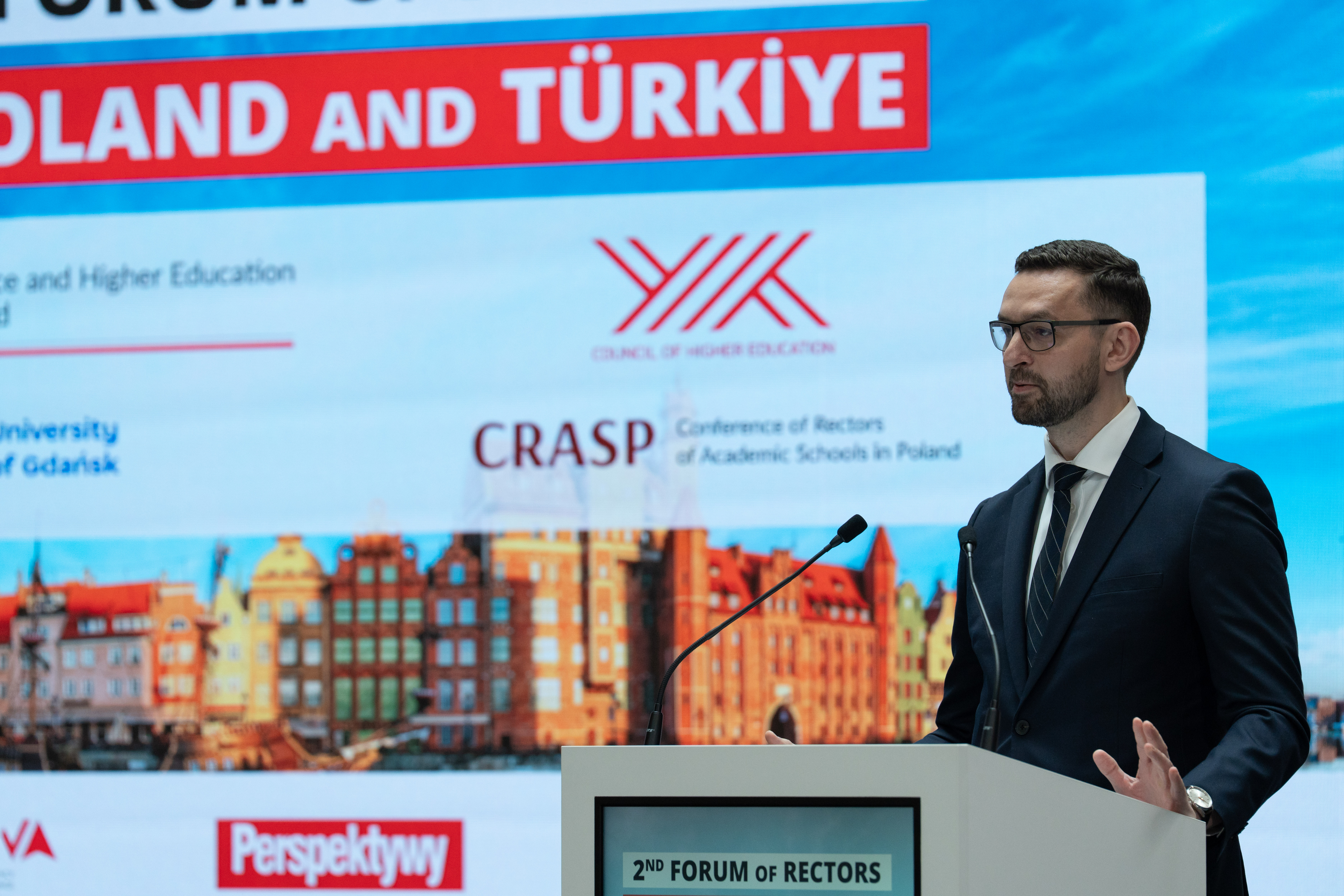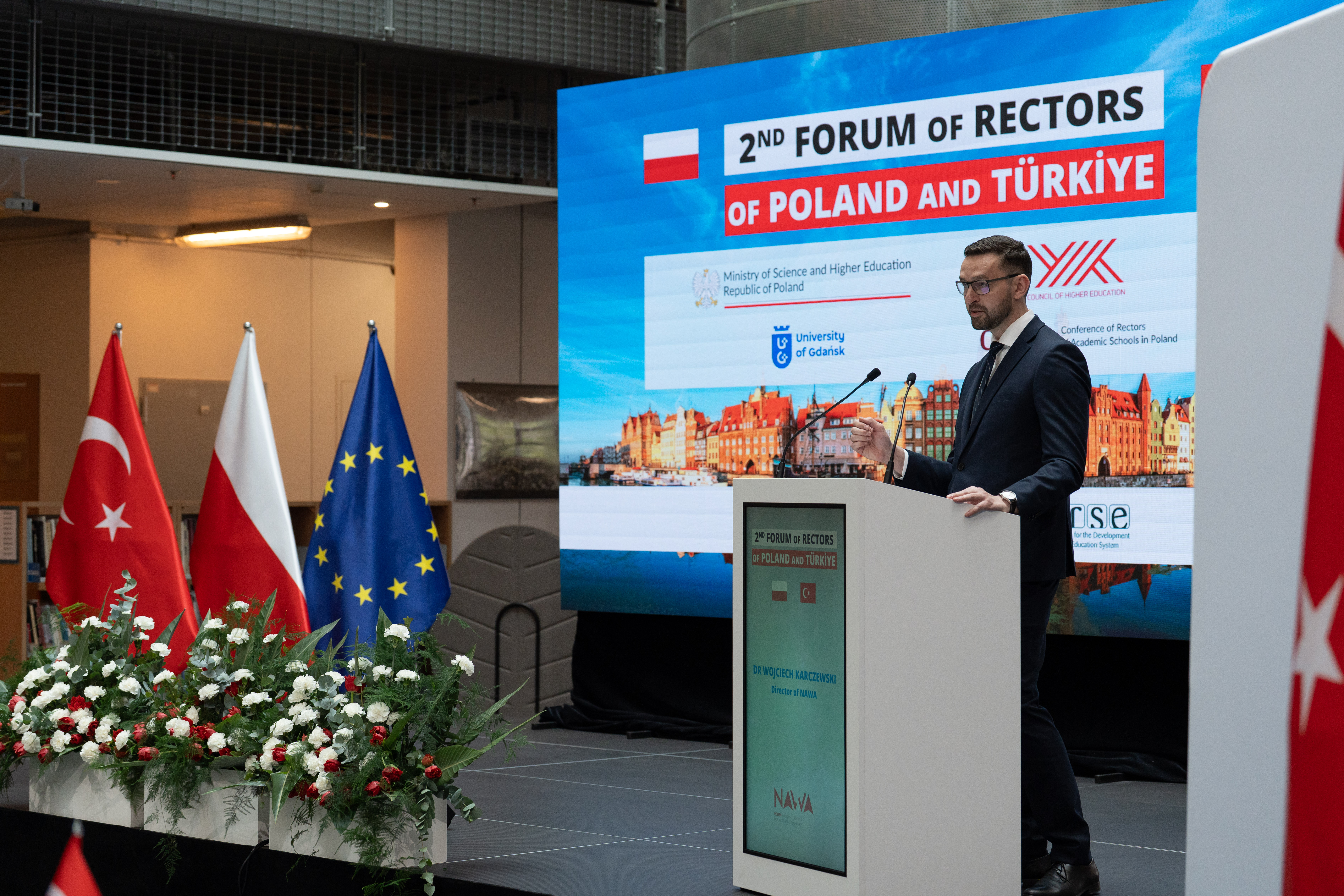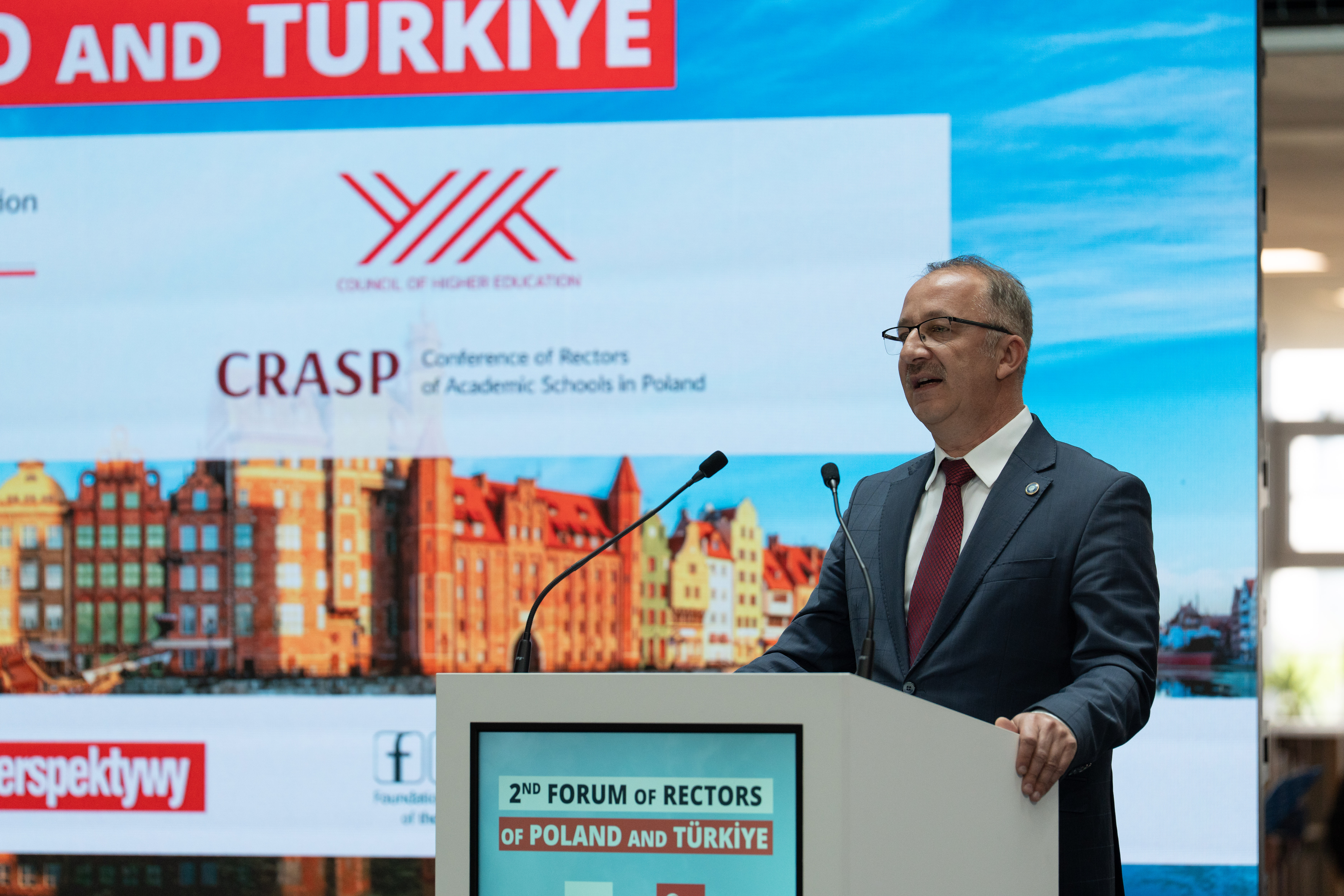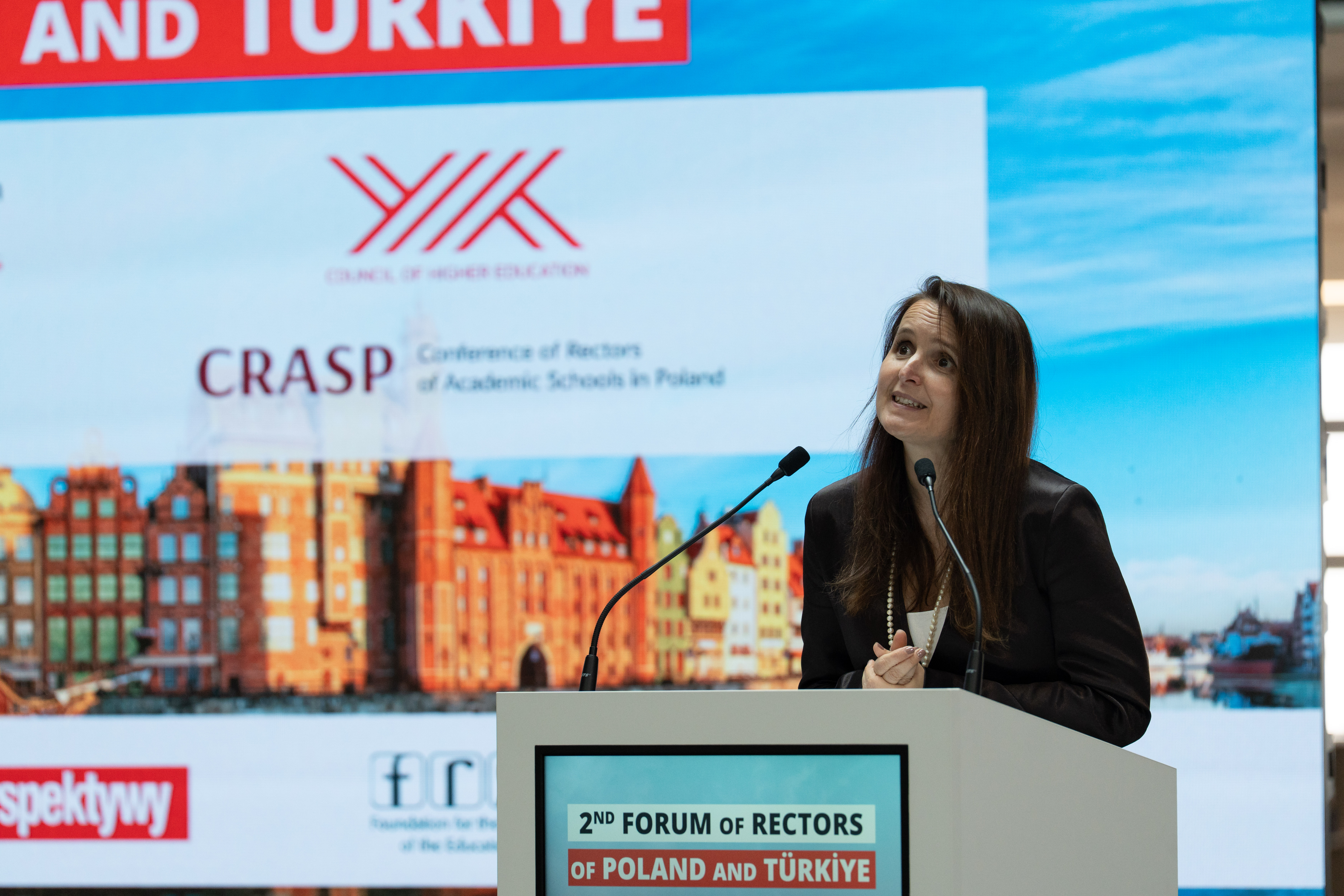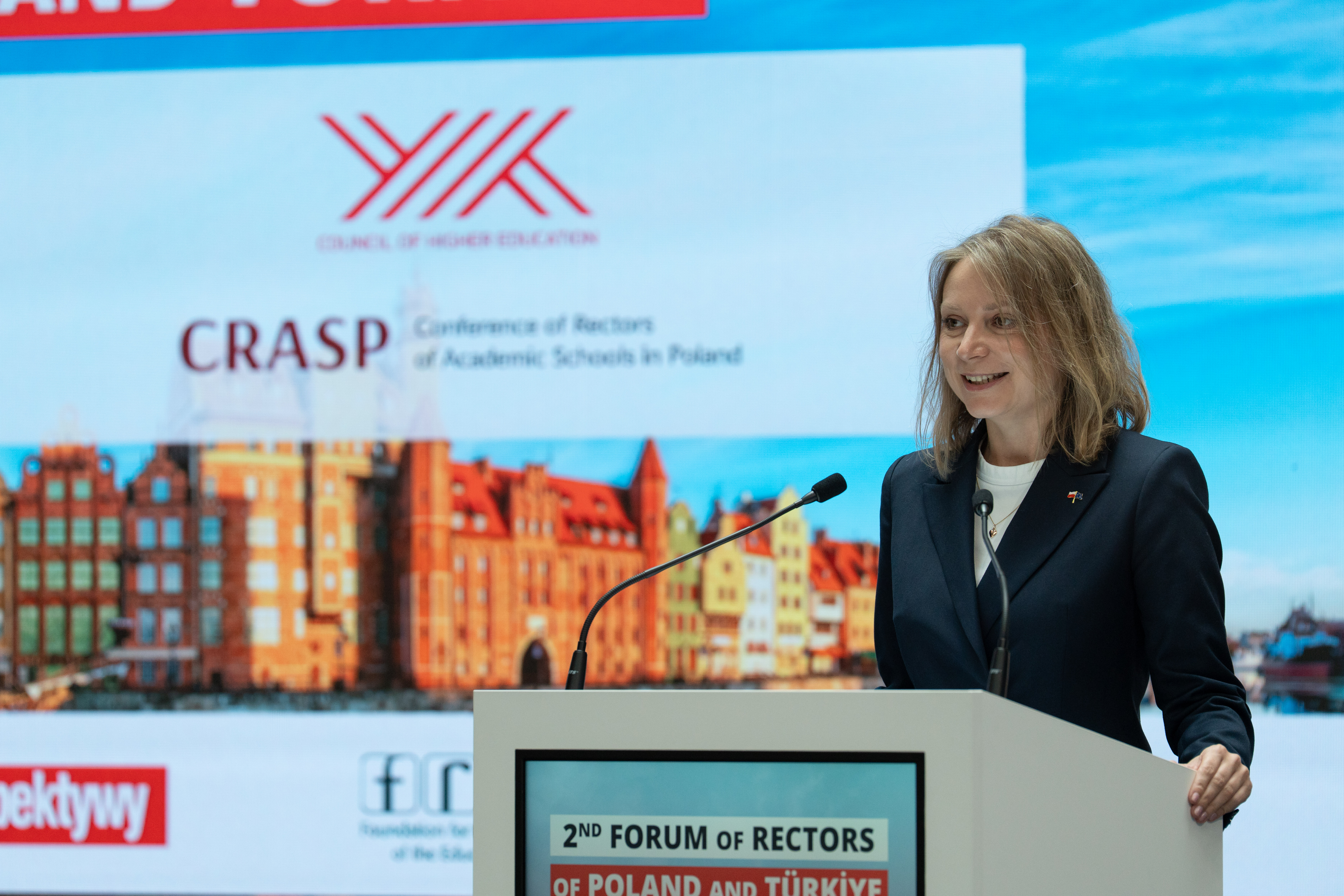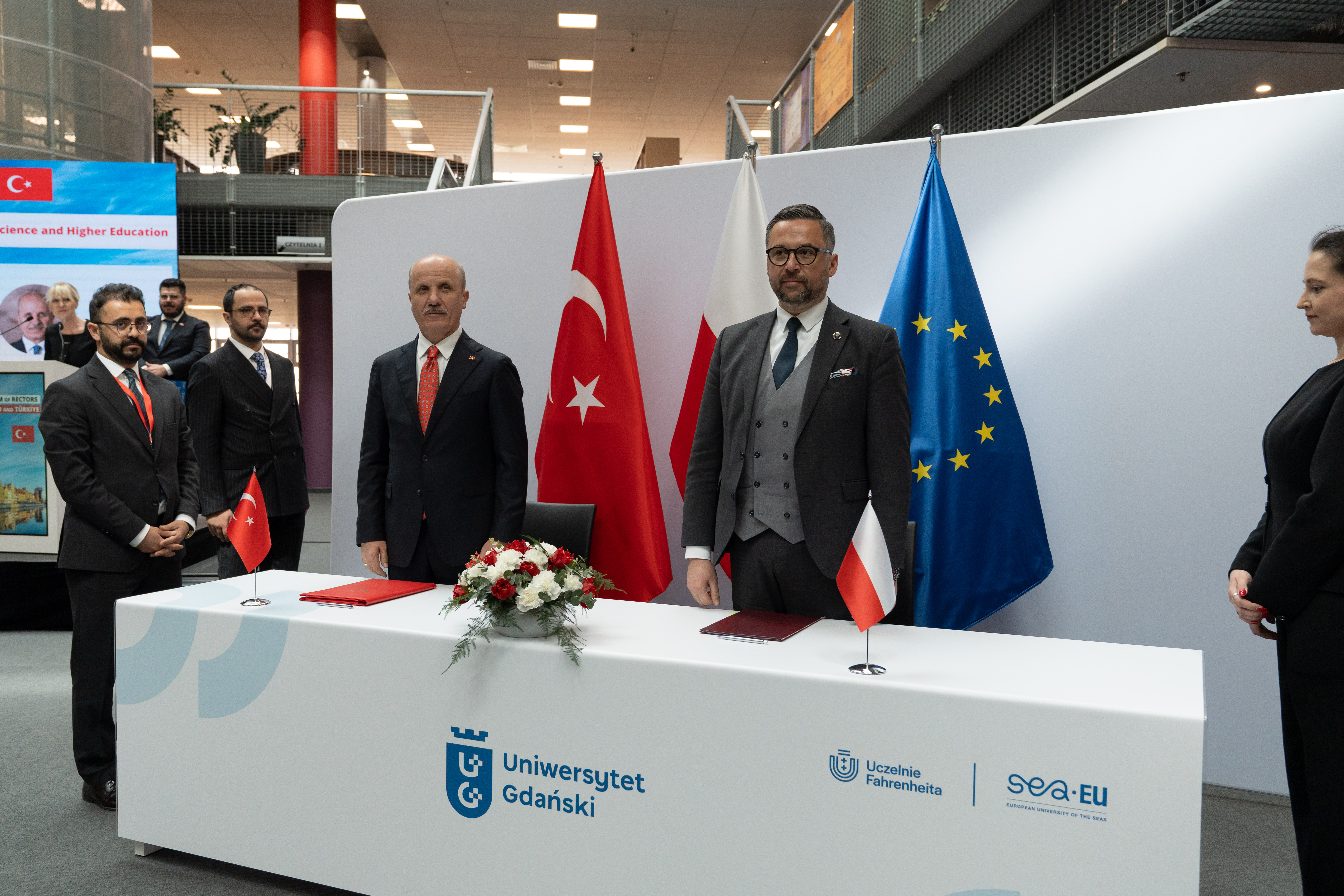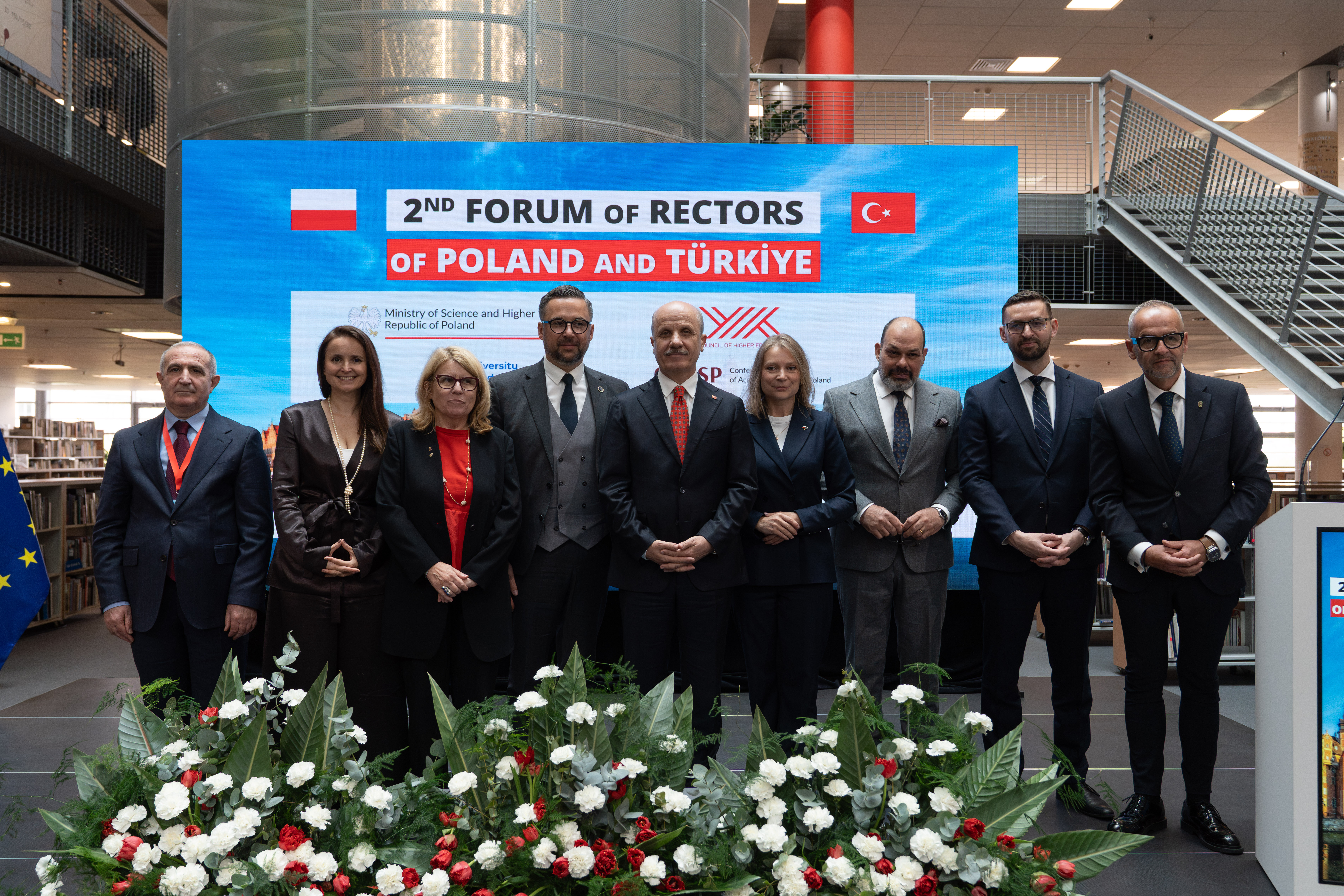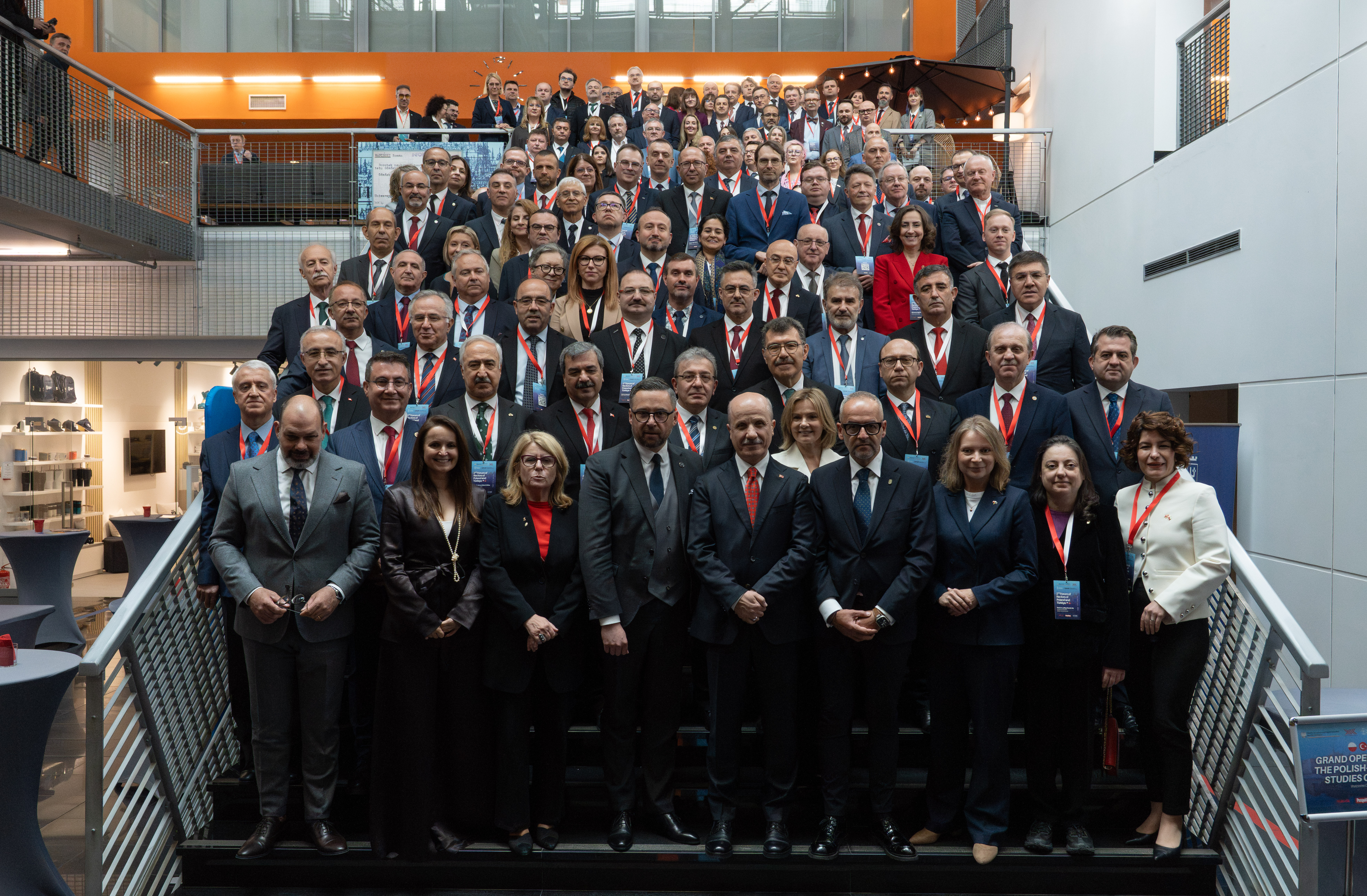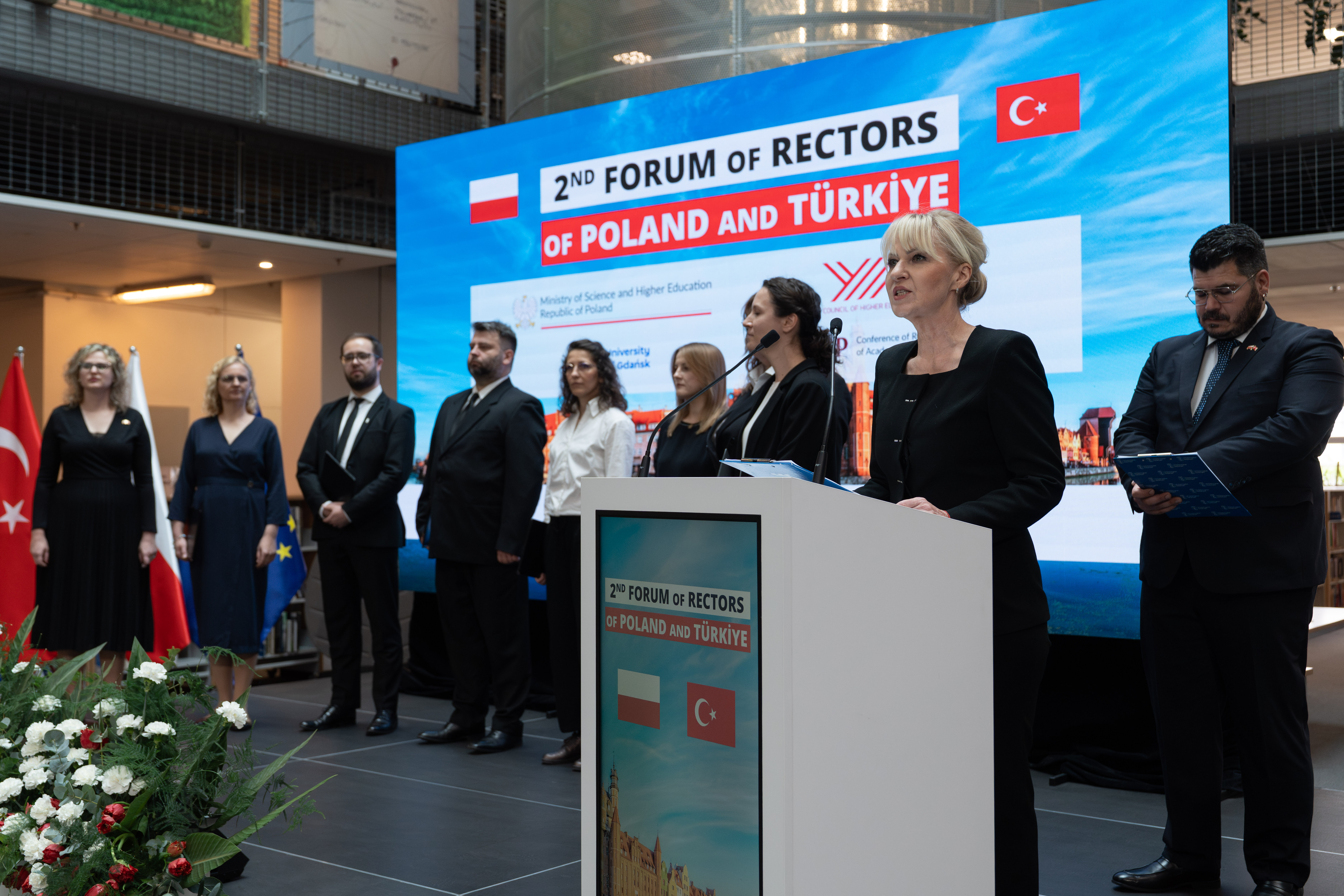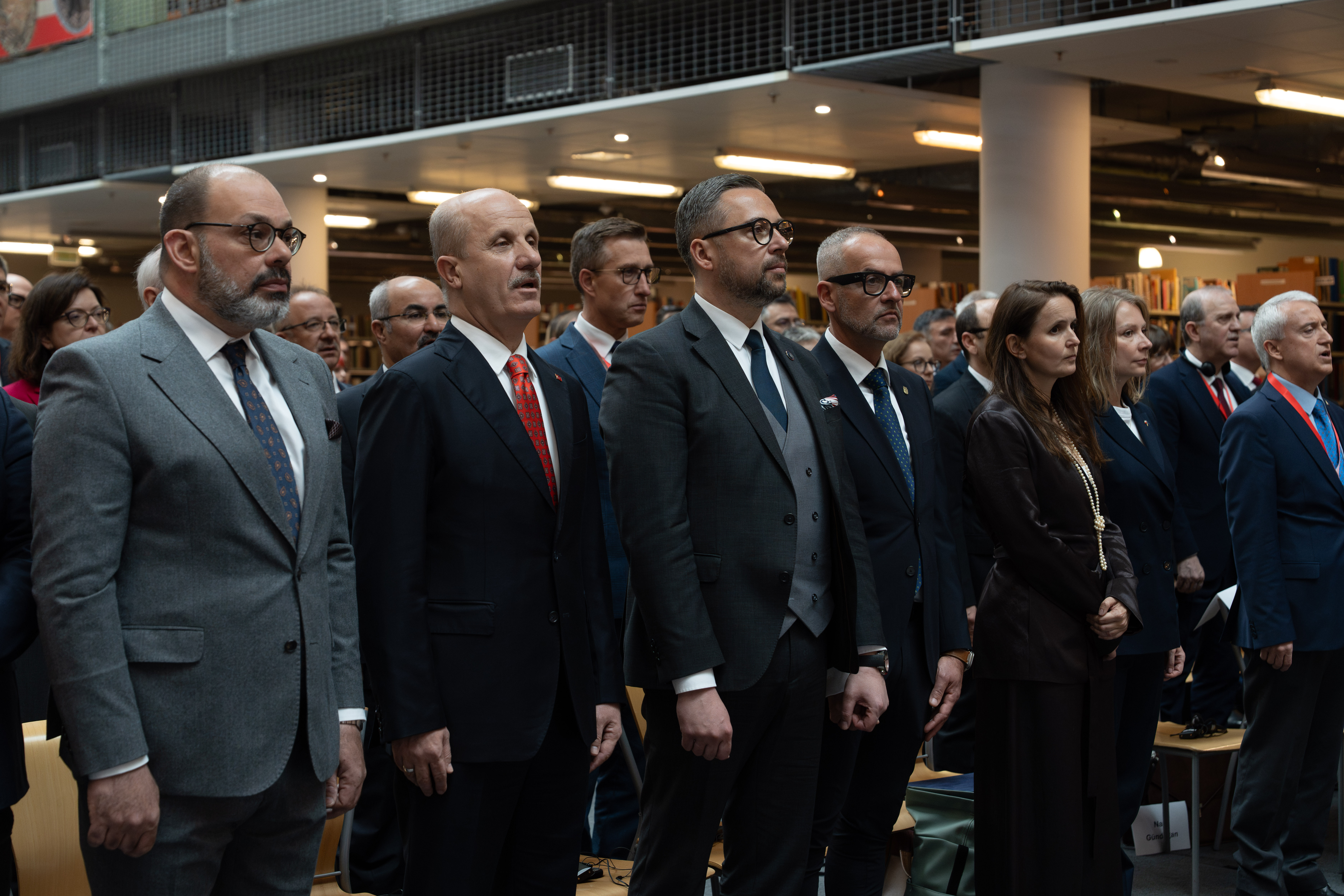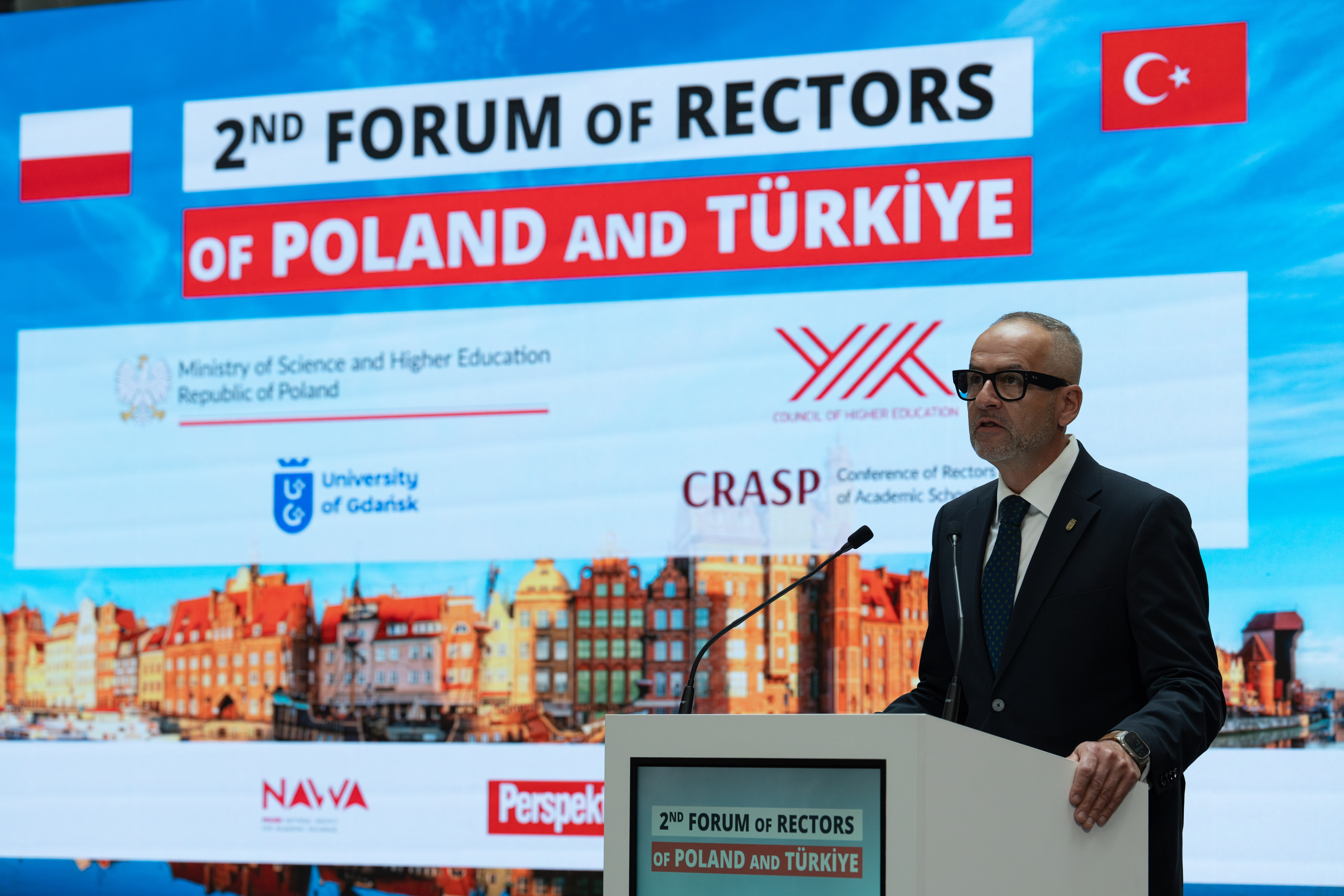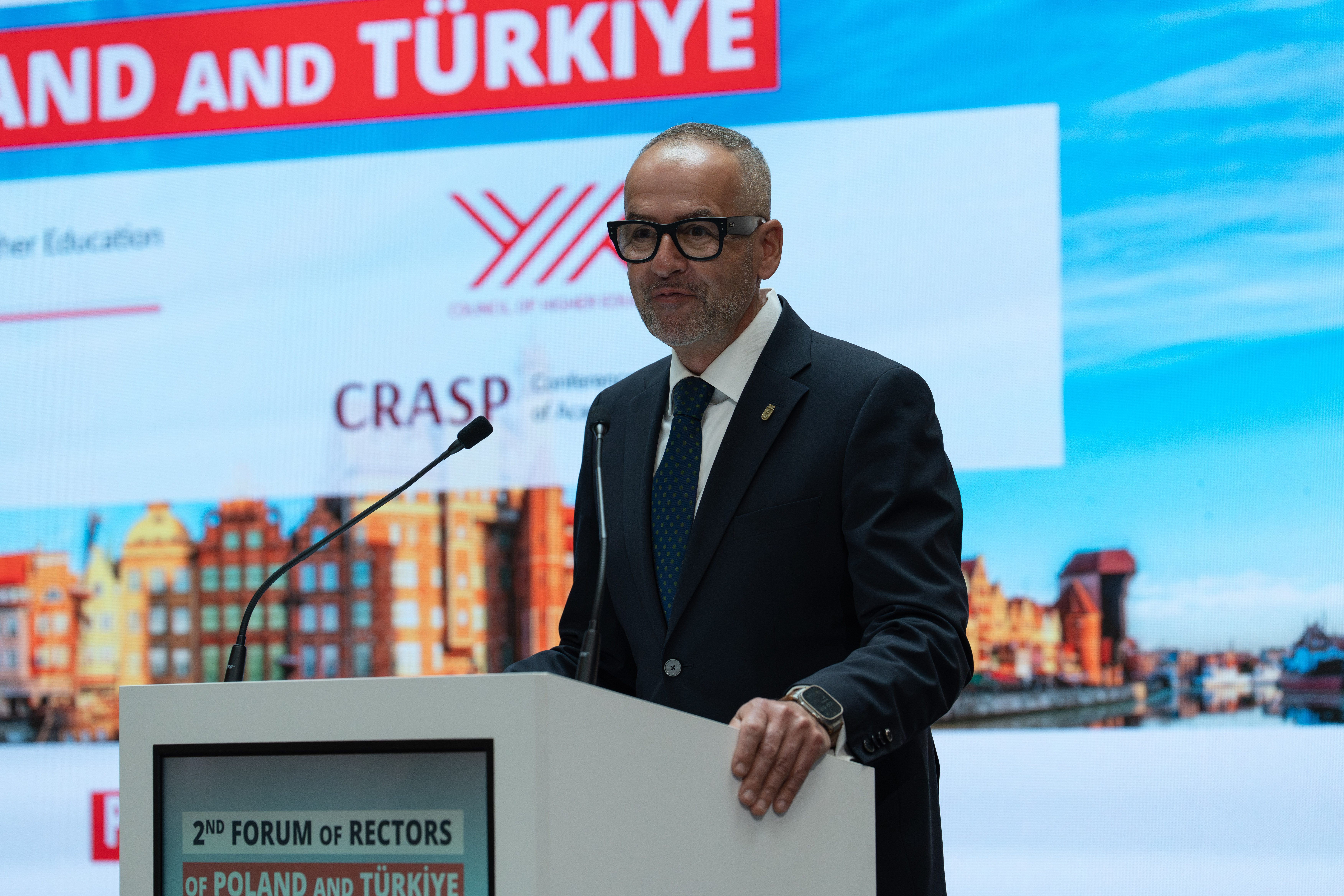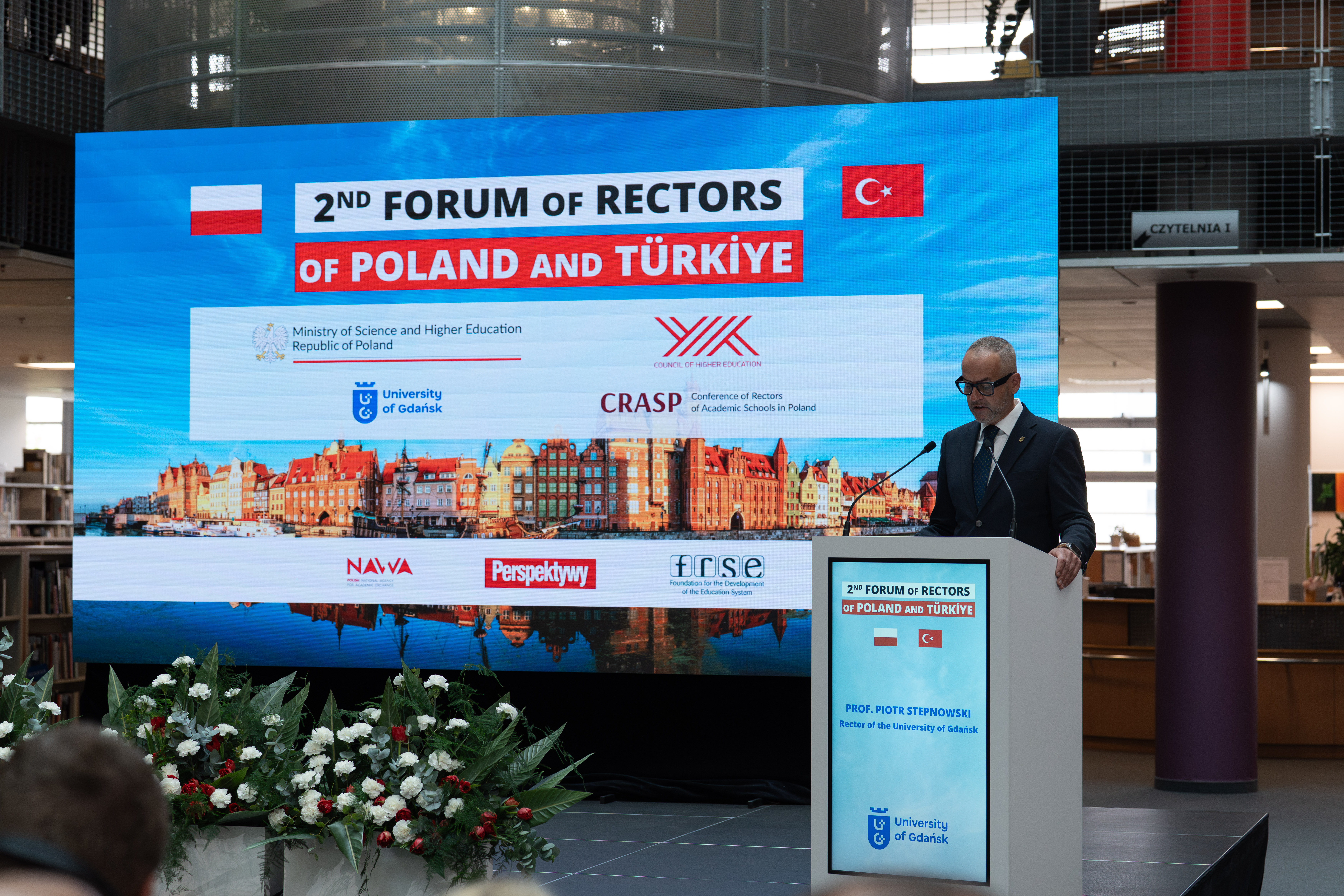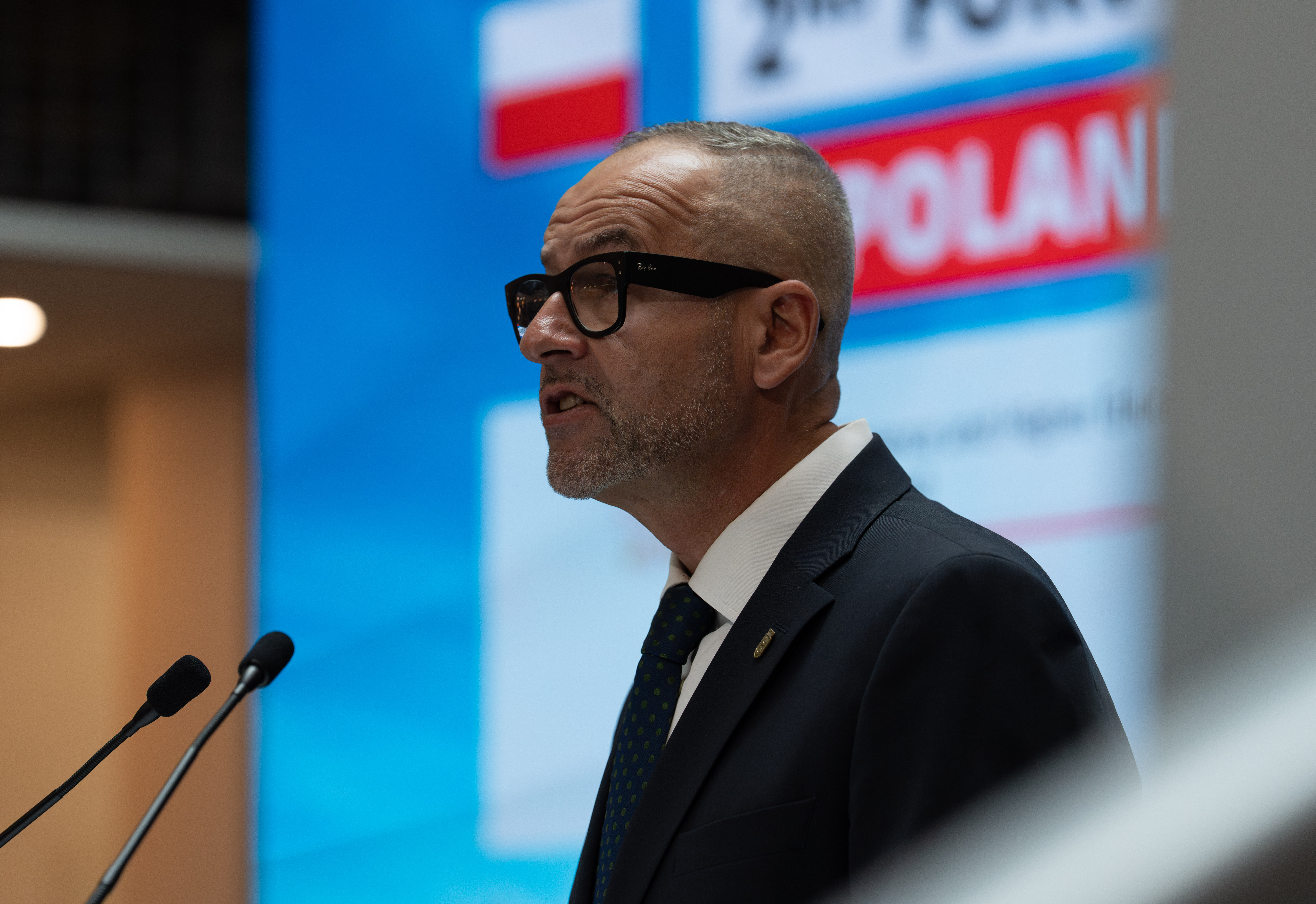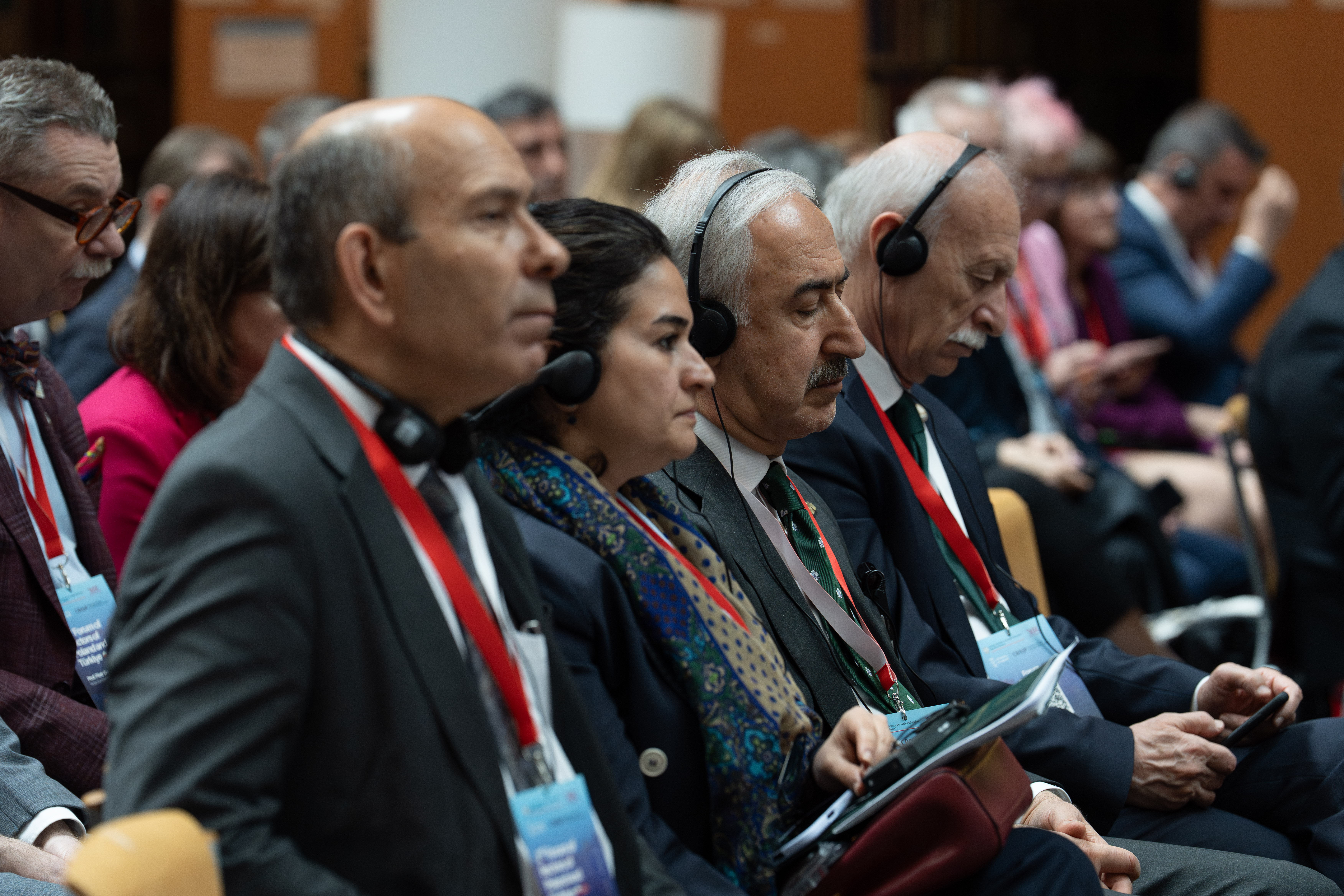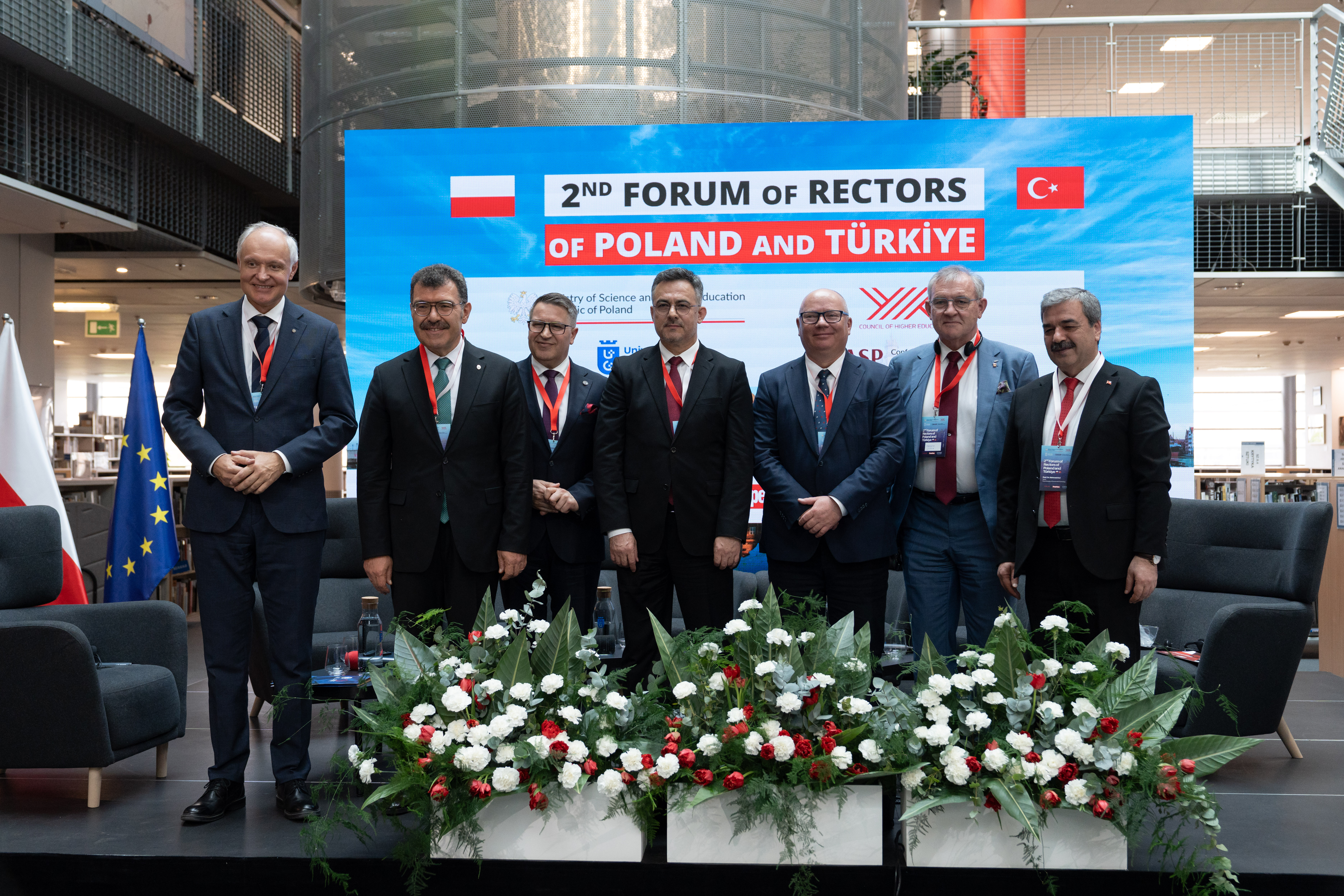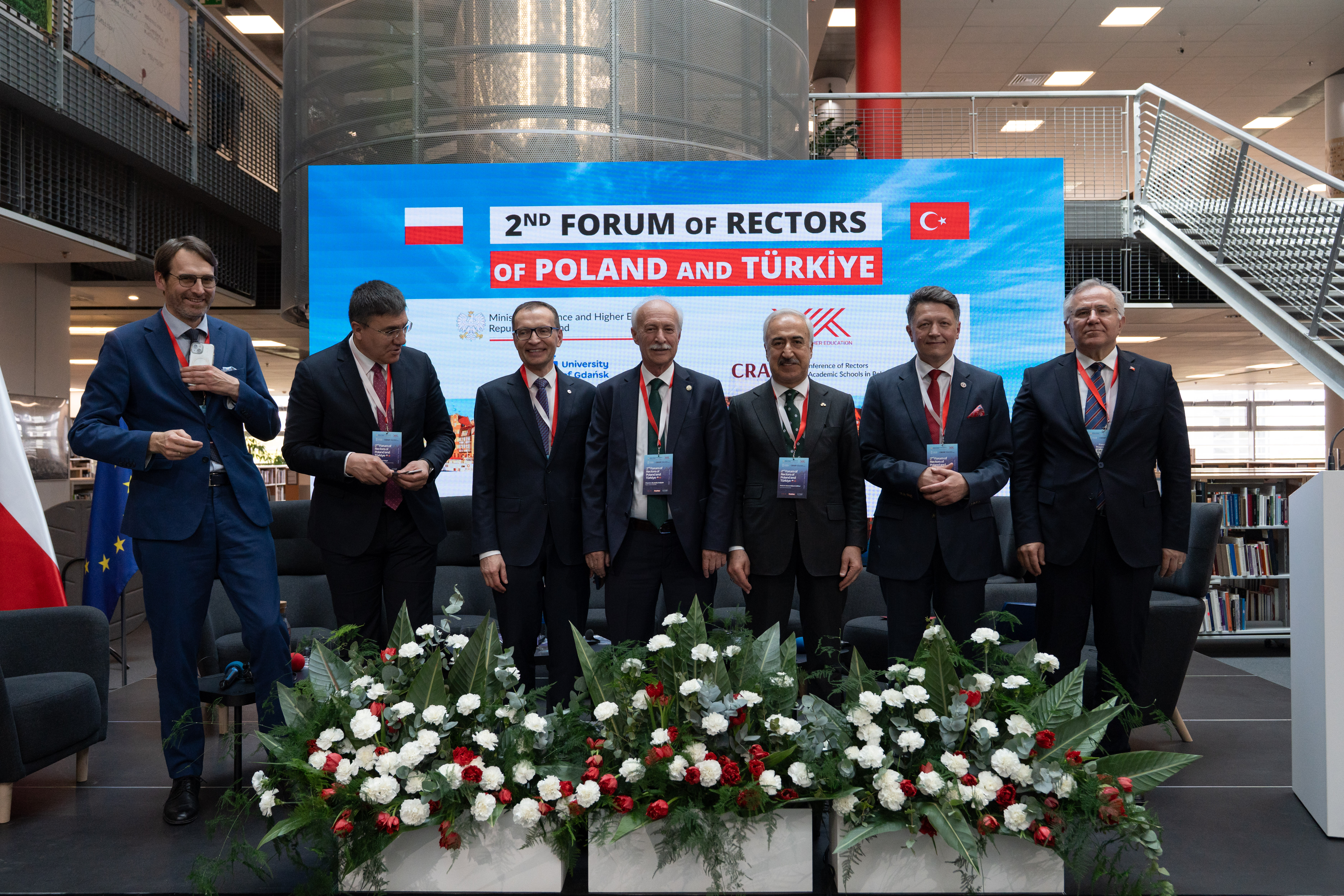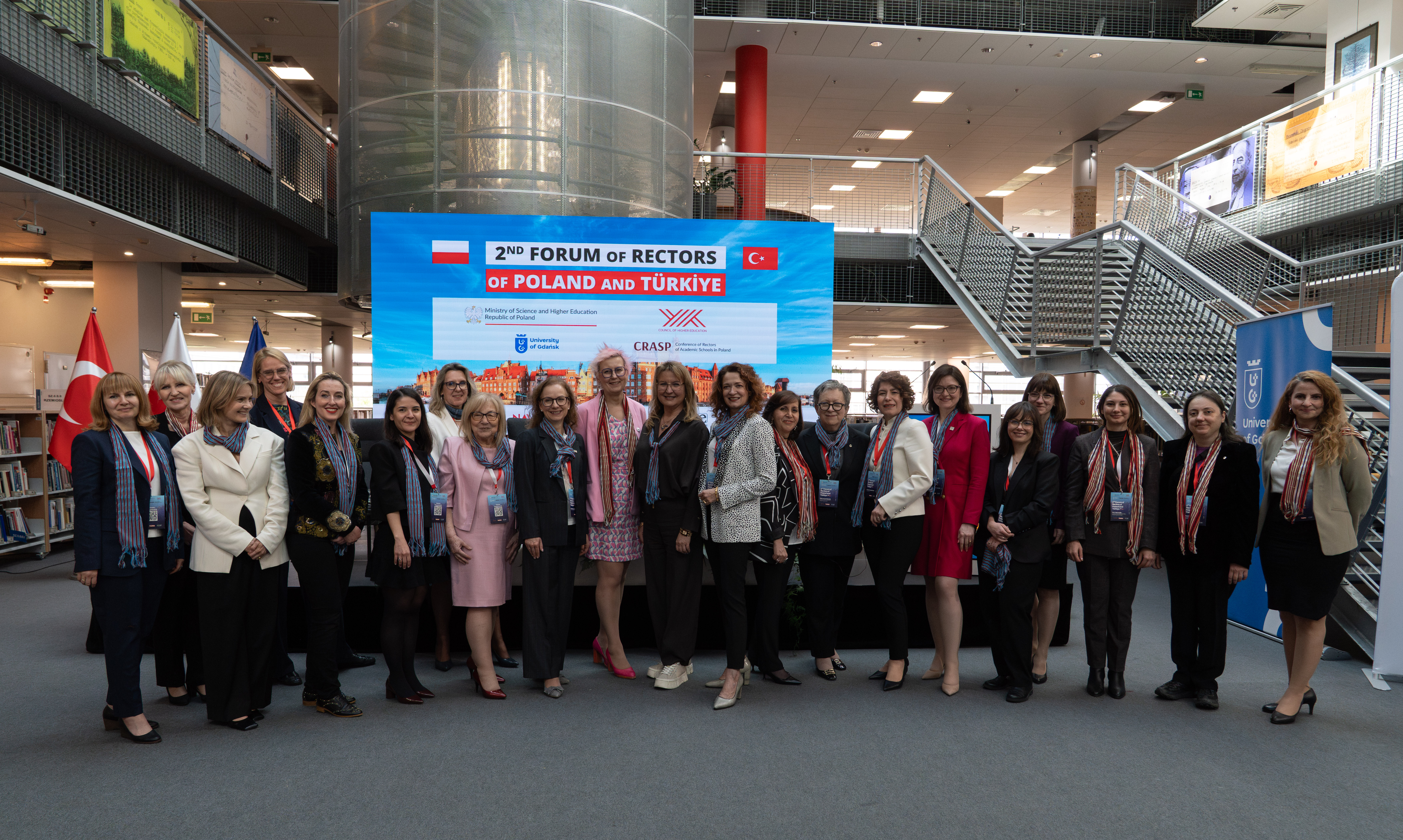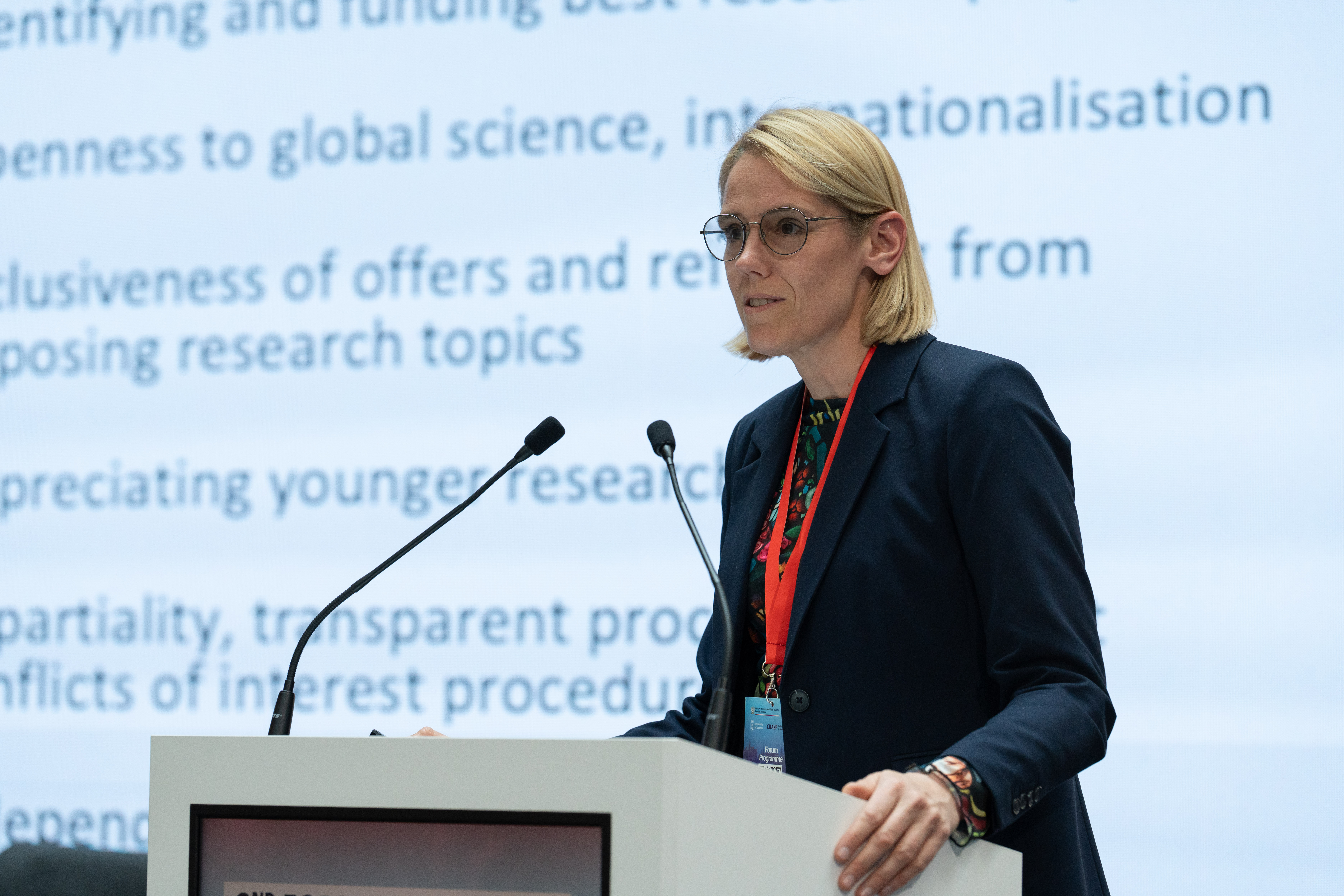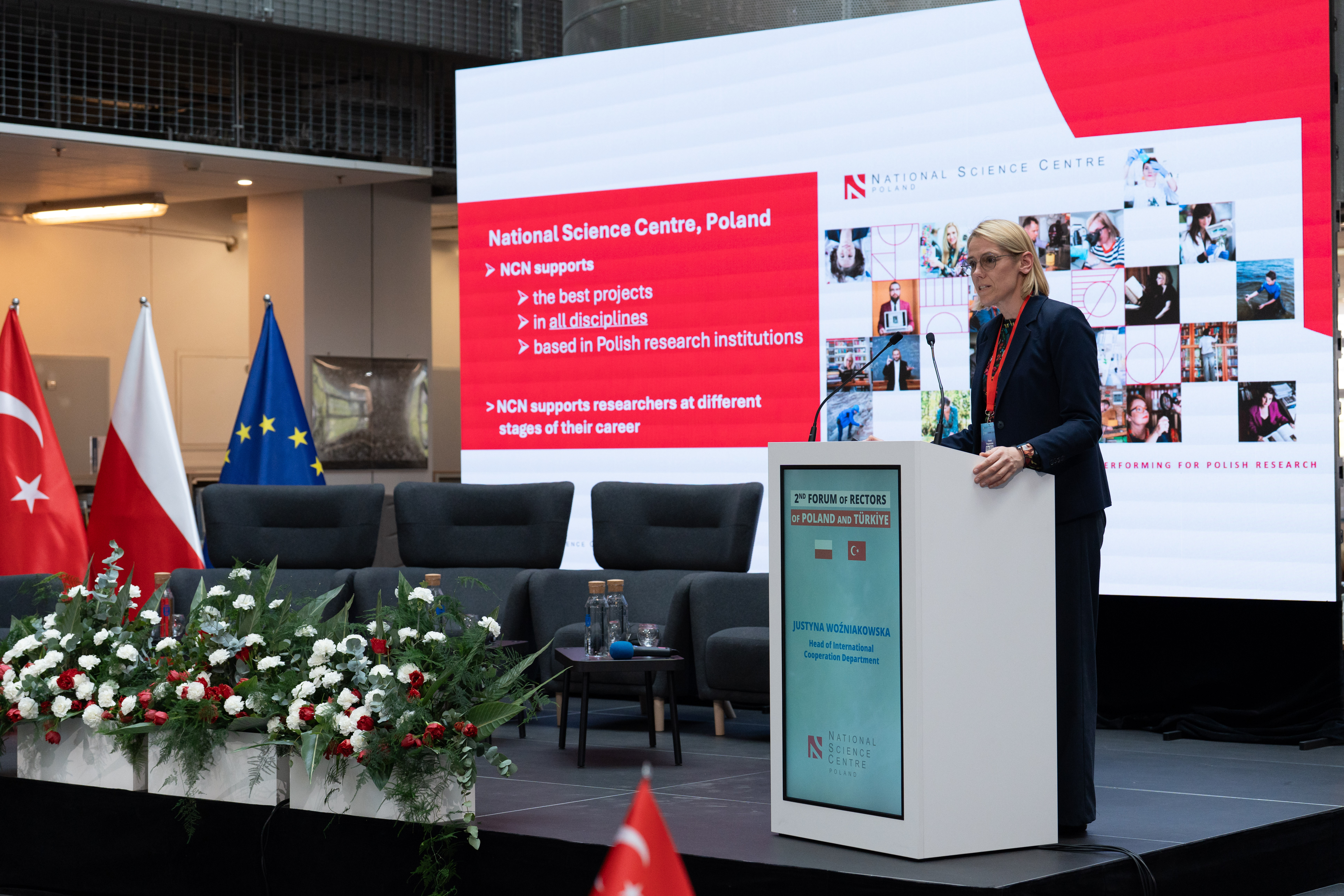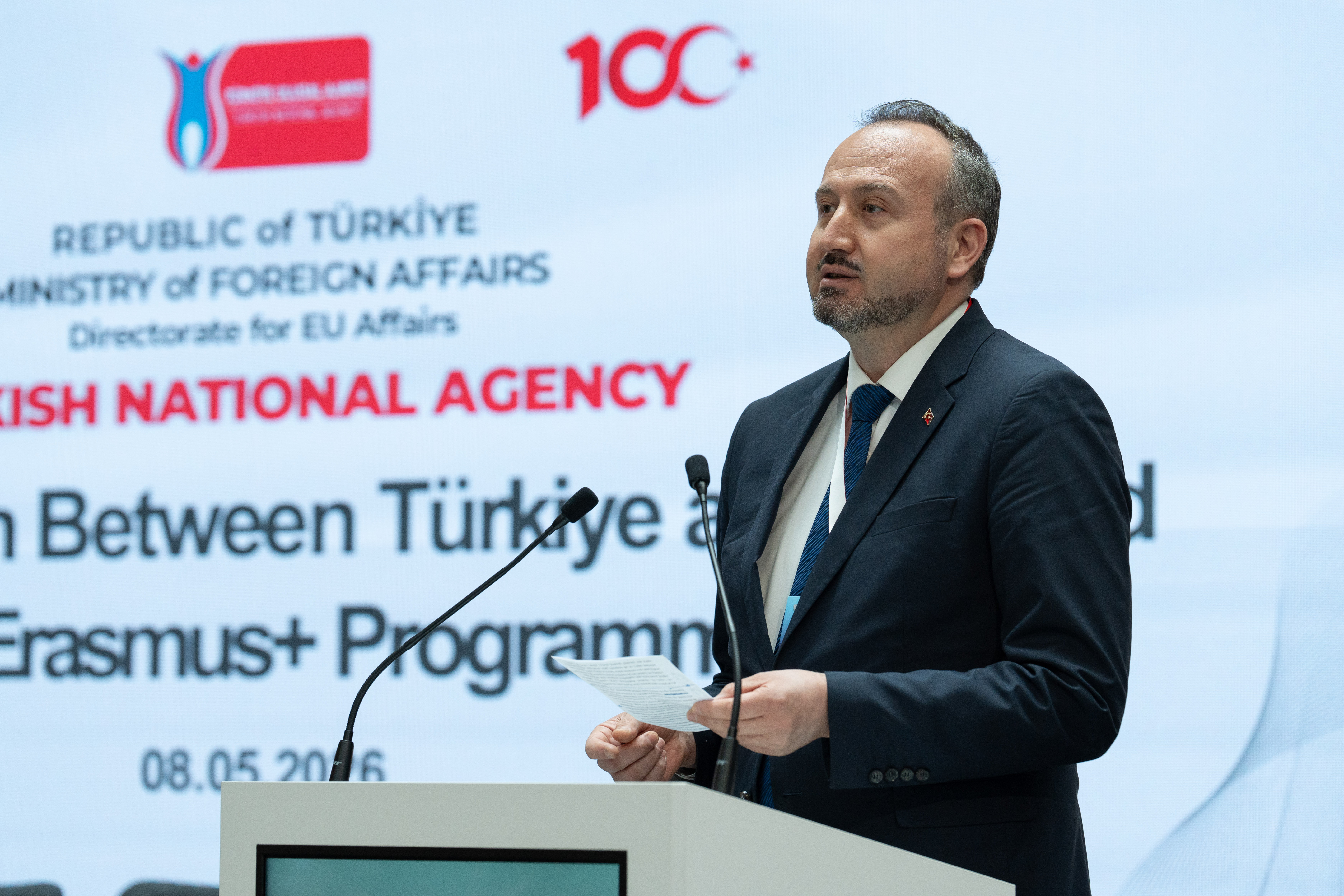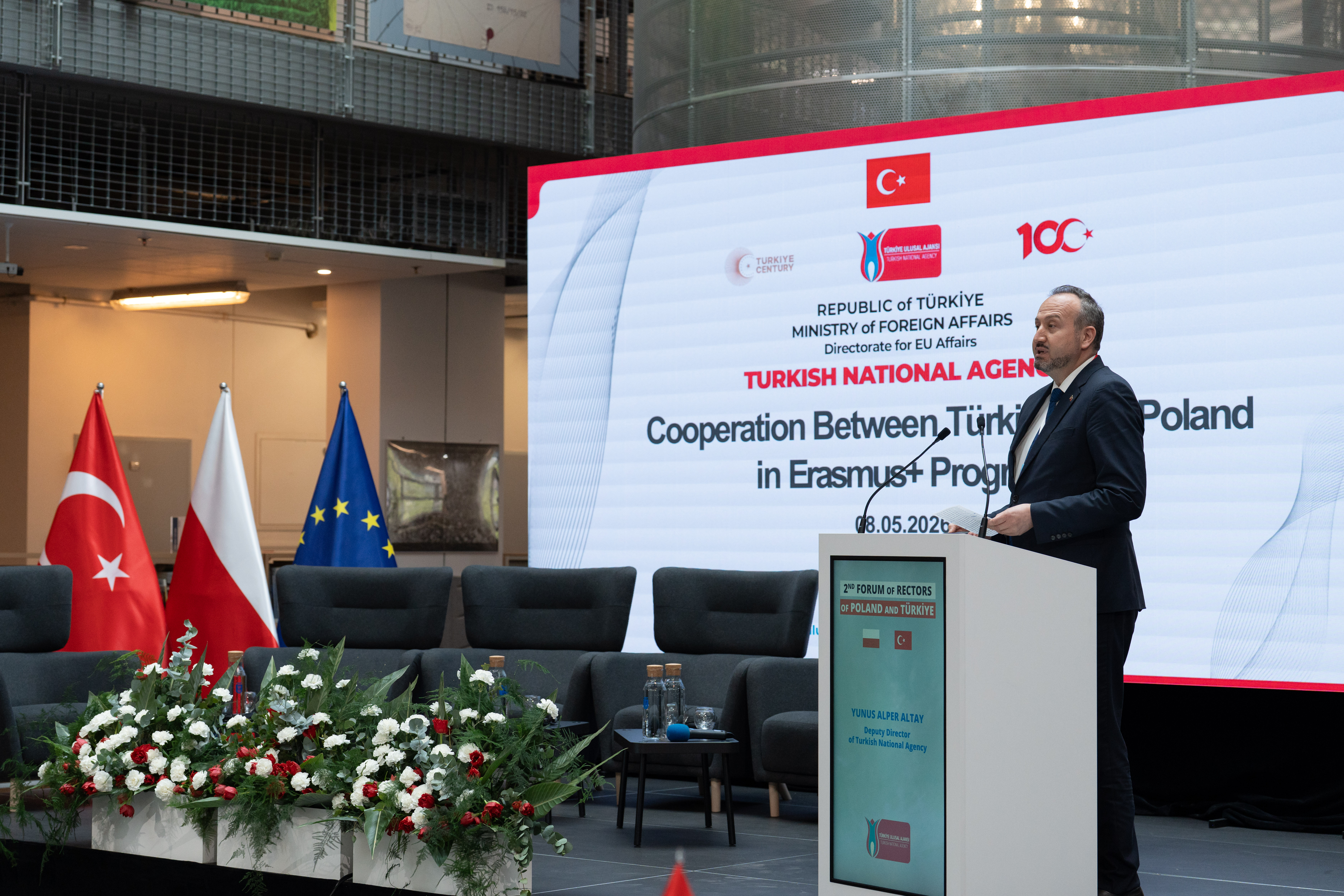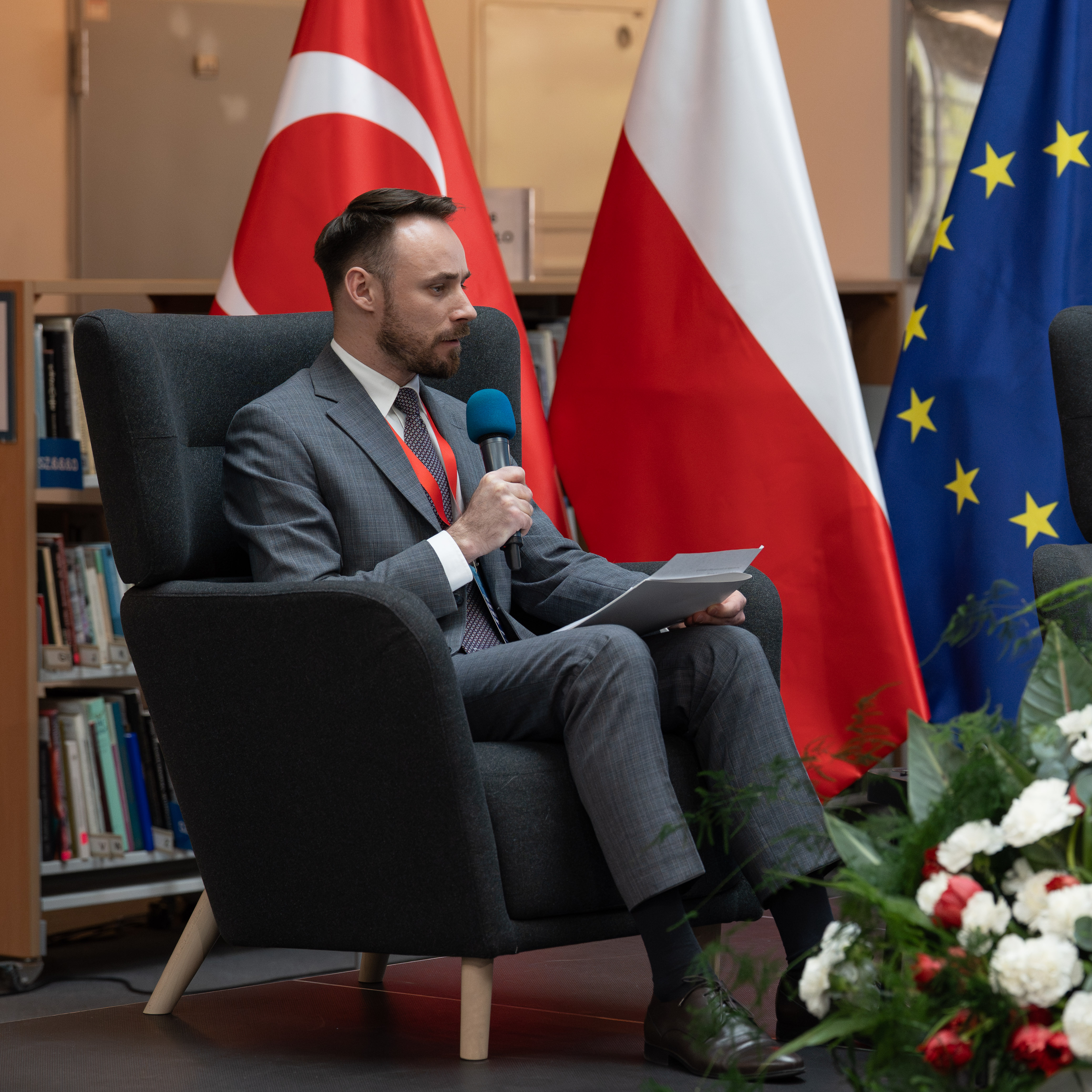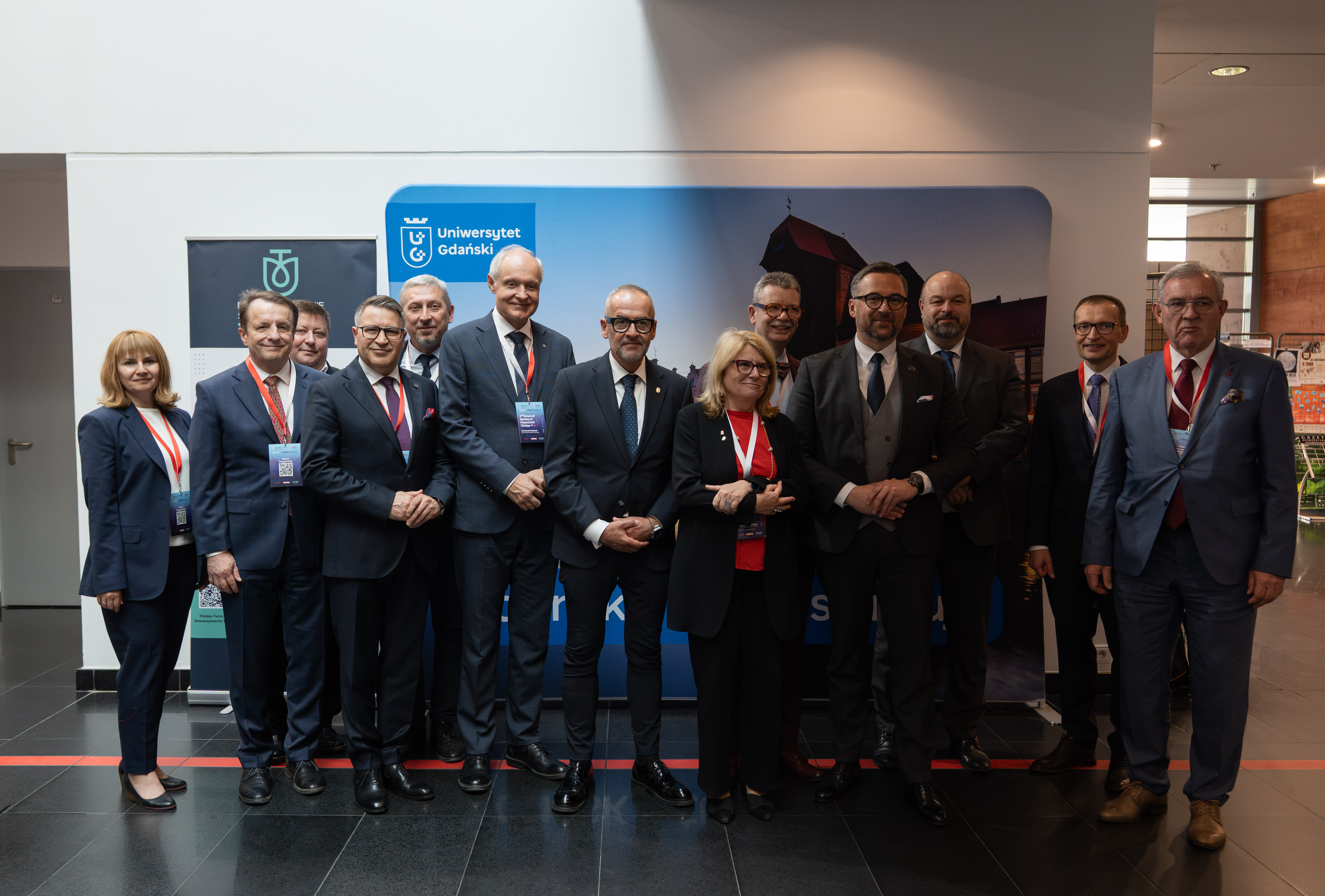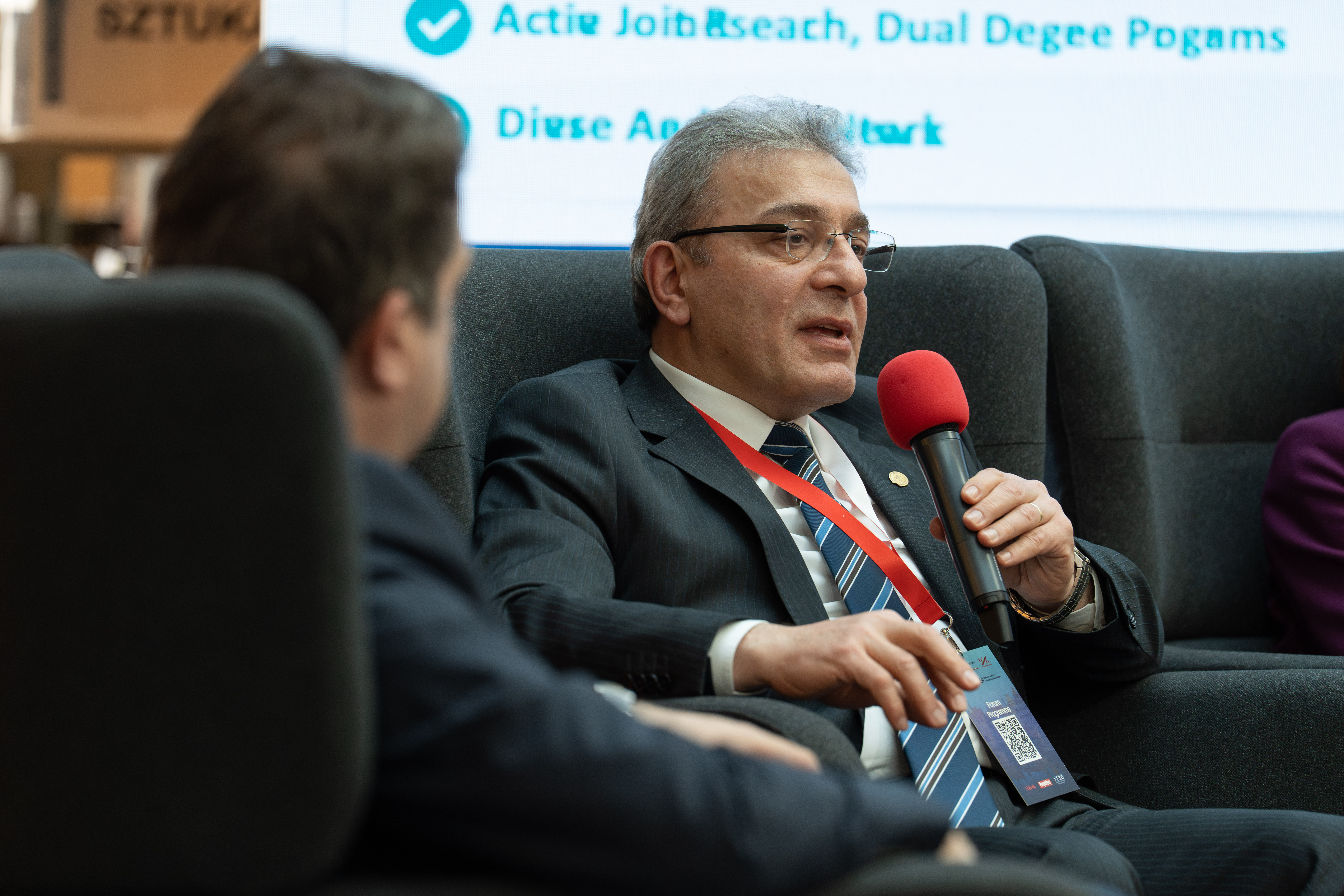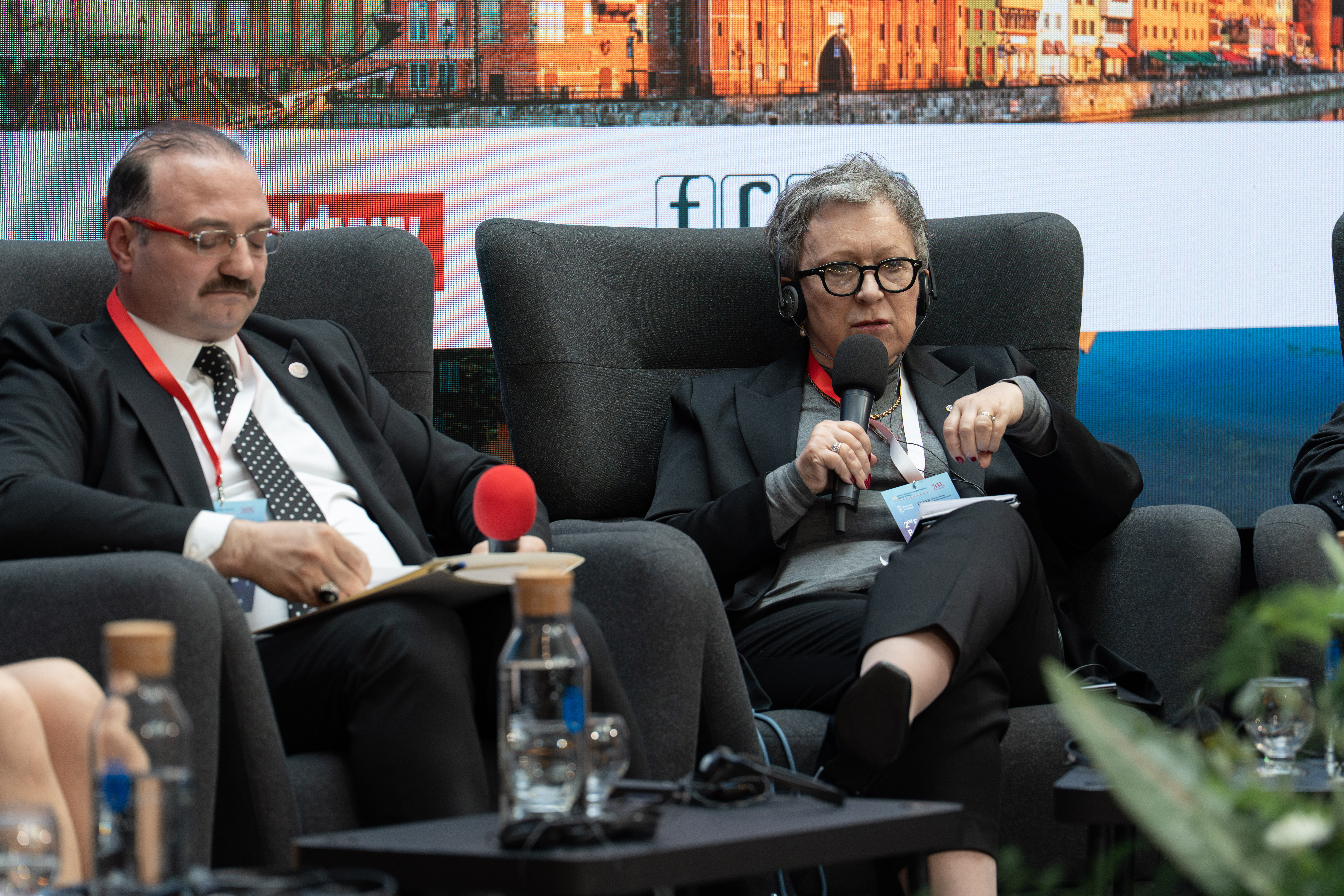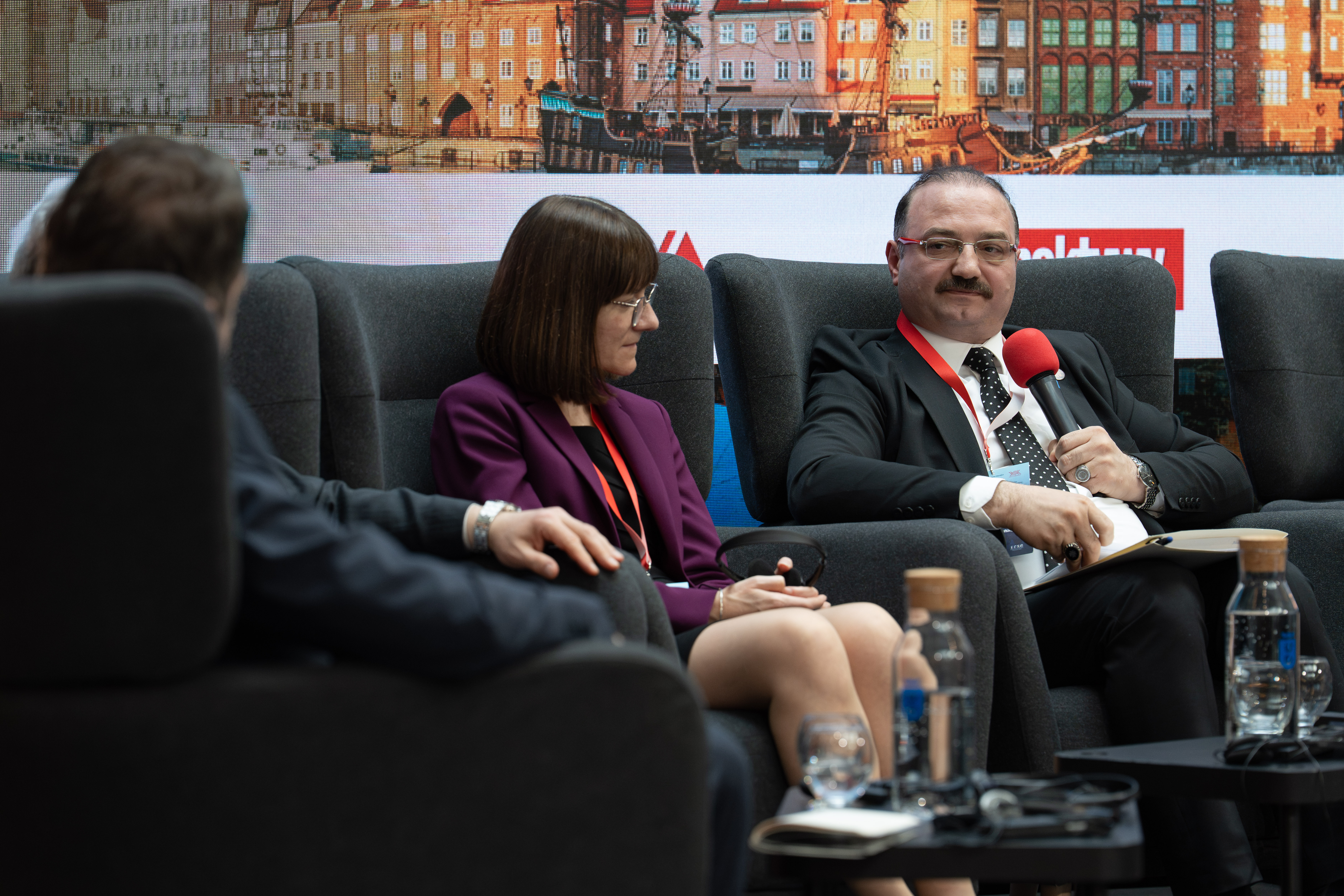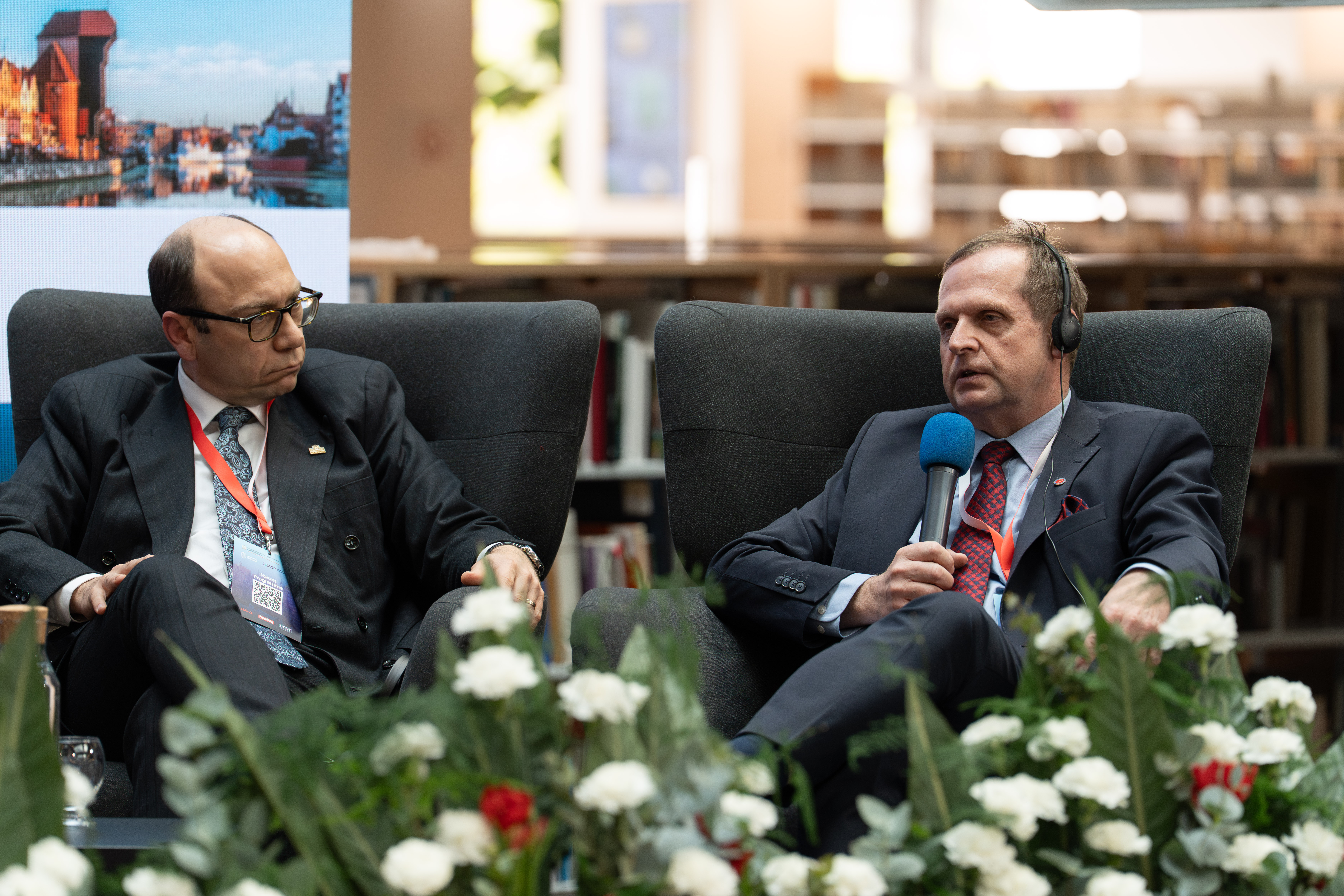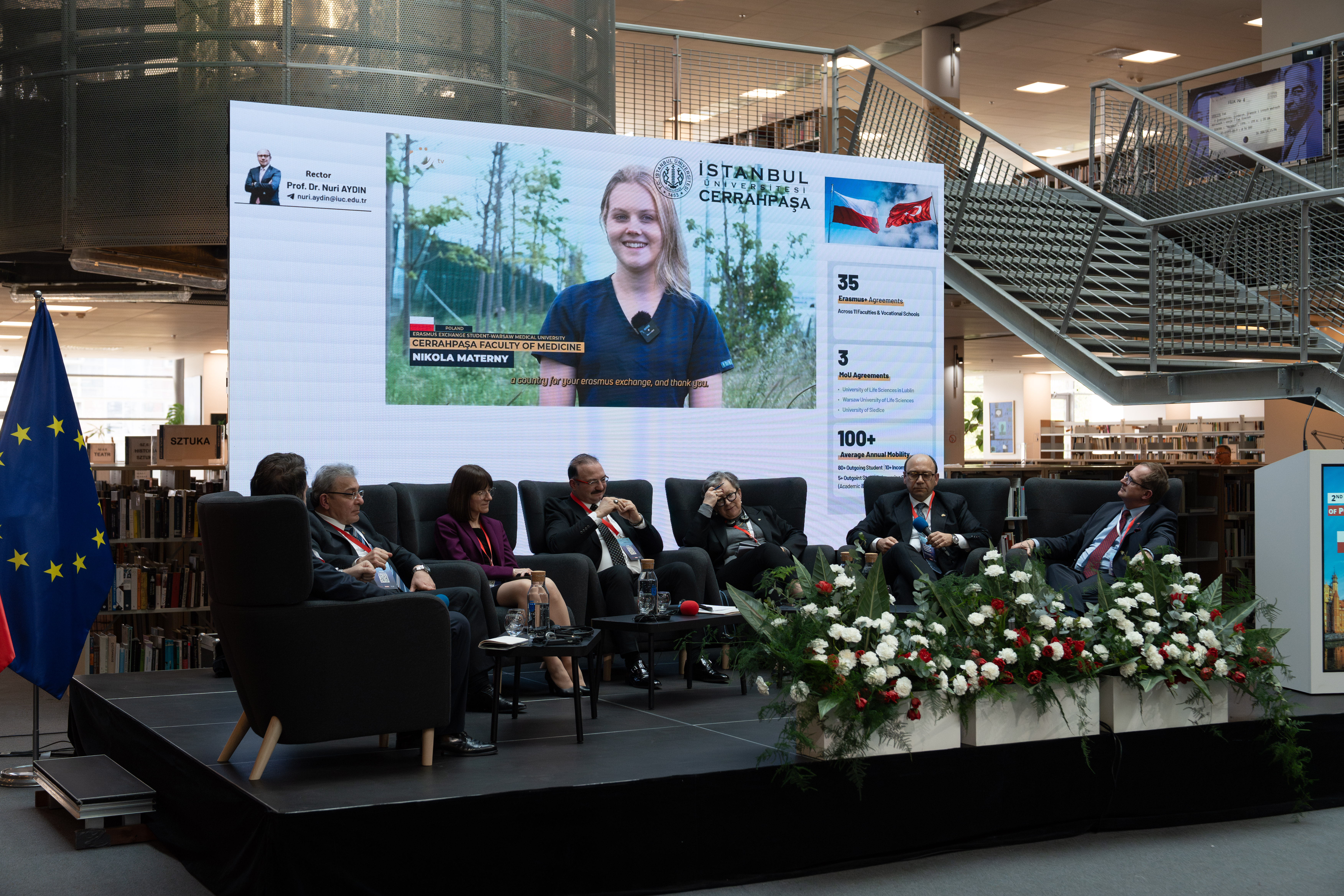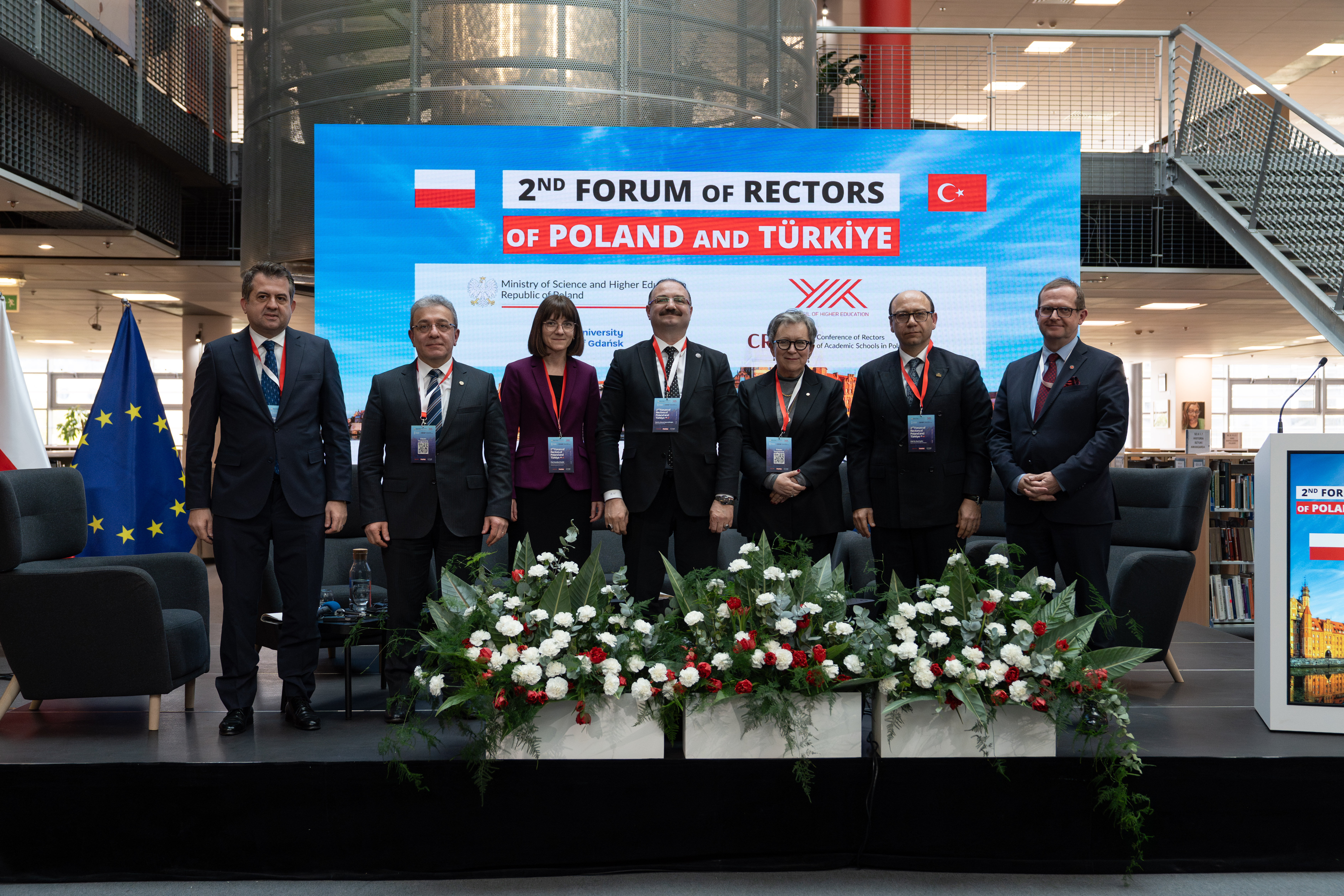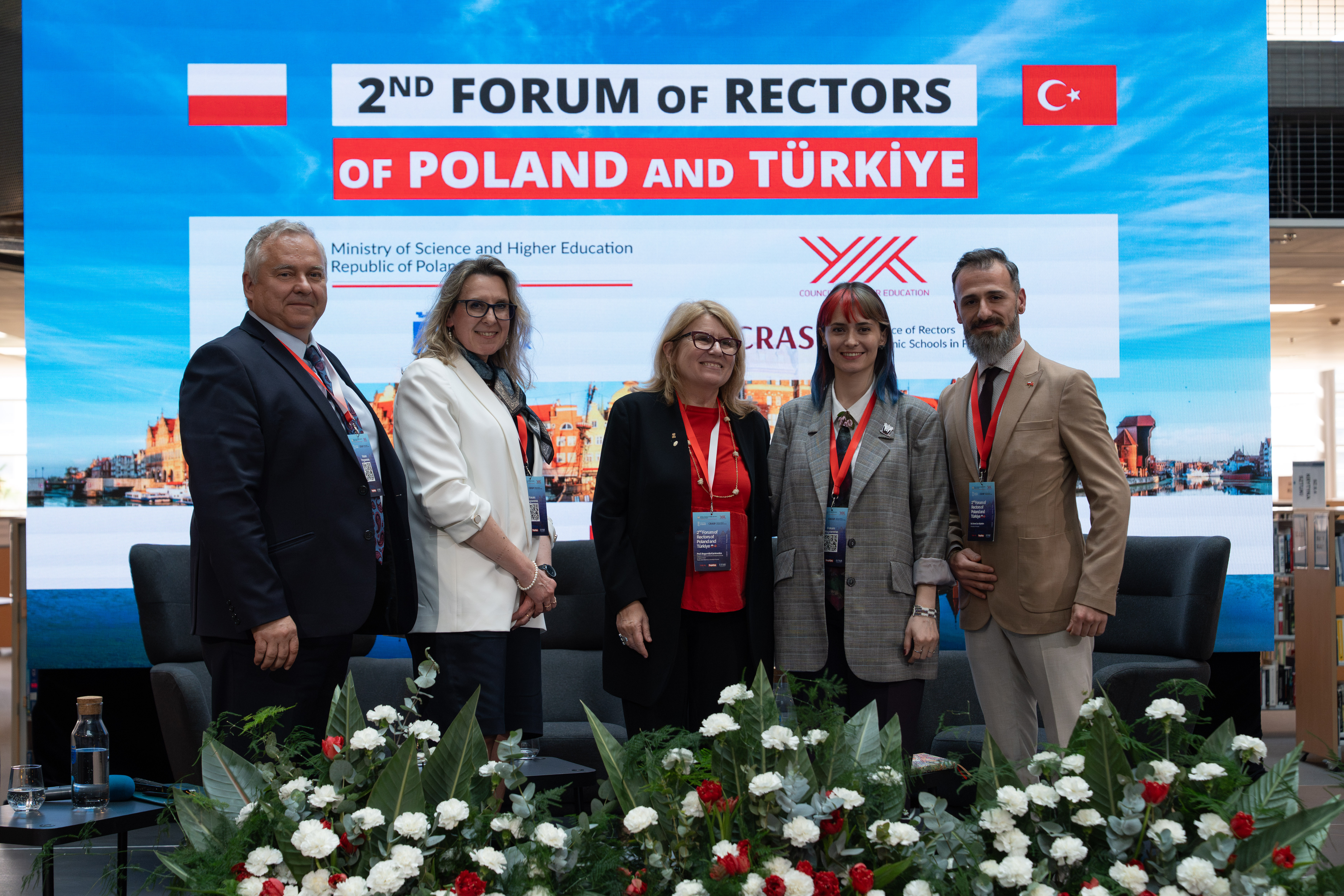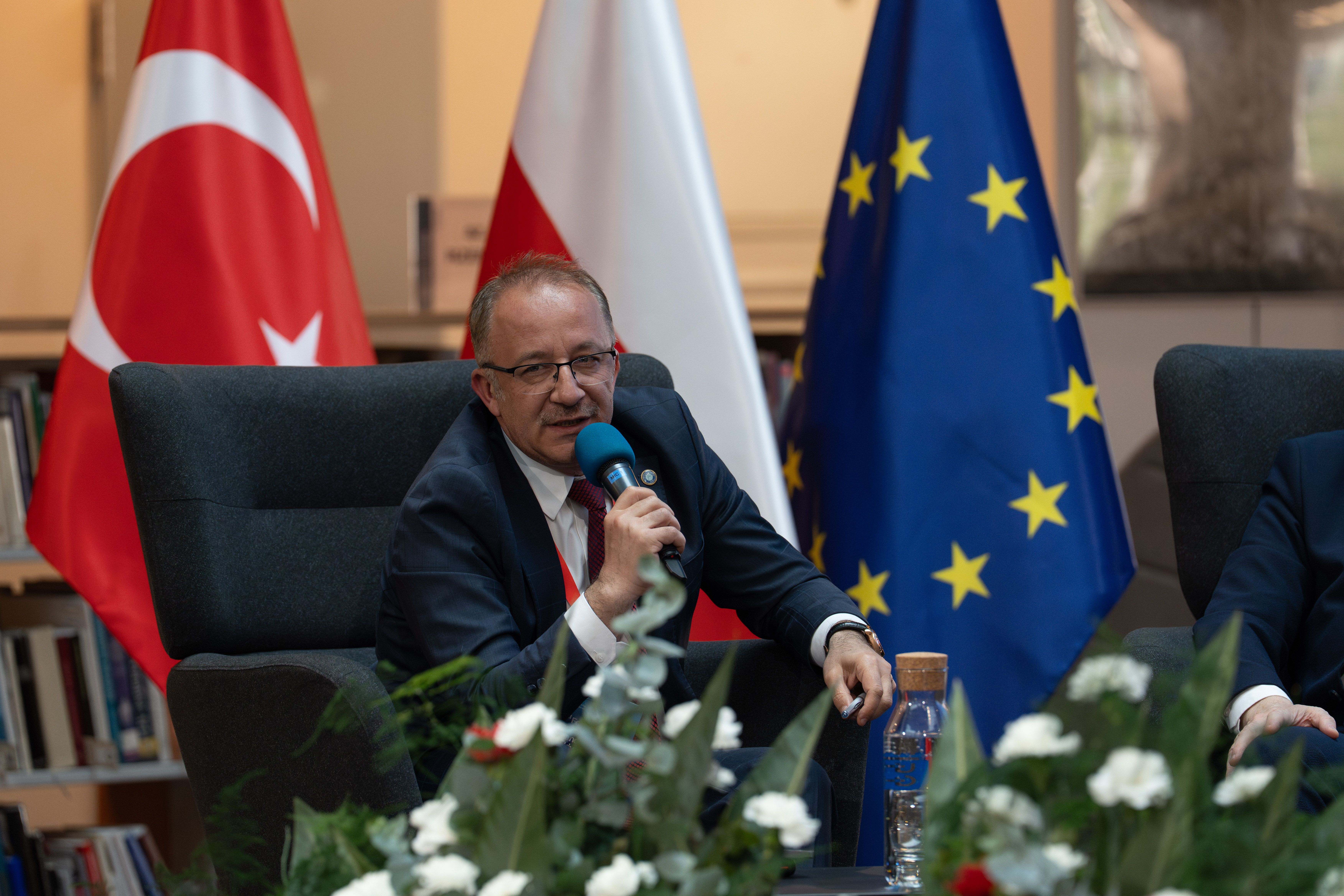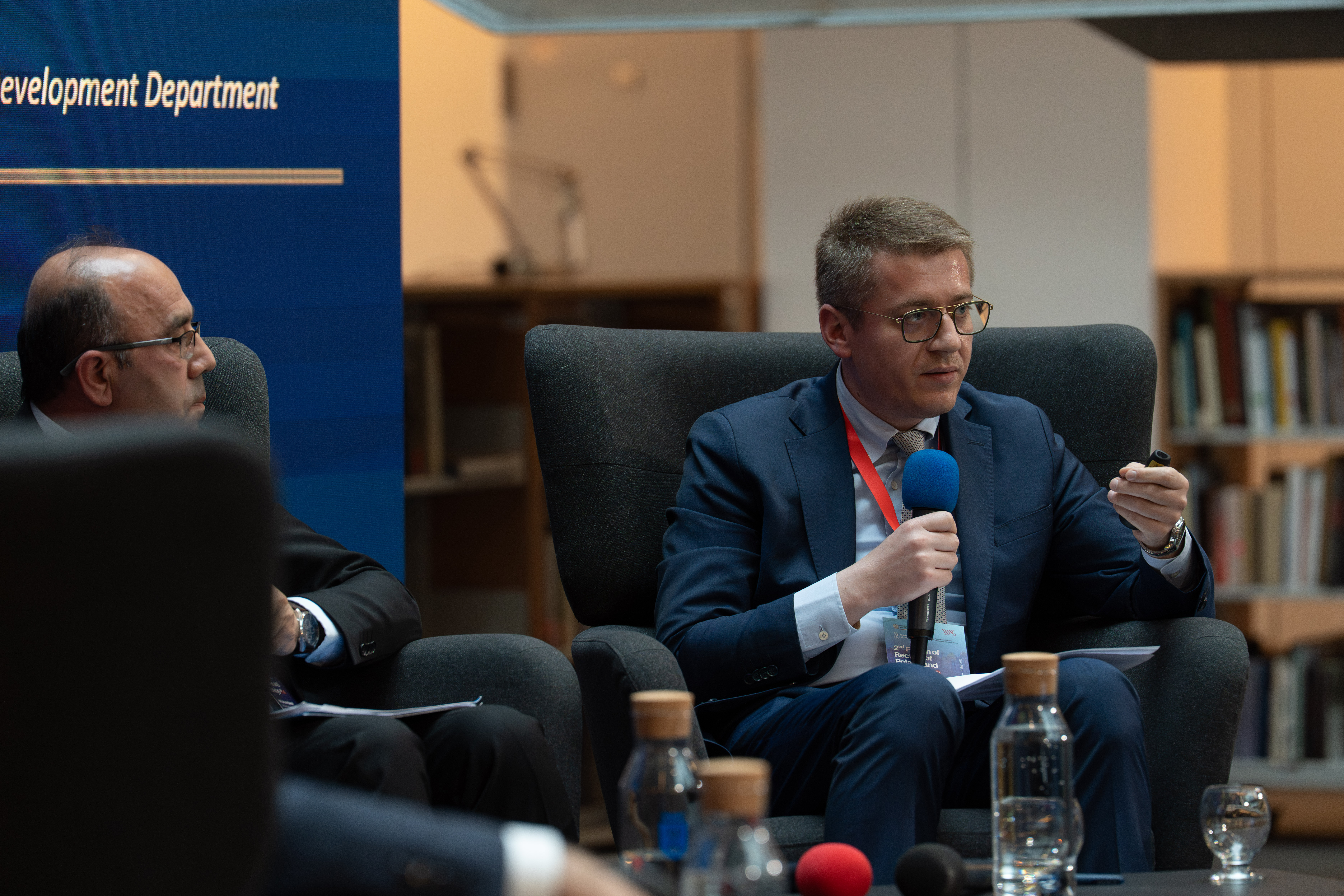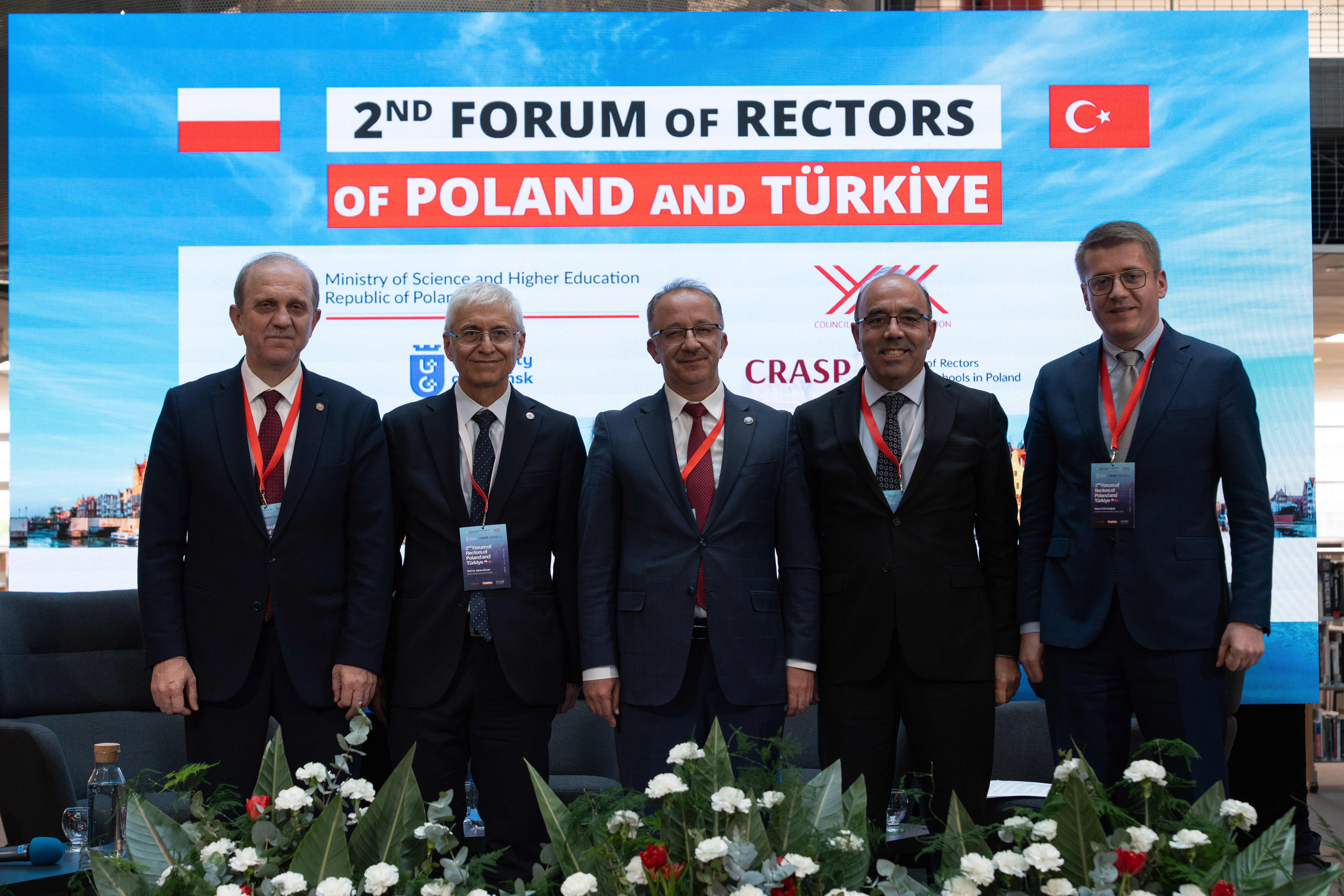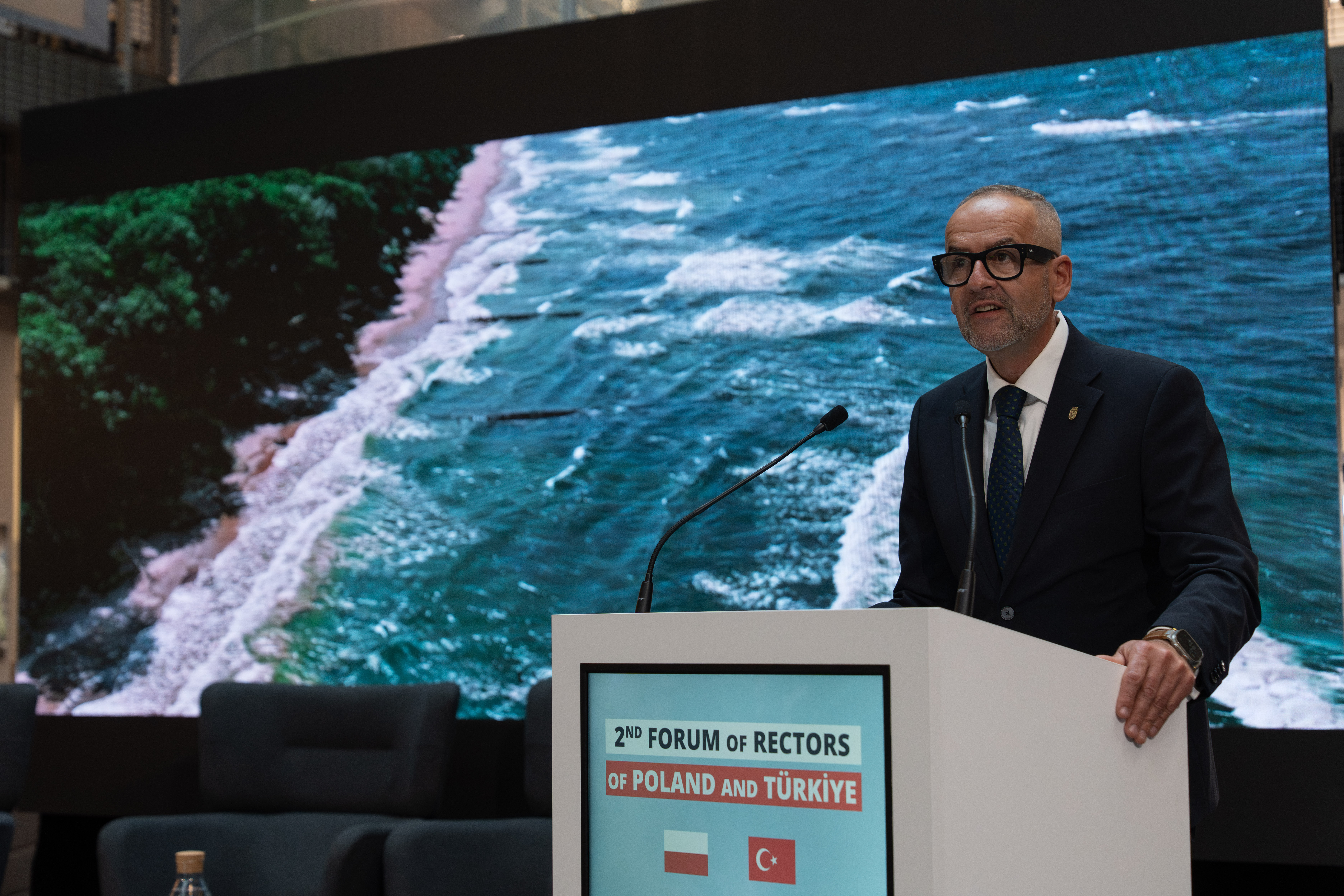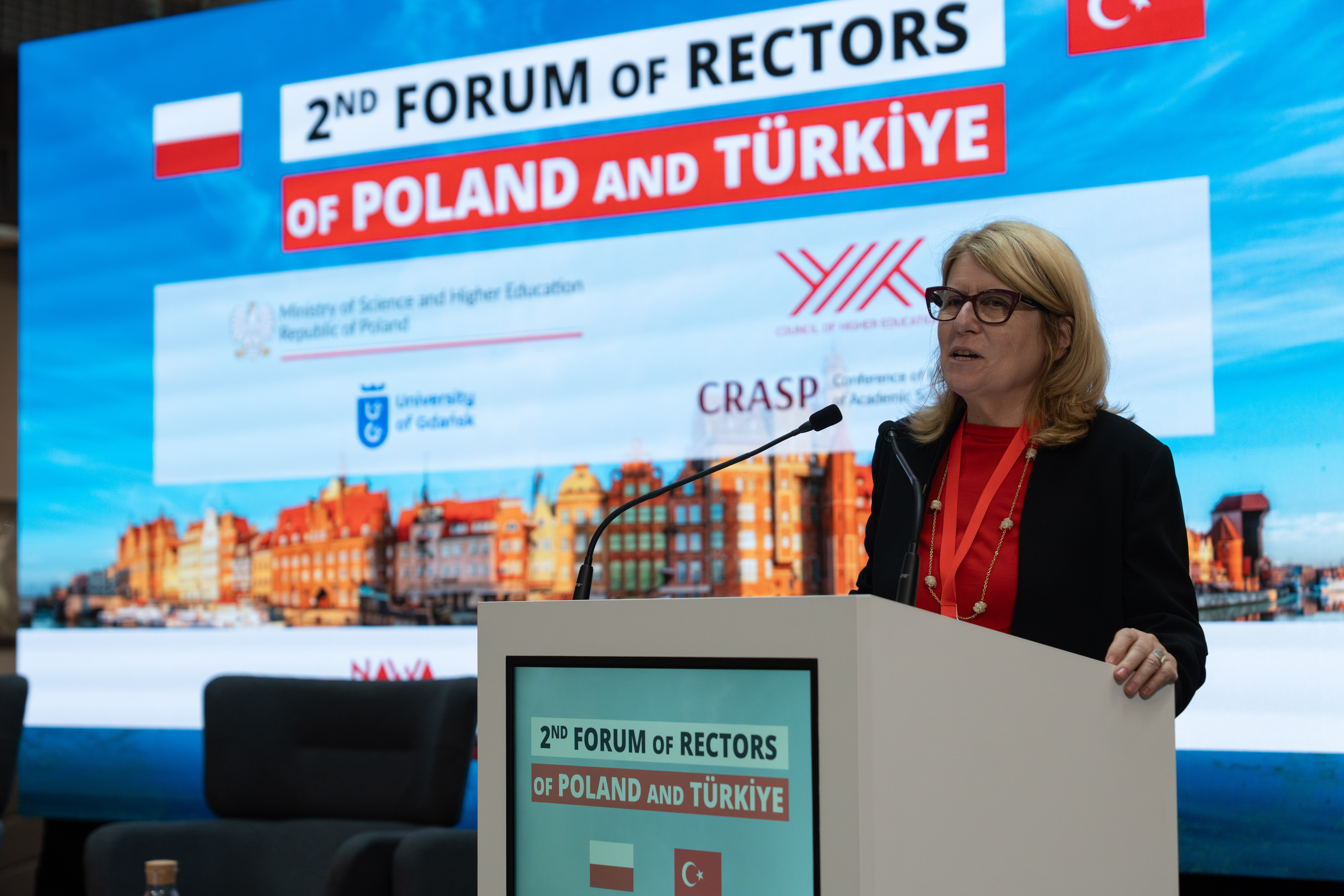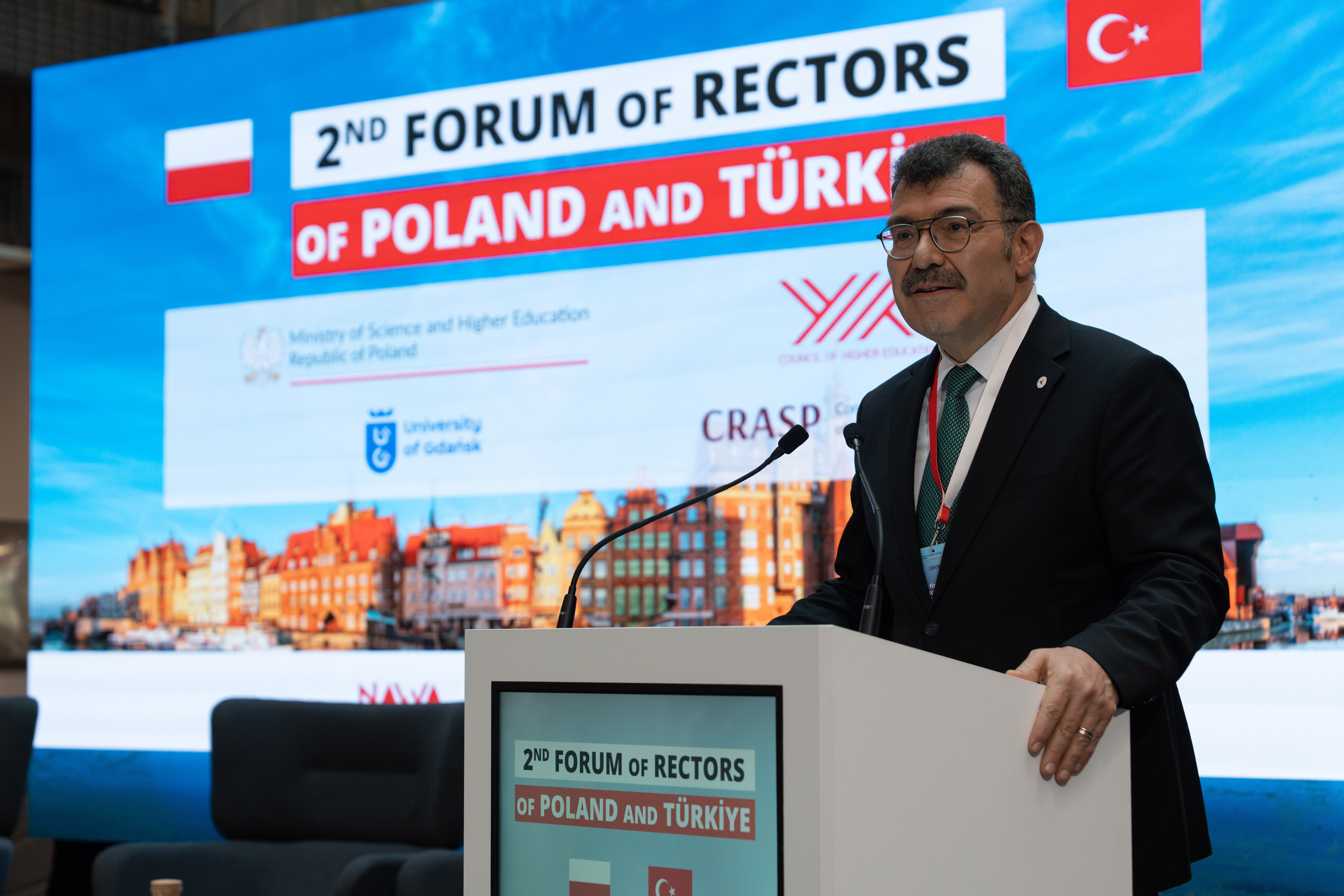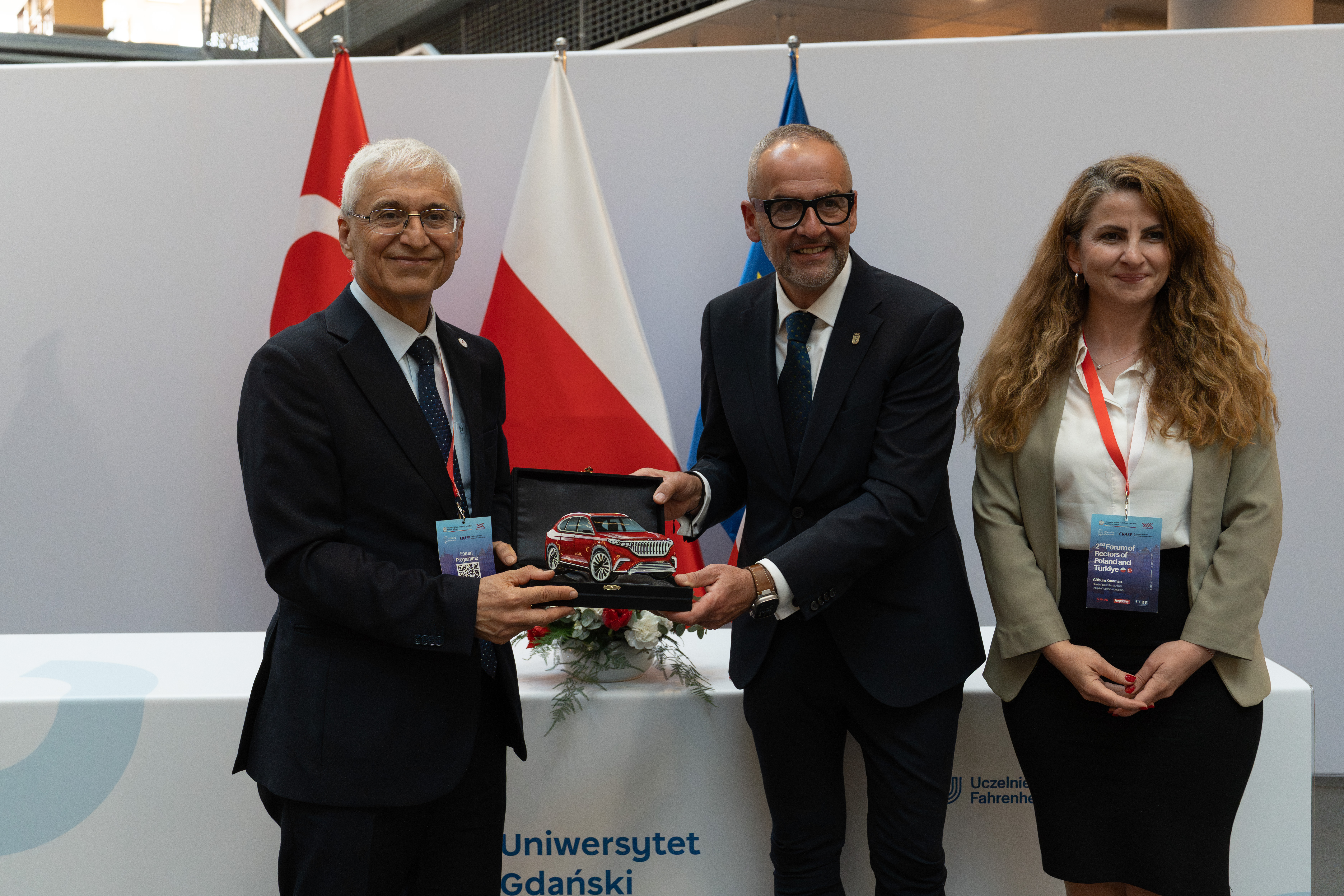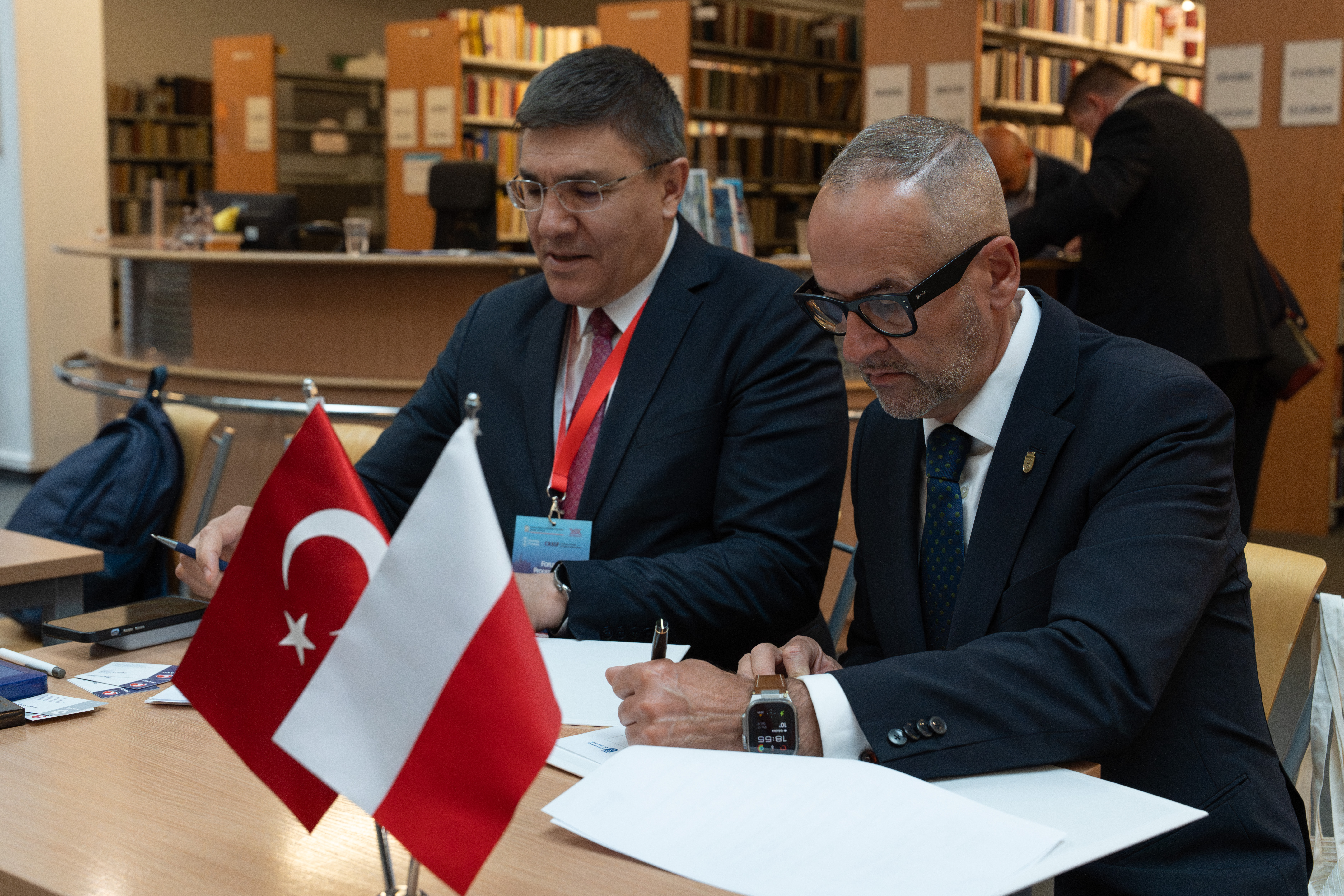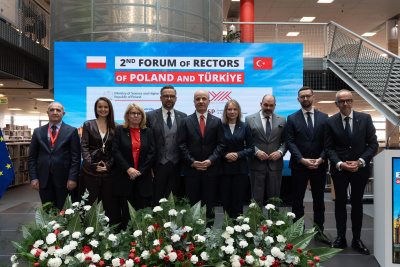
The signing of a cooperation agreement in the field of higher education between the two countries, the opening of the Polish-Turkish Studies Centre at the University of Gdańsk, and above all, the deepening of relations between the academic communities of Poland and Turkey and the development of specific tools to support institutional cooperation between universities. The 2nd Forum of Rectors of Poland and Turkey has begun at the University of Gdańsk, attended by rectors and vice-rectors from Polish and Turkish universities, as well as representatives of the ministries responsible for higher education in both countries. The event is attended by 150 participants from 79 institutions in Poland and Turkey.
This meeting of Polish and Turkish university authorities is the result of academic cooperation developed in recent years. A new phase of inter-university dialogue began in Ankara a year ago, during the 1st Forum of Rectors of Poland and Turkey, which initiated numerous joint research and teaching initiatives.
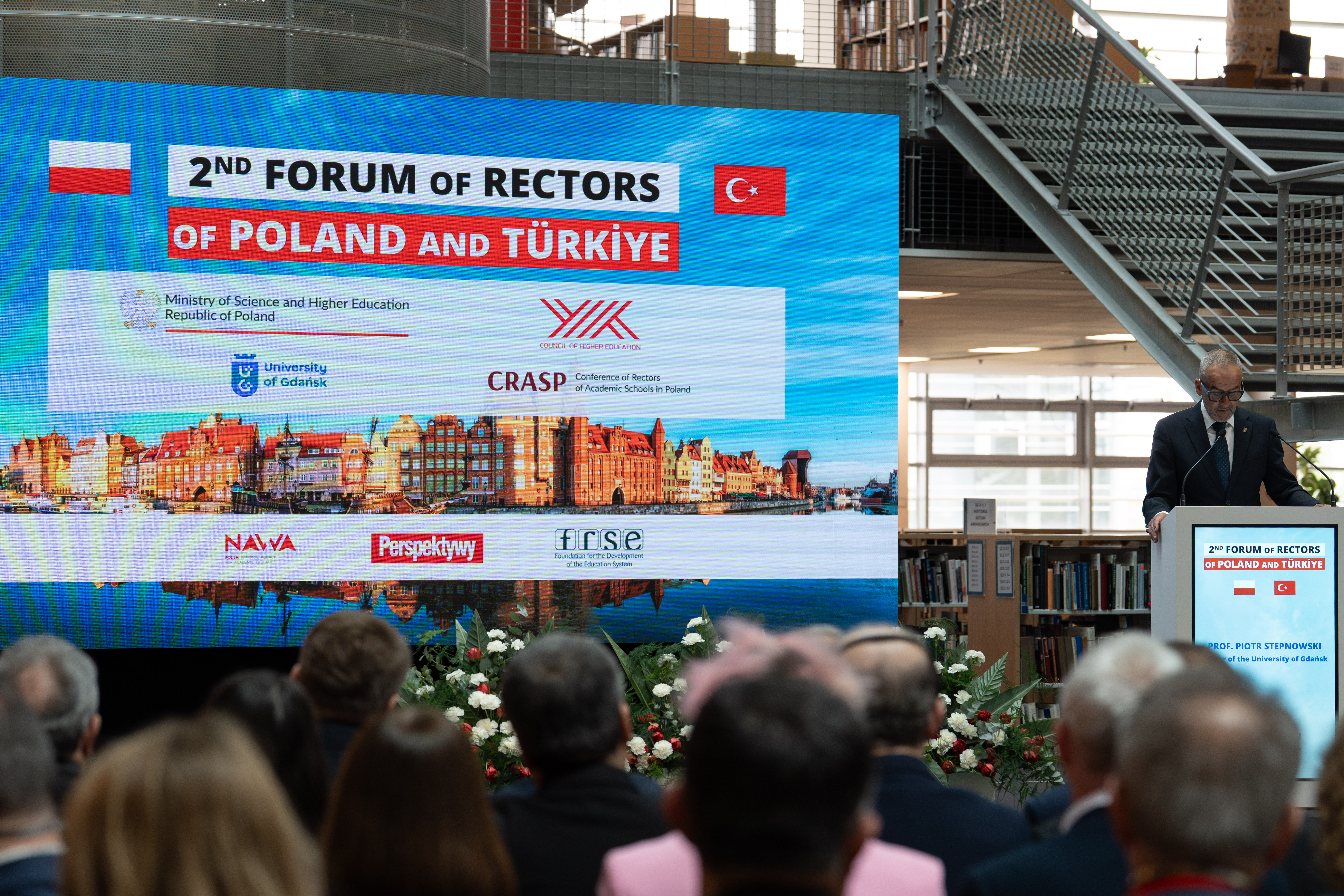
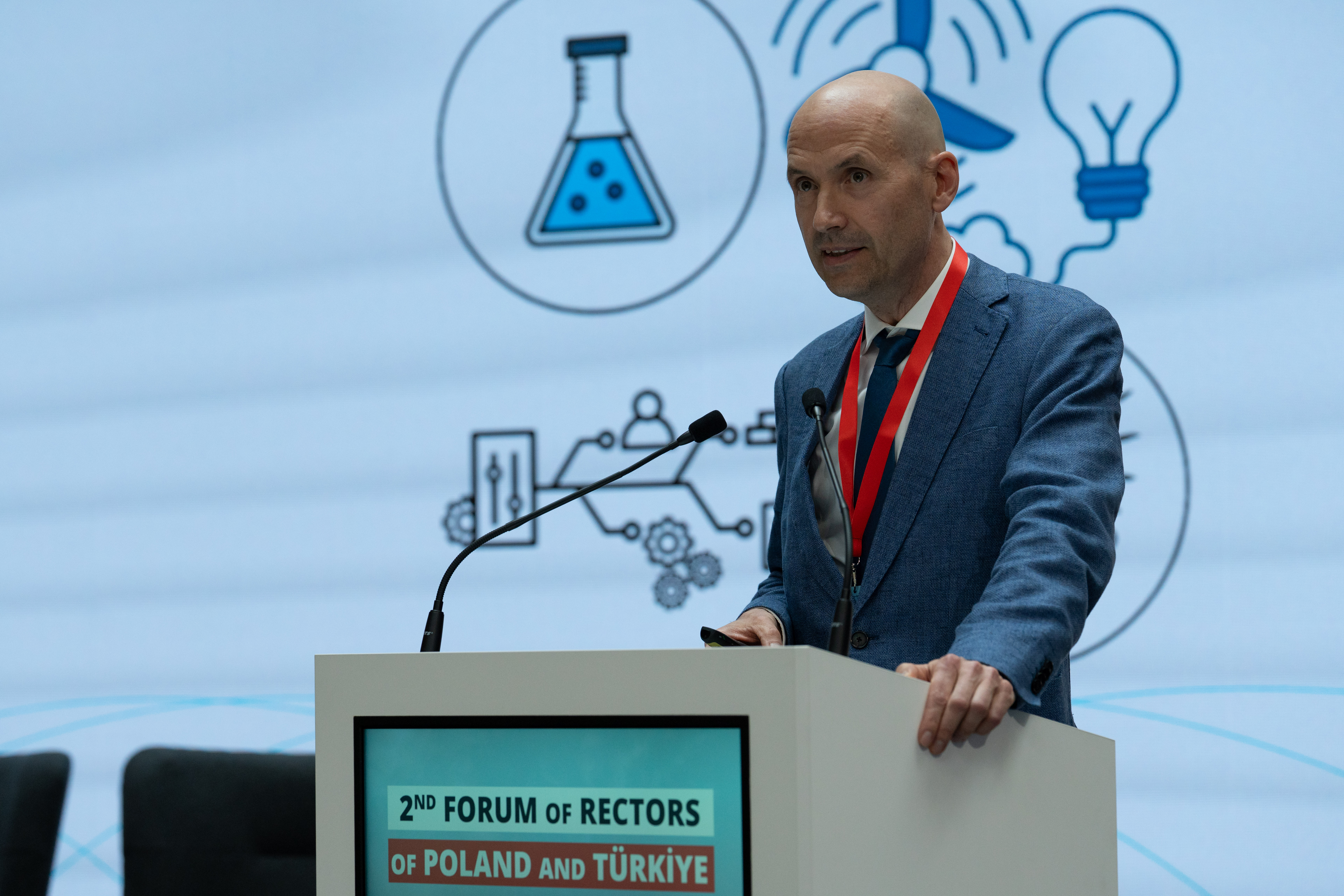
‘We are delighted to be hosting a delegation from over 60 universities in Poland and Turkey here at the University of Gdańsk today,’ welcomed the participants prof. Piotr Stepnowski. Referring to the fact that 150 participants were attending the Forum, the Rector of the University of Gdańsk noted that this was a great success in terms of attendance, and also proof that our agreements from Ankara are taking Polish-Turkish cooperation to a completely new level. ‘We firmly believe that the cooperation agreement in the field of higher education between our two countries will benefit both sides and serve as an excellent platform for developing joint research projects and even more intensive academic exchange. This is precisely the strategic objective of our forum today. We are moving from ideas and declarations to very concrete arrangements and agreements,’ emphasised the Rector.
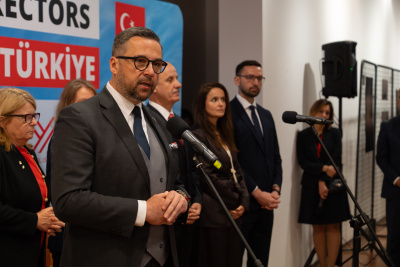
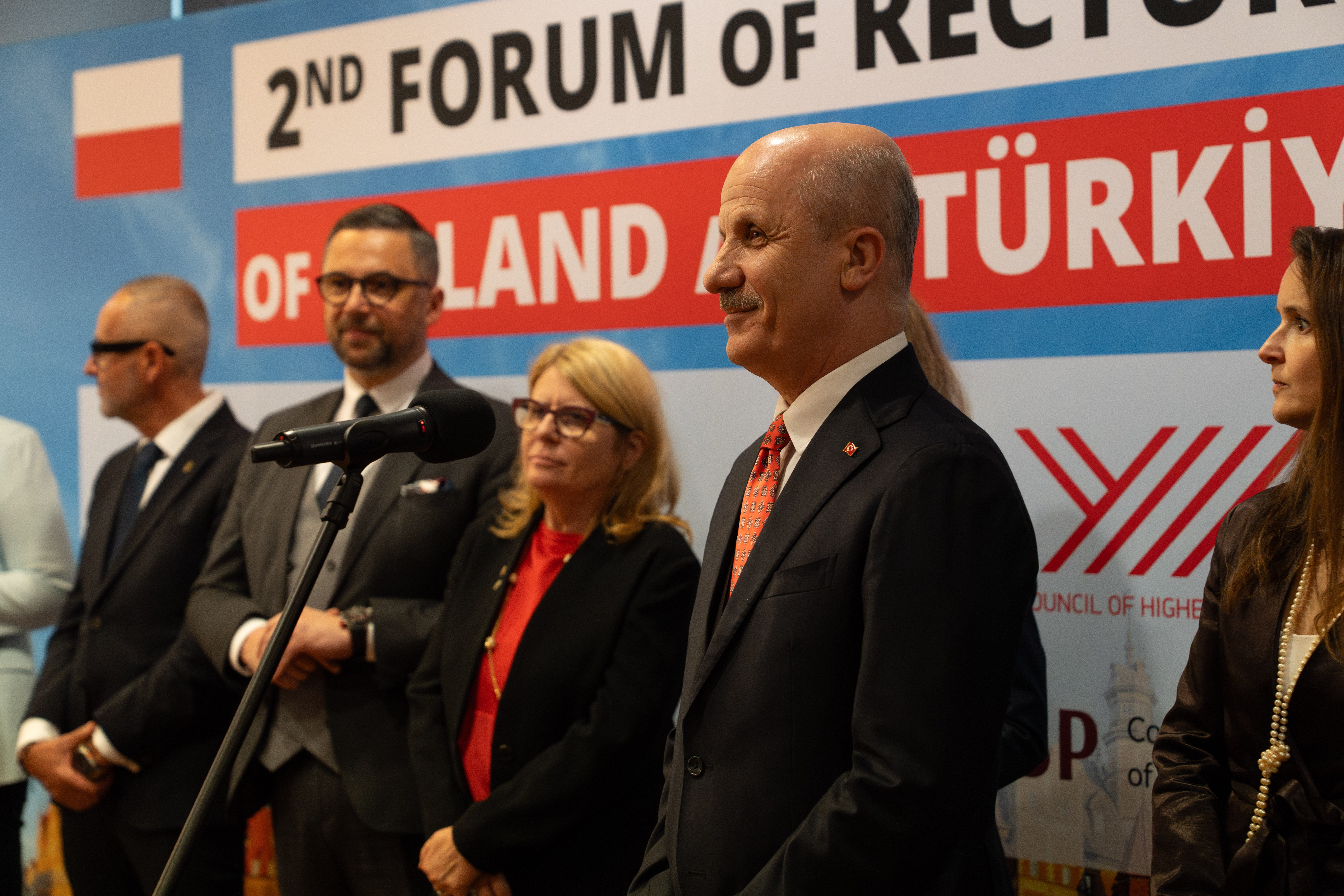
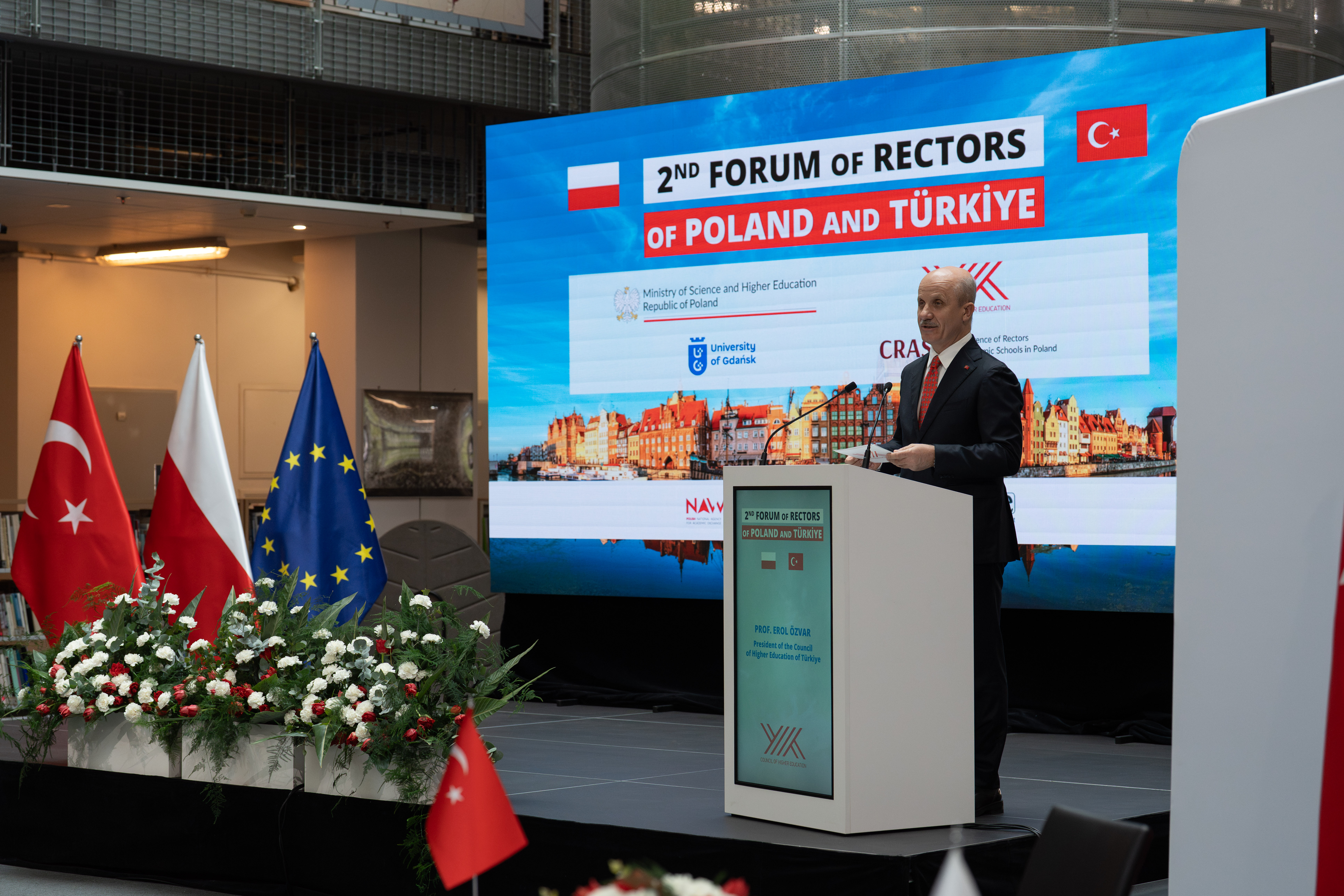
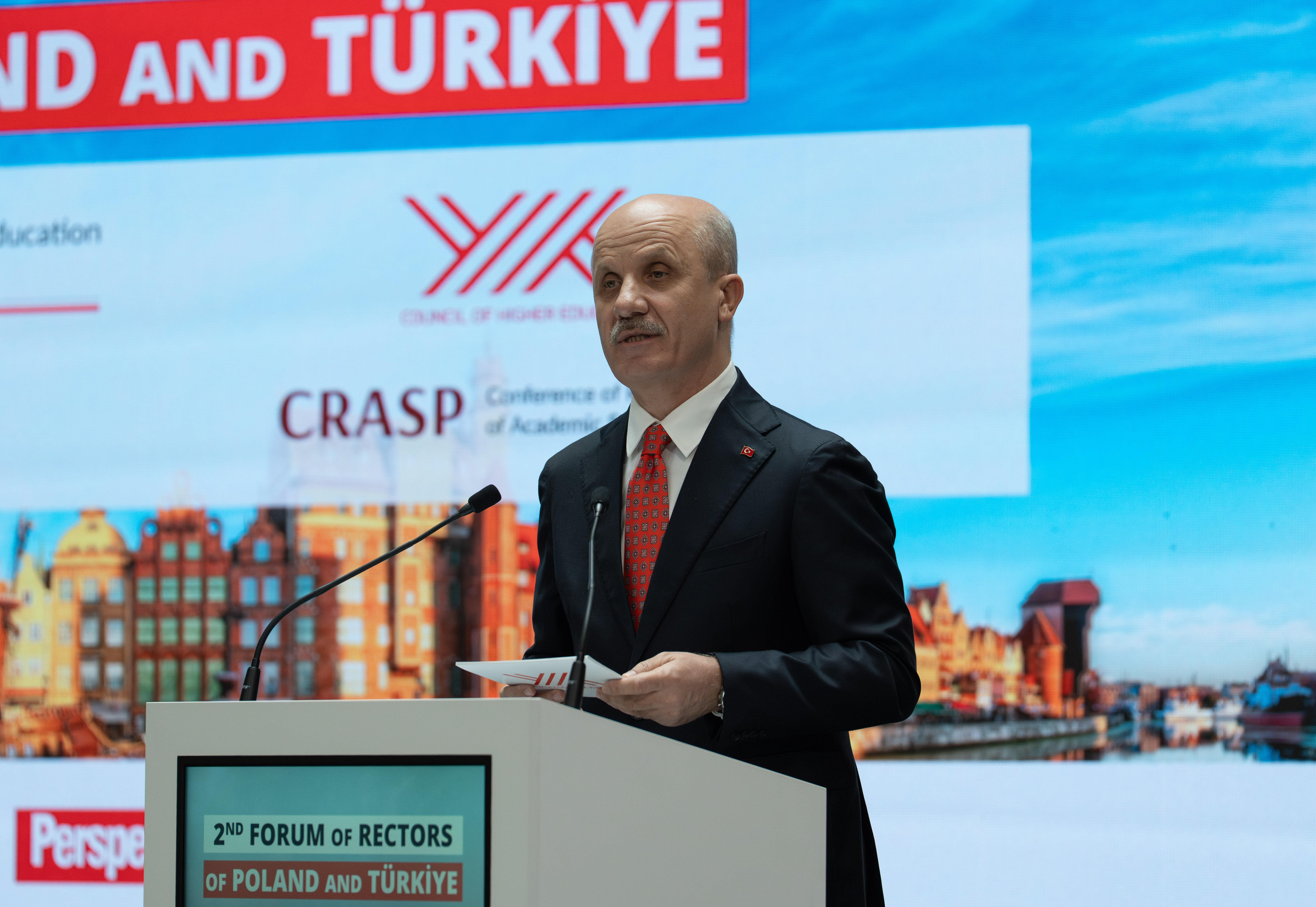
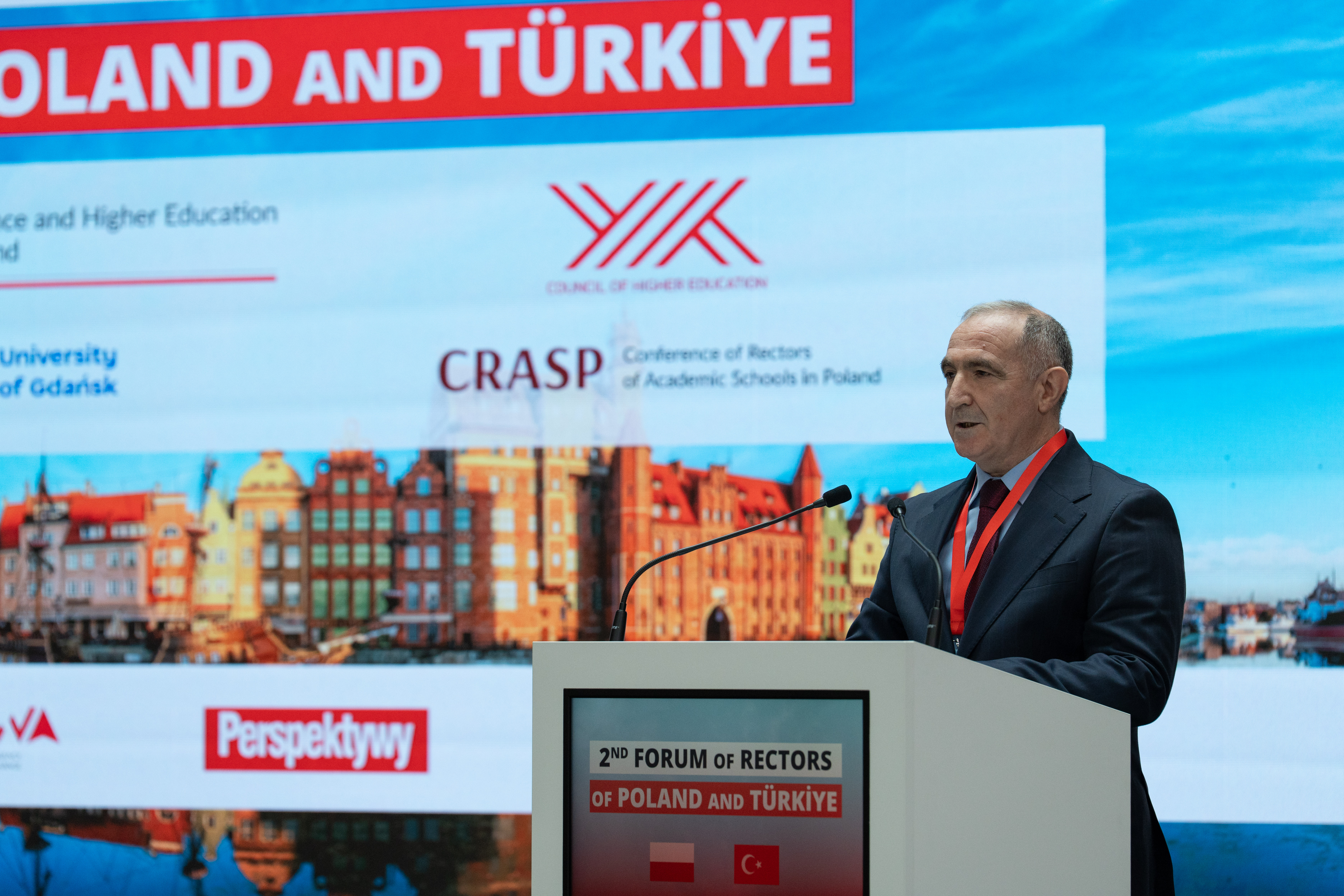
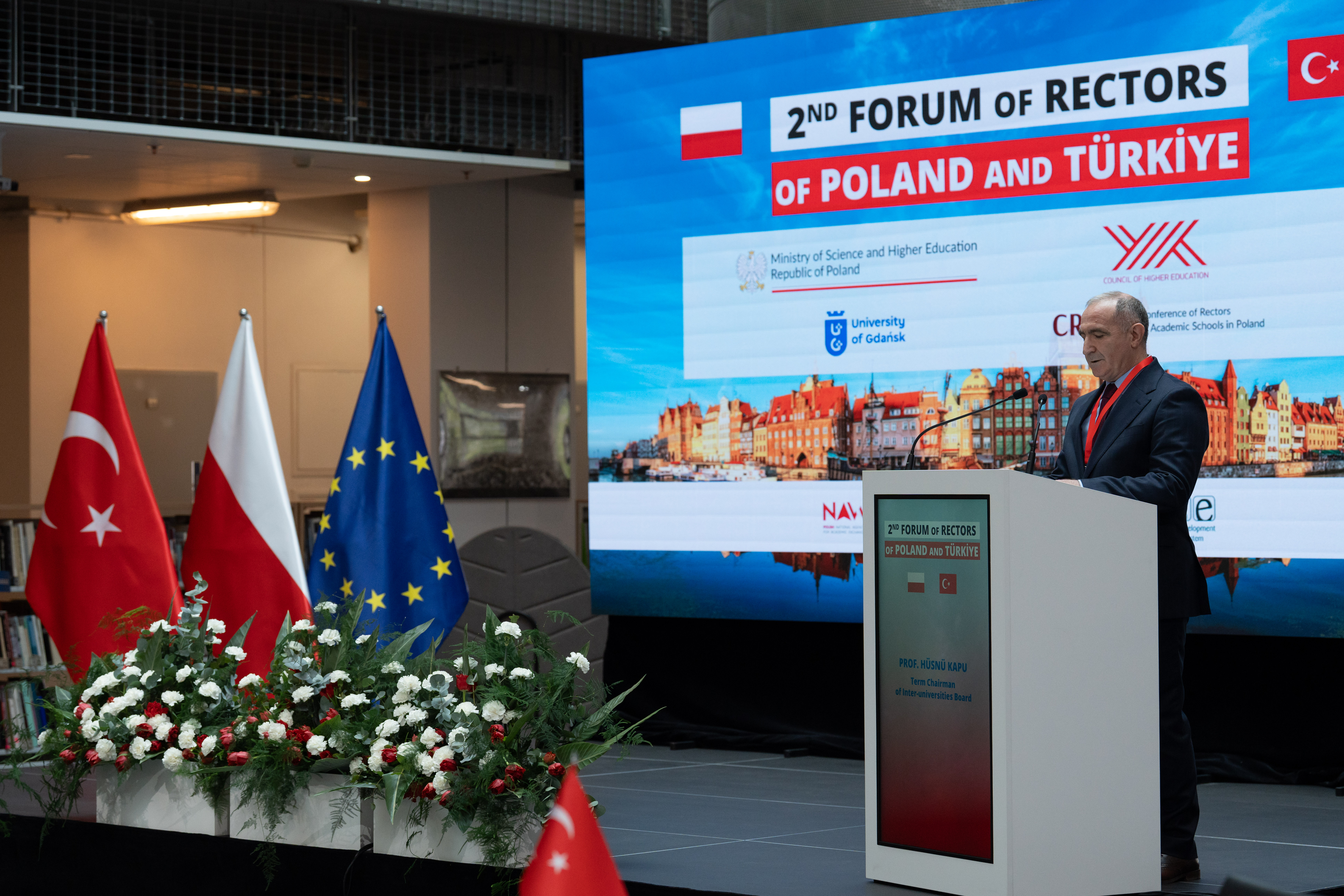
The Chairman of the Turkish Council of Higher Education (YÖK), Erol Özvar, took the floor and referred to the long history that links the two countries. ‘Let us remember that Polish-Turkish relations date back over 600 years. The Polish-Turkish Centre for Studies will expand and explore our shared past and history. The cooperation agreement signed between the Council of Higher Education (YÖK) and the Polish Ministry serves as the foundation upon which we will jointly develop our innovative initiatives.’
‘Polish and Turkish researchers are among the most collaborative in Europe. Let this be a milestone that we will build upon for our future,’ emphasised Erol Özvar.
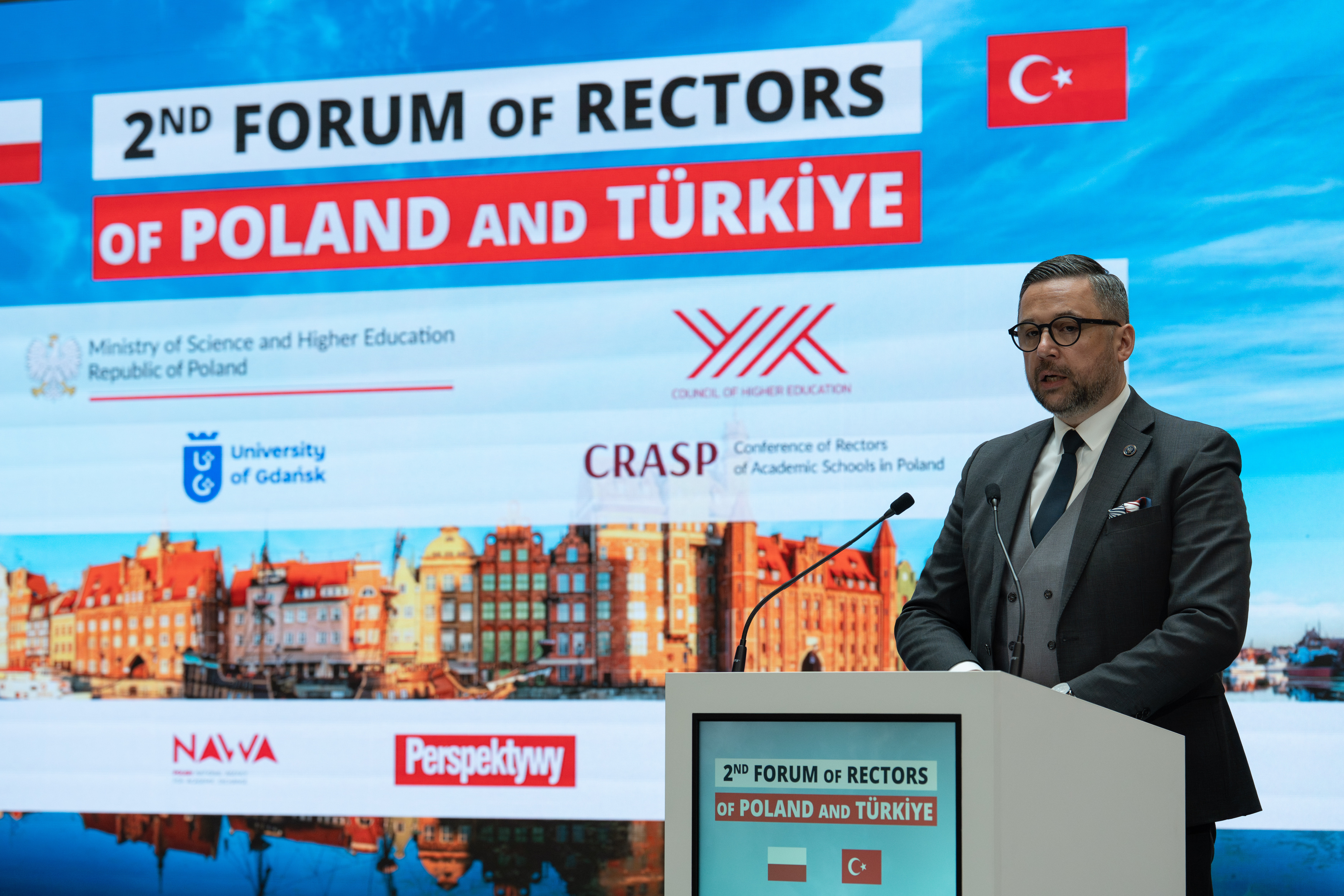
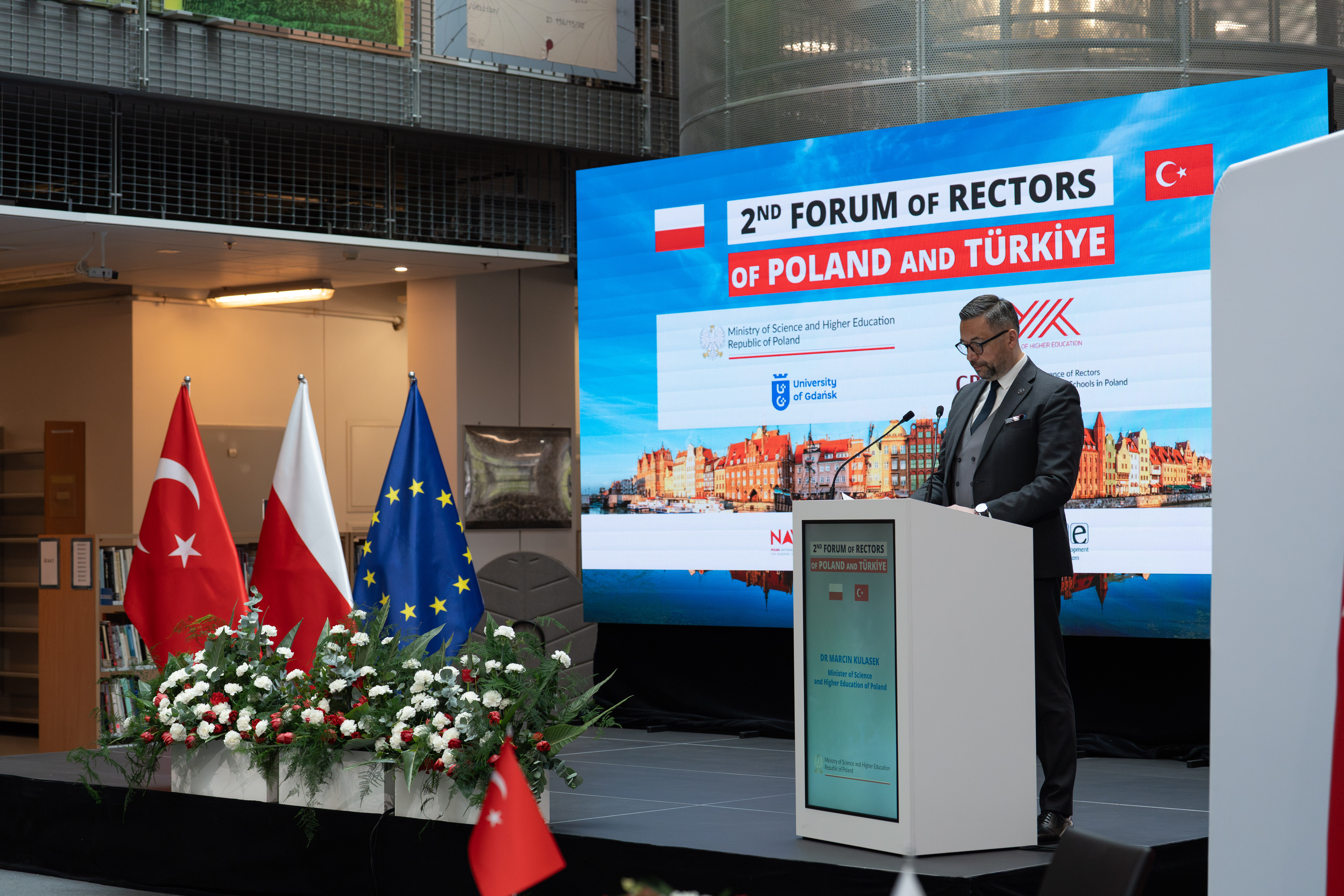
The Polish Minister of Science and Higher Education, dr Marcin Kulasek, noted that the signing of the Memorandum of Understanding by the two ministries demonstrates that the partnership, which has been in place since last year and will continue for years to come, will strengthen the position of both Polish and Turkish science. - Academic exchanges between students, joint research by scientists, joint projects, joint grants, including European ones. This is the direction we are striving for, which we are demonstrating and which we wish to continue pursuing together with our partners. The signing of the memorandum will further strengthen this partnership, and we will cooperate not only in the field of Polish and Turkish science, but also in the broader economy of both countries.
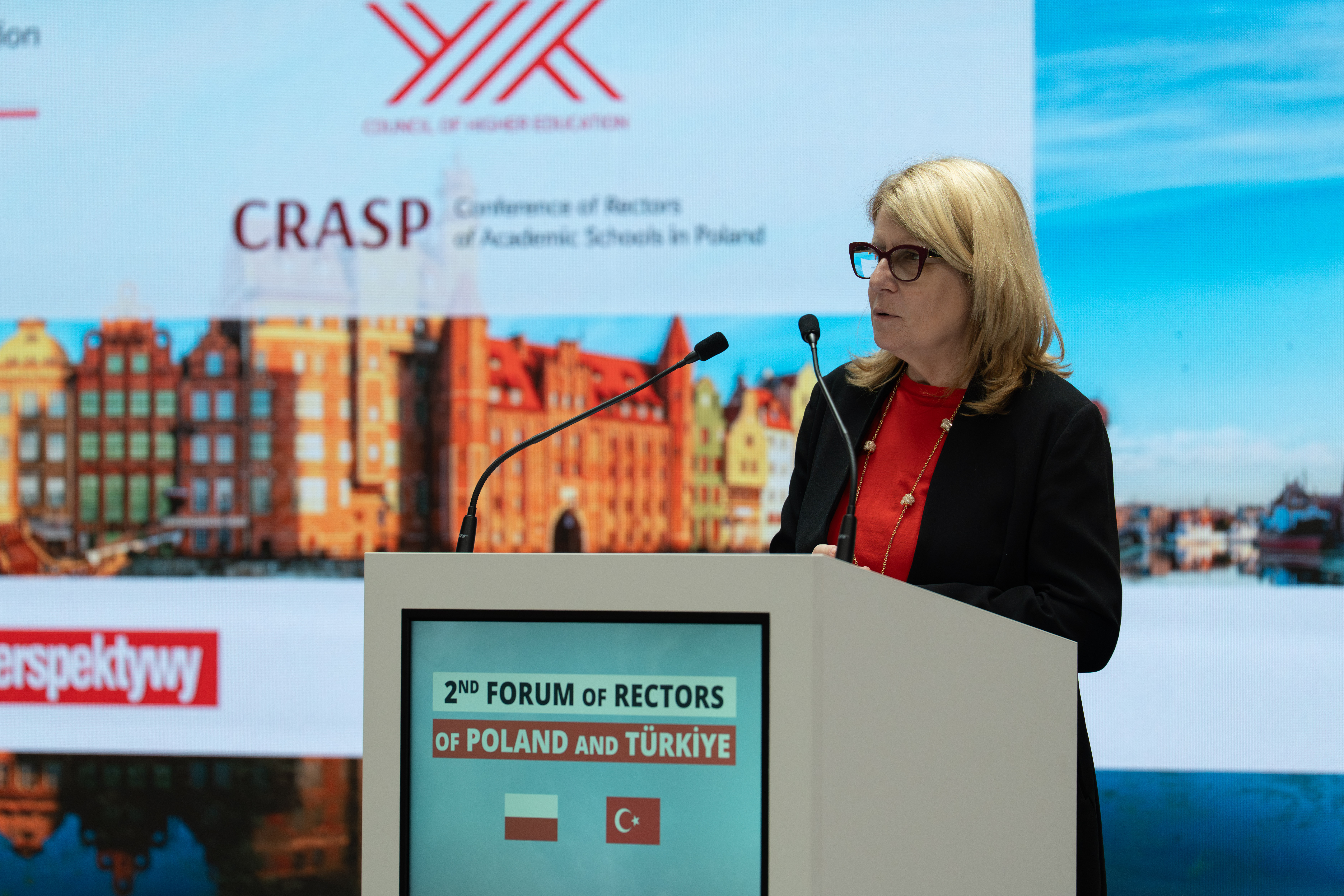
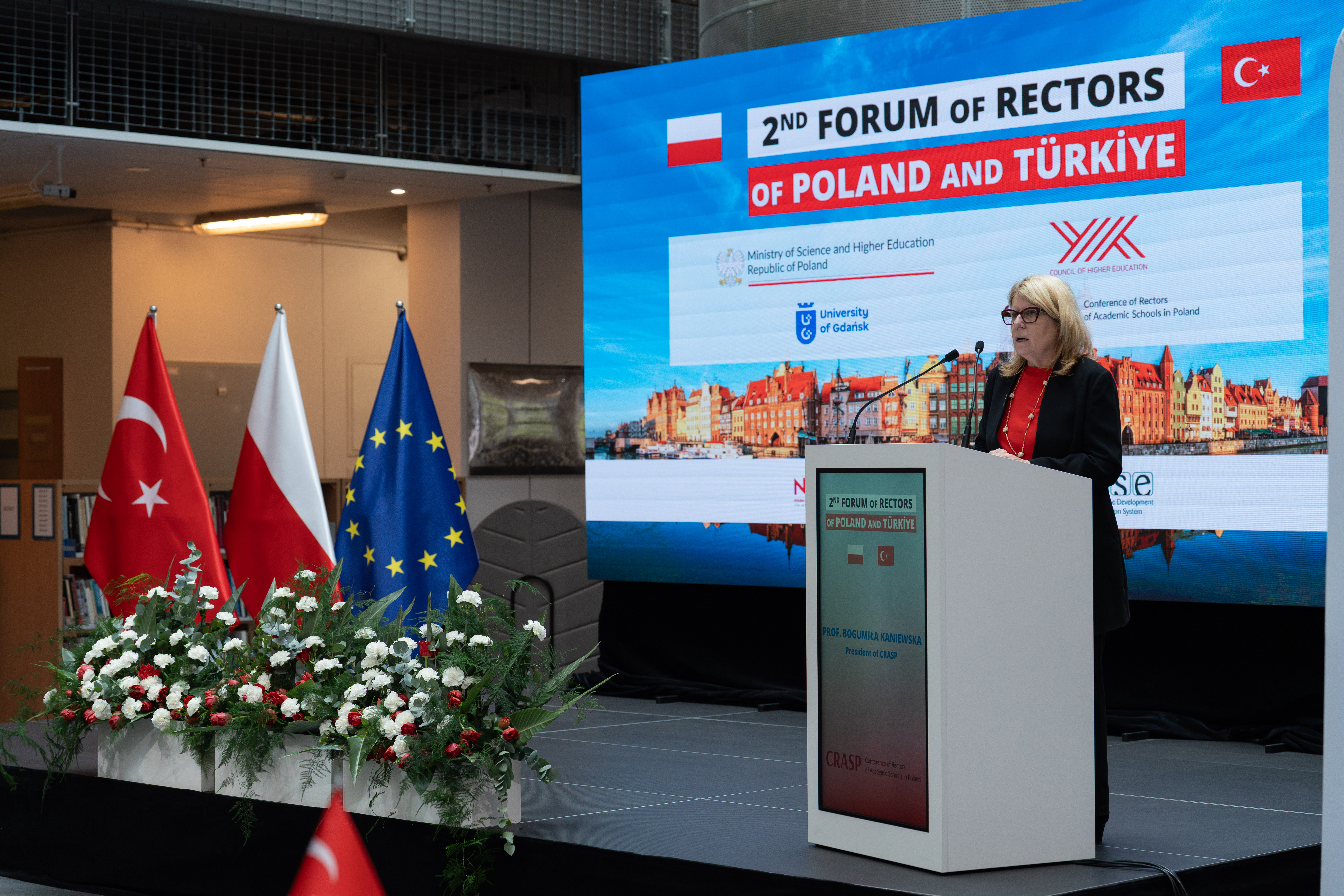
CRASP President prof. Bogumiła Kaniewska, speaking at the press conference, said that the 2nd Forum of Rectors of Poland and Turkey, as well as the agreement signed by the Polish and Turkish ministries, is not the beginning of the cooperation. ‘Turkey is a country with which Polish universities cooperate exceptionally closely. Many students from this beautiful country come to us. We run academic exchanges and also conduct joint research. The fact that today’s agreement was concluded at the state level, above the university level, shows us that this is the right direction, that we have the support of our ministries and our governments, and that this cooperation can develop excellently and has excellent prospects ahead of it. Therefore, on behalf of all of us - the rectors of Polish universities - to everyone, from the staff of our institutions to the ministers, and remembering the foundations that support us, I would like to thank you for enabling this cooperation to develop, and of course we ask for more.’
A platform bringing together academic communities
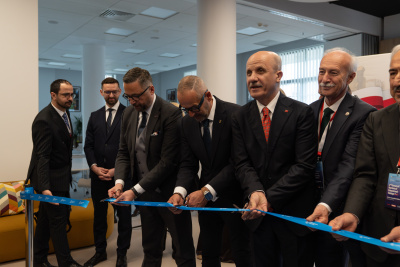
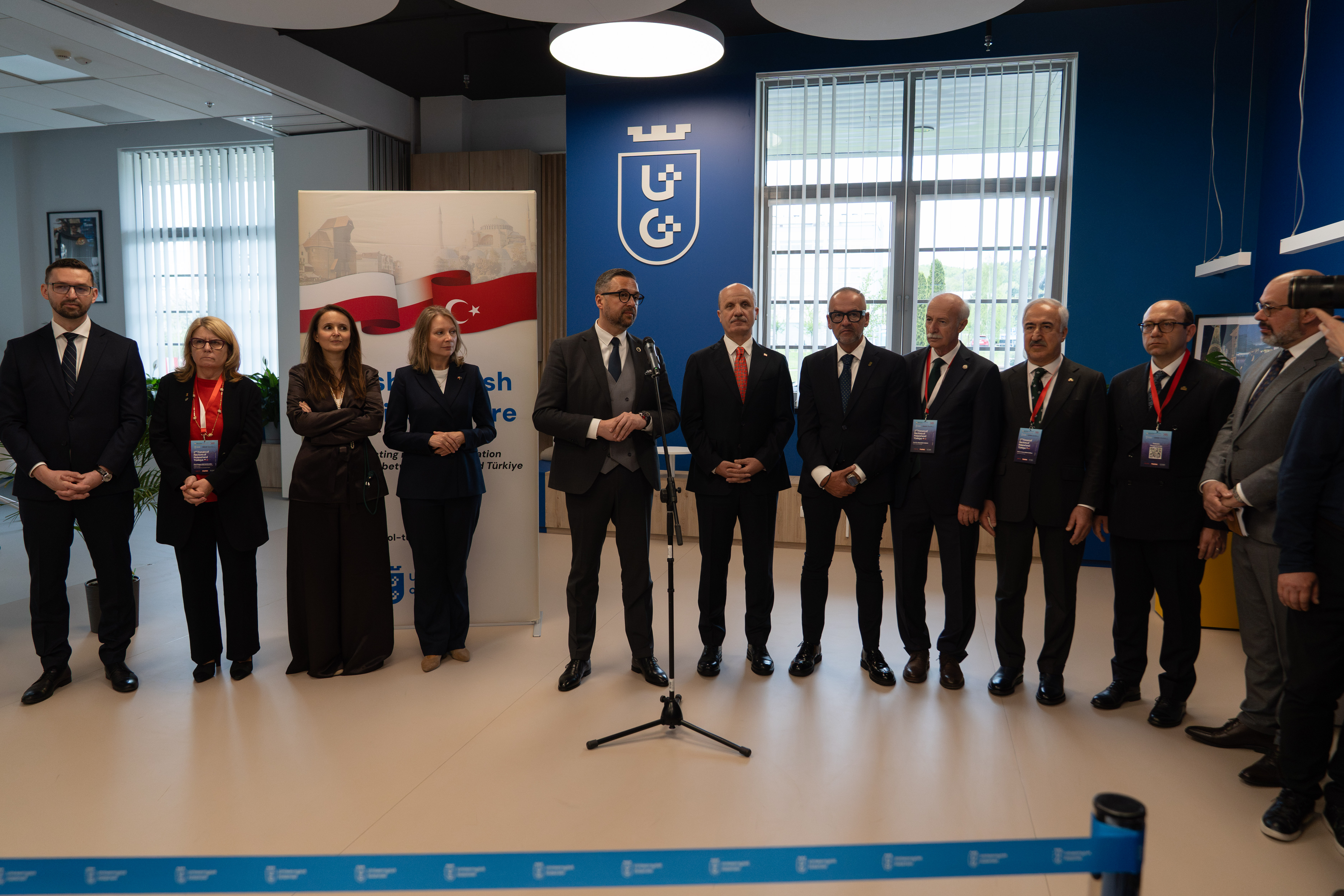
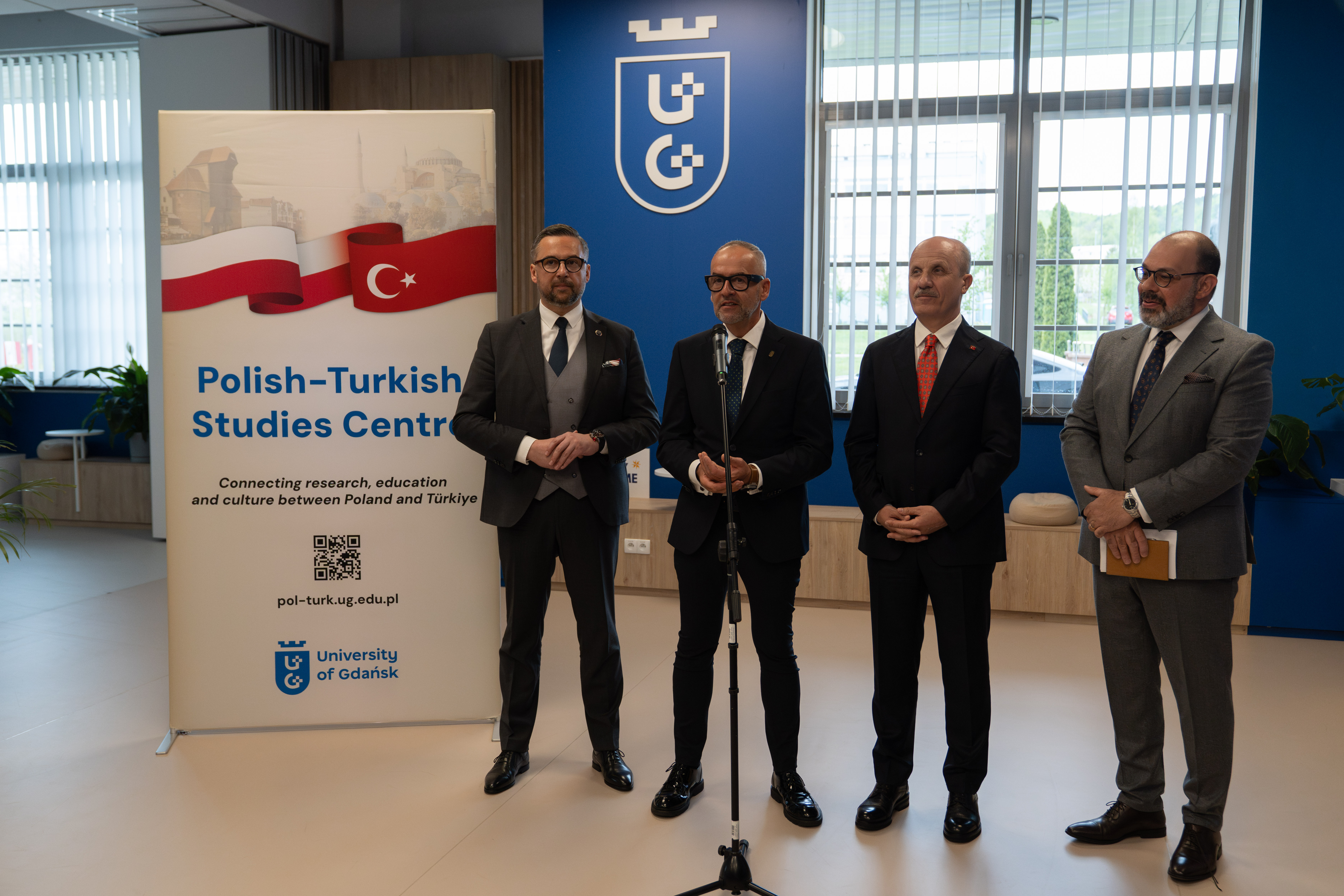
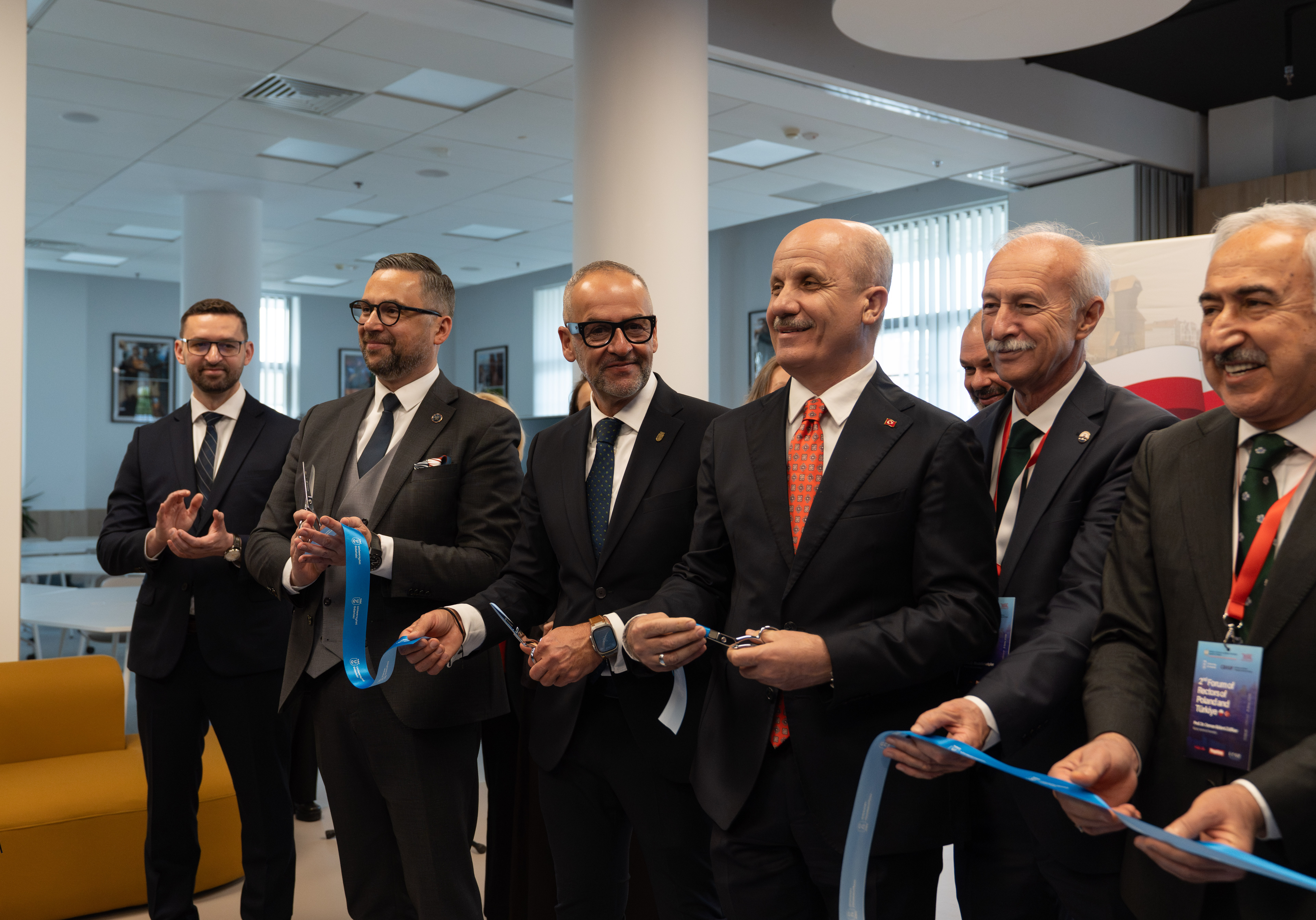
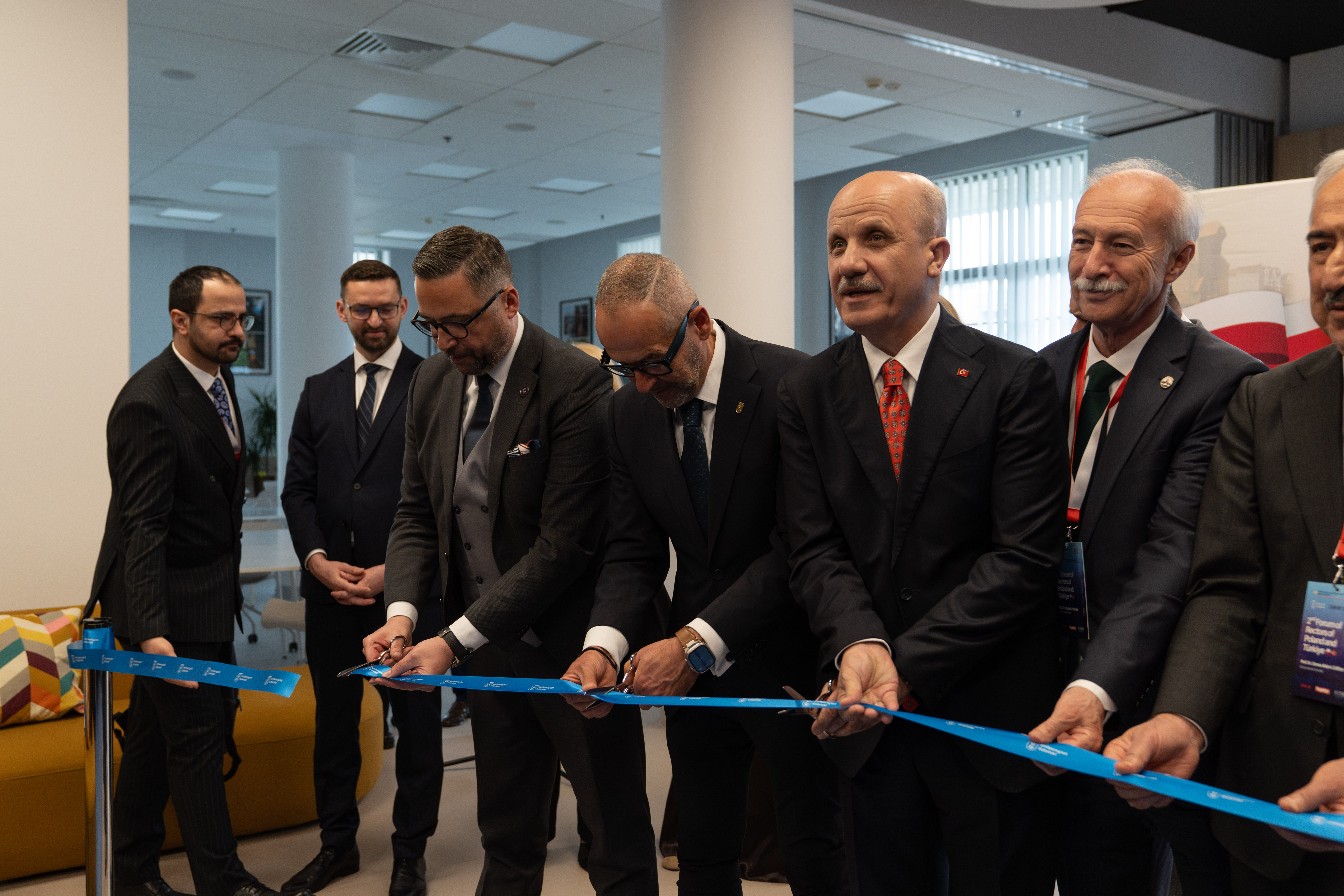
Immediately after the press conference, Minister Marcin Kulasek, YÖK President Prof. Erol Özvar, the Ambassador of the Republic of Turkey to Poland Rauf Alp Denktaş and the Rector of the University of Gdańsk, Prof. Piotr Stepnowski, officially opened the University of Gdańsk Polish-Turkish Centre for Studies and cut the ribbon.
The University of Gdańsk Polish-Turkish Centre for Studies will be interdisciplinary in nature and will involve the implementation of joint research and development projects, the development of study programmes - including English-language courses - as well as the intensification of student and academic staff mobility (including under the Erasmus+ programme). Another key area of activity will be the organisation of conferences, seminars and summer schools, as well as cooperation with the wider socio-economic community.
The Polish-Turkish Centre for Studies will function as a platform integrating academic communities and external partners, focusing on the development of joint grant projects (including under Horizon Europe, NSC, TÜBİTAK), the creation of international teaching programmes (including BIP and COIL), as well as the organisation of scientific and cultural events and the strengthening of academic mobility.
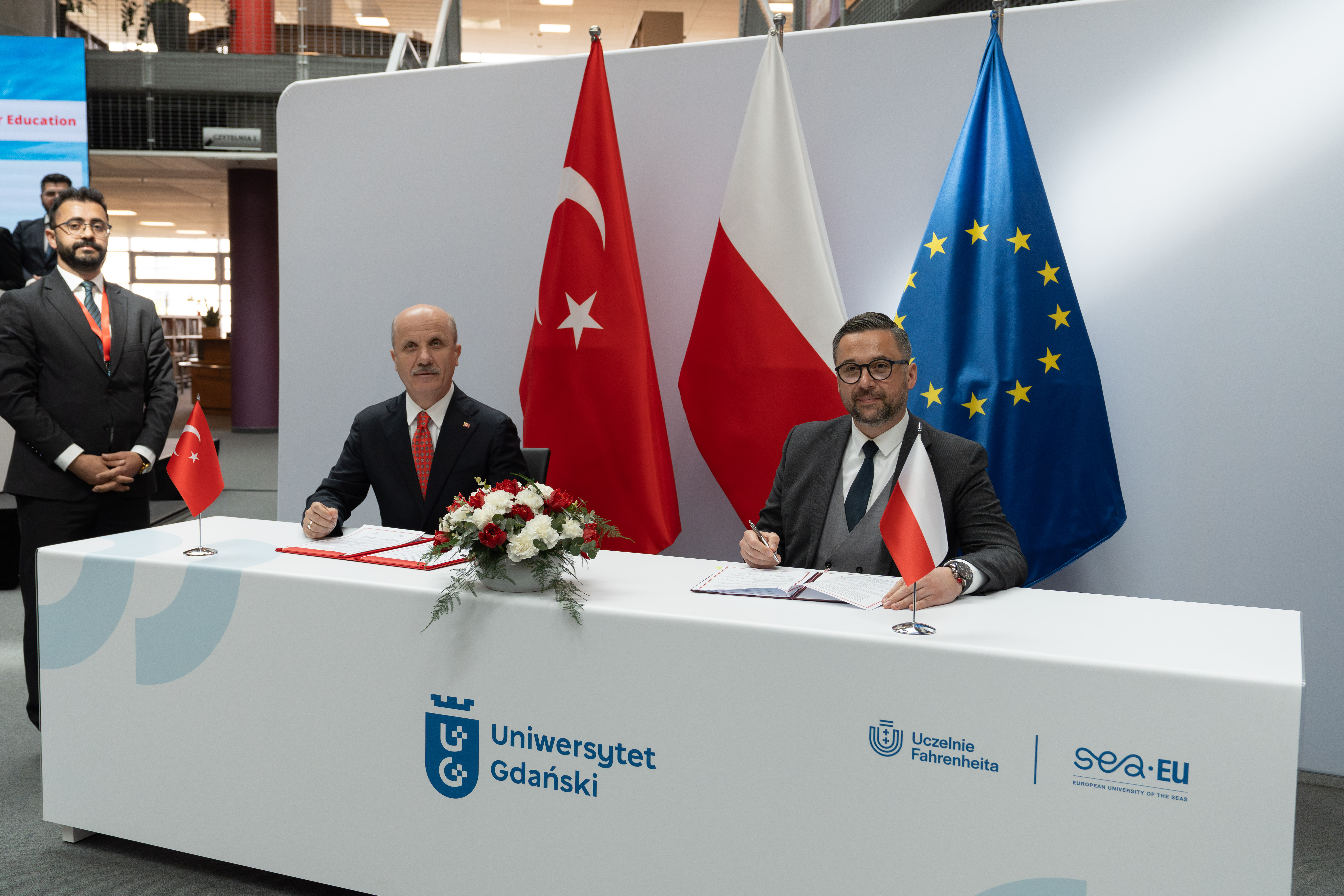
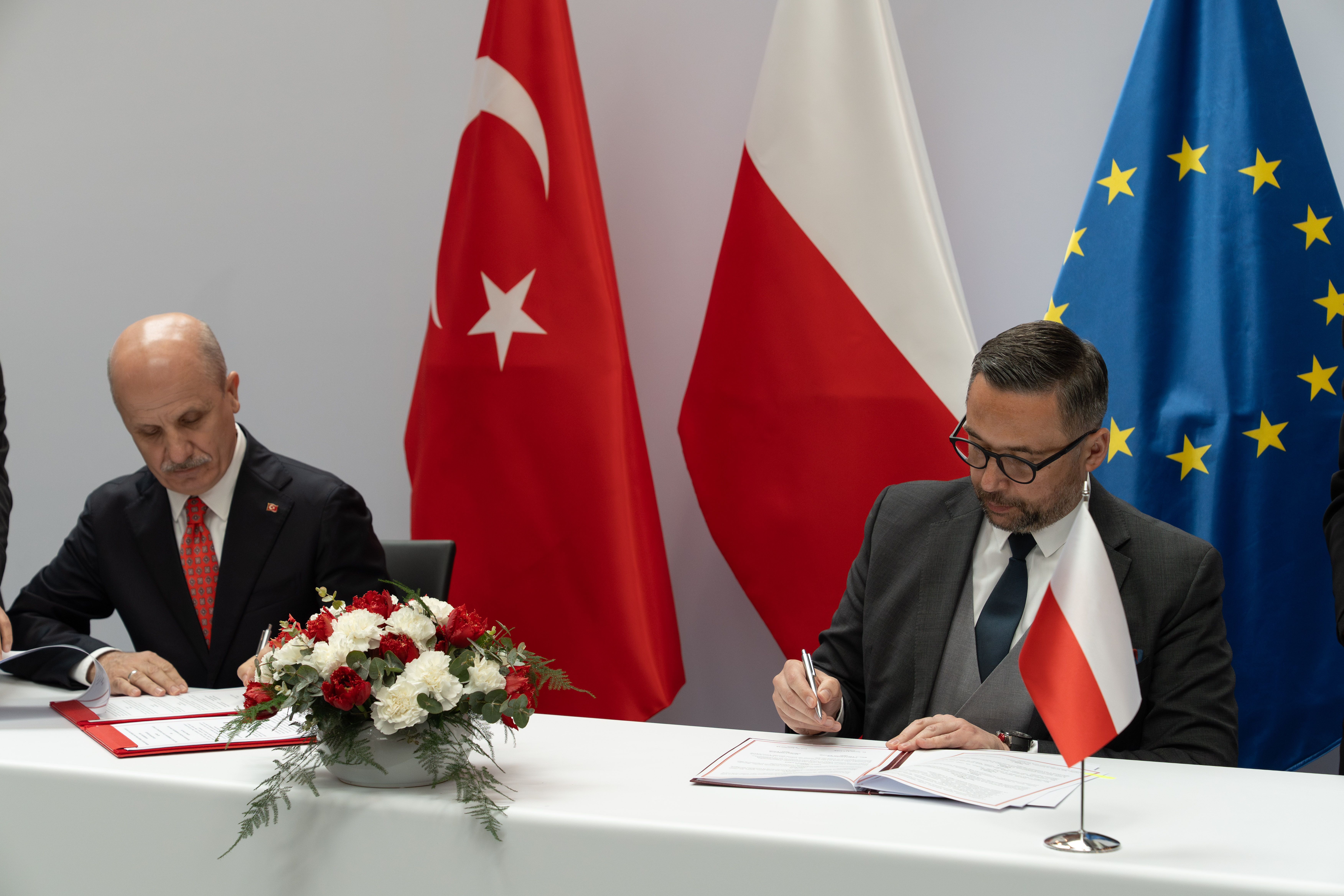
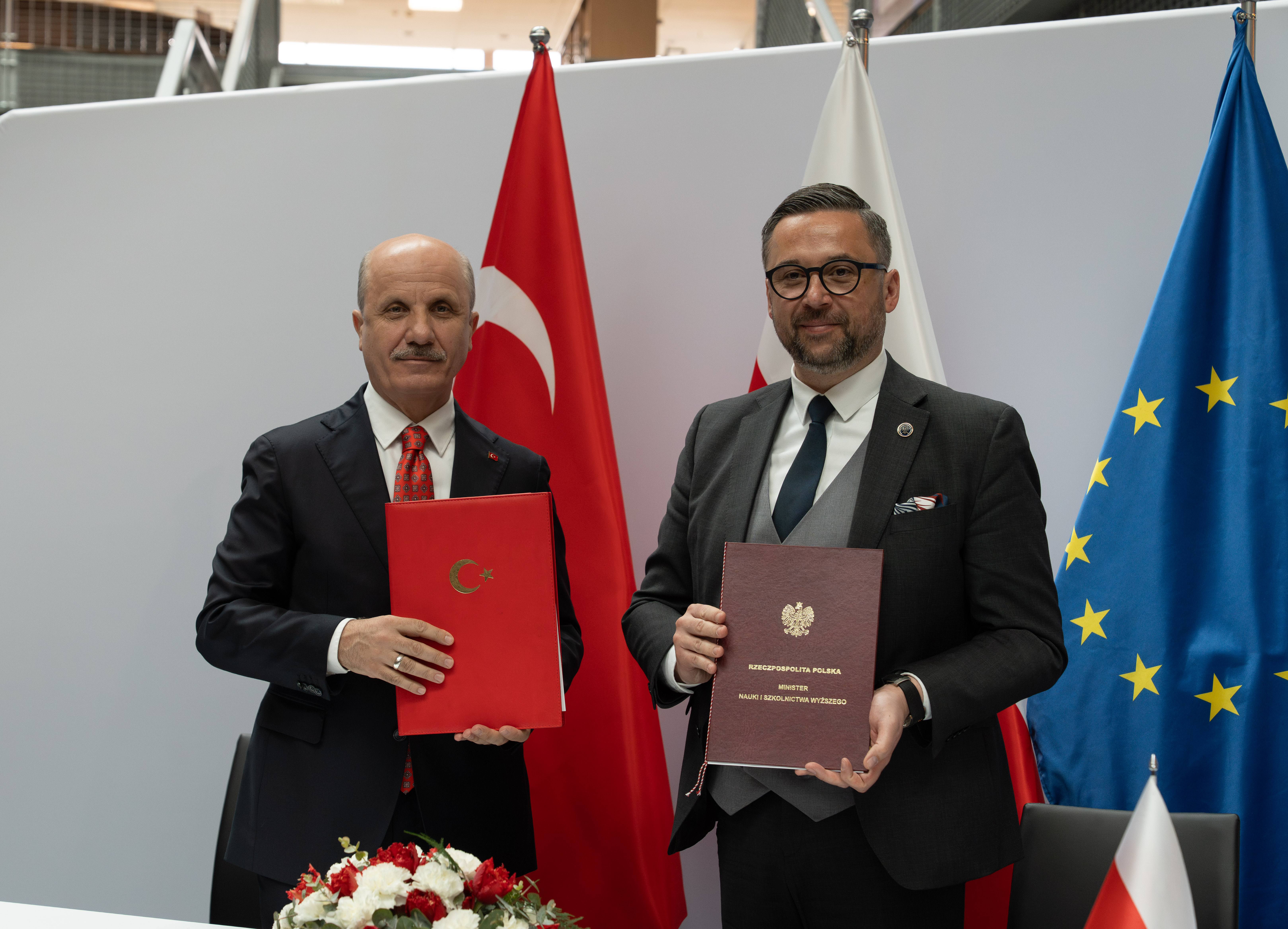
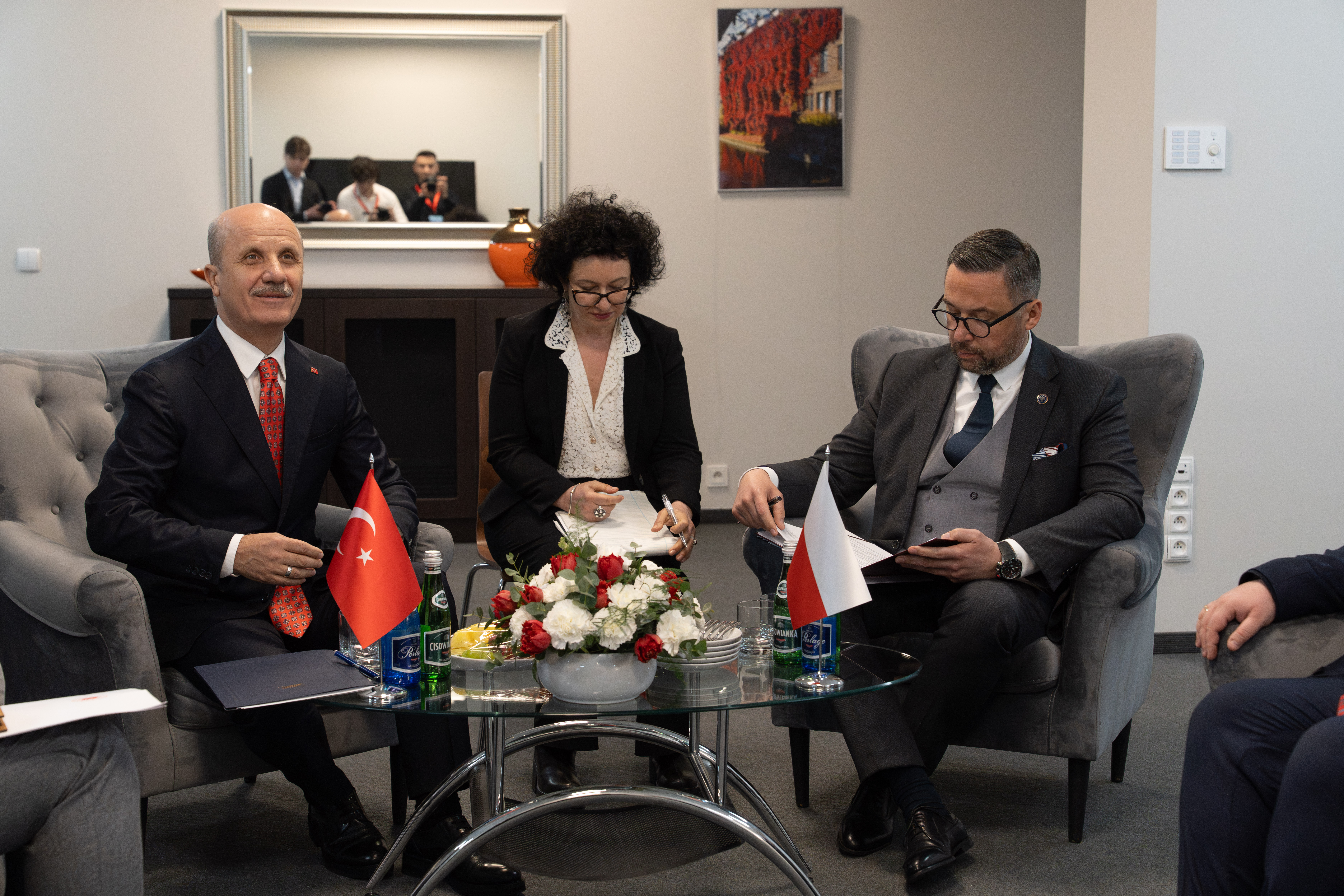
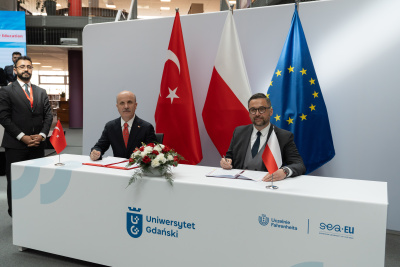
During the 2nd Forum of Rectors of Polish and Turkish Universities, the Polish Minister of Science and Higher Education, Marcin Kulasek, and the President of the Turkish Council of Higher Education (YÖK), Erol Özvar, signed a Memorandum of Cooperation in Science and Higher Education concerning cooperation in the field of higher education between the two countries.
‘A truly historic moment’
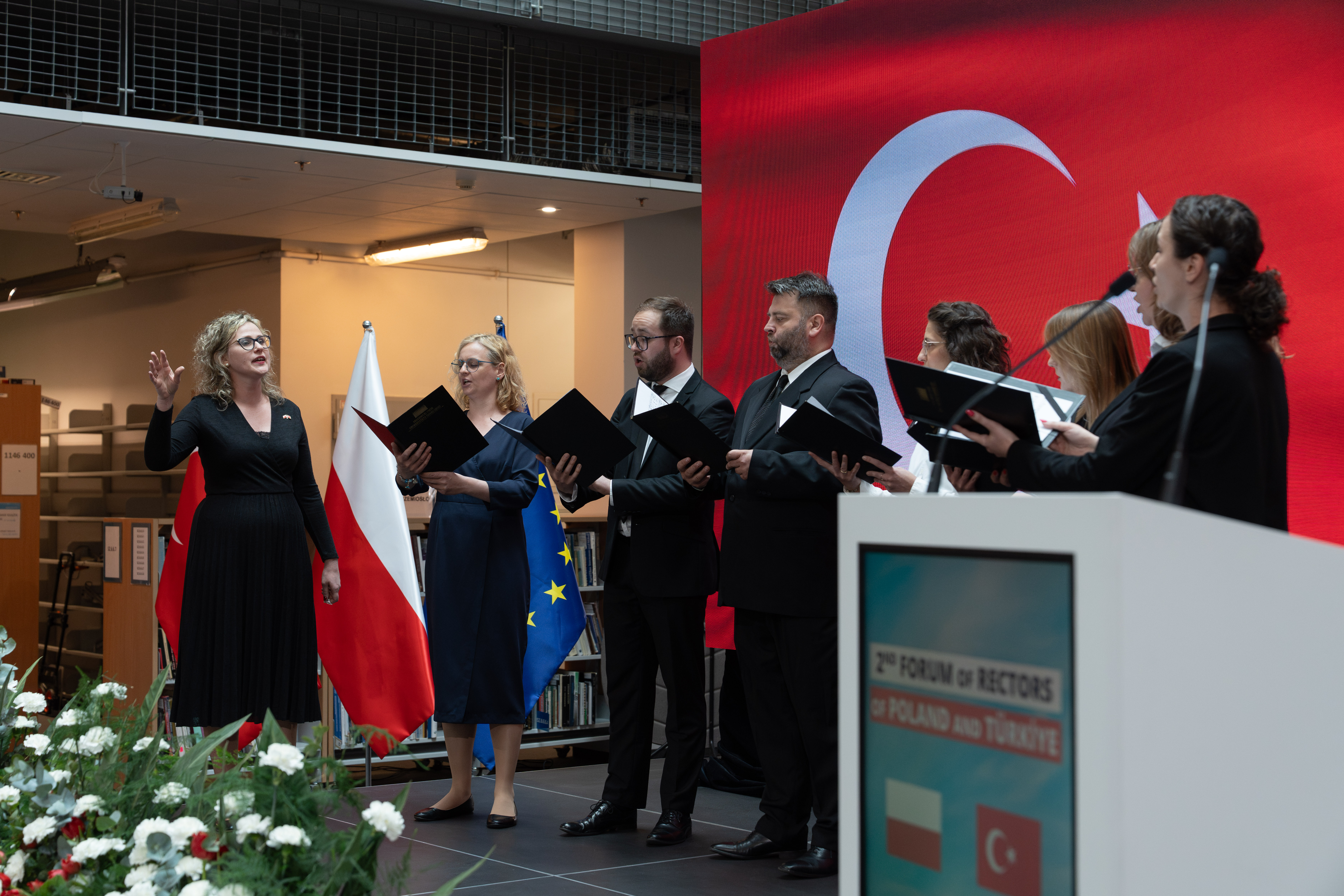
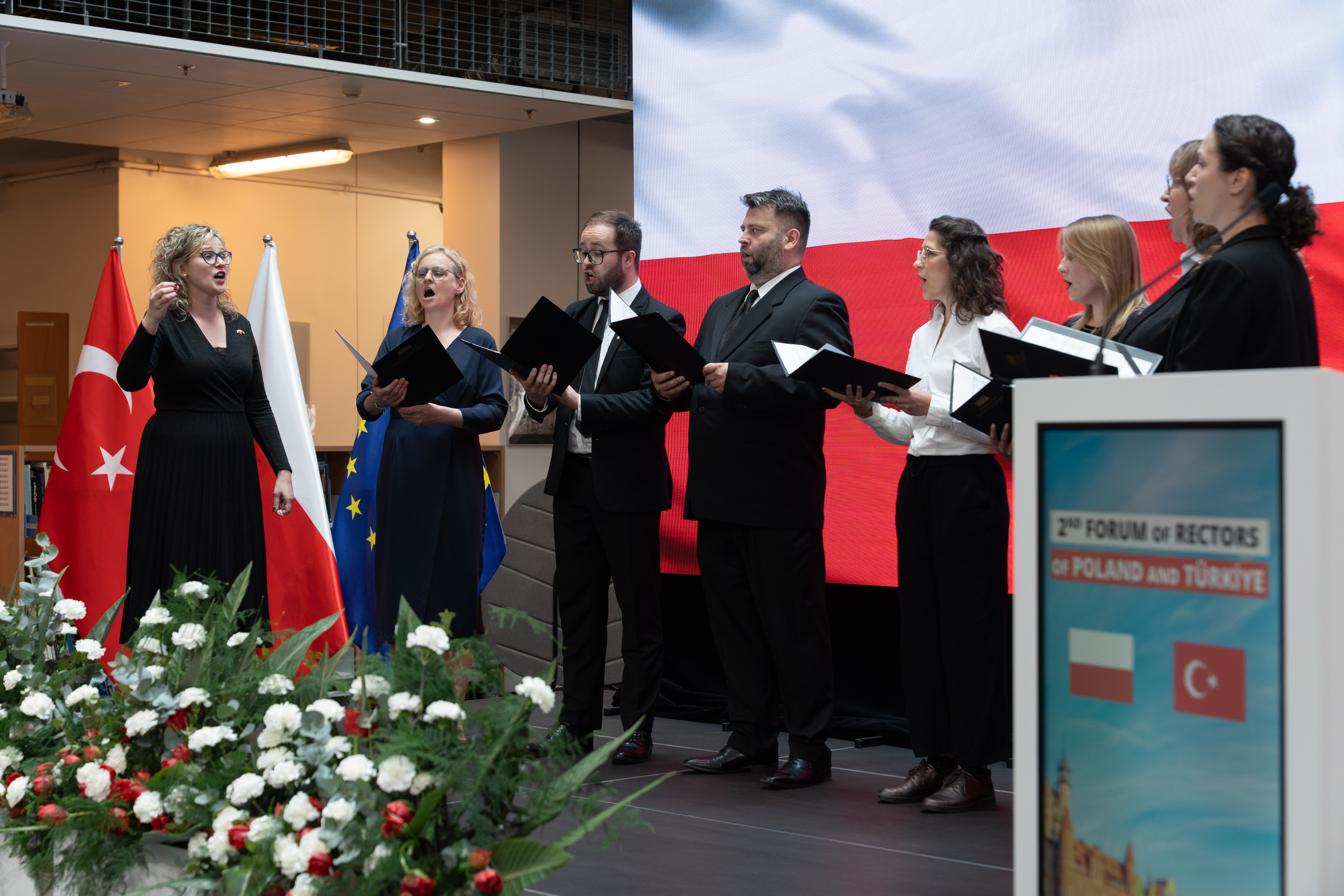
Just before the opening session of the 2nd Forum of Rectors of Poland and Turkey began, those gathered in the auditorium of the University of Gdańsk Library listened to the national anthems of both countries, after which the session commenced, during which issues relating to the political and strategic objectives of Polish-Turkish cooperation in higher education were discussed.
The Rector of the University of Gdańsk, prof. Piotr Stepnowski, emphasised that the University of Gdańsk is today a forum for dialogue, cooperation and the opening of a new chapter in relations between Poland and Turkey. Referring to the presence of so many representatives from over 60 universities in Poland and Turkey, he emphasised that these numbers “symbolise our shared determination to build a future based on knowledge, trust, partnership and mutual understanding. ‘This is a truly historic moment. We are moving from discussion to concrete action, from declarations to genuine cooperation. That is precisely why this forum is much more than a mere academic gathering. It is powerful proof that science and higher education can serve as a bridge between our two nations, that universities can transcend geopolitics, trade and economics by forging lasting relationships based on dialogue and mutual respect,’ said prof. Piotr Stepnowski.
Referring to a geopolitical situation fraught with tensions and profound challenges, the Rector emphasised that ‘at such times, academic cooperation becomes more important than ever. It strengthens the resilience of our societies. It fosters genuine innovation. It educates the people who will shape the future of our nations and the world of tomorrow. We do not want to build relationships that are superficial or short-lived. We want to create a strategic partnership that is lasting, ambitious and capable of truly transforming our universities and our countries.’
‘The strength of universities lies not solely in generating knowledge and technology. The true strength of a university lies in building a community of thinking, open-minded people, ready to cooperate across borders. That is why today’s forum is much more than an academic event. It is an investment in the future of Poland and Turkey. An investment in the next generation of scientists and students. An investment in a greater Europe that is more open, more responsible and more united thanks to knowledge,’ concluded prof. Piotr Stepnowski.
The Minister of Science and Higher Education, dr Marcin Kulasek, emphasised the particular significance of the 2nd Forum of Rectors of Poland and Turkey. ‘This is not merely a meeting of representatives from the academic community, but forms part of a broader, strategic process of building lasting cooperation between Poland and Turkey. We are thus continuing the dialogue initiated during the first forum in Ankara, which demonstrated the enormous potential lying dormant in the relations between our academic communities.’
Referring to ‘profound and dynamic geopolitical changes’, he noted that Poland and Turkey, as important regional partners and NATO member states, play a significant role in shaping stability in their respective regions. ‘The key message of today’s meeting is the conviction that, in the context of contemporary geopolitical challenges, cooperation in the fields of security, defence and the economy is of paramount importance, and that its lasting foundation must be intensive scientific and academic cooperation. It is universities, research institutes and the academic community that today form the foundation of innovation and economic competitiveness. Academic cooperation is not merely a complement to political and economic relations, but their real and lasting foundation.’
‘The signing of the Memorandum of Understanding on science and higher education is a step that opens a new phase of cooperation between our countries, a phase that is more systematic, predictable and ambitious,’ the Minister noted. ‘This document establishes a framework for intensifying bilateral programmes, supporting academic mobility and developing joint research projects. I believe it will serve as an impetus to move from declarations to real, measurable and long-term actions. Poland and Turkey have all the conditions necessary to become a model example of a partnership based on trust, knowledge and shared strategic interests.’
The President of the Turkish Higher Education Council (YÖK), Erol Özvar, expressed his satisfaction with two initiatives undertaken during the 2nd Forum of Rectors of Poland and Turkey: the opening of the Polish-Turkish Centre for Studies at the University of Gdańsk and the signing of the Memorandum of Cooperation in Science and Higher Education. Referring to the complex global situation, he mentioned scientific diplomacy. ‘Currently, the global higher education system is undergoing one of the most complex transformations in its history. Regional conflicts, geopolitical tensions and global uncertainty have a direct impact on academic mobility and international research cooperation. At the same time, this environment creates new opportunities. Science diplomacy has become a key instrument for maintaining dialogue, building trust and fostering long-term cooperation between nations. Universities are no longer merely institutions mediating the creation of knowledge. Today, they are strategic actors shaping national potential, economic competitiveness and international standing,’ he emphasised.
At the same time, the YÖK President presented proposals that should be developed regarding Polish-Turkish cooperation. These include the creation of joint networks of excellence in selected areas, the promotion of developing research programmes, and flexible funding mechanisms that will facilitate the initiation of new projects and the establishment of stable cooperation between universities. ‘Success does not lie in intensified competition, but in generating greater value through a wise division of roles based on strengths and potential,’ he emphasised.
‘The aim is not to compete in the same areas, but to develop a model that will strengthen cooperation through a clear division of areas. Within this framework, we see vast opportunities in science, technology, and innovation,’ noted Erol Özvar.
Polish and Turkish scientists are already collaborating, as evidenced by a 40 per cent increase in publications co-authored by academics from both countries over the last 20 years. ‘This is a huge success achieved by the Polish and Turkish scientific communities, which are effectively joining forces to produce numerous scientific publications. We should create the conditions for those who would like to get involved and exchange experiences. I believe that thanks to our agreement, we will be able to create more suitable opportunities for those involved to develop our cooperation, as we know one another and our two countries are bound by mutual trust dating back to the 15th century.’
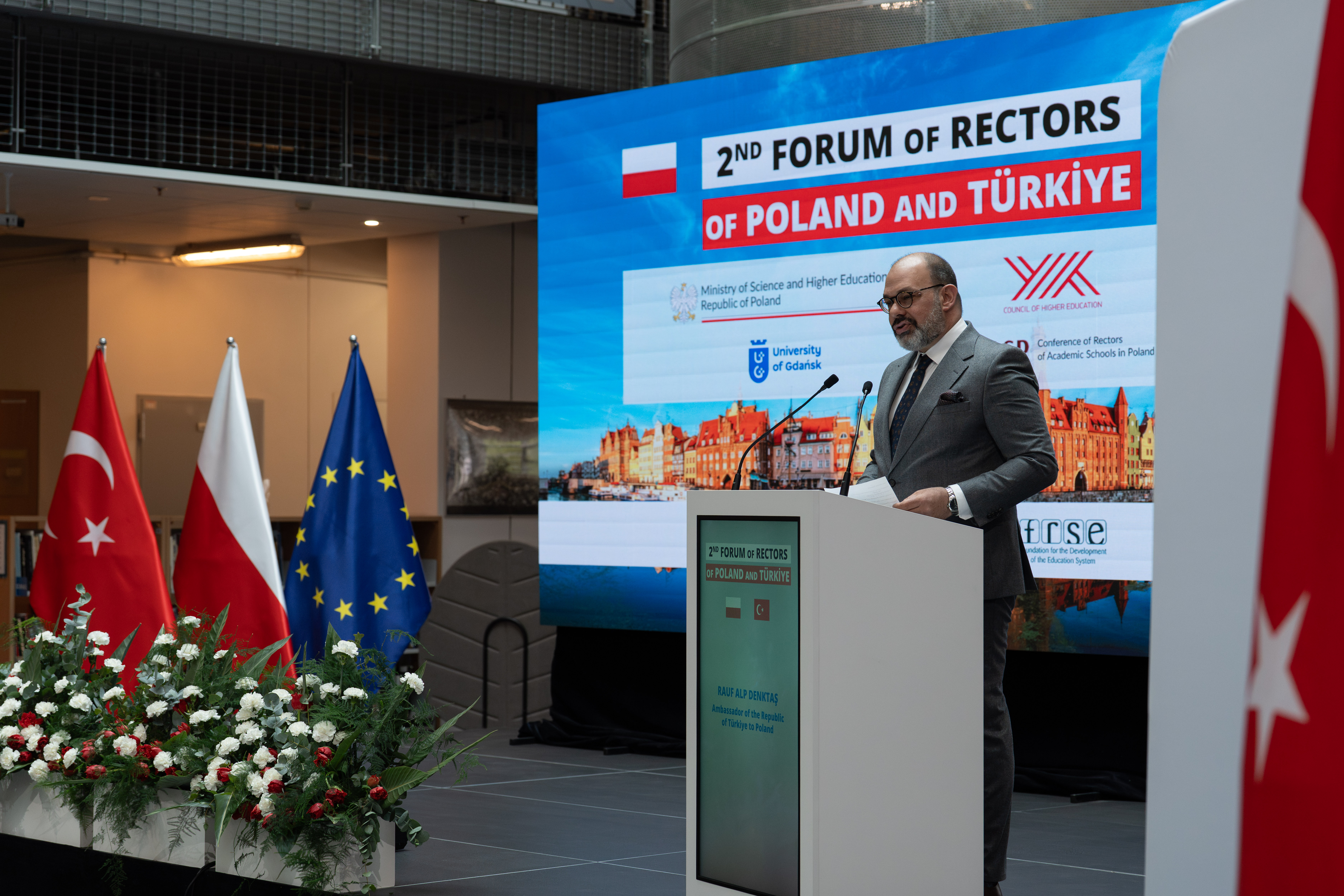
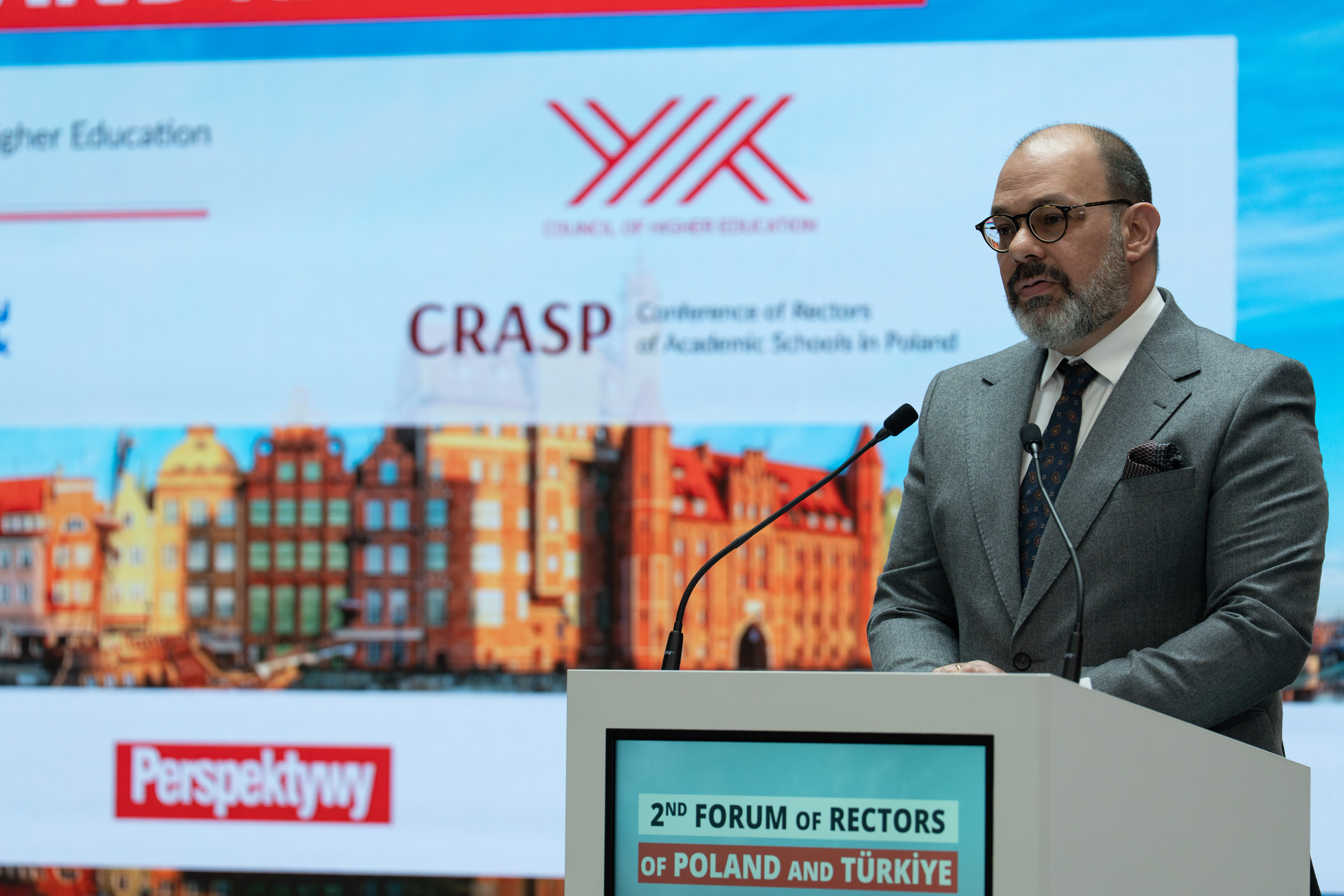
The opening session was also attended by the Ambassador of the Republic of Turkey to Poland, Rauf Alp Denktaş, who emphasised that Turkey and Poland are linked by long-standing relations, recalling the times when we were the two greatest powers in Europe and our borders met. ‘We competed with one another, which was natural, but even then we did so with respect,’ he said.
‘My request today is that this partnership should be long-term and institutional in nature. We are here today, doing a tremendous amount of work, but can we be sure that our cooperation will continue in 10 years’ time? We must base it on strong ties - between governments, between universities, between businesses. We should shape our partnership based on a strategic approach, which is why I welcome the signing of the memorandum with great joy and wholeheartedly,’ emphasised Rauf Alp Denktaş.
The opening session of the forum was also attended by the President of KRASP, prof. Bogumiła Kaniewska; the Director of NAWA, dr Wojciech Karczewski; the Rector of Gazi University, prof. Uğur Ünal; the President of the ‘Perspektywy’ Educational Foundation, dr Bianka Siwińska; and FRSE board member Ada Guźniczak.
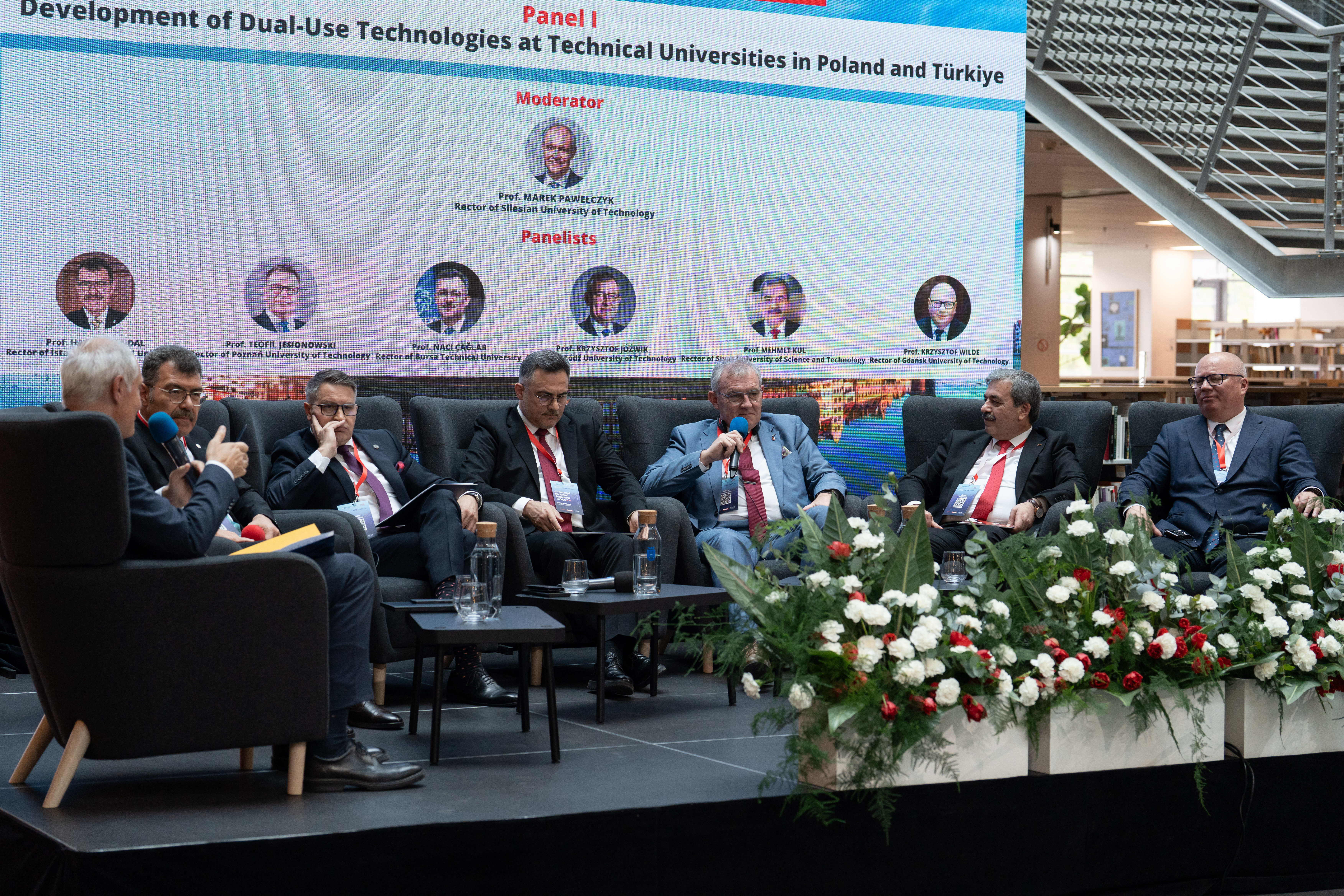
Panel I: Development of Dual-Use Technologies at Technical Universities in Poland and Türkiye
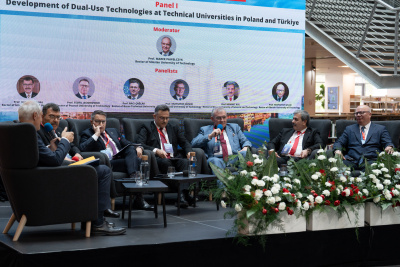
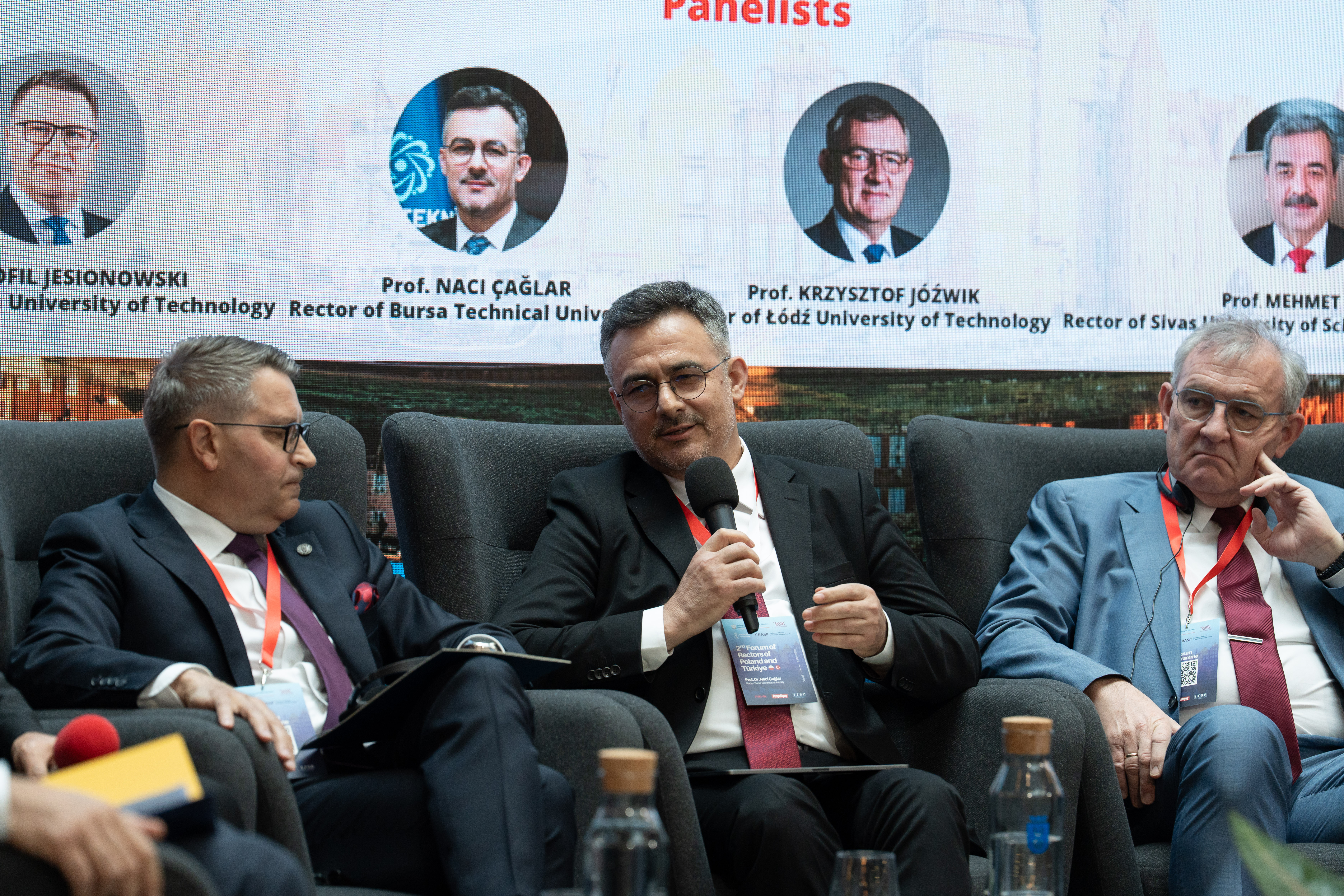
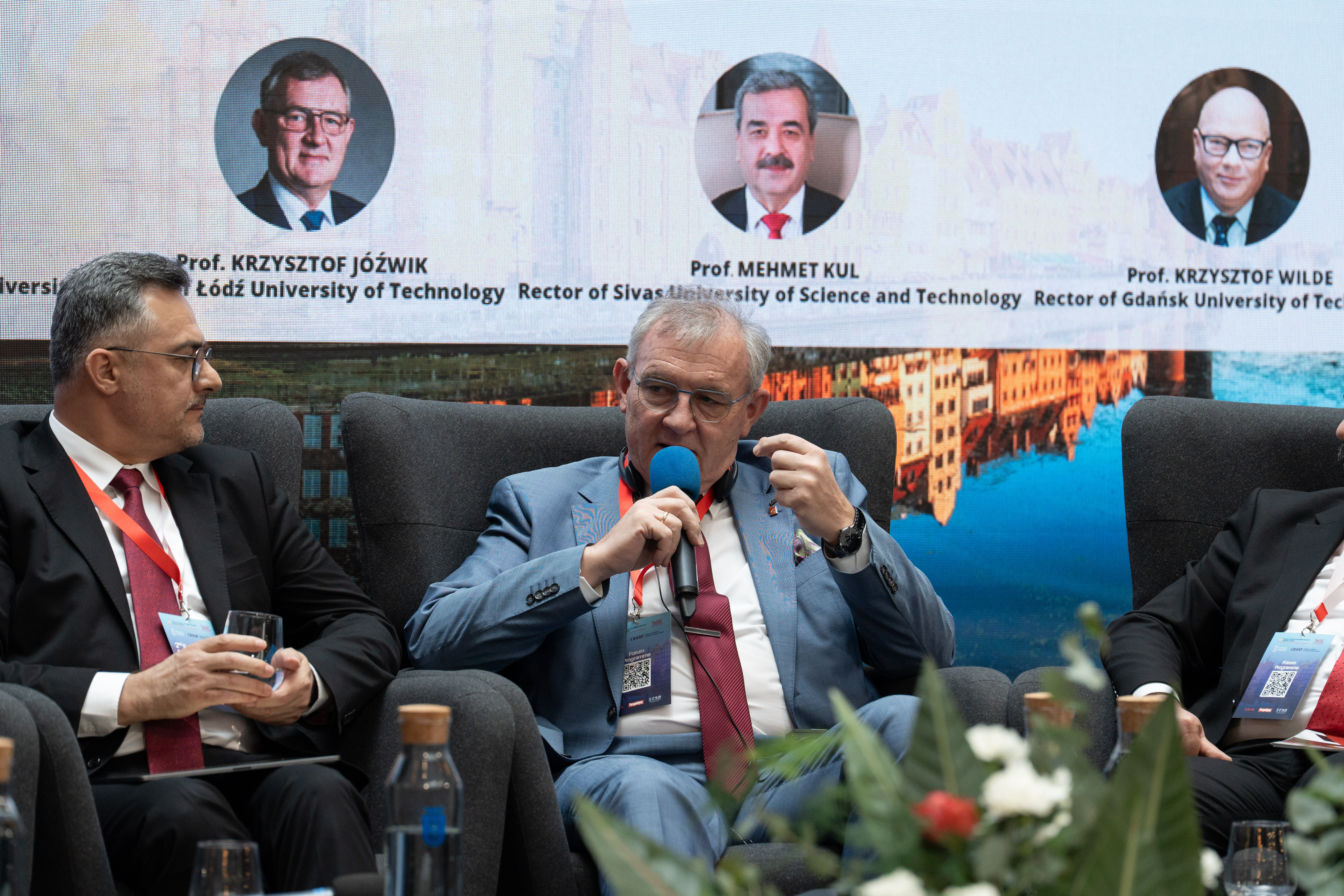
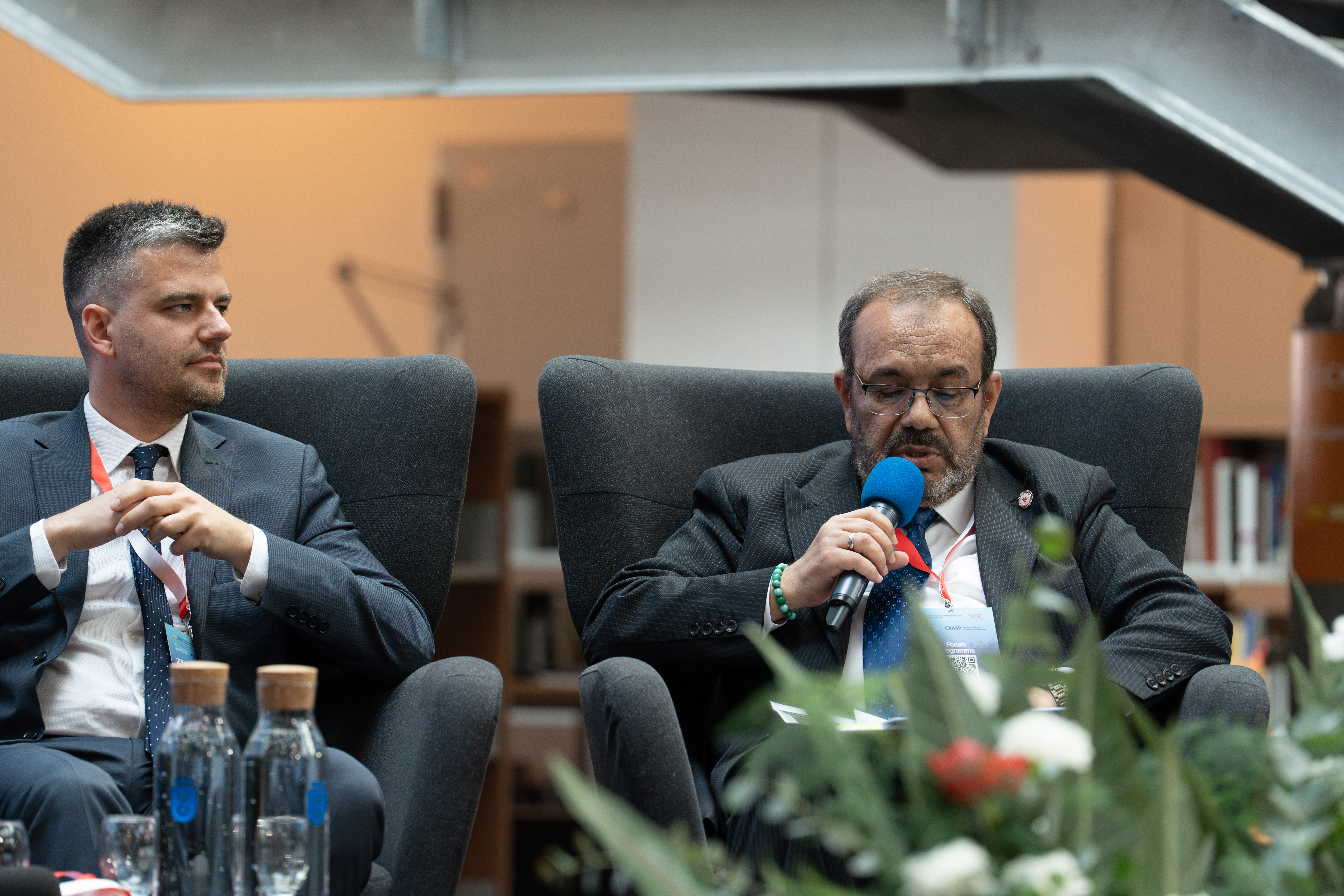
The first panel focused on the development of dual-use technologies at technical universities in Poland and Turkey. The discussion was prompted by geopolitical changes, which have led to an increased demand for defence technologies, including the need to adapt solutions designed for civilian purposes for military use. The panellists presented examples of cooperation between universities and industry, including the military sector, aimed at strengthening defence capabilities. Prof. Krzysztof Wilde emphasised that Gdańsk University of Technology has been collaborating for years with the Polish Navy, as well as with private companies (such as a firm manufacturing drone components). To meet the current needs of these entities and streamline cooperation, a new unit (Business Hub) has been established at the university, which is actively involved in developing and seeking out new products. The panellists also highlighted the difficulties associated with such cooperation: for example, prof. Marek Pawełczyk mentioned the challenges involved in preparing classified theses, and also pointed to the expectation of a ‘rapid response’ from universities, which arises from the military sector. A further challenge is reconciling academic openness with security requirements - which, according to prof. Krzysztof Jóźwik, should be practised ‘in reasonable limits’. Prof. Hasan Mandal proposed a shift in the ecosystem of research collaboration between academia and industry - “from cooperation to co-creation”. He also emphasised the importance of joint laboratories (linking universities with industry) and student engagement.
The panel was attended by: prof. Marek Pawełczyk, Rector of the Silesian University of Technology (moderator), prof. Hasan Mandal (Rector of Istanbul Technical University), prof. Teofil Jesionowski (Rector of Poznań University of Technology), prof. Naci Çağlar (Rector of Bursa Technical University), prof. Krzysztof Jóźwik (Rector of the Łódź University of Technology), prof. Mehmet Kul (Rector of Sivas Science and Technology University) and prof. Krzysztof Wilde (Rector of Gdańsk University of Technology).
Panel II: Perspectives for Polish-Turkish Cooperation in Social Sciences and Humanities
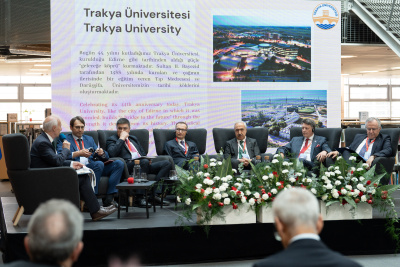
The second panel focused on the prospects for Polish-Turkish cooperation in the social sciences and humanities. According to the panellists, the social sciences and humanities are of immense importance to society. They also provide an excellent platform for cooperation between the two countries – not least because of their similar social challenges and the high level of interest among students in these fields of study. The discussion highlighted the common challenges facing Poland and Turkey (related, among other things, to migration and changing demographics). In their presentations, the rectors highlighted the strengths of their respective universities and the areas of their cooperation with their foreign partner institutions. The discussion touched upon the place of the human being (and their dignity) in a world of developing technologies, including artificial intelligence. - Artificial intelligence can answer many questions, but it is teachers who must teach young people which questions are worth asking, noted prof. Hüseyin Dalgar, emphasising that every new opportunity comes with responsibility, and that “technology should be guided by wisdom”.
Prof. Roman Cieślak cited figures illustrating the similarities and differences in the representation of the social sciences and humanities in Poland and Turkey (e.g. in terms of student numbers, academic staff, and the number of publications) and highlighted the problem of underfunding in this field of study. Prof. Osman Bülent Zülfikar, discussing aspects of the University of Istanbul’s cooperation with Polish universities, noted the need for changes regarding academic staff mobility, so that a greater number of academic staff (and administrative staff) from Turkey could undertake visits to Poland. Prof. Mariusz Popławski also spoke of the need to further engage the academic community in inter-university (and international) exchange. Prof. Mehmet Cahit Güran presented the similarities – as well as various proposals for cooperation between Polish and Turkish universities, highlighting the most promising areas.
At the end of the panel, the moderator – prof. Mustafa Hatipler – referred to the history of Polish-Turkish relations, particularly the fact that Turkey never recognised the partitions of Poland – a context which lends the current meeting an additional dimension.
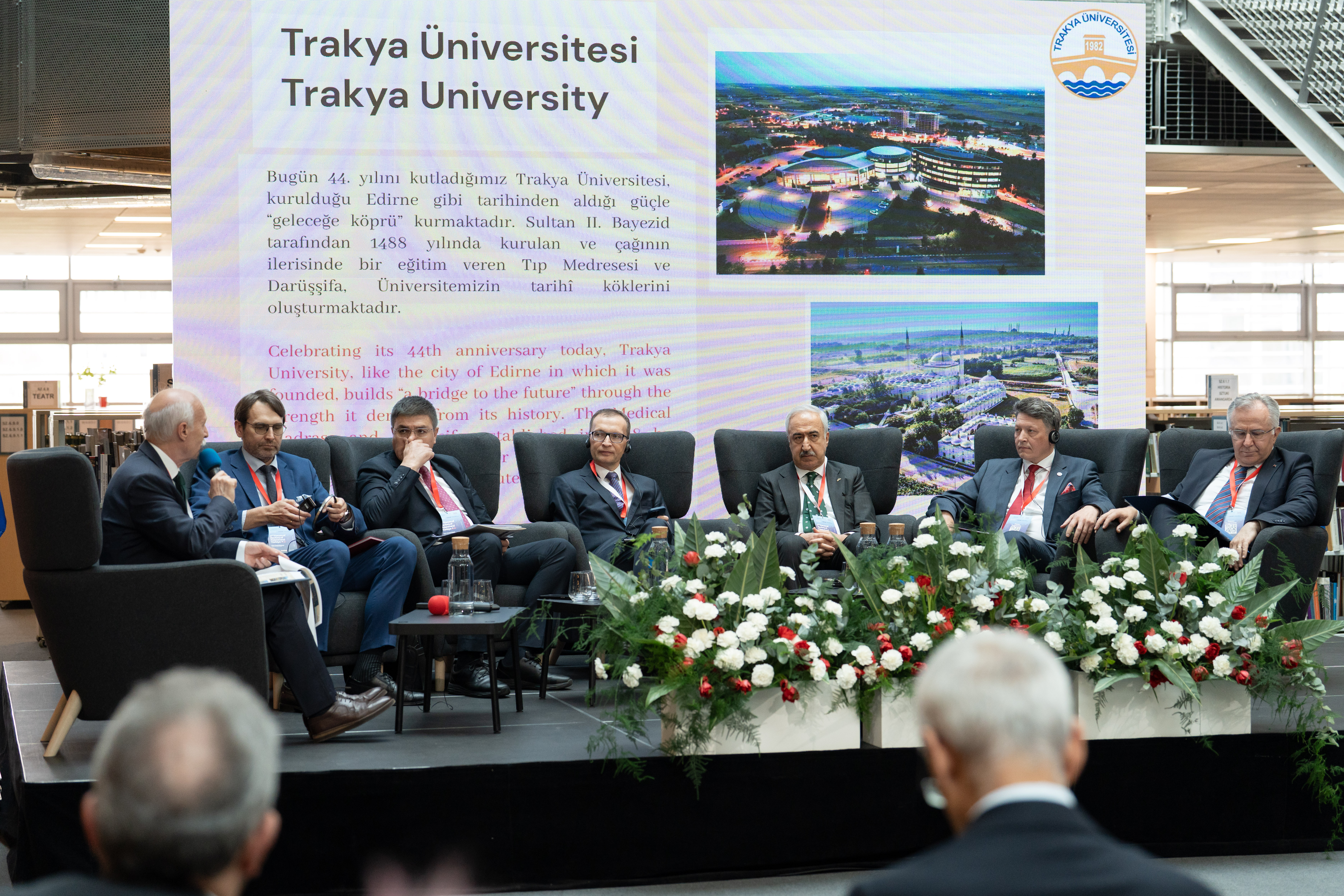
The panel was attended by: prof. Mustafa Hatipler, Rector of Trakya University (moderator), prof. Rafał Matera (Rector of the University of Łódź), prof. Hüseyin Dalgar (Rector of Burdur Mehmet Akif Ersoy University), prof. Roman Cieślak (Rector of SWPS University), prof. Osman Bülent Zülfikar (Rector of Istanbul University), prof. Mariusz Popławski (Rector of the University of Białystok) and prof. Mehmet Cahit Güran (Rector of Istanbul University).
Intervention I: Cooperation in joint research projects
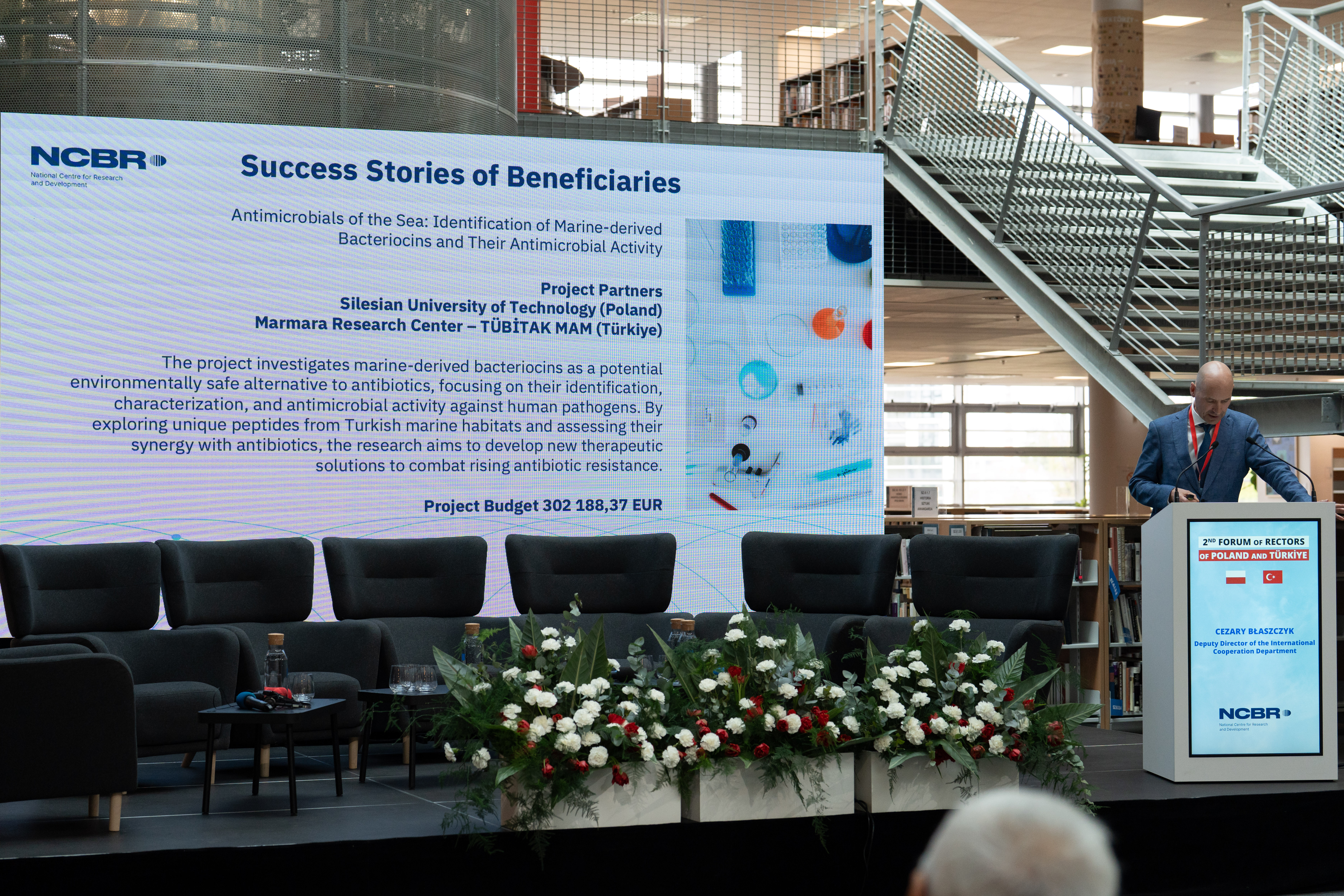
Cezary Błaszczyk, Deputy Director of the International Cooperation Department at the National Centre for Research and Development (NCBiR), spoke about examples and opportunities for cooperation within joint research projects. He mentioned, amongst other things, cooperation with a Turkish partner as one of the longest-running bilateral international cooperation programmes within the NCBiR (since 2014). He also discussed the thematic areas most frequently explored within the framework of Polish-Turkish research cooperation (ICT, health sciences, food and agriculture, energy, the environment and modern materials) and highlighted the Polish universities and institutions most active in terms of cooperation with Turkey. In his conclusion, Cezary Błaszczyk outlined the prospects for the future, highlighting the strong interest in cooperation from academic and business circles, as well as the growing potential for innovation in both countries.
Panel III: Institutional Partnerships, Language Support and Research Centres as Bridges for Cooperation
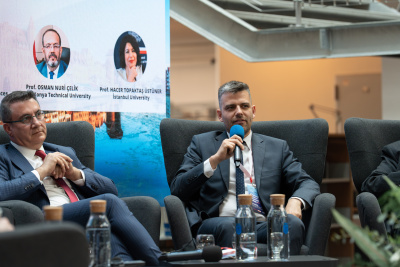
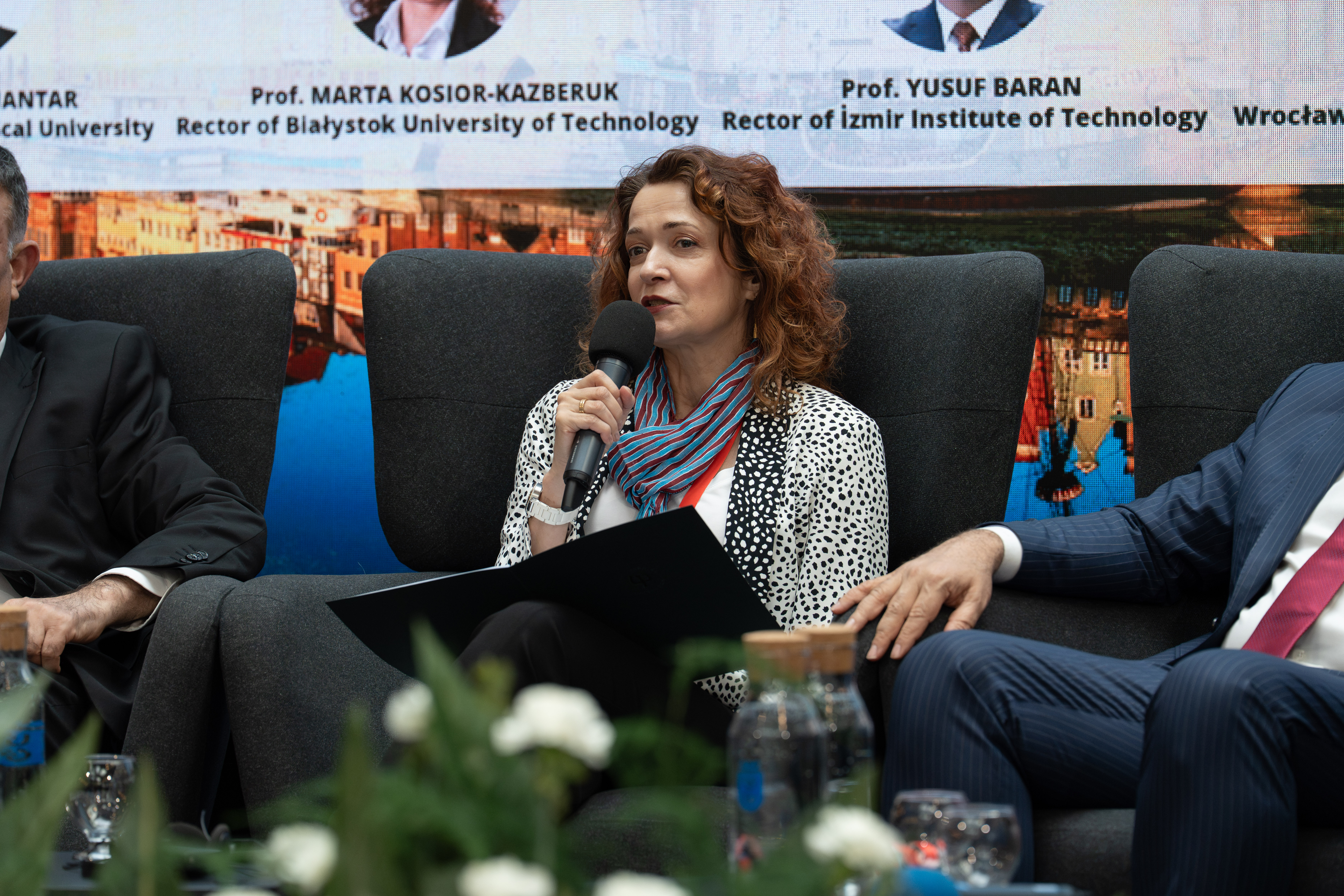
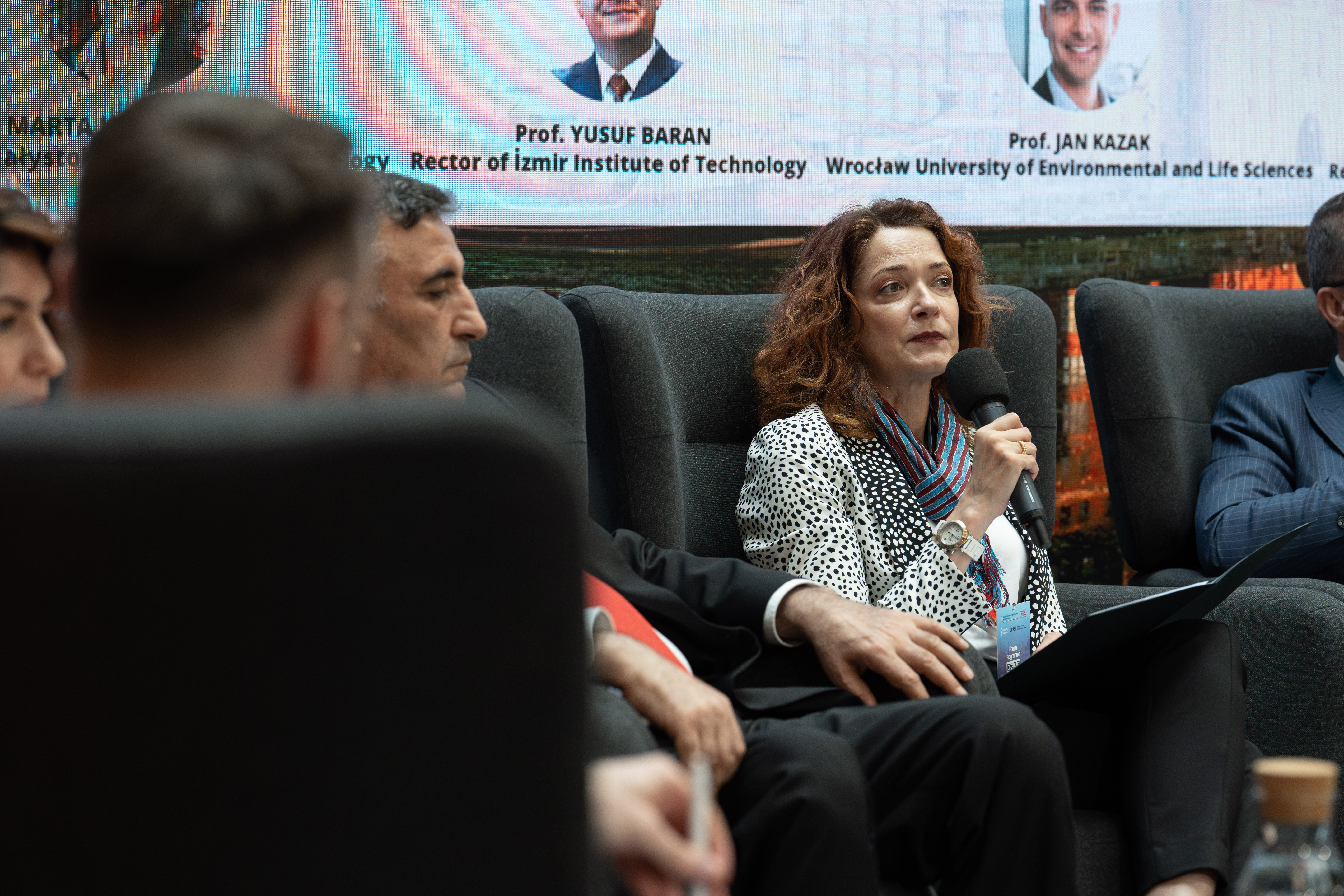
The third panel, focusing on institutional partnerships, language support, and research centres as the basis for cooperation, was held under the auspices of the National Agency for Academic Exchange (NAWA). It was moderated by NAWA’s Deputy Director, dr Damian Syjczak.
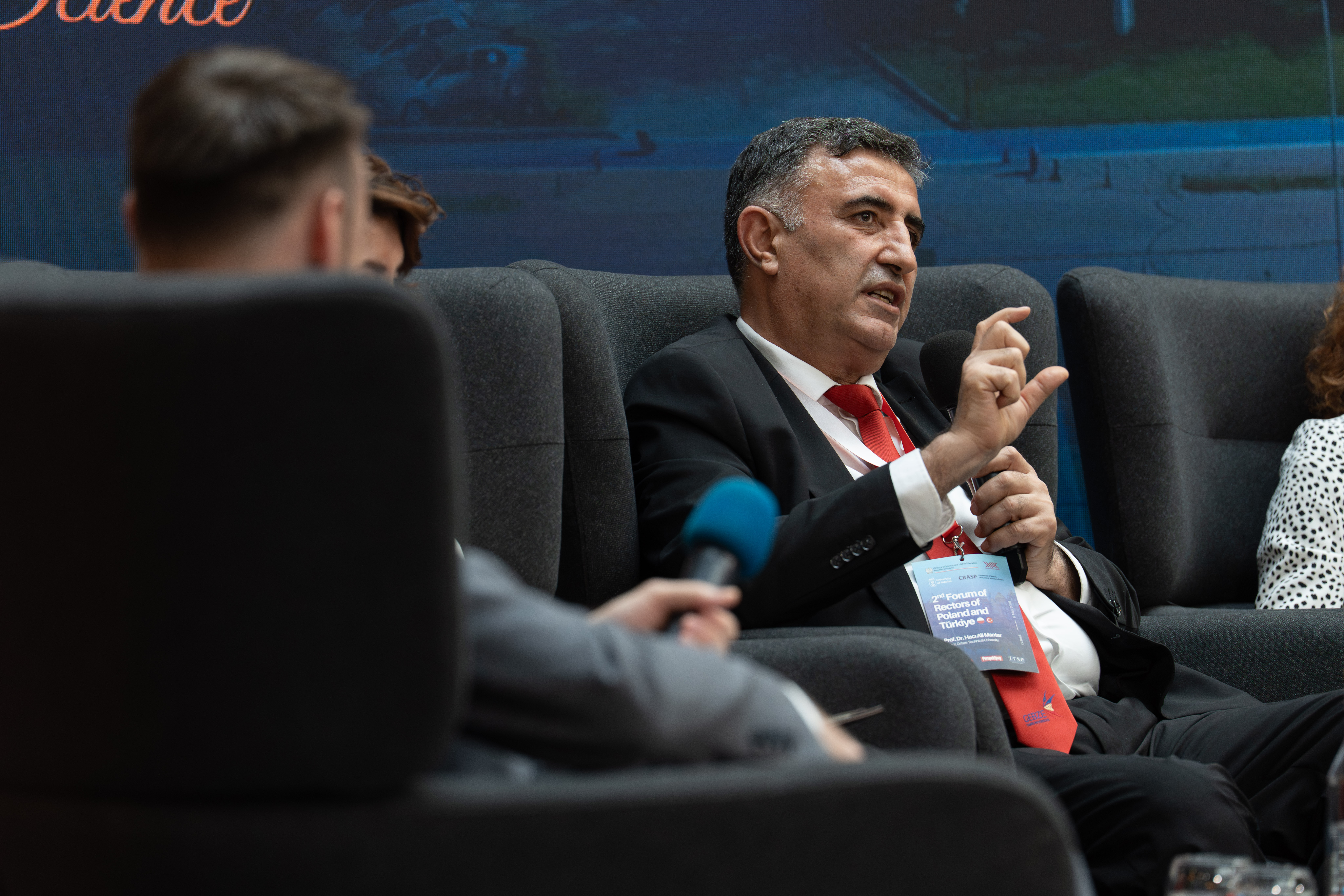
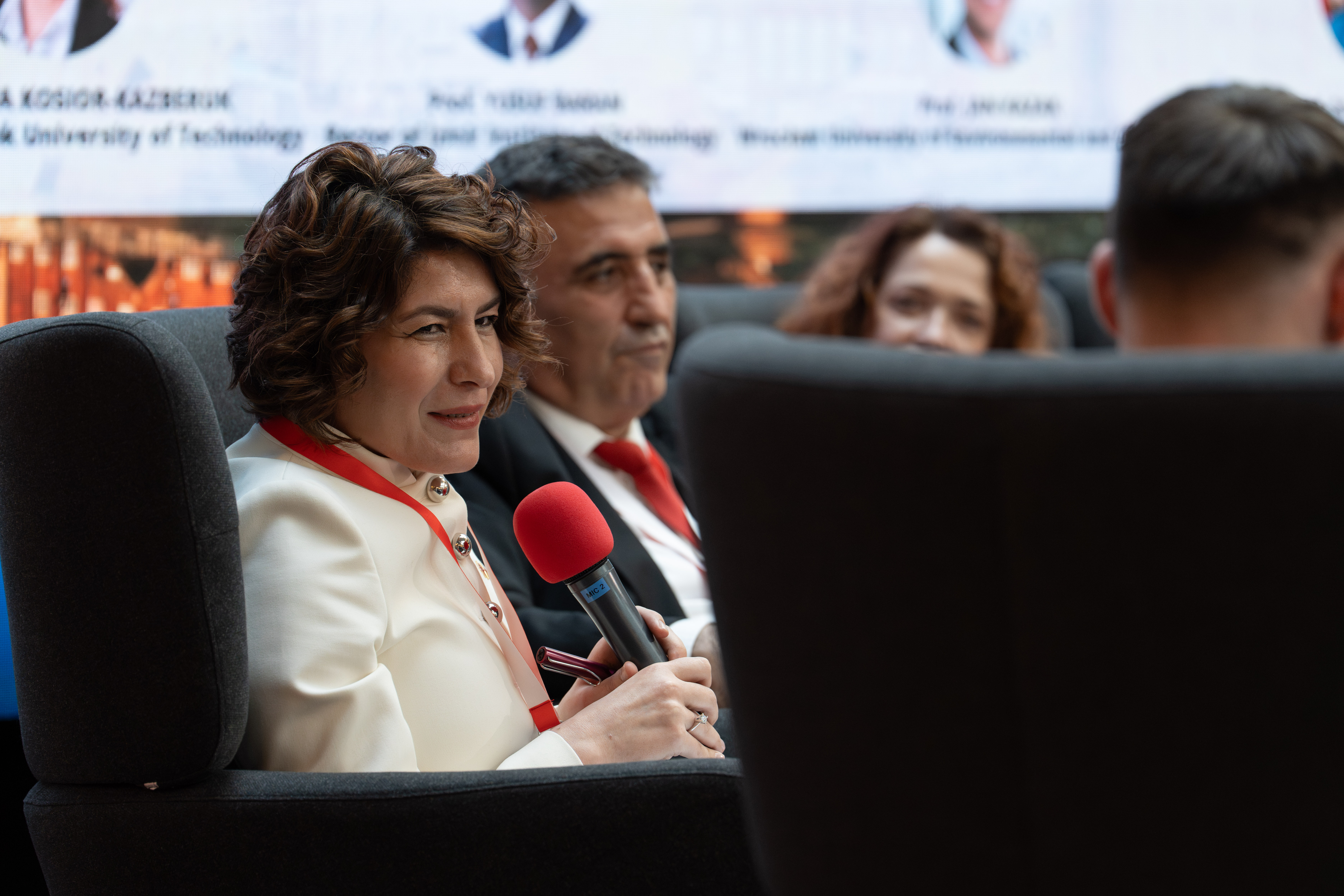
The Rector of the Białystok University of Technology, prof. Marta Kosior-Kazberuk, noted that ‘Turkey is a manufacturing and technological powerhouse. For Polish universities, it is not only a partner but a gateway,’ which is why one of her proposals regarding research and innovation is the creation of an international consortium, as well as establishing cooperation with British universities in the automation and defence sectors, which could serve as a starting point for international research and development programmes. When asked how technical universities can effectively develop international cooperation not only in research but also in innovation, collaboration with industry, and energy technologies, the Rector of Gebze Technical University, prof. Haci Ali Mantar, replied that ‘now that the relevant agreements have been signed, the time has come for implementation and effective action’. Referring to the scientific and research workshops organised in Turkey, he mentioned that these projects could be expanded on an international scale, involving Polish universities, companies and start-ups in these initiatives. ‘We could jointly carry out industrial projects or those related to specific applications or products. This leads to technology transfer and innovation,’ he emphasised.
The Rector of IYTE, prof. Yusuf Baran, noted that local challenges are part of these global ones. ‘No country, no university and no discipline is capable of meeting these challenges on its own.So what should we do? We must cooperate. We must unite, work together, create together, and solve all problems together. Cooperation between universities, laboratories and scientists will make an extraordinary contribution to building a better world,’ he said.
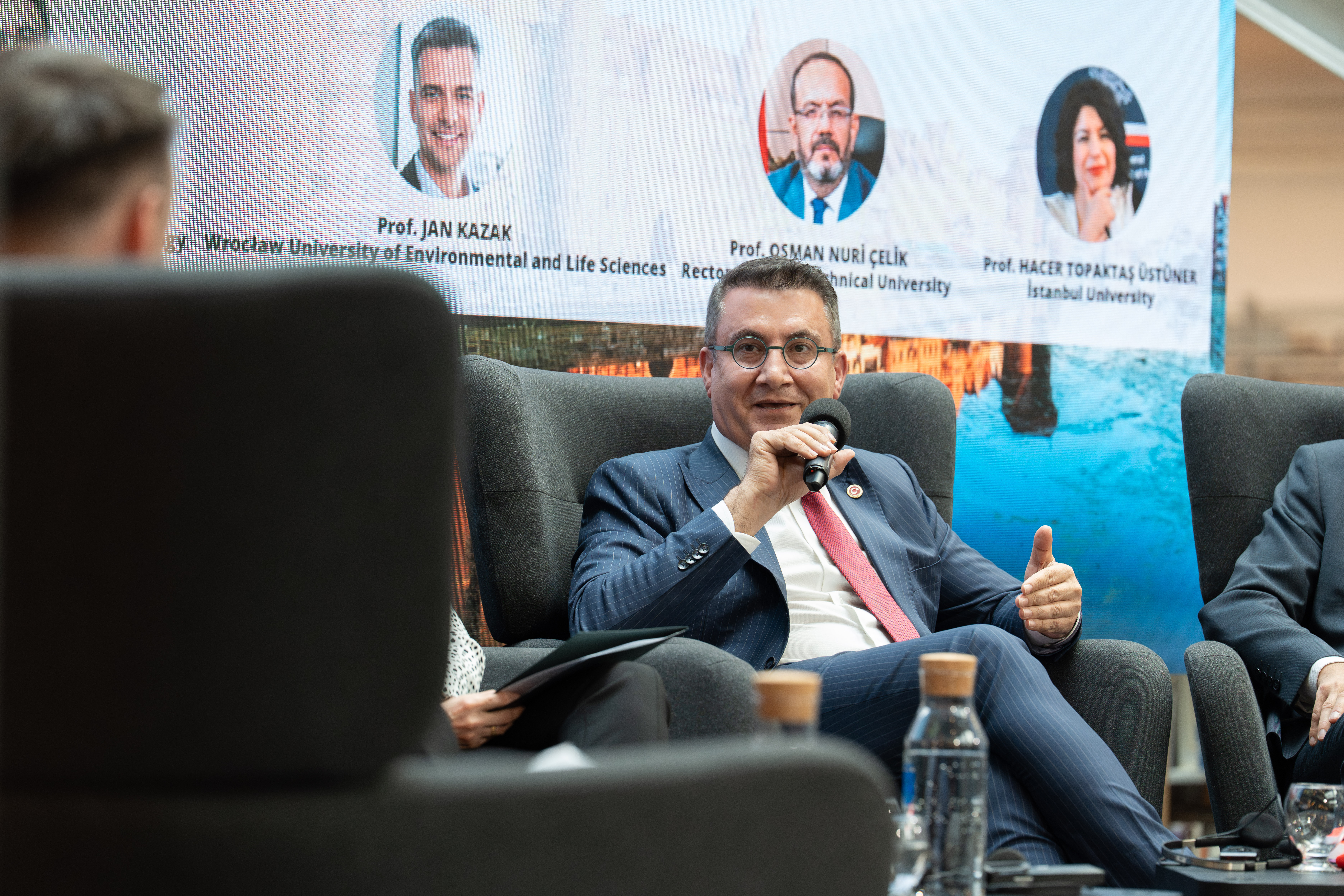
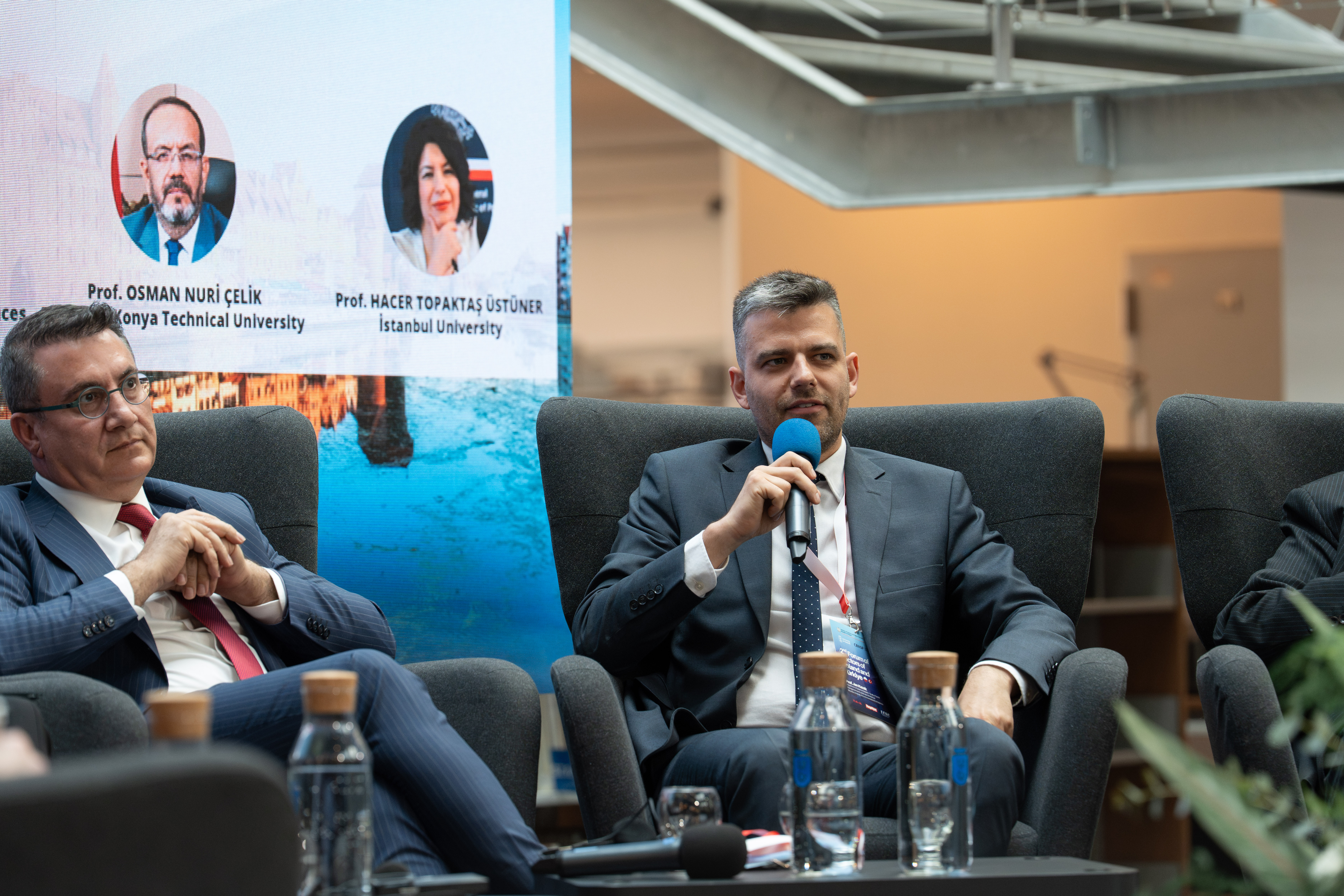
The panel also featured: prof. Jan Kazak (from the University of Life Sciences in Wrocław), prof. Osman Nuri Çelik (Rector of Konya Technical University) and prof. Hacer Topaktaş Üstüner (from Istanbul University).
Panel IV: Opportunities for Polish–Turkish Cooperation in Medical and Natural Sciences
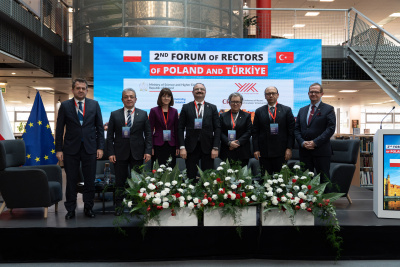
The fourth panel addressed the issue of opportunities for Polish–Turkish cooperation in the medical and natural sciences. This session was moderated by the Rector of Çukurova University, prof. Hamit Emrah Beriş.
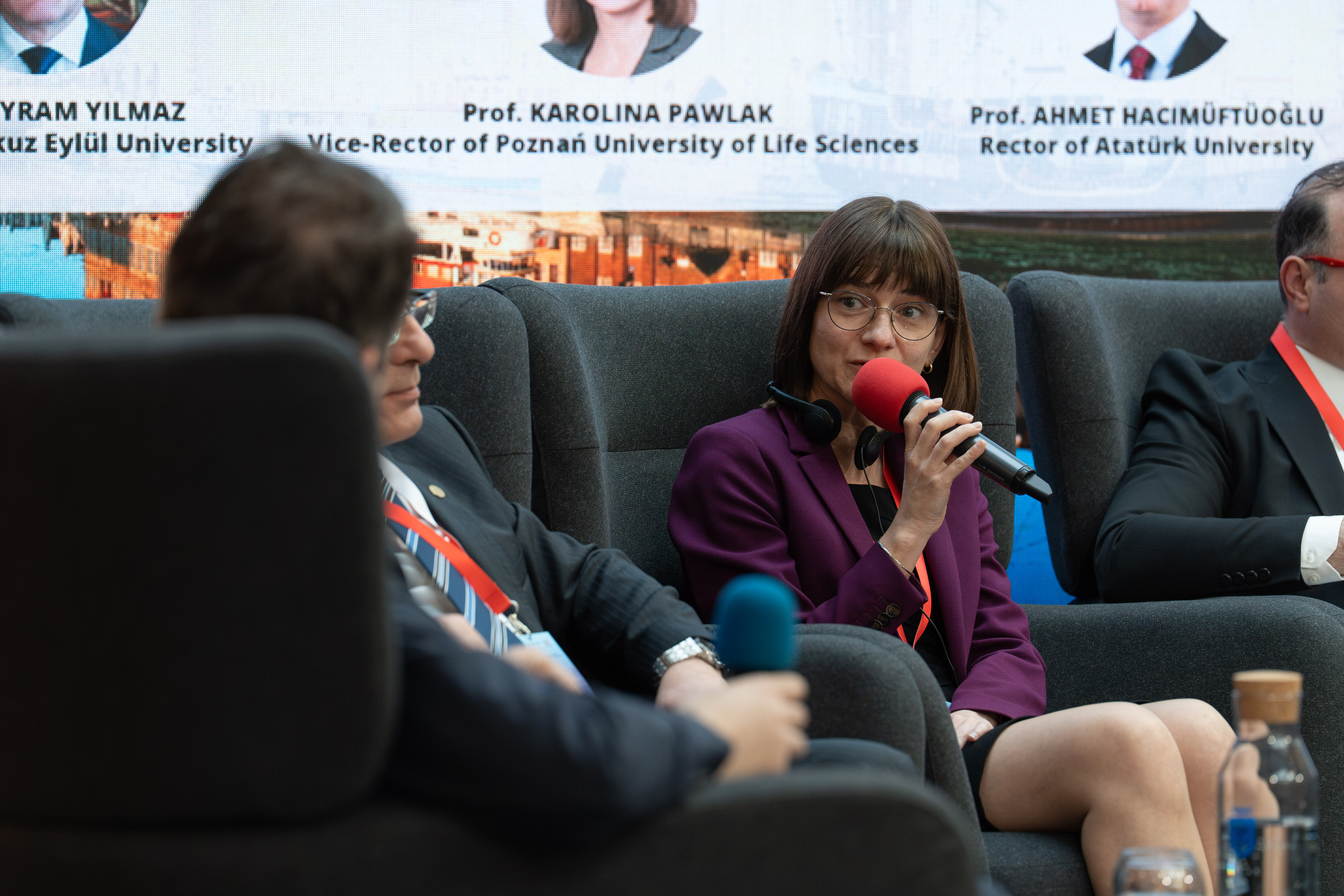
The Vice-Rector of Poznań University of Life Sciences, prof. Karolina Pawlak, highlighted two key areas of cooperation for the university she represents: education and research. The researcher noted that when discussing internationalisation, it is important to remember to offer interesting study programmes tailored to the highly demanding labour market, and to provide students with an international environment. The panellist also referred to a “fairly natural reason” why it is worth supporting cooperation between universities specialising in the natural sciences: - Both the Polish and Turkish economies are ones in which the agriculture and agribusiness sectors play a very important role. Around 50 per cent of land in Turkey is used for agriculture, and in Poland 15 per cent of the workforce is employed in this sector, so we have the potential for cooperation, training students or valuable employees. We are united by excellent, friendly relations between Poland and Turkey – a country that is the EU’s seventh-largest trading partner. And that is potential. There is no doubt that trade is the engine of economic growth.
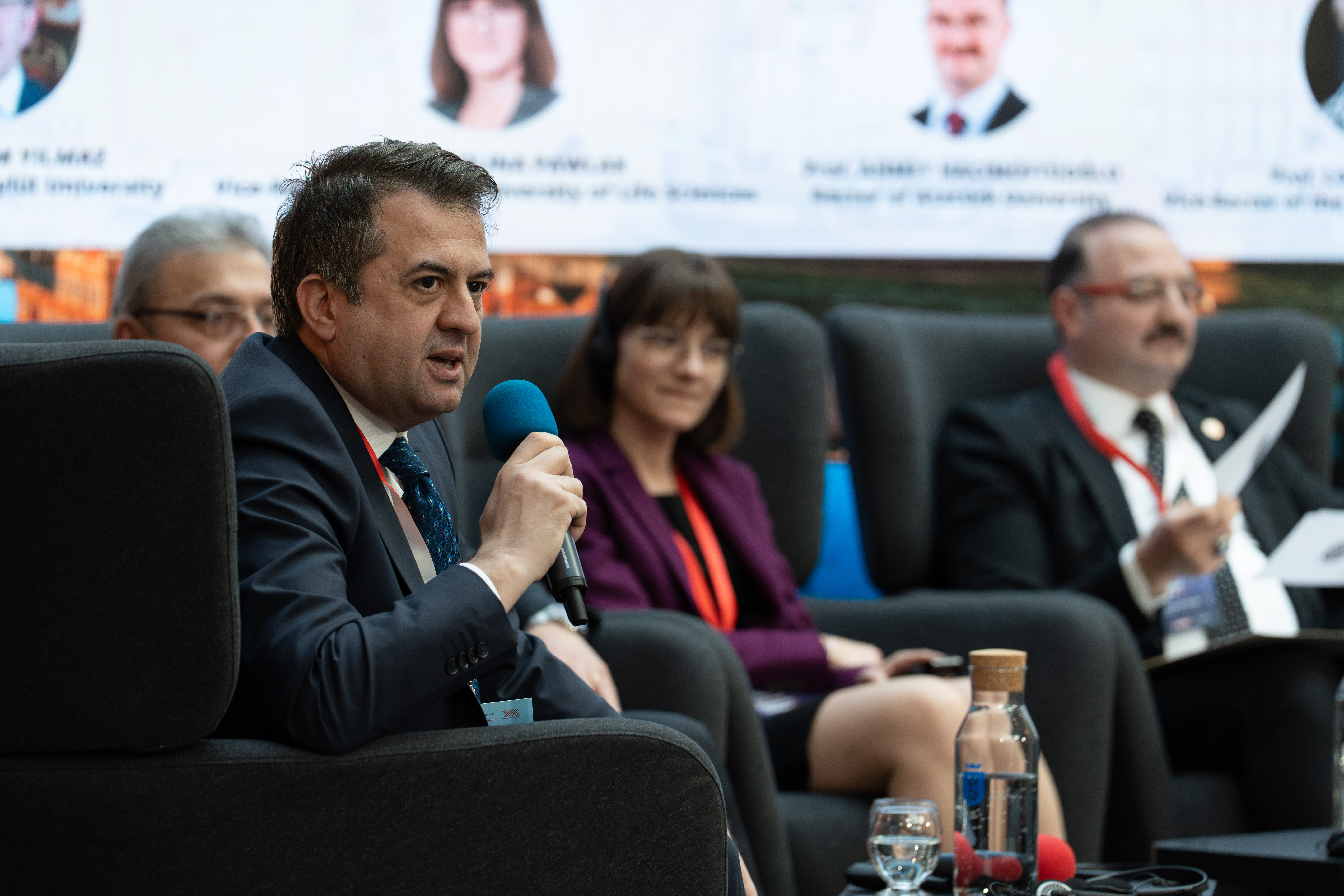
The Rector of Dokuz Eylül University, prof. Bayram Yilmaz, noted that his university has 29 agreements signed with Polish universities. Including one with the University of Gdańsk. He also referred to the challenges associated with technological development: - In the age of digital transformation and artificial intelligence, we are increasingly integrating technology into our medical programmes, courses in medicine, veterinary science, dentistry and all other disciplines. We support our doctors so that they can become ever better.
Prof. Lucyna Woźniak from the Medical University of Łódź noted that her university currently operates within the so-called knowledge triangle. It combines research, education and innovation across all areas of the university’s activities. - We are open to joint research, particularly in the field of innovation, as well as to the training of PhD students and interdisciplinary research training. At present, our university is increasingly opening up to the local community to collaborate, particularly in the field of innovation, because the community linked to the university constitutes the best training laboratory, the best place and the best venue for verifying certain hypotheses regarding innovation.
The Rector of the Medical University of Gdańsk, prof. Michał Markuszewski, whilst presenting the university’s offering, mentioned the unique Intercollegiate Faculty of Biotechnology UG and MUG, as well as a degree programme dedicated to the pharmaceutical industry, which is run jointly with two industry partners. One of these is Polpharma, the largest pharmaceutical company. The second partner is a cosmetics company.
The Rector of MUG emphasised that scientific research has always been the driving force behind the university, and mentioned that the institution he heads has recently signed an agreement with the University of Ankara, specifically with research in mind. According to prof. Markuszewski, both countries could join forces and create interesting projects concerning the production of generic medicines. He also presented the possibility of joining forces in clinical trials: - We are a beneficiary of the National Medical Research Agency in Poland. Turkey is a country with a dynamically developing, relatively young population. We can offer links with Europe in terms of scientific infrastructure, as well as in the field of clinical trials.
The panel was also attended by: prof. Ahmet Hacımüftüoğlu (Rector of Atatürk University) and prof. Nuri Aydın (Rector of Cerrahpaşa University).
Panel V: Polish-Turkish academic cooperation - from Erasmus mobility to partnerships
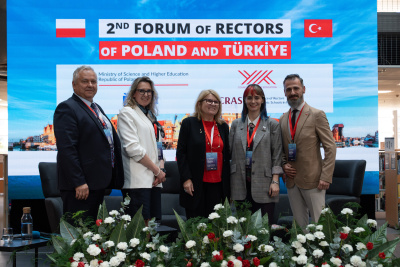
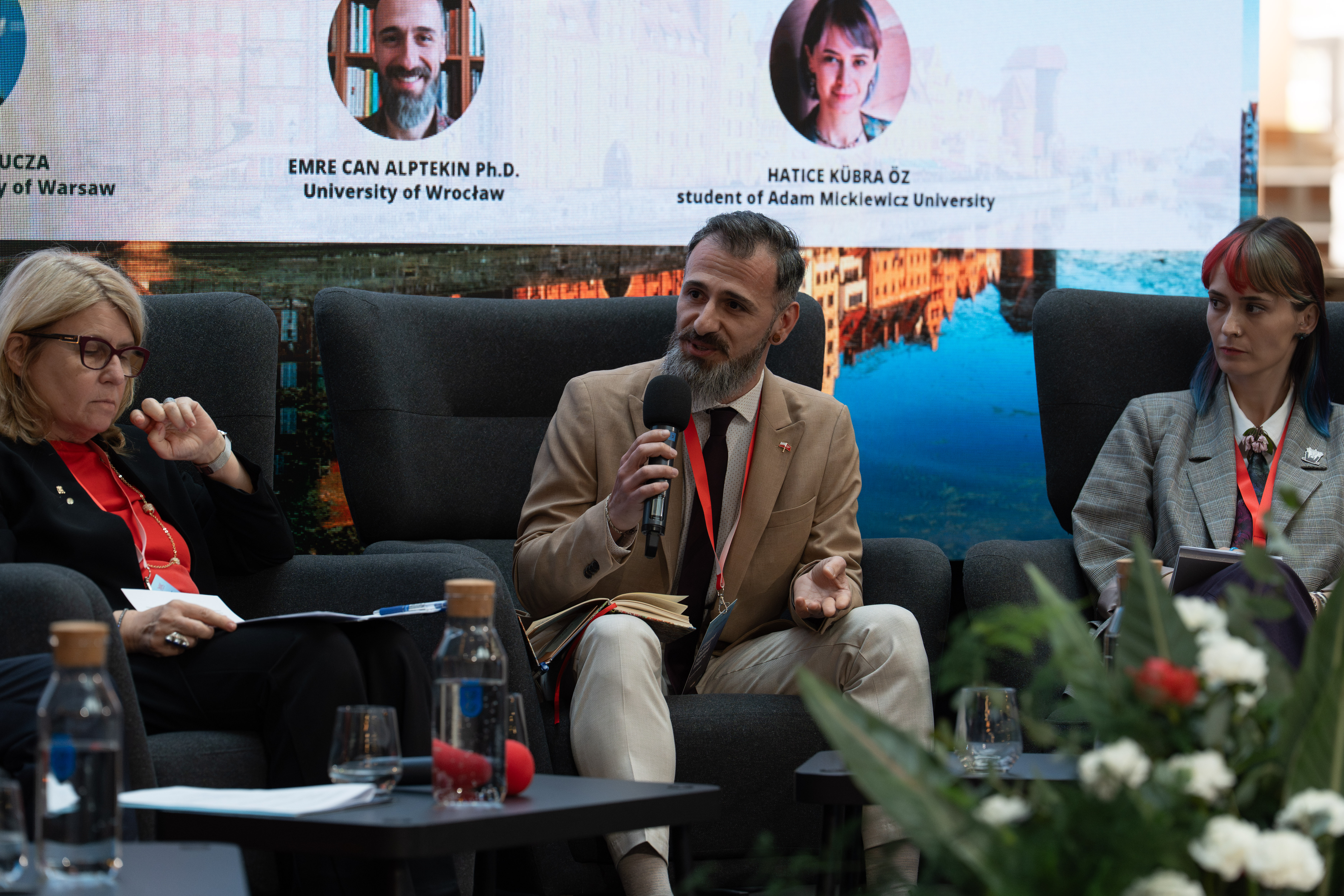
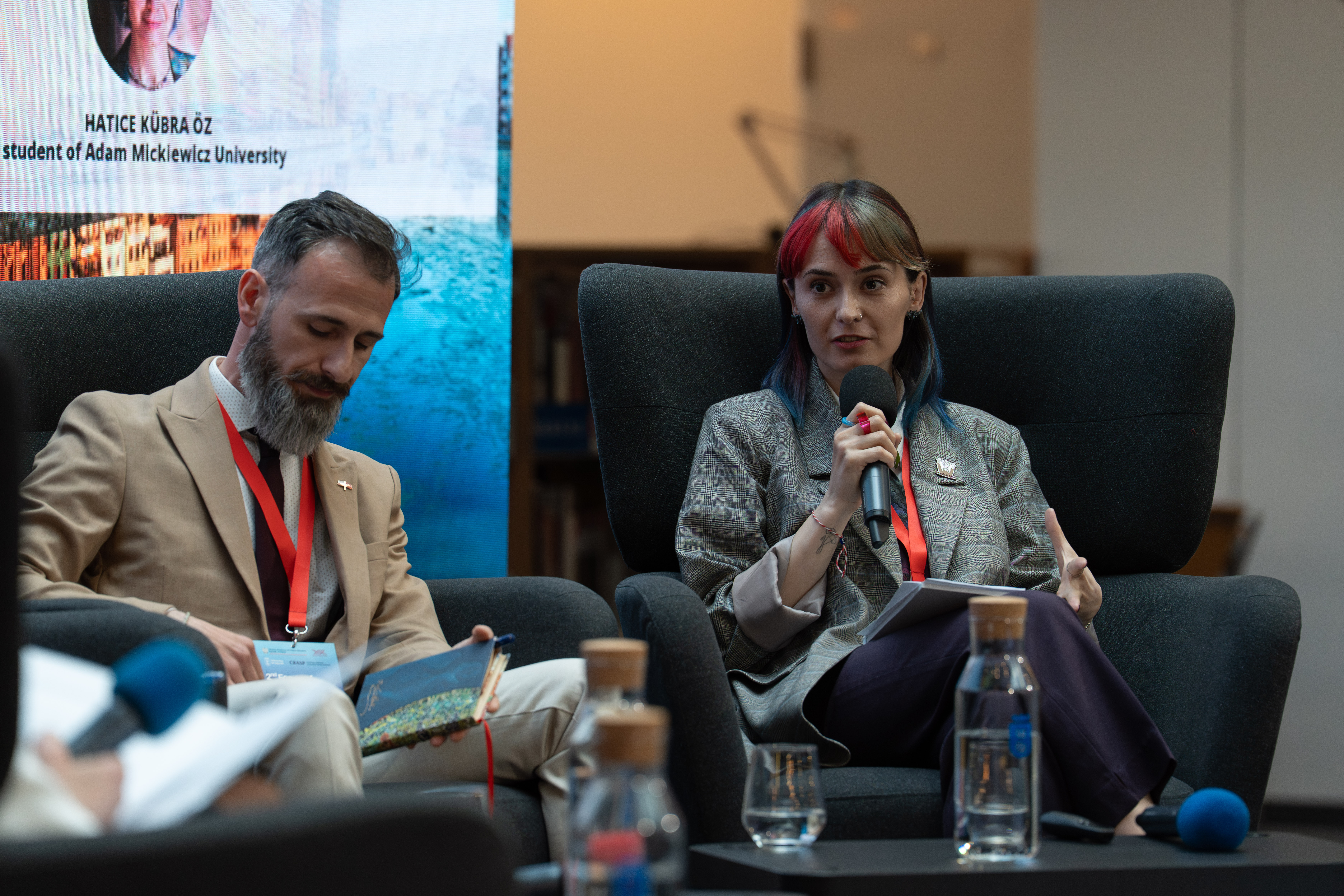
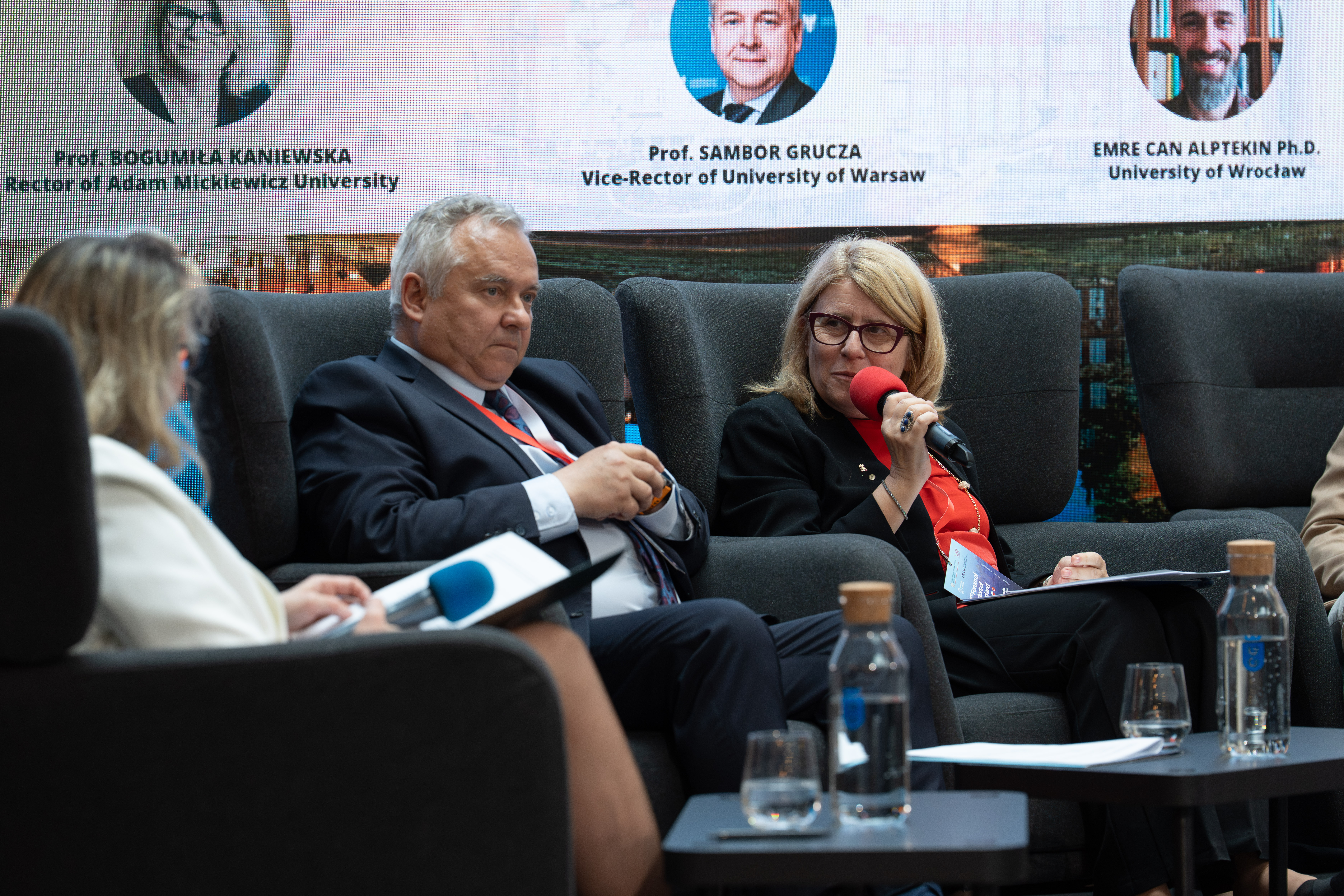
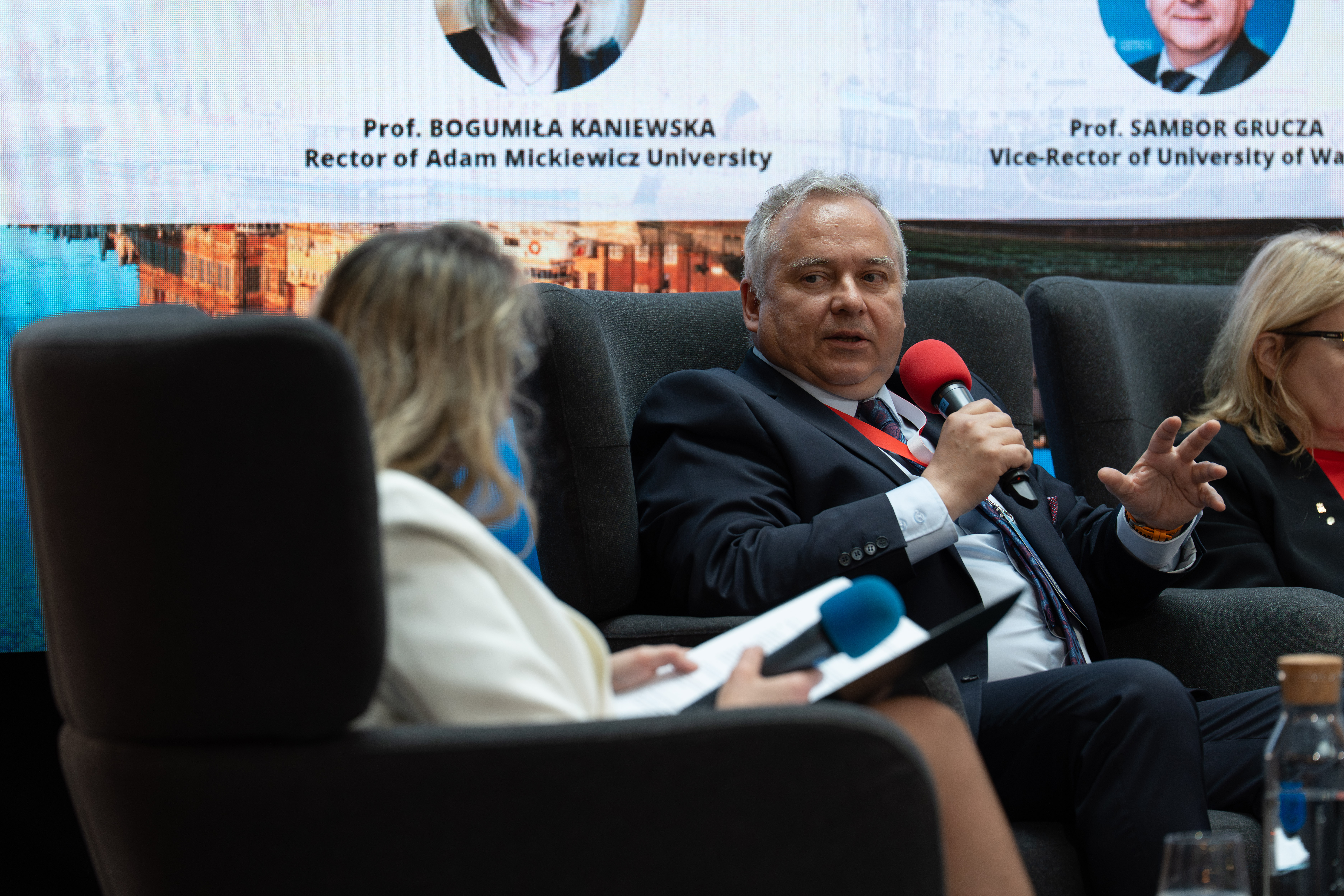
During the fifth panel (under the patronage of the Foundation for Scientific Research - FRSE), an attempt was made to answer the question of whether individual student mobility, for example under the ERASMUS+ programme, can lead to more advanced forms of partnership or international cooperation. Prof. Sambor Grucza spoke of student mobility as part of a larger ‘ecosystem’ of international exchange, in which European Union countries play the largest role - though Turkey is also an important partner in such cooperation (the University of Warsaw boasts the highest number of students from Turkey among Polish universities). Prof. Bogumiła Kaniewska highlighted a shift in the nature of international exchange, which is moving away from being solely a student exchange towards strategic partnerships or joint research and development projects - although ERASMUS+ remains the mechanism that initiates such cooperation. An important theme of the discussion was the formal difficulties (e.g. related to legalising residence) faced by students from Turkey wishing to study in Poland. This problem was highlighted by dr Emre Can Alptekin and Hatice Kübra Öz, who also raised issues related to cultural adaptation (and exchange). Renata Decewicz drew attention to a certain imbalance in Polish-Turkish student mobility (the number of students from Turkey coming to Polish universities is more than four times higher than the number of Polish students taking advantage of mobility to Turkish universities). Poland is therefore an attractive place to study for people from Turkey - and the panellists discussed how to convince Polish students that studying in Turkey can also be attractive. ‘Studying offers the opportunity to get to know our neighbours beyond stereotypes,’ emphasised dr Emre Can Alptekin. The panel concluded with an appeal to the Rectors, intended to draw attention to the needs of those participating in mobility programmes: ‘Hear our voice!’
The panel was attended by: Renata Decewicz, Deputy Director of the FRSE (moderator), prof. Bogumiła Kaniewska (Rector of Adam Mickiewicz University in Poznań), prof. Sambor Grucza (Vice-Rector for Cooperation and Staff Affairs at the University of Warsaw), Dr Emre Can Alptekin (from the University of Wrocław) and Hatice Kübra Öz, a student at Adam Mickiewicz University in Poznań.
PANEL VI: Realizing Potentials and Opportunities in Turkish Universities for Polish Students and Academicians
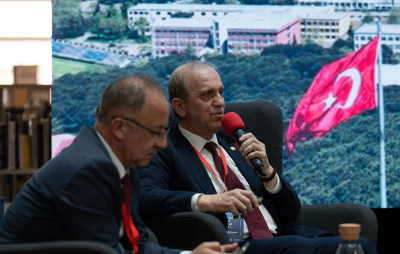
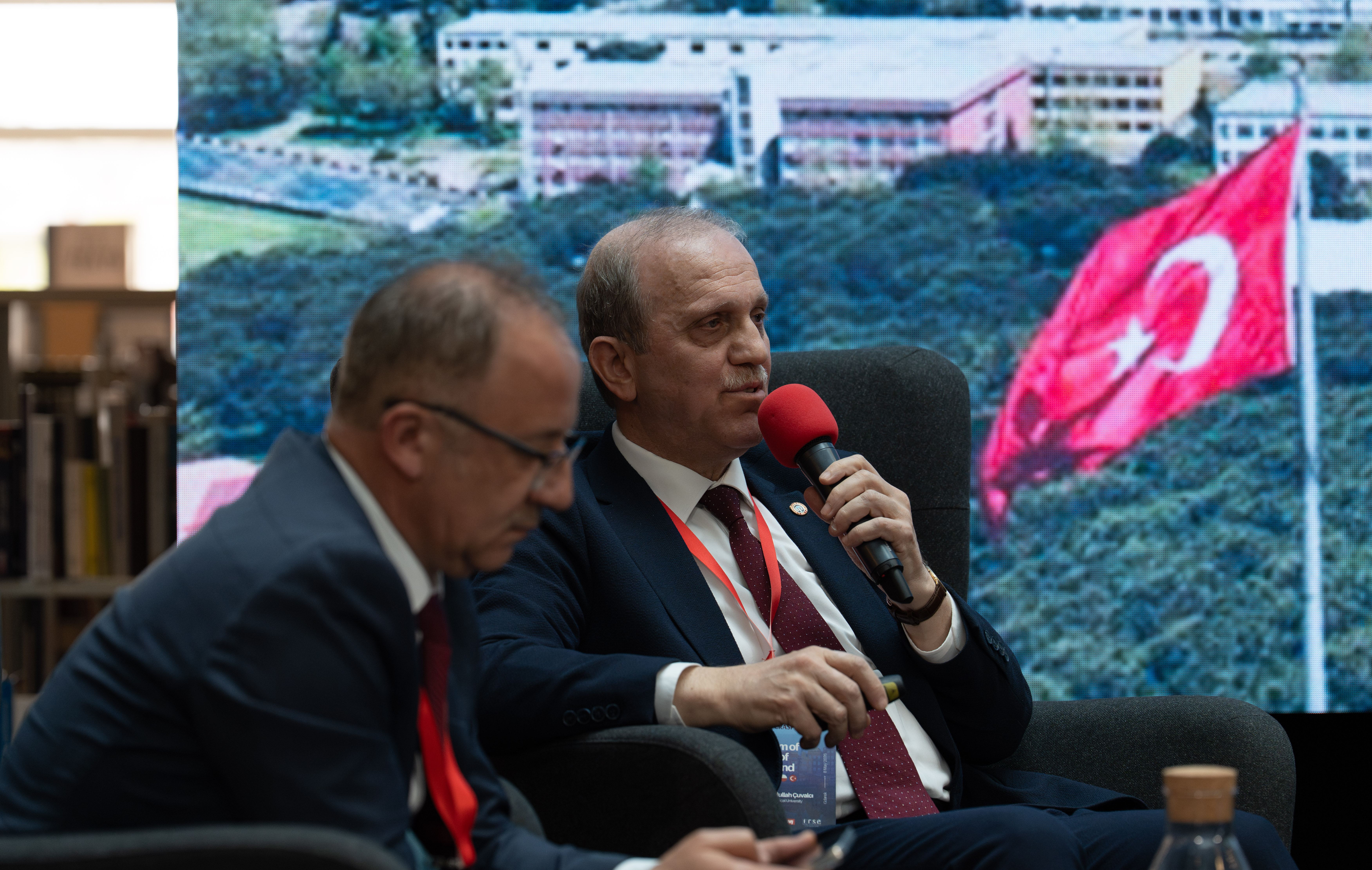
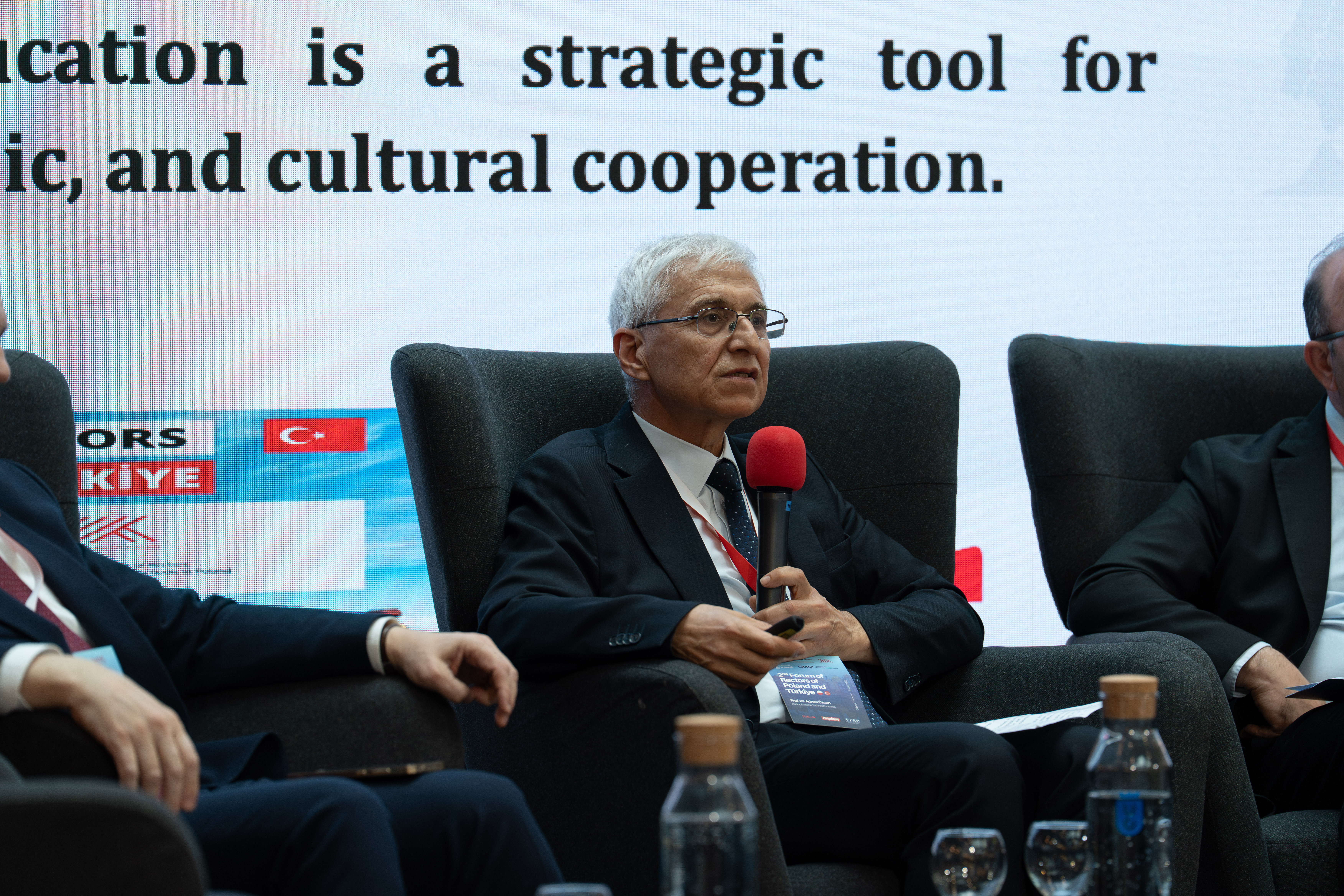
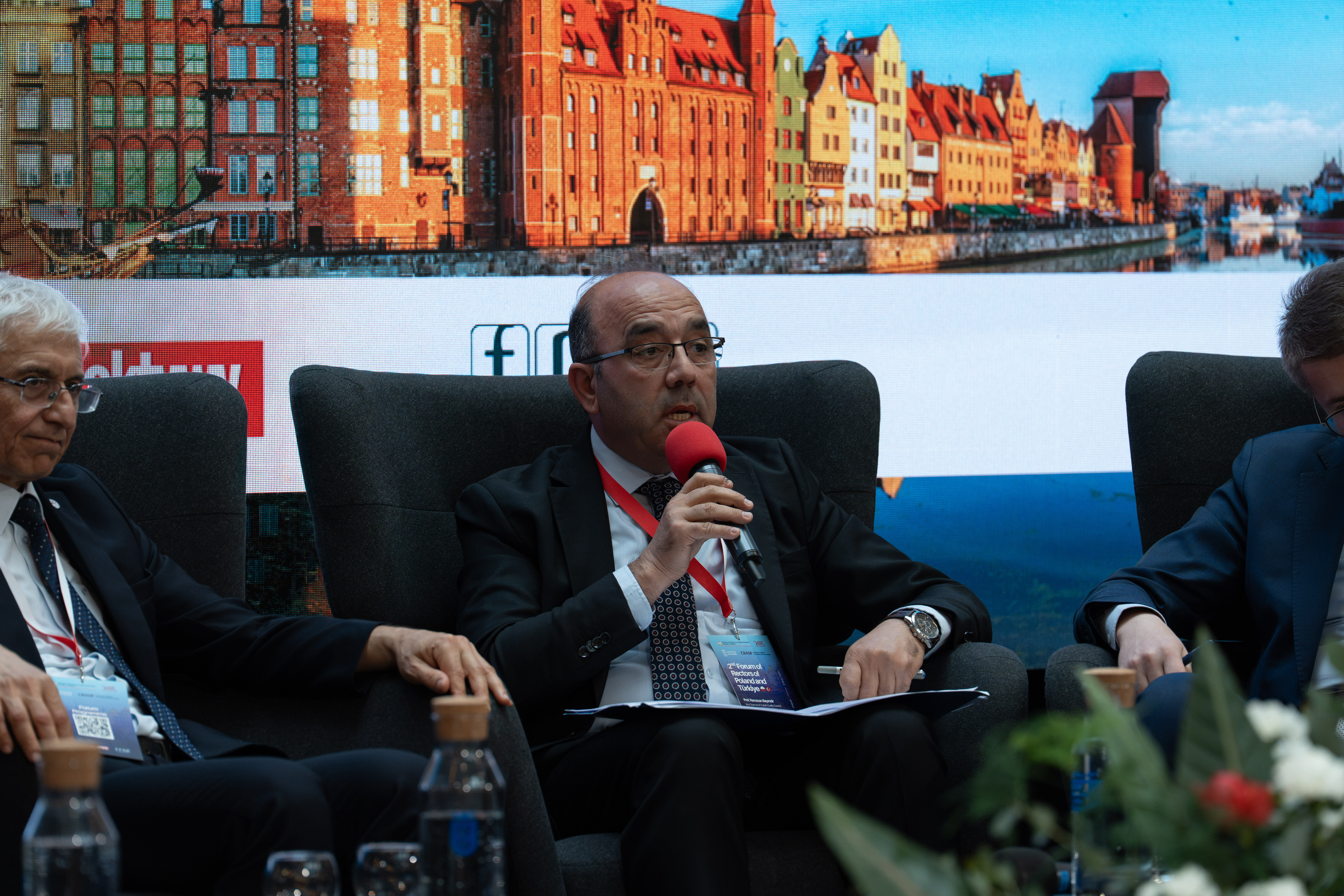
The final panel - chaired by the host of the 1st Forum of Rectors of Poland and Turkey in Ankara, prof. Uğur Ünal, Rector of Gazi University - aimed to highlight the potential and opportunities that Turkish universities can offer to Polish students and academic staff. The panel provided an opportunity to present both the Turkish higher education system and selected universities - for example, Black Sea Technical University, whose strengths (both academic and practical, such as its location) were outlined by prof. Hamdullah Çuvalci. He drew attention to the small number of students from Poland, before stating: ‘We are here to change that.’ Prof. Adnan Ozcan highlighted the advantages of the Turkish higher education system, which is characterised by a high level of structure and regulation, and combines academic knowledge with practice-oriented education. He also highlighted the aspect of internationalisation: ‘Higher education is no longer local - it is global,’ Prof. Ramazan Bayindir reflected on ways to build a trustworthy ecosystem of academic cooperation between Turkey and Poland, whilst prof. Esat İpek presented best practices in the Turkish education system - and emphasised the potential for cooperation between the two countries.
The panel was attended by: prof. Uğur Ünal, Rector of Gazi University (moderator), prof. Hamdullah Çuvalci (Rector of Black Sea Technical University), prof. Adnan Ozcan (Rector of Eskisehir Technical University), prof. Ramazan Bayindir (Vice-Chair of the Turkish Quality Council - YÖKAK), assoc. prof. Esat İpek (Council of Higher Education in Türkiye - YÖK).
Summary and conclusion of the Forum
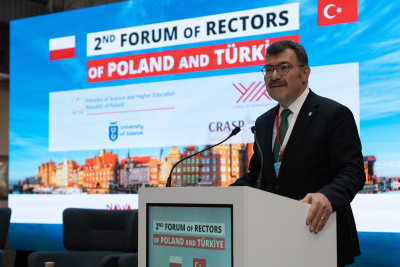
The 2nd Forum of Rectors of Poland and Turkey concluded with brief speeches by the Rector of the University of Gdańsk, prof. Piotr Stepnowski, the Chair of KRASP, prof. Bogumiła Kaniewska, and a Member of the Turkish Council of Higher Education, prof. Hasan Mandal. ‘All fruitful cooperation is based on trust - said prof. Hasan Mandal. - We are taking another step forward. We are not just talking about signing agreements, we are talking about progress (...) We need to learn from one another. We need co-creation more than cooperation.’
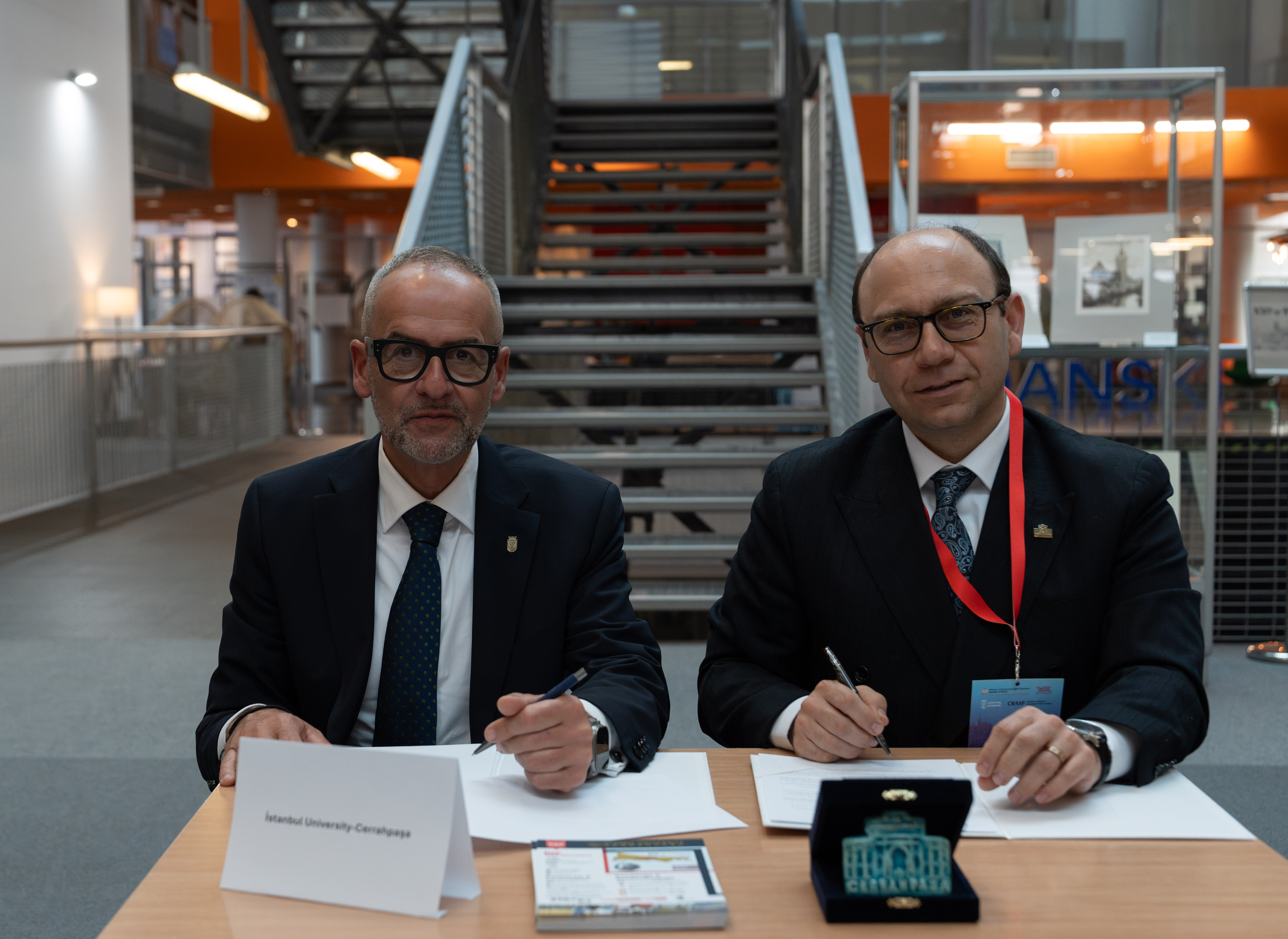
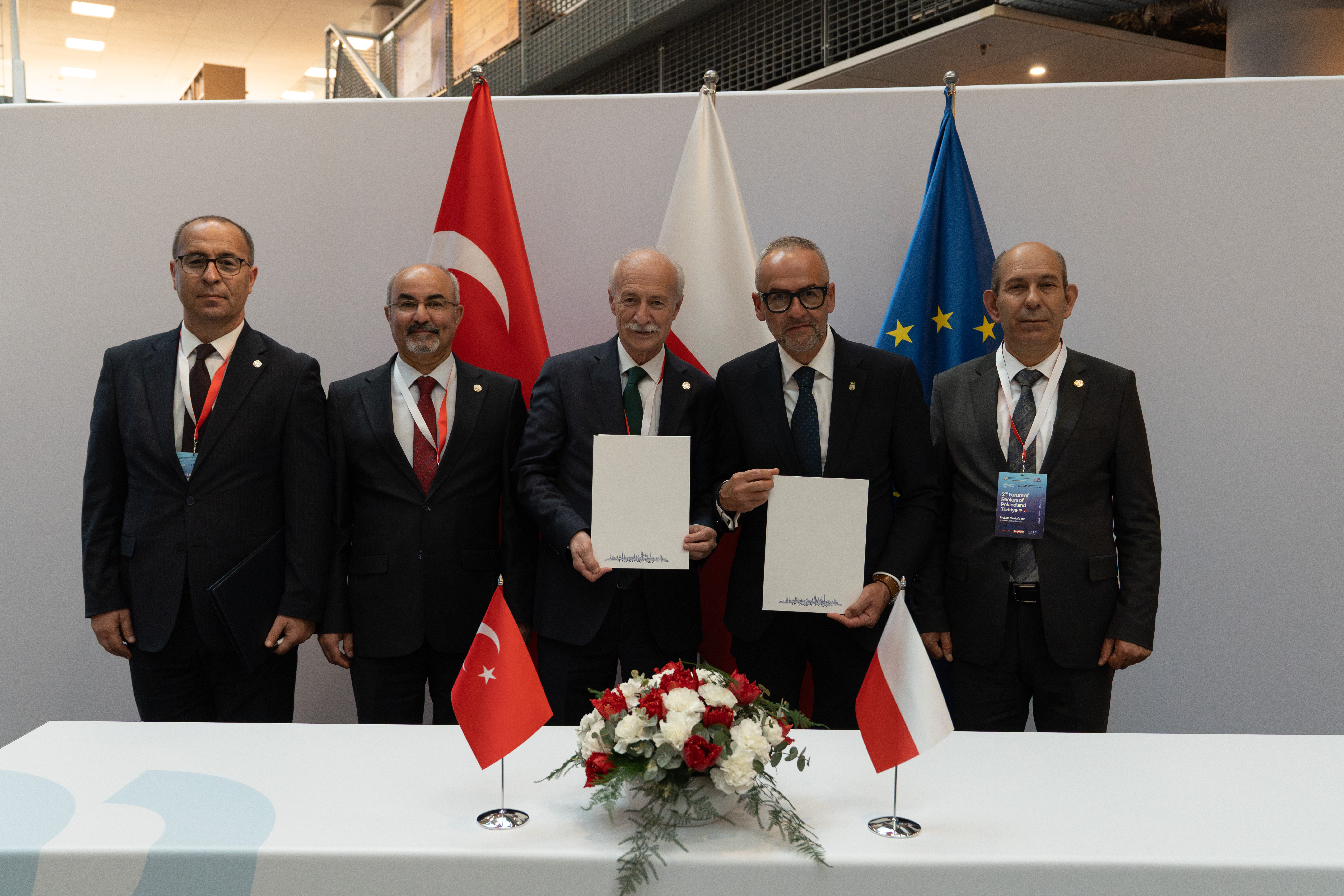
The Forum culminated in the signing of inter-university agreements. The organisers and participants expressed their hope that the 2nd Forum of Rectors of Poland and Turkey would not be the last - and that cooperation between Poland and Turkey in the field of higher education would be continued and developed.